 EN
EN

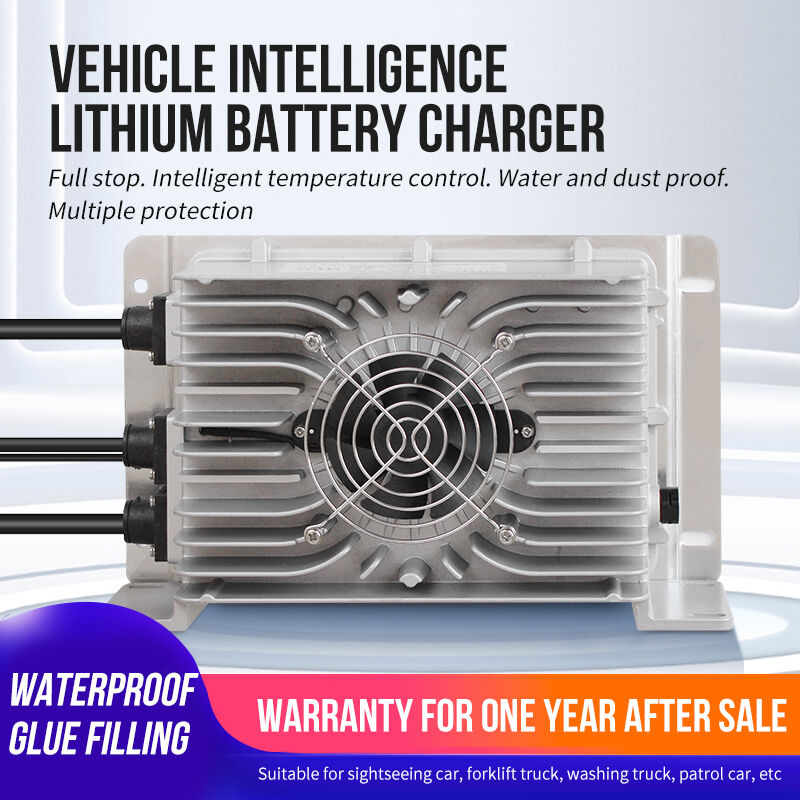
בעלים של עגלות גולף שמעדיפים ביצועים ואורך חיים מבינים כי פתרון הטעינה הנכון הוא הגורם המכריע. מטען ייעודי לסוללת עגלה לגולף מספק ניהול superior של הספק, לעומת אלטרנטיבות כלליות, ומבטיח שהרכב שלכם ישמר בביצועיו המירביים על פני מגוון מדרכות ותנאי מזג אוויר. טכנולוגיית המטענים המודרנית לסוללות לעגלות גולף התפתחה במידה משמעותית, ומציעה תכונות בטיחות משופרות ואלגוריתמי טעינה אינטליגנטיים שמאפשרים להגן על ההשקעה שלכם תוך מקסום היעילות הפעולה.
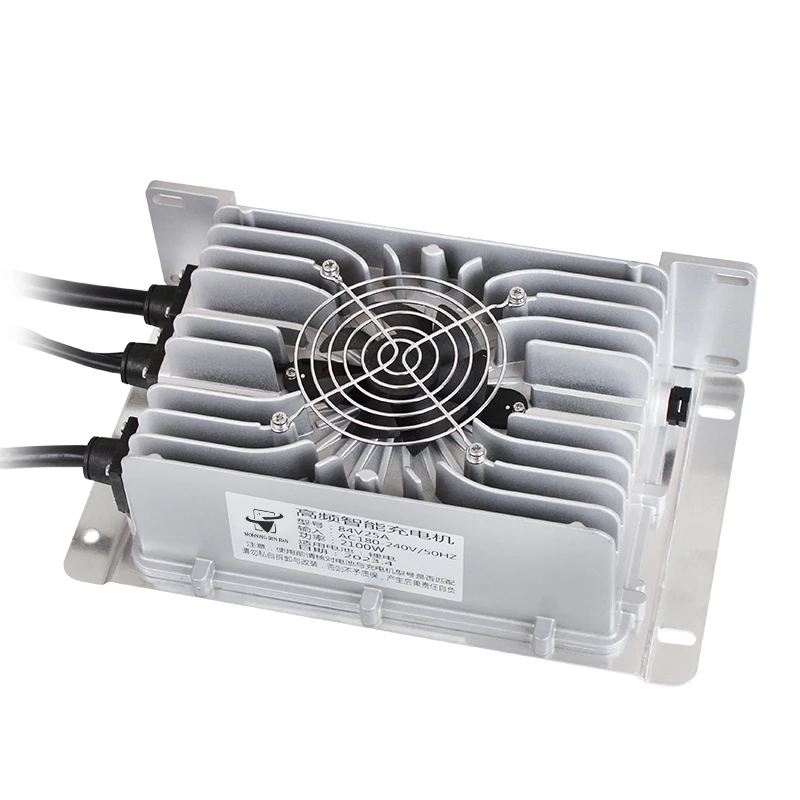
שדות גולף מקצועיים, קהילות מגורים ומתקני בידור ברחבי העולם מסתמכים על פתרונות טעינה متخصפים כדי לתחזק את הרכבים שלהם. היתרונות הביצועיים של שימוש במטען סוללות מותאם במיוחד למכוניות גולף יוצאים далеко מעבר להספקת חשמל פשוטה, וכוללים אופטימיזציה של בריאות הסוללה, הארכת תקופת חיים והפחתת דרישות התיקון. יתרונות אלו מתורגמים ישירות לחסכונות כספיים ולשיפור מהימנות הפעולה לאורך זמן.
אורך חיים משופר של הסוללה ואופטימיזציה של הביצועים
אלגוריתמי טעינה חכמים
מערכות מתקדמות לטעינת סוללות לעגלות גולף כוללות פרופילי טעינה מתקדמים שמבוססים על מיקרו-מעבדים, אשר מתאימים למצב ולכימיה הספציפיים של הסוללה שלכם. אלגוריתמים חכמים אלו עוקבים אחר המתח, הזרם והטמפרטורה לאורך מחזור הטעינה, ומסננים באופן אוטומטי את הפרמטרים כדי למנוע טעינה יתרה ולמזער את ייצור החום. התוצאה היא תהליך טעינה שממקסם את קיבולת הסוללה ומונע את הסולפציה והשכבה (סטרטיפיקציה) שמהווים בעיה נפוצה בסוללות עופרת-חמצן שנטענו לא כראוי.
פרוטוקולי טעינה רב-שלבי הממומשים במטענים איכותיים מבטיחים שכל שלב במחזור הטעינה משרת מטרה ספציפית. שלב הטעינה הראשוני (Bulk) משחזר במהירות את הקיבולת, בעוד שלב הספיגה (Absorption) מסיים את תהליך הטעינה ברמות זרם נמוכות יותר. לבסוף, שלב השמירה (Float) שומר על הסוללות ברמת טעינה אופטימלית ללא גרימת נזק עקב טעינה מתמשכת בזרם גבוה.
טכנולוגיית פיצוי טמפרטורה
יחידות מטען למכוניות גולף ברמה מקצועית מצוידות בחיישני היערכות לטמפרטורה שמתאמים את פרמטרי המטען בהתאם לתנאי הטמפרטורה הסביבתית וטמפרטורת הסוללה. טכנולוגיה זו מונעת מטענה יתרה בתנאי חום ומטעה חסרה בתנאי קור, ושתי התופעות עלולות לקצר משמעותית את תקופת חייו של הסוללה. ההיערכות לטמפרטורה מבטיחה ביצועי מטען עקביים ללא תלות בשינויי עונה או בתנאי הסביבה שבה נאגרת הסוללה.
השפעת הטמפרטורה על כימיה של הסוללה אינה ניתנת להגזמה, מאחר שקצב קבלת המטען משתנה באופן דרמטי עם שינויים בטמפרטורה. מטען איכותי עם היערכות לטמפרטורה שומר על יעילות מטען אופטימלית לאורך כל השנה, ומגן על ההשקעה שלך בסוללות מפני נזקים הקשורים לטמפרטורה, תוך הבטחת ביצועים מרביים בכל תנאי הפעלה.
מאפייני בטיחות מתקדמים ומערכות הגנה
הגנה חשמלית מקיפה
עיצובים מודרניים של מטעני עגלות גולף כוללים מספר שכבות הגנה חשמלית כדי להגן הן על ציוד הטעינה והן על הסוללות המחוברות. הגנת יתר מתח מונעת נזק מספייקי מתח, בעוד שגנת יתר זרם מגבילה את זרם הטעינה לרמות בטוחות. מערכות הבטיחות הללו פועלות באופן רציף במהלך תהליך הטעינה ומבטלות אוטומטית את הפעולה או מפחיתות את פליטת ההספק כאשר מתגלה מצב שעלול להיות מסוכן.
הגנת קוצר וחיבורים הפוכים מוסיפה שולי בטיחות נוספים, ומונעת נזק קטסטרופלי שמקורו בשגיאות בחיווט או בתקלות בציוד. אמצעי האבטחה המובנים הללו מאפסים את הסיכון לשריפה, להתפlosion או לזרם חשמלי שיכולים להיגרם מהשתמש בציוד טעינה לא מספיק או מעוצב לא כראוי. מתקנים מקצועיים סומכים על תכונות הבטיחות הללו כדי להגן על הצוות והרכוש, תוך שמירה על התאמה לדרכי הביטוח.
איתור וتشخيص תקלות אוטומטי
יכולות אבחון מתקדמות המובנות בתוך ממיסים איכותיים מספקות ניטור בזמן אמת של בריאות הסוללה וביצועי מערכת הממיסה. מערכות אלו יכולות לזהות תאי סוללה פגומים, בעיות בחיבורים ותהליך הדרוג רכיבי הממיסה לפני שיגרמו לתקלות יקרות או לסיכונים לביטחון. מדדי אזהרה מוקדמים וקודים לשגיאות עוזרים לעובדי התיקון לזהות ולטפל בבעיות באופן פרואקטיבי.
המידע האבחוני שמספק ממיס מתקדם מטען סוללה לעגלת גולף מאפשר אסטרטגיות תחזוקה חיזויית שמביאות לצמצום זמן העצירה ומאריכות את חיי הציוד. מנהלי ציוד יכולים לעקוב אחר מגמות בביצועי הממיסה, לזהות סוללות הדורשות החלפה ולשפר את לוחות זמנים של ממיסה על סמך דפוסי השימוש האמיתיים ונתוני מצב הסוללות.
יעילות פעולות ויתרונות כלכליים
הקטנת הצריכה של אנרגיה
עיצובי מטעני סלולות למכונות גולף בעלות יעילות גבוהה כוללים תיקון גורם הספק וטכנולוגיית מתג מתקדמת כדי למזער את בזבוז האנרגיה בתהליך הטעינה. תכונות אלו יכולות להפחית את הצריכה החשמלית עד עשרים אחוז לעומת עיצובי מטענים ליניאריים ישנים יותר, מה שמביא לחסכונות משמעותיים בעלויות עבור פעולות נפוצות במיוחד. היעילות המוגדלת מפחיתה גם את יצירת החום, מאריכה את אורך החיים של המטען ומפחיתה את דרישות הקירור.
אלגוריתמי טעינה חכמים מ tốiימים את השימוש באנרגיה על ידי התאמת קצב הטעינה בהתאם למצב הסוללה ולמחירים המשתנים של החשמל לפי זמן השימוש, כאשר זה רלוונטי. חלק מהמטענים המתקדמים יכולים לדחות את זמן ההתחלה של הטעינה כדי לנצל את המחירים הנמוכים יותר של החשמל בזמנים שאינם שיא, מה שמפחית עוד יותר את העלות הפעולה תוך הבטחת שהרכבים יהיו מוכנים לשימוש בבוקר.
דרישות תחזוקה ממוזערות
טעינה תקינה באמצעות מטען סוללות ייעודי למכוניות גולף מפחיתה באופן משמעותי את דרישות התיקון של הסוללות, על ידי מניעת בעיות נפוצות כגון סולפטציה, שיכוב ושתיית מים מופרזת. לסוללות שנטענו בעזרת ציוד איכותי יש צורך במילוי מים נדיר יותר, בטעינה מאוזנת ובחליפה – מה שמפחית את עלויות העבודה לתיקון ומעריך את פרקי הזמן בין תחזוקות.
הפחתת עומס התיקון מתורגמת להפחתת עלות הבעלות הכוללת ולשיפור זמינות הרכבים. אנשי התיקון יכולים להתמקד בתפקידים קריטיים אחרים במקום לפקח ולטפל ללא הרף בסוללות שנטענו בצורה לא תקינה. השיפור בכفاءות זה חשוב במיוחד עבור פלטים גדולים, שבהם זמן התיקון והעלויות עלולים להצטבר במהרה.
אינטגרציה של טכנולוגיות לטעינה מתקדמות
תאימות לכימיות מרובות
מערכות מטענות מודרניות לסוללות לעגלות גולף מתאימות למספר סוגי כימיות סוללות, כולל סוללות עופרת-חמצן מסורתיות, AGM, ג'ל וטכנולוגיות לייתיום-יון מתקדמות. גמישות זו מאפשרת למנהלי צבאות לעדכן את טכנולוגיית הסוללות ללא צורך להחליף לחלוטין את המטענים, מה שמגן על השקעה בתשתיות תוך איפשור שיפורים בביצועים. היכולת לאופטם את פרמטרי הטעינה לסוג הסוללה הספציפי מבטיחה ביצועים מרביים ללא קשר לטכנולוגיה שנבחרה.
כשטכנולוגיית הסוללות ממשיכה להתפתח, בעלות מטען סוללות לעגלות גולף המסוגל להתאים עצמו לכימיות חדשות מספקת יתרונות של עתיד-תואם. מטענים מתקדמים יכולים לעתים קרובות להיות מעודכנים עם פרופילי טעינה חדשים באמצעות עדכוני תוכנה, מה שמייאר את תקופת חייהם האפקטיבית ומשמר את התאימות שלהם עם טכנולוגיות סוללות נשלטות.
התחברות לרשת ומעקב מרחוק
מטענים ברמה תעשייתית מציעים יותר ויותר אפשרויות קישוריות רשת המאפשרות ניטור ובקרה מרחוק באמצעות חיבורי אתרנט או אלחוטיים. יכולת זו מאפשרת לאנשי התחזוקה לנטר את מצב הטעינה, לעקוב אחר צריכת האנרגיה ולקבל התראות על בעיות פוטנציאליות ממיקום מרכזי. ניטור מרחוק מפחית את הצורך בבדיקות פיזיות תוך מתן נתונים תפעוליים מפורטים למטרות אופטימיזציה.
יכולות איסוף הנתונים של מטענים מחוברים תומכות באסטרטגיות ניהול צי מורכבות, ומאפשרות למנהלים לעקוב אחר יעילות השימוש ברכבים, לאופטם את לוחות זמנים של טעינה ולנבא דרישות תחזוקה. מידע זה עוזר למקסם את יעילות הצי תוך הקטנת ההוצאות התפעוליות באמצעות קבלת החלטות מבוססת נתונים.
השפעה סביבתית ויתרונות תקיפות
טביעת רגל פחמנית מופחתת
טכנולוגיית מטען סוללות יעיל למכוניות גולף תורמת להפחתת ההשפעה הסביבתית באמצעות צריכה נמוכה יותר של אנרגיה ותוחלת חיים ארוכה יותר של הסוללות. על ידי הפחתת אובדי הטעינה והמניעה של החלפת סוללות מוקדמת, מטענים איכותיים מפחיתים את ה FOOTPRINT הפחמני הכולל של פעולות מכוניות הגולף. תוחלת החיים הארוך יותר של הסוללות, אשר מושגת באמצעות טעינה מתאימה, מפחיתה את התדירות שבה יש לייצר ולשפר סוללות חדשות, ובכך תומכת במטרות של קיימות.
שיפורים ביעילות האנרגטית של מטענים מודרניים עומדים בדרישות יוזמות הקיאימות הארגוניות והתקנות הסביבתיות. ארגונים יכולים לתעד הפחתות מדידות בצריכת האנרגיה וביצירת פסולת על ידי יישום פתרונות טעינה מקצועיים בכל צי מכוניות הגולף שלהם.
מחזור סוללות והפחתת פסולת
טעינה תקינה מאריכה באופן משמעותי את תקופת השירות של הסוללות, ומביאה לירידה בכמות הסוללות שדורשות בירור או מחזור. מטען סוללות איכותי לעגלות גולף יכול להכפיל או לשלש את תקופת החיים של הסוללה בהשוואה לשיטות טעינה לא תקינות, ובכך מקטין באופן מהותי את ההשפעה הסביבתית הנובעת מייצור הסוללות ומבורן שלהן. יתרון זה של הפחתת הפסולת הולך ונהיה חשוב יותר ככל שארגונים ניצבים בפני לחץ גובר לצמצם את הרגל הסביבתי שלהם.
הארכת תקופת החיים של הסוללות מפחיתה גם את העומס הלוגיסטי והעלויות הקשורים להחלפת הסוללות ולבירורן. מתקנים יכולים להפחית את התלות שלהם במאמינים של סוללות, תוך שהמזער את הטיפול וההובלה של חומרים מסוכנים הקשורים לסוללות משומשות.
שאלה נפוצה
מה הופך מטען סוללות ייעודי לעגלות גולף לטוב יותר ממטען כללי
יחידות מטענות ייעודיות לעגלות גולף מעוצבות במיוחד לדרישות הטעינה בעומק של סוללות עגלות גולף, וכוללות אלגוריתמי טעינה רב-שלבי ותכונות בטיחות שמותאמות במיוחד לכך יישום . מטענות כלליות לרוב אינן מצוידות במערכות הבקרה המורכבות הנדרשות לטעינה תקינה של סוללות בעומק, מה שגורם לקיצור תוחלת חייהן ולסיכונים אפשריים לבטיחות. המעגלים והתוכנה המיוחדים שבמטענות ייעודיות מבטיחים ביצוע אופטימלי ואורך חיים מרבי.
איך הטמפרטורה משפיעה על ביצועי הטעינה של סוללות עגלות גולף
הטמפרטורה משפיעה באופן משמעותי על הכימיה של הסוללה ועל קצבים של קבלת הטעינה, כאשר טמפרטורות נמוכות מפחיתות את יעילות הטעינה וטמפרטורות גבוהות מעלות את הסיכון לפגיעות עקב טעינה יתרה. מערכות מטען איכותיות לסוללות עגלות גולף כוללות תכונות של פיצוי לפי טמפרטורה שמתאמות אוטומטית את פרמטרי הטעינה בהתאם לטמפרטורת הסביבה ולטמפרטורת הסוללה, ומבטאות ביצועי טעינה אופטימליים ללא תלות בתנאי מזג האוויר, תוך הגנה מפני נזקים הקשורים בטמפרטורה.
האם ממלאים מודרניים יכולים לפעול עם סוגי סוללות שונים באותה רכבת?
עיצובים מתקדמים של מטעני סלולות למכוניות גולף מציעים תאימות למספר כימיות, מה שמאפשר להם לאופטם את פרמטרי הטעינה לסוגי סוללות שונים, כולל סוללות עופרת-חמצן, AGM, ג'ל וטכנולוגיות לייתיום-יון. גמישות זו מאפשרת למנהלי צבאות להשתמש בסוגי סוללות שונים ברכבים שלהם תוך שמירה על ביצועי טעינה אופטימליים עבור כל סוג כימי, ותומכת בעדכון הדרגתי של הצבאות ללא צורך בהחלפת מלאה של המטענים.
אילו תכונות בטיחות יש לחפש במטען סוללות מקצועי למכוניות גולף
מאפייני בטיחות חיוניים כוללים הגנה מפני חיבור יתר, הגנה מפני זרם יתר, הגנה מפני קצר, הגנה מפני הפיכת קוטביות, ומערכת ניטור טמפרטורה עם יכולת כיבוי אוטומטי. יחידות מתקדמות מספקות בנוסף הגנה מפני דליפת קרקע, דämpת עליות מתח פתאומיות (surge suppression), ומערכות אבחון מקיפות שבודקות באופן מתמיד את מצב המטען והסוללה. מערכות הבטיחות הללו מגינות על אנשי צוות, על הציוד ועל המתקנים, ומבטאות ביצועי טעינה מהימנים בתנאי הפעלה שונים.