Complete Guide to Public E-Bike Charging Stations: Smart, Sustainable Urban Mobility Solutions

Get a Free Quote

Our representative will contact you soon.
Email
Name
Company Name
Message
0/1000

public e bike charging

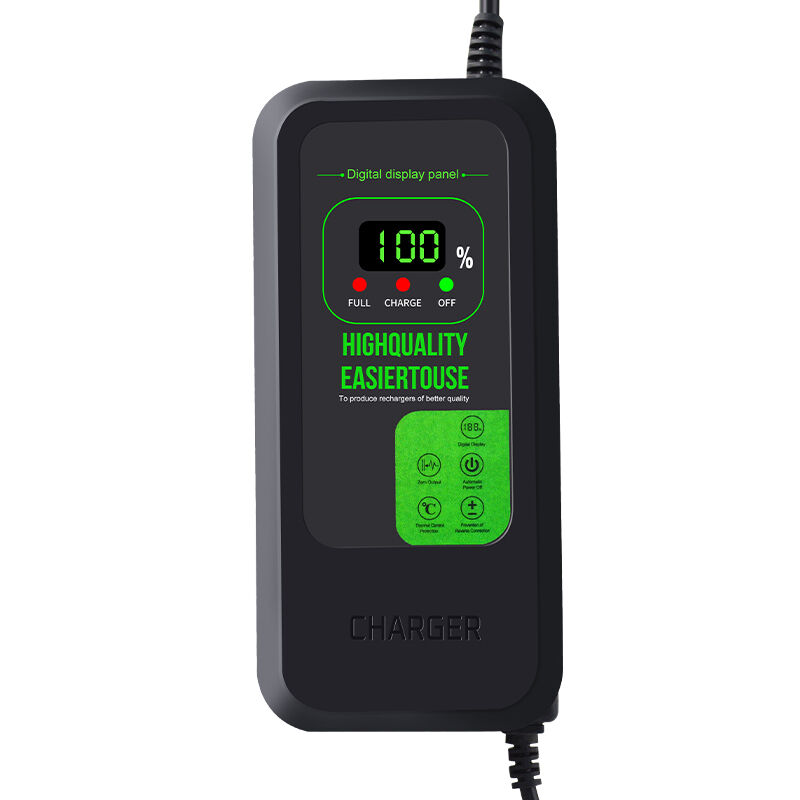
Public e bike charging infrastructure represents a revolutionary advancement in sustainable urban transportation, providing convenient and accessible power solutions for electric bicycle users across cities worldwide. These strategically positioned charging stations serve as vital nodes in the electric mobility ecosystem, enabling riders to maintain their journeys without range anxiety. The public e bike charging network consists of weatherproof stations equipped with multiple charging ports, designed to accommodate various e-bike models and battery types. These systems integrate smart technology features including digital payment processing, user authentication, and real-time availability monitoring through mobile applications. The charging stations utilize advanced power management systems that deliver optimal charging speeds while protecting battery longevity through intelligent voltage regulation and temperature monitoring. Most public e bike charging stations feature modular designs that allow for easy installation in diverse urban environments, from busy commercial districts to residential neighborhoods and transportation hubs. The infrastructure supports both removable battery charging through secure lockers and direct bike charging via standardized connectors. Advanced stations incorporate solar panels for renewable energy generation, reducing grid dependency and operational costs. The technology includes robust security features such as surveillance integration, tamper-resistant housing, and secure locking mechanisms for battery storage compartments. Network connectivity enables remote monitoring, predictive maintenance scheduling, and usage analytics that help optimize station placement and capacity planning. Public e bike charging stations often feature LED displays showing charging status, estimated completion times, and service information. The systems are designed for 24/7 operation with backup power capabilities and weather-resistant construction meeting international IP ratings. Integration with smart city platforms allows for coordinated traffic management and sustainable transportation planning, making public e bike charging an essential component of modern urban infrastructure development.

New Product Recommendations

Public e bike charging stations deliver transformative benefits that revolutionize urban mobility and enhance the electric bicycle experience for millions of users. The primary advantage lies in eliminating range anxiety, allowing riders to confidently plan longer journeys knowing reliable charging options exist throughout their routes. This accessibility encourages more people to adopt electric bicycles as their primary transportation method, reducing urban traffic congestion and carbon emissions significantly. The convenience factor cannot be overstated as public e bike charging stations operate around the clock, providing flexibility for commuters, delivery workers, and recreational cyclists regardless of their schedules. Users save substantial money compared to car ownership and public transportation costs, as charging fees remain minimal while maintenance requirements for electric bicycles stay low. The stations boost local economies by attracting foot traffic to surrounding businesses, creating natural gathering points where people spend time while their bikes charge. Environmental benefits multiply as increased e-bike adoption reduces air pollution, noise levels, and urban heat island effects. The public e bike charging infrastructure promotes social equity by providing affordable transportation alternatives in underserved communities where car ownership may be financially challenging. Safety improves as more cyclists on roads increase driver awareness and cities invest in better cycling infrastructure to support growing e-bike populations. The stations often incorporate additional amenities such as bike repair tools, tire pumps, and weather protection, creating comprehensive service hubs for cycling communities. Economic opportunities emerge for local entrepreneurs who can operate charging stations or provide complementary services nearby. The technology enables cities to collect valuable transportation data that informs future infrastructure planning and policy decisions. Public e bike charging networks reduce strain on electrical grids through smart charging algorithms that balance demand and integrate renewable energy sources effectively. The stations support tourism by enabling visitors to explore cities sustainably while contributing to local environmental goals and climate action initiatives.

Tips And Tricks

Tianchang Chaochen Electronic Technology Co., LTD. : Showcasing strength at the Canton Fair and empowering global new energy cooperation

26

Nov

Tianchang Chaochen Electronic Technology Co., LTD. : Showcasing strength at the Canton Fair and empowering global new energy cooperation

View More
Empower growth and move forward hand in hand

13

Nov

Empower growth and move forward hand in hand

View More
Article: Company Team-building

13

Nov

Article: Company Team-building

View More

Get a Free Quote

Our representative will contact you soon.
Email
Name
Company Name
Message
0/1000

public e bike charging

Smart Integration and User Experience Excellence

Smart Integration and User Experience Excellence

The sophisticated smart integration capabilities of public e bike charging stations represent a quantum leap in user experience design and operational efficiency. These advanced systems seamlessly connect with mobile applications that provide real-time station availability, charging status updates, and navigation assistance to the nearest functional charging point. Users can reserve charging slots in advance, eliminating frustration from arriving at occupied stations during peak hours. The integration extends to payment systems that accept multiple methods including contactless cards, mobile wallets, and subscription services, making transactions effortless for diverse user demographics. Smart charging algorithms optimize power delivery based on battery condition, ambient temperature, and grid demand, ensuring safe and efficient charging cycles that extend battery lifespan significantly. The stations communicate with city-wide traffic management systems, providing valuable data about cycling patterns, popular routes, and infrastructure utilization that helps urban planners make informed decisions about future developments. Advanced user interfaces feature multilingual support, accessibility options for disabled users, and intuitive iconography that transcends language barriers. The smart integration includes predictive maintenance capabilities that monitor component health, detect potential failures before they occur, and automatically schedule service interventions to minimize downtime. Emergency features provide direct communication with support services, safety alerts during severe weather conditions, and integration with local emergency response systems. The technology supports loyalty programs and gamification elements that encourage regular usage and reward environmentally conscious behavior. Data analytics capabilities generate insights about charging patterns, peak usage times, and seasonal variations that enable dynamic pricing strategies and optimal resource allocation. The smart integration facilitates seamless interoperability between different charging networks, allowing users to access stations across multiple service providers with a single account and payment method, creating a truly unified public e bike charging ecosystem.

Sustainable Energy Solutions and Environmental Impact

Sustainable Energy Solutions and Environmental Impact

Public e bike charging stations serve as catalysts for environmental transformation through innovative sustainable energy solutions that significantly reduce carbon footprints and promote renewable energy adoption. Many stations incorporate solar panel arrays that generate clean electricity during daylight hours, storing excess energy in advanced battery systems for nighttime operations and cloudy weather conditions. This renewable integration reduces dependence on grid electricity, which may still rely on fossil fuel sources, creating a truly sustainable charging ecosystem that aligns with global climate objectives. The stations often feature wind micro-turbines in suitable locations, harnessing multiple renewable energy sources to maximize clean power generation throughout varying weather conditions. Advanced energy storage systems utilize cutting-edge lithium-ion or emerging solid-state battery technologies that provide reliable power buffering while contributing to grid stability during peak demand periods. The environmental benefits extend beyond clean energy generation as public e bike charging infrastructure encourages modal shift from carbon-intensive transportation methods to zero-emission electric cycling. Studies demonstrate that each electric bicycle can replace numerous car trips annually, preventing tons of CO2 emissions while reducing urban air pollution that affects public health significantly. The stations incorporate recycled materials in their construction, demonstrating circular economy principles and reducing embodied carbon in infrastructure development. Smart grid integration enables bi-directional energy flow where station batteries can supply power back to the grid during peak demand, supporting renewable energy integration and grid resilience. The charging stations often include educational displays about environmental benefits, renewable energy generation statistics, and carbon savings achieved through e-bike usage, raising public awareness about sustainable transportation choices. Life cycle assessments show that public e bike charging infrastructure delivers positive environmental returns within months of installation, with benefits compounding over decades of operation. The systems support urban biodiversity by reducing vehicle emissions that harm vegetation and wildlife while creating green spaces around stations that enhance urban ecosystem health and community well-being.
Economic Viability and Community Development Benefits

Economic Viability and Community Development Benefits

The economic advantages of public e bike charging infrastructure create compelling value propositions for cities, businesses, and communities while generating sustainable revenue streams and fostering local economic development. Installation costs remain significantly lower than automotive charging infrastructure due to reduced power requirements and simpler electrical connections, enabling rapid network expansion with limited public budgets. The stations generate revenue through user fees, advertising partnerships, and corporate sponsorships while requiring minimal ongoing operational expenses thanks to robust designs and remote monitoring capabilities. Local businesses experience increased foot traffic as charging stations become natural congregation points where people spend time shopping, dining, or accessing services while their bikes charge. Property values around charging stations often increase due to enhanced transportation accessibility and environmental amenities that attract environmentally conscious residents and businesses. The infrastructure creates employment opportunities in installation, maintenance, customer service, and related sectors while supporting existing bike shops and repair services through increased e-bike adoption. Cities reduce transportation infrastructure costs as e-bikes require less road space, parking facilities, and traffic management resources compared to automobiles, freeing public funds for other essential services. The charging networks support emerging gig economy sectors including food delivery, courier services, and ride-sharing alternatives that rely on electric bicycles for cost-effective operations. Tourism benefits significantly as visitors can explore cities affordably and sustainably, extending their stay duration and spending more money at local attractions, restaurants, and accommodations. The stations enable cities to meet environmental regulations and climate commitments without massive infrastructure investments, avoiding potential penalties and accessing green funding opportunities. Corporate partnerships provide additional revenue through branding opportunities, employee benefits programs, and corporate social responsibility initiatives that enhance company reputations. The economic model scales efficiently as network effects increase user adoption, creating positive feedback loops that improve financial sustainability while expanding service coverage to underserved areas and communities.

Get a Free Quote

Our representative will contact you soon.
Email
Name
Company Name
Message
0/1000