Ultimate Guide to Charging Ebike Battery: Smart Technology, Universal Compatibility & Cost-Effective Solutions

Get a Free Quote

Our representative will contact you soon.
Email
Name
Company Name
Message
0/1000

charging a ebike battery

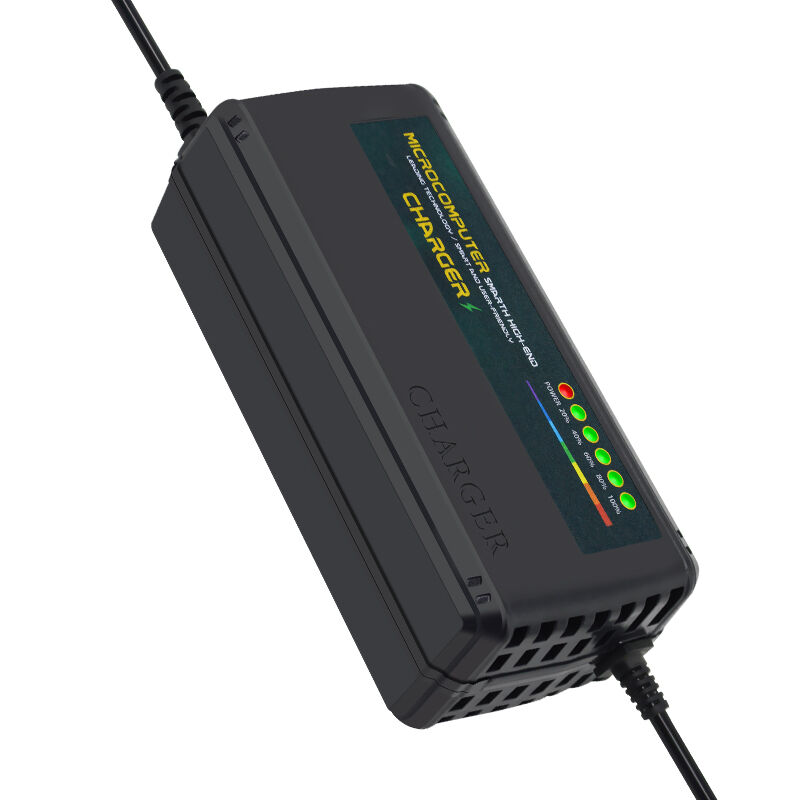
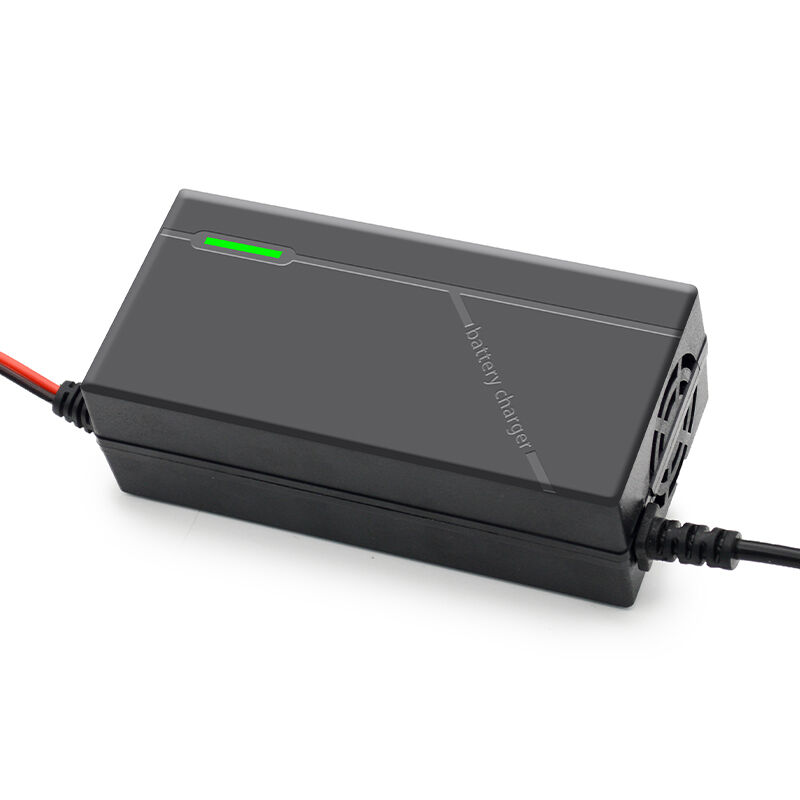
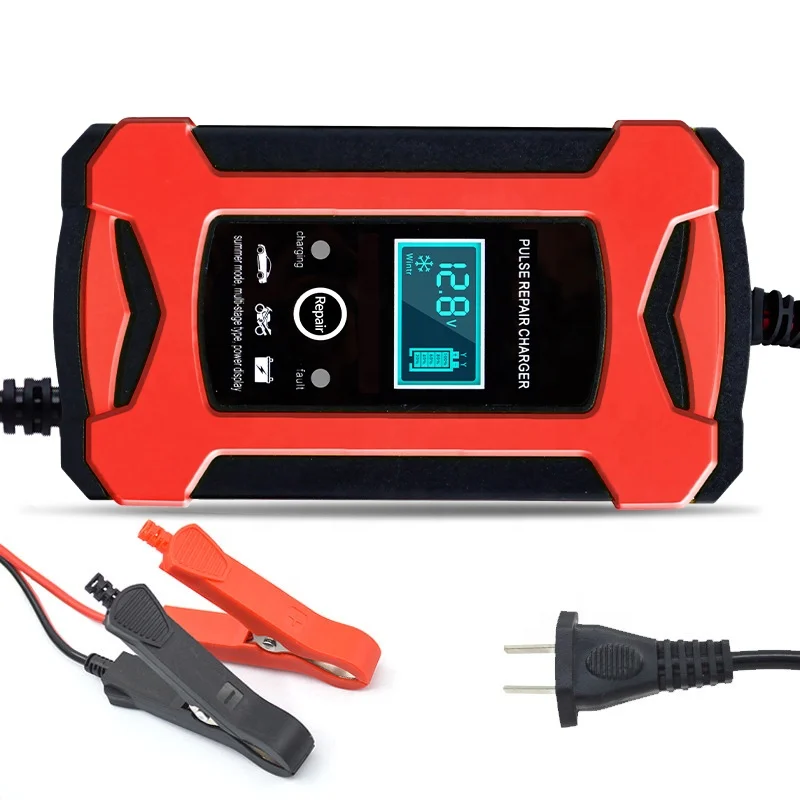
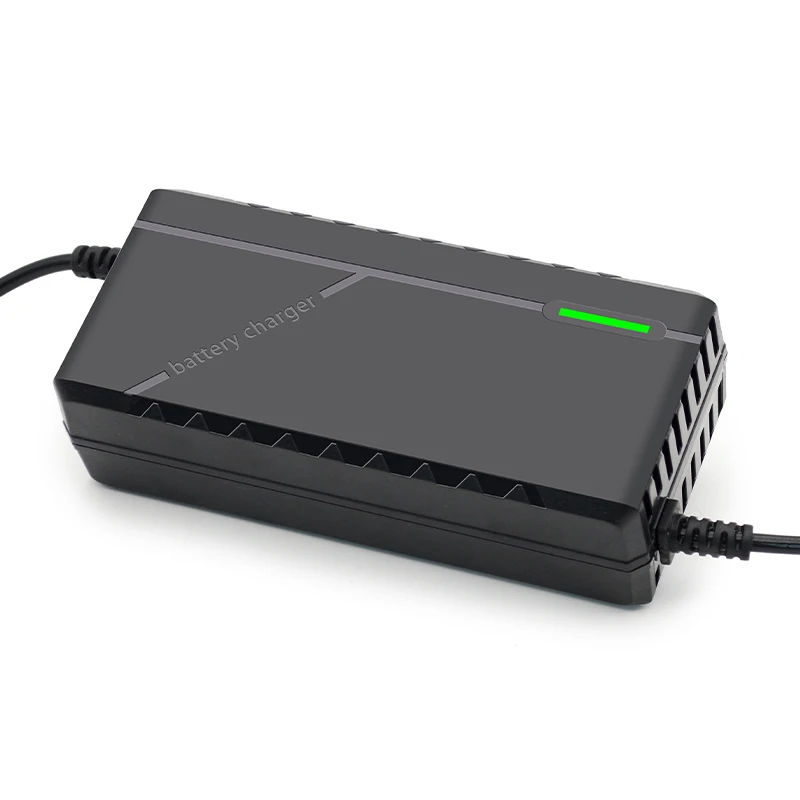
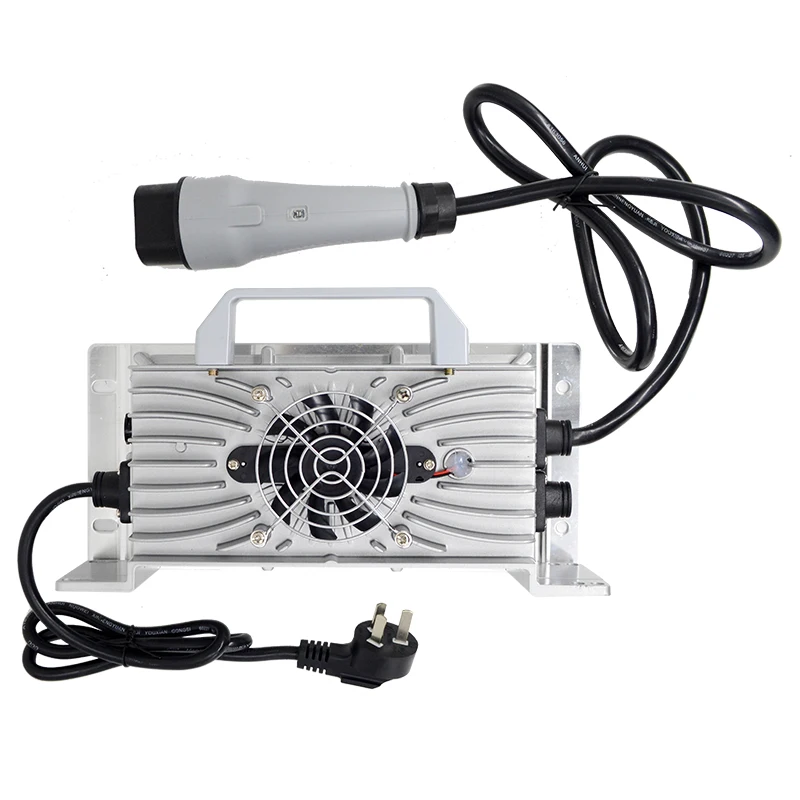
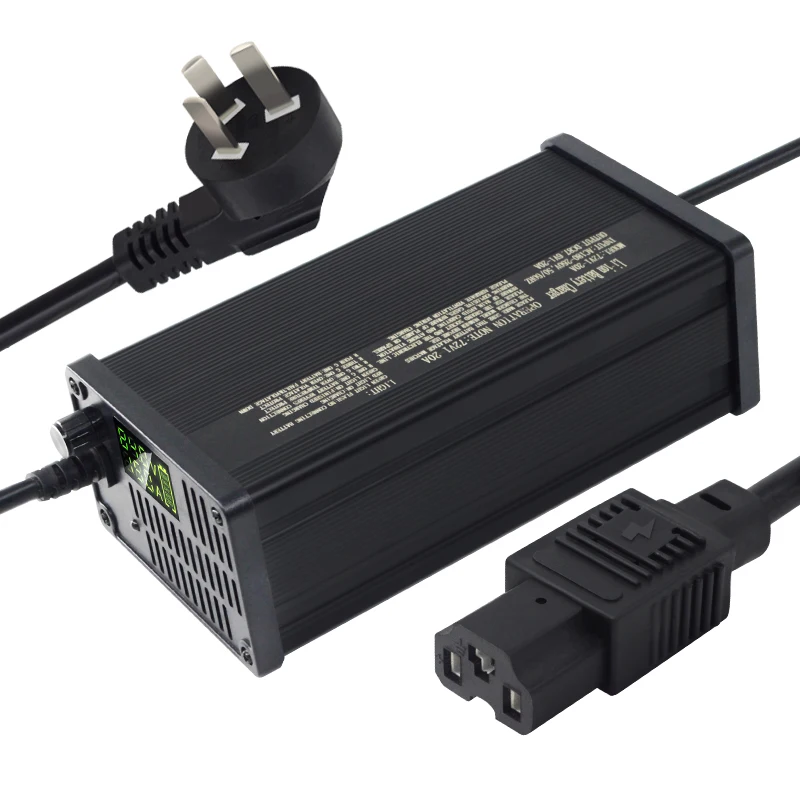
Charging an ebike battery represents a critical component of electric bicycle ownership that directly impacts performance, range, and overall user experience. Modern ebike battery charging systems utilize advanced lithium-ion technology that enables efficient energy storage and rapid power delivery. The primary function of charging an ebike battery involves converting AC electrical current from standard wall outlets into DC power that can be safely stored within the battery cells. This process requires sophisticated charging algorithms that monitor voltage levels, temperature fluctuations, and current flow to prevent overcharging while maximizing battery longevity. The technological features of contemporary ebike battery charging systems include smart charging protocols that automatically adjust charging rates based on battery condition and ambient temperature. Many charging systems incorporate LED indicators that provide real-time feedback about charging status, displaying different colors to indicate various stages from initial connection through full charge completion. Advanced battery management systems protect against common issues such as overvoltage, undervoltage, and thermal runaway situations that could potentially damage the battery or create safety hazards. The applications for charging an ebike battery extend beyond simple power restoration, encompassing intelligent power management that optimizes performance across different riding conditions. Modern charging systems support various charging modes including standard overnight charging, fast charging for quick power boosts, and maintenance charging for long-term storage periods. The integration of charging an ebike battery technology with smartphone applications allows riders to monitor charging progress remotely, receive notifications when charging is complete, and track battery health metrics over time. These systems typically support universal charging standards that enable compatibility across different ebike manufacturers while maintaining optimal charging efficiency and safety protocols throughout the charging cycle.

New Product Recommendations

The advantages of charging an ebike battery properly extend far beyond simple power restoration, delivering tangible benefits that enhance every aspect of electric bicycle ownership. Efficient charging practices significantly extend battery lifespan, allowing riders to enjoy thousands of charging cycles while maintaining optimal performance levels. This longevity translates directly into substantial cost savings, as properly maintained batteries can last five to seven years before requiring replacement. Smart charging systems automatically optimize power delivery to prevent battery degradation caused by overcharging or excessive heat buildup during the charging process. Modern charging solutions offer remarkable convenience through multiple charging options that accommodate different lifestyle needs and riding patterns. Quick charging capabilities enable riders to restore significant battery capacity during short breaks, making longer commutes and recreational rides more practical. Standard overnight charging provides complete power restoration while consuming minimal electricity, resulting in operating costs of just pennies per mile compared to traditional transportation methods. The portability of modern charging systems allows riders to charge batteries at home, work, or any location with standard electrical outlets, eliminating range anxiety that often concerns potential electric bicycle adopters. Safety represents another crucial advantage of contemporary ebike battery charging technology, with multiple protection systems that prevent dangerous situations. Advanced thermal management prevents overheating during charging cycles, while voltage monitoring ensures batteries receive appropriate power levels throughout the charging process. Circuit protection guards against electrical surges and fluctuations that could damage expensive battery systems. These safety features provide peace of mind for riders who charge batteries overnight or in unattended locations. Environmental benefits emerge from efficient charging practices that maximize energy utilization while minimizing electrical waste. Optimized charging algorithms reduce overall energy consumption compared to less sophisticated charging methods, contributing to lower carbon footprints for electric bicycle transportation. The ability to charge during off-peak electrical hours further reduces environmental impact while taking advantage of lower electricity rates in many regions. Regular charging routines maintain battery health more effectively than sporadic charging patterns, ensuring maximum energy density and performance throughout the battery's operational lifespan.

Tips And Tricks

Tianchang Chaochen Electronic Technology Co., LTD. : Showcasing strength at the Canton Fair and empowering global new energy cooperation

26

Nov

Tianchang Chaochen Electronic Technology Co., LTD. : Showcasing strength at the Canton Fair and empowering global new energy cooperation

View More
Empower growth and move forward hand in hand

13

Nov

Empower growth and move forward hand in hand

View More
Article: Company Team-building

13

Nov

Article: Company Team-building

View More

Get a Free Quote

Our representative will contact you soon.
Email
Name
Company Name
Message
0/1000

charging a ebike battery

Advanced Smart Charging Technology

Advanced Smart Charging Technology

The revolutionary smart charging technology integrated into modern ebike battery systems represents a significant advancement in electric bicycle power management. This sophisticated technology automatically adjusts charging parameters based on real-time battery conditions, ambient temperature, and current charge levels to deliver optimal charging performance while protecting valuable battery investments. Smart charging systems utilize advanced microprocessors that continuously monitor multiple variables throughout the charging cycle, including cell voltage balance, internal resistance, and thermal characteristics that influence charging efficiency and safety. The intelligent algorithms embedded in these systems can detect battery age and condition, automatically modifying charging rates to compensate for natural capacity degradation that occurs over time. This adaptive approach to charging an ebike battery ensures consistent performance regardless of battery age or usage patterns. The technology incorporates multiple charging phases that optimize power delivery at different stages of the charging cycle, beginning with a rapid initial charge phase that quickly restores significant capacity, followed by a slower top-off phase that safely brings the battery to full capacity without causing stress to individual cells. Temperature compensation features automatically reduce charging rates when ambient temperatures exceed safe thresholds, preventing thermal damage that could permanently reduce battery capacity or create safety hazards. Communication protocols built into smart charging systems enable integration with smartphone applications that provide detailed charging analytics, including estimated completion times, historical charging data, and battery health trends. These insights help riders optimize their charging routines and identify potential issues before they affect performance. The technology also supports scheduled charging features that allow riders to program charging sessions during off-peak electricity hours, reducing charging costs while ensuring batteries are fully charged when needed. Advanced safety protocols continuously monitor for fault conditions such as ground faults, short circuits, or abnormal voltage fluctuations, immediately terminating charging operations if dangerous conditions are detected to protect both the battery and surrounding environment from potential hazards.
Universal Compatibility and Convenience Features

Universal Compatibility and Convenience Features

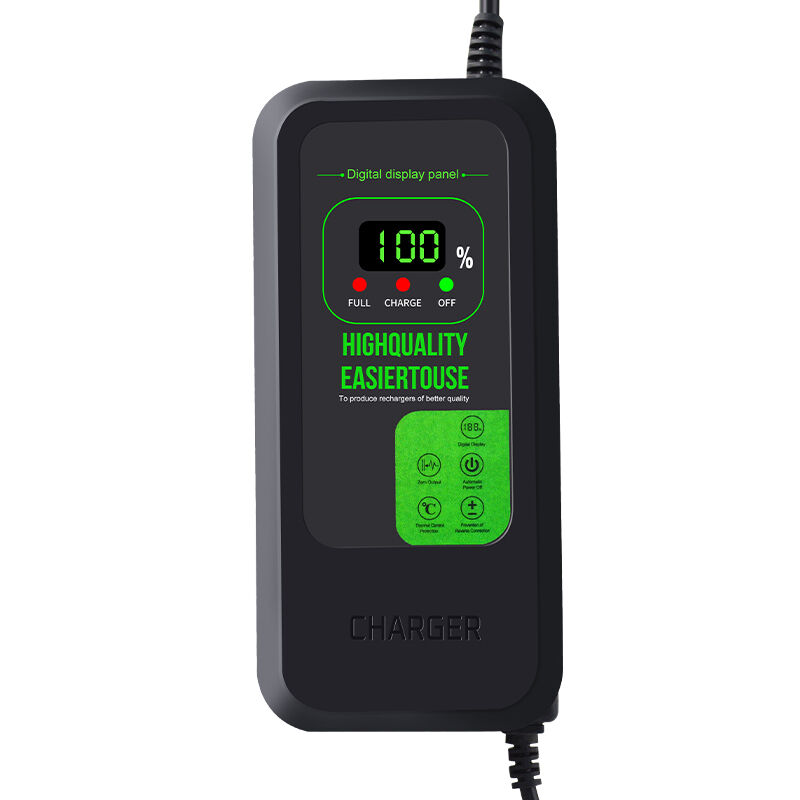
Universal compatibility represents one of the most significant advantages of modern ebike battery charging systems, eliminating the frustration and expense associated with proprietary charging solutions. This comprehensive compatibility ensures that riders can confidently invest in charging infrastructure knowing their equipment will work across different ebike brands and battery configurations. The standardization of charging protocols has created an ecosystem where charging an ebike battery becomes as simple and universal as charging common electronic devices. Modern charging systems support multiple voltage configurations, automatically detecting and adapting to different battery specifications ranging from 24V to 52V systems commonly found in contemporary electric bicycles. This intelligent voltage detection eliminates the guesswork and potential damage associated with using incorrect chargers, while providing optimal charging performance regardless of battery specifications. The convenience features integrated into these systems transform the charging experience from a mundane necessity into a seamless part of daily routines. Lightweight, portable charger designs enable riders to easily transport charging equipment for workplace charging, travel applications, or emergency power restoration during extended rides. Quick-disconnect charging ports facilitate rapid connection and removal, reducing wear on charging components while enabling efficient battery swapping for riders who maintain multiple battery packs. LED status indicators provide immediate visual feedback about charging progress, displaying different colors and patterns to indicate various charging stages from initial connection through completion. Many systems incorporate audible alerts that notify users when charging cycles are complete, preventing overcharging while ensuring batteries are ready when needed. The integration of multiple charging modes accommodates different usage scenarios, including maintenance charging for long-term storage, rapid charging for quick power boosts, and standard charging for overnight restoration. These modes automatically optimize charging parameters to balance speed, efficiency, and battery longevity based on specific requirements. Cable management features including retractable cords and integrated storage compartments keep charging stations organized while preventing cable damage from repeated use. Weather-resistant designs enable outdoor charging applications, expanding installation options for riders who lack convenient indoor charging locations.
Cost-Effective Long-Term Power Management

Cost-Effective Long-Term Power Management

The economic benefits of proper ebike battery charging extend far beyond the initial investment, delivering substantial long-term savings that make electric bicycle ownership increasingly attractive compared to traditional transportation alternatives. Strategic charging practices significantly reduce the total cost of ownership by maximizing battery lifespan through optimal power management techniques that prevent premature degradation. When charging an ebike battery using efficient methods and appropriate charging schedules, riders can expect their battery investments to provide reliable service for five to seven years under normal usage conditions. This longevity represents exceptional value considering the thousands of charging cycles and miles of transportation provided throughout the battery's operational life. The direct operational costs of charging represent a fraction of traditional vehicle fuel expenses, with typical charging sessions consuming between 0.4 to 0.8 kilowatt-hours of electricity depending on battery capacity and charge level. At average residential electricity rates, this translates to charging costs of just three to eight cents per session, enabling hundreds of miles of transportation for less than the cost of a single gallon of gasoline. Smart charging features enhance these economic benefits by automatically scheduling charging during off-peak electricity hours when utility rates are lowest, further reducing operational expenses for cost-conscious riders. The ability to monitor charging efficiency through integrated analytics helps identify opportunities for additional savings by optimizing charging patterns and identifying any degradation in charging performance that might indicate maintenance needs. Preventive charging practices enabled by advanced charging systems help avoid costly battery replacements by maintaining optimal battery health throughout the ownership period. These systems automatically balance cell voltages, prevent deep discharge conditions, and manage charging temperatures to minimize stress on battery components. The economic impact extends beyond direct charging costs to include reduced maintenance expenses compared to internal combustion vehicles, elimination of registration and insurance requirements in many jurisdictions, and potential tax incentives for electric vehicle adoption. Investment in quality charging infrastructure pays dividends through improved reliability, reduced downtime, and enhanced resale value for electric bicycles equipped with well-maintained battery systems. The modular nature of modern charging systems allows for future upgrades and expansion without requiring complete system replacement, protecting the initial investment while enabling adoption of new charging technologies as they become available.

Get a Free Quote

Our representative will contact you soon.
Email
Name
Company Name
Message
0/1000