Electric Vehicle Lithium Ion Battery Technology: Complete Guide to Advanced EV Power Systems

Get a Free Quote

Our representative will contact you soon.
Email
Name
Company Name
Message
0/1000

electric vehicle lithium ion battery

The electric vehicle lithium ion battery represents a revolutionary advancement in automotive energy storage technology, serving as the cornerstone of modern electric transportation. This sophisticated power system functions as the primary energy source for electric vehicles, converting stored chemical energy into electrical power that drives the motor and supports all vehicle operations. The electric vehicle lithium ion battery consists of multiple cells arranged in modules and packs, creating a high-voltage system capable of delivering substantial power while maintaining efficiency and safety standards. The main function of the electric vehicle lithium ion battery extends beyond simple energy storage, encompassing power management, thermal regulation, and integration with vehicle control systems. These batteries feature advanced battery management systems that monitor cell voltage, temperature, and current flow to optimize performance and prevent damage. The technological features of the electric vehicle lithium ion battery include high energy density, allowing vehicles to travel extended distances on a single charge, and rapid charging capabilities that reduce downtime significantly. Modern electric vehicle lithium ion battery designs incorporate sophisticated cooling systems, robust safety mechanisms, and intelligent charging protocols that adapt to various conditions. Applications for the electric vehicle lithium ion battery span across numerous vehicle categories, from compact city cars to heavy-duty commercial trucks, marine vessels, and industrial equipment. The versatility of the electric vehicle lithium ion battery technology enables manufacturers to customize solutions for specific applications, whether prioritizing range, power output, or charging speed. These batteries also support regenerative braking systems, capturing energy during deceleration and storing it for future use, thereby enhancing overall vehicle efficiency and extending driving range.
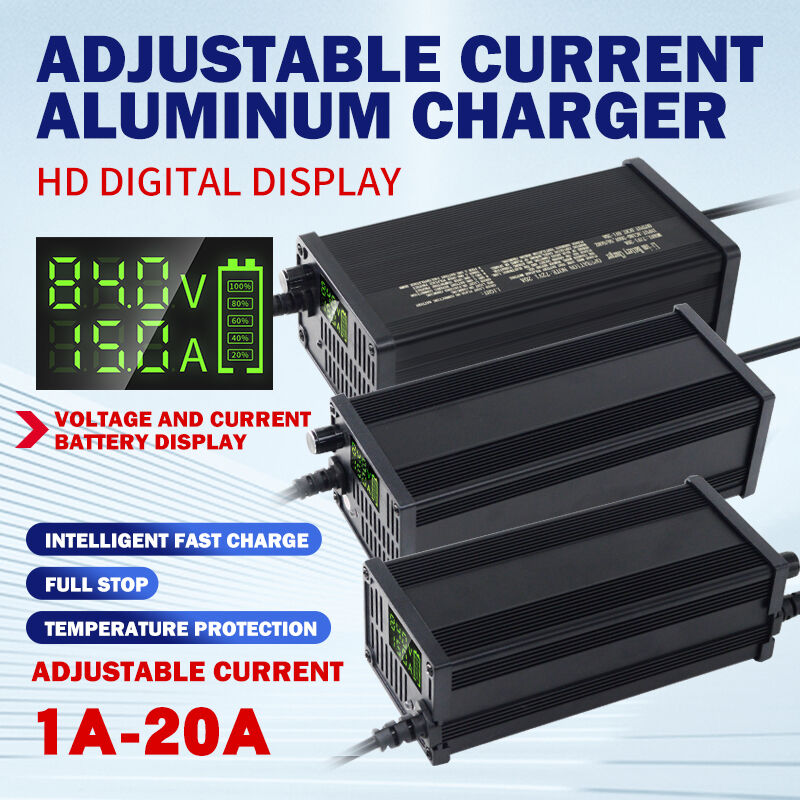

New Product Recommendations

The electric vehicle lithium ion battery delivers exceptional advantages that transform the driving experience and provide substantial long-term benefits for vehicle owners. First, these batteries offer remarkable energy efficiency, converting over 90 percent of stored energy into usable power, compared to traditional combustion engines that waste approximately 70 percent of fuel energy as heat. This efficiency translates directly into lower operating costs, as electricity costs significantly less per mile than gasoline or diesel fuel. The electric vehicle lithium ion battery requires minimal maintenance compared to conventional powertrains, eliminating the need for oil changes, spark plug replacements, transmission services, and many other routine maintenance procedures that burden traditional vehicle owners with recurring expenses. Environmental benefits represent another compelling advantage, as the electric vehicle lithium ion battery produces zero direct emissions during operation, contributing to cleaner air quality in urban areas and reducing overall carbon footprint when paired with renewable energy sources for charging. Performance characteristics of the electric vehicle lithium ion battery provide instant torque delivery, enabling smooth and responsive acceleration that surpasses many conventional vehicles. The quiet operation of electric vehicle lithium ion battery systems creates a peaceful driving environment, reducing noise pollution in communities while enhancing passenger comfort. Charging convenience continues to improve as infrastructure expands, allowing owners to charge at home overnight or utilize fast-charging networks during travel. The electric vehicle lithium ion battery technology supports smart charging features that optimize energy costs by scheduling charging during off-peak electricity rates. Safety features built into modern electric vehicle lithium ion battery systems include multiple protection layers against overcharging, overheating, and physical damage, often making electric vehicles statistically safer than conventional vehicles. Additionally, the electric vehicle lithium ion battery enables innovative features like vehicle-to-grid technology, allowing cars to supply power back to homes during outages or peak demand periods, creating additional value for owners.

Latest News

Tianchang Chaochen Electronic Technology Co., LTD. : Showcasing strength at the Canton Fair and empowering global new energy cooperation

26

Nov

Tianchang Chaochen Electronic Technology Co., LTD. : Showcasing strength at the Canton Fair and empowering global new energy cooperation

View More
Empower growth and move forward hand in hand

13

Nov

Empower growth and move forward hand in hand

View More
Article: Company Team-building

13

Nov

Article: Company Team-building

View More

Get a Free Quote

Our representative will contact you soon.
Email
Name
Company Name
Message
0/1000

electric vehicle lithium ion battery

Advanced Energy Management and Intelligent Control Systems

Advanced Energy Management and Intelligent Control Systems

The electric vehicle lithium ion battery incorporates sophisticated energy management systems that revolutionize how vehicles monitor, control, and optimize power distribution throughout the entire driving experience. These intelligent control systems represent a quantum leap beyond traditional automotive technology, providing real-time analysis of battery performance, environmental conditions, and driving patterns to maximize efficiency and longevity. The battery management system within each electric vehicle lithium ion battery continuously monitors thousands of individual cells, tracking voltage levels, temperature variations, and current flow with precision that ensures optimal performance under all conditions. This advanced monitoring capability prevents overcharging, deep discharge, and thermal runaway situations that could compromise safety or reduce battery lifespan. The electric vehicle lithium ion battery system communicates seamlessly with vehicle computers to predict energy needs based on route planning, weather conditions, and driver behavior patterns, automatically adjusting power distribution to extend range and optimize performance. Regenerative braking integration allows the electric vehicle lithium ion battery to capture and store energy that would otherwise be lost during deceleration, effectively turning every stop into an opportunity to recharge. The intelligent thermal management system maintains optimal operating temperatures through liquid cooling or air circulation, ensuring the electric vehicle lithium ion battery performs consistently regardless of external weather conditions. Predictive maintenance algorithms analyze battery health trends and alert owners to potential issues before they become problems, reducing unexpected failures and extending overall system life. Remote monitoring capabilities enable manufacturers to track electric vehicle lithium ion battery performance across entire fleets, continuously improving designs and providing over-the-air updates that enhance functionality. These sophisticated control systems also enable features like pre-conditioning, where the electric vehicle lithium ion battery can warm or cool the cabin while still connected to grid power, preserving battery energy for driving while ensuring passenger comfort from the moment of departure.
Exceptional Charging Flexibility and Infrastructure Compatibility

Exceptional Charging Flexibility and Infrastructure Compatibility

Modern electric vehicle lithium ion battery technology offers unprecedented charging flexibility that adapts to diverse lifestyle needs and infrastructure capabilities, making electric vehicle ownership more convenient than ever before. The versatility of electric vehicle lithium ion battery charging systems accommodates everything from standard household outlets to ultra-fast commercial charging stations, providing options that suit various situations and timeframes. Level 1 charging through standard electrical outlets allows electric vehicle lithium ion battery systems to replenish energy slowly overnight, perfect for daily commuters who park at home and need minimal range restoration between trips. Level 2 charging stations, commonly installed in homes, workplaces, and public locations, can fully charge most electric vehicle lithium ion battery systems within 4-8 hours, making them ideal for routine charging needs. DC fast charging technology enables electric vehicle lithium ion battery systems to accept high-power input that can restore 80 percent capacity in 30-45 minutes, revolutionizing long-distance travel possibilities for electric vehicles. The electric vehicle lithium ion battery incorporates advanced charging protocols that communicate with charging infrastructure to optimize power delivery rates, automatically adjusting current flow to prevent overheating while maximizing charging speed. Smart charging features allow electric vehicle lithium ion battery systems to schedule charging during off-peak electricity hours, reducing costs while supporting grid stability. Bidirectional charging capability in advanced electric vehicle lithium ion battery designs enables vehicle-to-home and vehicle-to-grid functionality, allowing the battery to serve as backup power during outages or sell energy back to utilities during peak demand periods. Wireless charging technology compatibility in newer electric vehicle lithium ion battery systems eliminates the need for physical connections, enabling automatic charging when parked over inductive charging pads. The robust design of electric vehicle lithium ion battery systems ensures compatibility with various charging standards worldwide, making international travel with electric vehicles increasingly practical and convenient for adventurous drivers.
Superior Safety Architecture and Protection Systems

Superior Safety Architecture and Protection Systems

The electric vehicle lithium ion battery incorporates multiple layers of safety architecture that exceed automotive industry standards, providing comprehensive protection for passengers, vehicles, and surrounding infrastructure through innovative design and rigorous testing protocols. Each electric vehicle lithium ion battery system undergoes extensive safety validation including crash testing, thermal abuse testing, and electrical fault simulation to ensure reliable performance under extreme conditions. The structural design of electric vehicle lithium ion battery packs features reinforced housing with crumple zones that protect cells during collisions while maintaining passenger compartment integrity. Advanced fire suppression systems within electric vehicle lithium ion battery enclosures can detect and suppress thermal events before they escalate, using specialized cooling agents and ventilation systems to manage heat dissipation safely. Multiple redundant safety circuits monitor electric vehicle lithium ion battery operations continuously, automatically disconnecting power in emergency situations and isolating damaged sections to prevent cascading failures. The electric vehicle lithium ion battery includes sophisticated fault detection algorithms that identify potential problems milliseconds before they occur, triggering protective measures that prevent dangerous conditions from developing. Electrical isolation systems ensure that high-voltage components within the electric vehicle lithium ion battery remain separated from vehicle chassis and passenger areas, preventing shock hazards during normal operation and emergency situations. Impact sensors integrated throughout electric vehicle lithium ion battery packs communicate with vehicle safety systems to coordinate emergency responses, automatically notifying first responders and providing critical information about battery status during accidents. The chemical composition of modern electric vehicle lithium ion battery cells incorporates safer materials and additives that reduce flammability and toxic gas emissions compared to earlier battery technologies. Comprehensive testing protocols for electric vehicle lithium ion battery systems include exposure to extreme temperatures, vibration, humidity, and electrical stress that far exceed normal operating conditions, ensuring reliable performance throughout the vehicle lifecycle. Regular software updates for electric vehicle lithium ion battery management systems incorporate the latest safety improvements and protective algorithms, continuously enhancing safety features without requiring hardware modifications or service visits.

Get a Free Quote

Our representative will contact you soon.
Email
Name
Company Name
Message
0/1000