Premium Lithium Ion Car Battery Charger - Fast, Safe & Smart Charging Solutions

Get a Free Quote

Our representative will contact you soon.
Email
Name
Company Name
Message
0/1000

lithium ion car battery charger

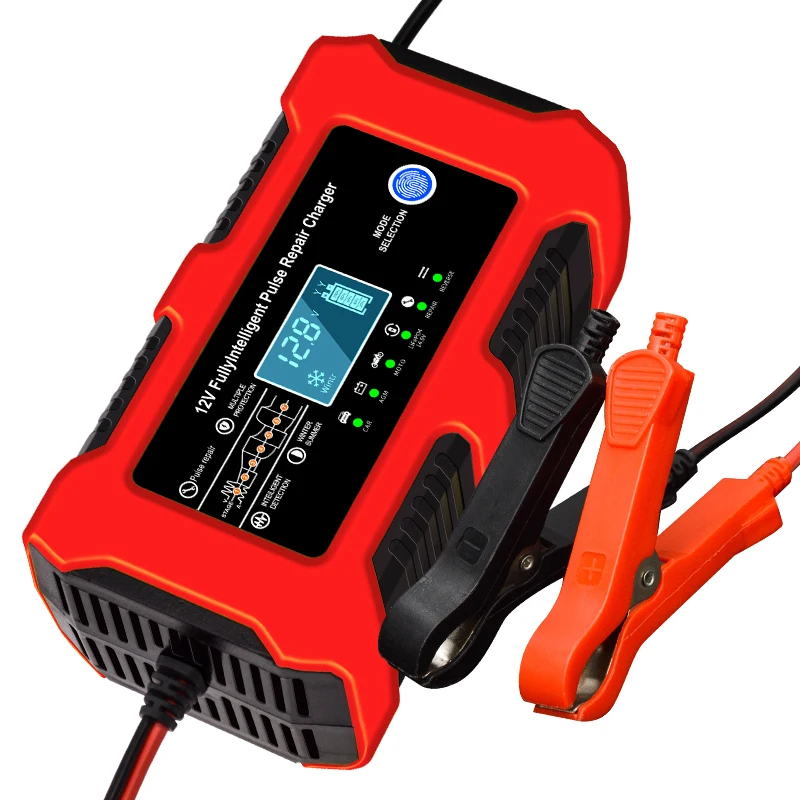
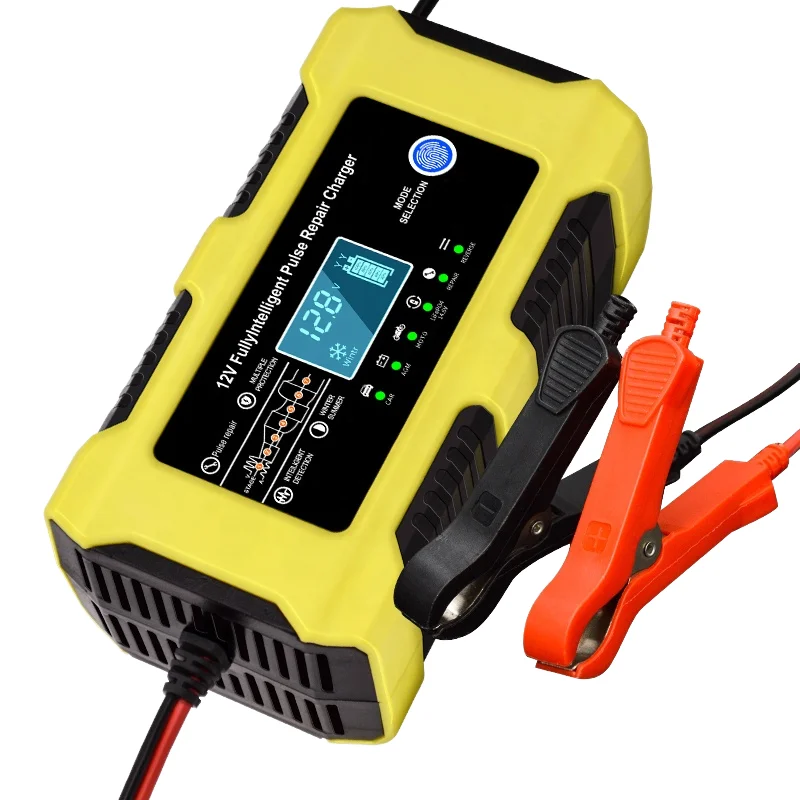
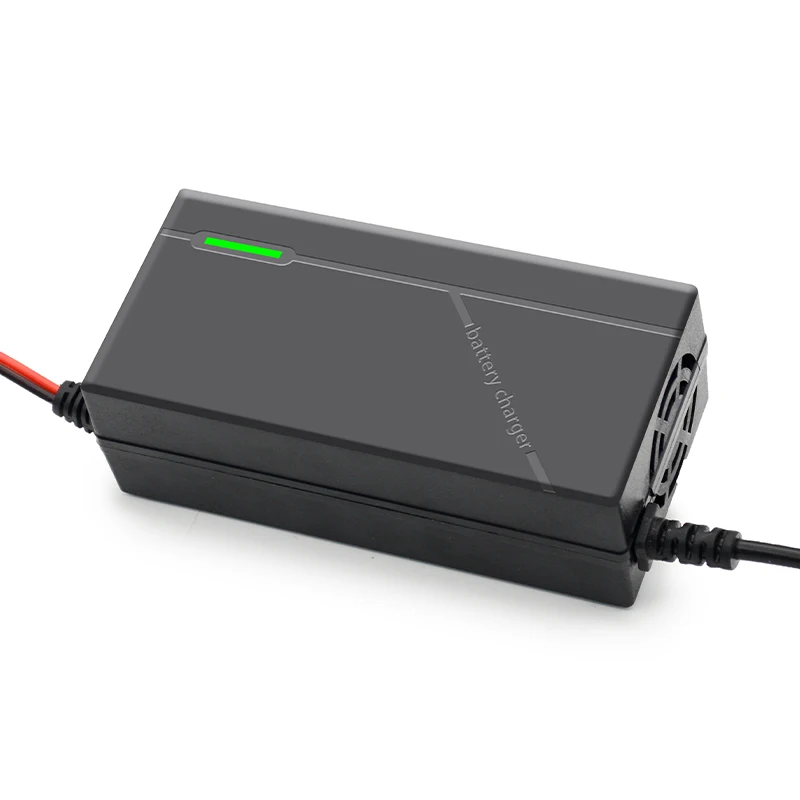
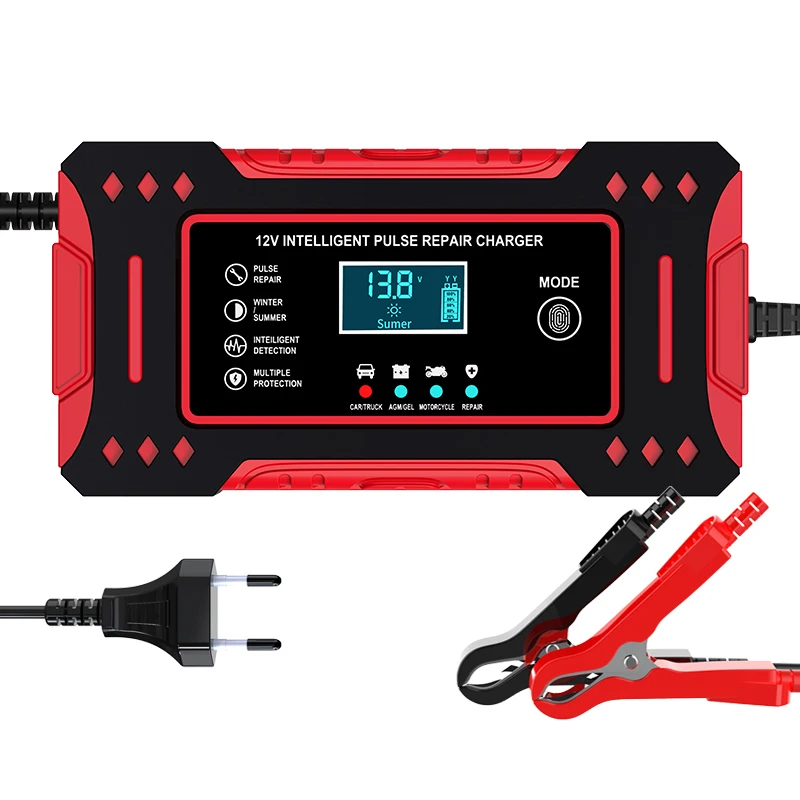
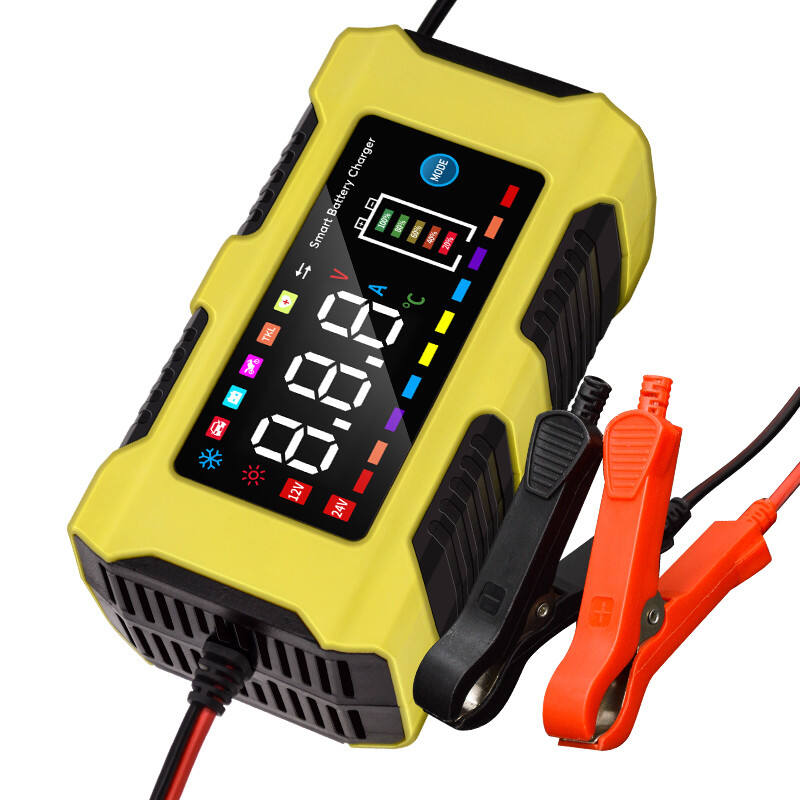
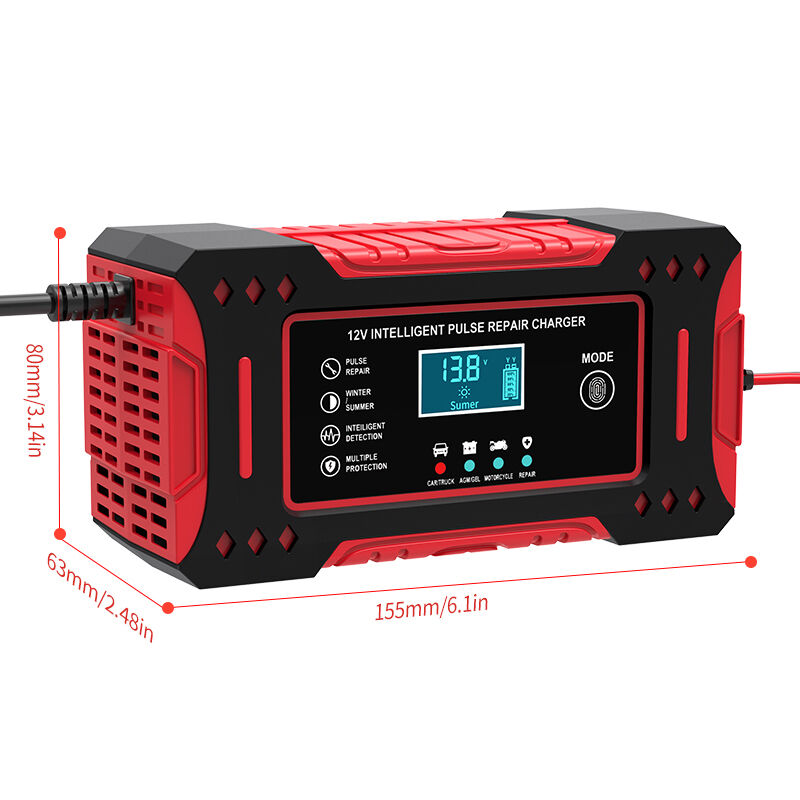
A lithium ion car battery charger represents a sophisticated charging solution designed specifically for modern electric and hybrid vehicles. This advanced charging system delivers power efficiently to lithium-ion battery packs, which serve as the primary energy storage component in contemporary automotive applications. The lithium ion car battery charger incorporates intelligent charging algorithms that monitor battery conditions, temperature, and voltage levels to ensure optimal charging performance while preventing overcharging or thermal damage. These chargers feature multiple charging modes, including fast charging capabilities that can replenish battery capacity significantly faster than traditional charging methods. The technological architecture of a lithium ion car battery charger includes power conversion circuits, safety monitoring systems, and communication interfaces that enable seamless integration with vehicle battery management systems. Advanced models incorporate smart connectivity features, allowing users to monitor charging progress remotely through mobile applications or web interfaces. The charging process involves converting alternating current from electrical outlets into direct current suitable for battery storage, while maintaining precise voltage and current control throughout the charging cycle. Modern lithium ion car battery charger units often include adaptive charging profiles that adjust charging parameters based on battery age, ambient temperature, and usage patterns. Safety features constitute a critical component, with built-in protection against overcurrent, overvoltage, short circuits, and reverse polarity connections. The charger's compatibility extends across various lithium-ion battery chemistries commonly used in automotive applications, including lithium iron phosphate, lithium cobalt oxide, and lithium nickel manganese cobalt configurations. Installation flexibility allows for both portable and fixed mounting options, accommodating diverse user requirements and vehicle configurations. The charging efficiency typically exceeds 90 percent, minimizing energy waste during the charging process while reducing operational costs for vehicle owners.
New Product Recommendations

The lithium ion car battery charger offers substantial advantages that make it an essential investment for electric and hybrid vehicle owners. First, these chargers provide remarkable charging speed compared to standard charging solutions, reducing downtime and increasing vehicle availability for daily use. Users can expect charging times that are 50 to 70 percent faster than conventional chargers, enabling quick top-ups during short stops or complete charges in significantly reduced timeframes. The intelligent charging technology built into these systems protects your valuable battery investment by preventing common causes of battery degradation, such as overcharging, excessive heat buildup, and voltage irregularities. This protection translates directly into extended battery lifespan, often doubling or tripling the expected service life compared to batteries charged with basic charging equipment. Cost savings represent another compelling advantage, as efficient charging reduces electricity consumption while smart scheduling features allow users to take advantage of off-peak electricity rates. The charger's ability to monitor and optimize charging patterns based on usage habits helps minimize energy waste, resulting in lower monthly electricity bills. Safety improvements make these chargers particularly valuable for both residential and commercial applications. Multiple protection layers prevent electrical hazards, fire risks, and equipment damage through continuous monitoring of charging conditions. Users gain peace of mind knowing that their charging equipment meets stringent safety standards and includes failsafe mechanisms that automatically shut down charging if anomalies are detected. Convenience features enhance the user experience through smartphone connectivity, allowing remote monitoring and control of charging sessions. Users can start, stop, or schedule charging remotremotely, receive notifications when charging completes, and track energy consumption patterns over time. The versatility of modern lithium ion car battery charger units accommodates multiple vehicle types and battery configurations, making them suitable for households with different electric or hybrid vehicles. Weather resistance and durability ensure reliable operation in various environmental conditions, from extreme heat to freezing temperatures. Installation simplicity allows most users to set up their charging equipment without professional assistance, while comprehensive warranty coverage provides additional protection for the investment.

Tips And Tricks

Tianchang Chaochen Electronic Technology Co., LTD. : Showcasing strength at the Canton Fair and empowering global new energy cooperation

26

Nov

Tianchang Chaochen Electronic Technology Co., LTD. : Showcasing strength at the Canton Fair and empowering global new energy cooperation

View More
Empower growth and move forward hand in hand

13

Nov

Empower growth and move forward hand in hand

View More
Article: Company Team-building

13

Nov

Article: Company Team-building

View More

Get a Free Quote

Our representative will contact you soon.
Email
Name
Company Name
Message
0/1000

lithium ion car battery charger

Advanced Smart Charging Technology

Advanced Smart Charging Technology

The cornerstone of any premium lithium ion car battery charger lies in its advanced smart charging technology, which revolutionizes how electric and hybrid vehicles receive power. This sophisticated system employs microprocessor-controlled algorithms that continuously analyze battery conditions in real-time, making instantaneous adjustments to charging parameters for optimal performance. The technology monitors critical factors including cell voltage, temperature, internal resistance, and charge acceptance rates, creating a dynamic charging profile tailored to each specific battery's current state and needs. Unlike traditional chargers that apply constant voltage or current throughout the charging cycle, smart charging technology adapts its approach based on the battery's chemistry, age, and environmental conditions. This adaptive methodology significantly reduces charging time while maximizing battery health and longevity. The system implements multi-stage charging protocols, beginning with a bulk charging phase for rapid energy transfer, transitioning to absorption charging for complete capacity filling, and concluding with maintenance charging to keep the battery at optimal levels. Temperature compensation features automatically adjust charging voltage based on ambient and battery temperatures, preventing thermal stress that can permanently damage lithium-ion cells. The charger's learning capabilities enable it to recognize usage patterns and battery characteristics over time, continuously refining its charging strategy for improved efficiency and battery preservation. Advanced diagnostics built into the smart charging system can identify potential battery issues before they become serious problems, alerting users to maintenance needs or performance degradation. The technology also includes power factor correction and harmonic filtering to ensure clean, stable power delivery that protects both the battery and the electrical grid. Communication protocols allow the lithium ion car battery charger to interface directly with vehicle battery management systems, sharing critical information that enhances charging safety and effectiveness. This integration enables features such as pre-conditioning, where the charger can prepare the battery for optimal charging conditions before power transfer begins.
Comprehensive Safety Protection Systems

Comprehensive Safety Protection Systems

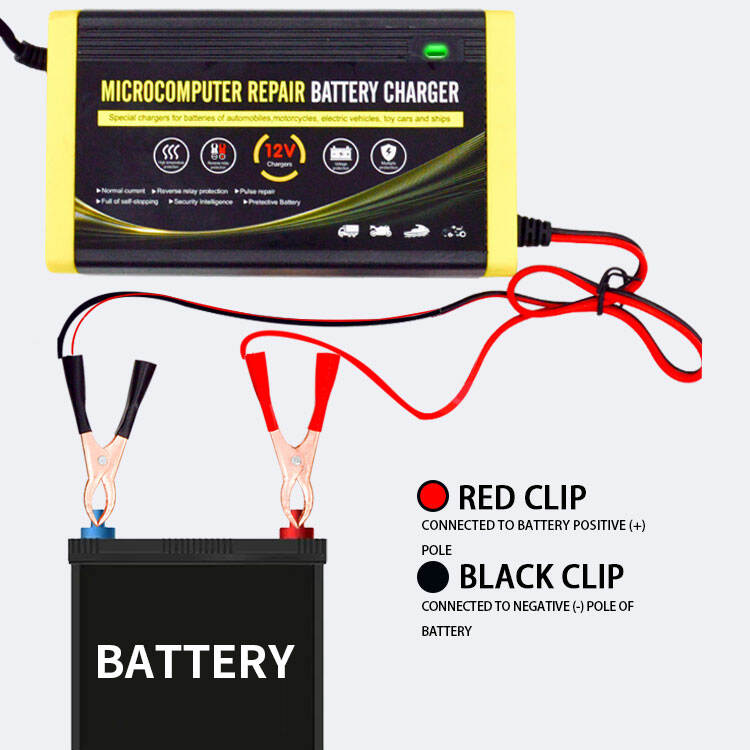
Safety remains the paramount concern in lithium ion car battery charger design, with comprehensive protection systems that safeguard users, vehicles, and property from potential electrical hazards. These sophisticated safety mechanisms operate on multiple levels, creating redundant protection layers that ensure secure charging operations under all conditions. Overcurrent protection represents the first line of defense, continuously monitoring amperage flow and immediately interrupting power if current levels exceed safe parameters. This prevents wire overheating, component damage, and potential fire hazards that could result from electrical faults or equipment malfunctions. Overvoltage protection works in tandem with current monitoring, detecting voltage spikes or irregularities that could damage sensitive battery cells or vehicle electronics. The system responds within milliseconds to voltage anomalies, automatically disconnecting power and preventing costly damage to expensive lithium-ion battery packs. Ground fault circuit interruption technology provides critical protection against electrical shock hazards, particularly important in residential and public charging environments where users regularly handle charging connectors. Arc fault detection capabilities identify dangerous electrical arcing conditions that could ignite fires, automatically shutting down charging operations when such conditions are detected. Temperature monitoring systems track both ambient conditions and charger component temperatures, preventing overheating that could compromise safety or performance. Thermal protection includes automatic cooling fan activation, power reduction protocols, and complete shutdown procedures if safe operating temperatures are exceeded. The lithium ion car battery charger incorporates surge protection to defend against power grid fluctuations, lightning strikes, and other electrical disturbances that could damage connected equipment. Short circuit protection provides instantaneous disconnection when dangerous fault conditions are detected, preventing equipment damage and fire hazards. Reverse polarity protection prevents damage when charging cables are connected incorrectly, automatically detecting improper connections and refusing to initiate charging until corrections are made. Emergency stop functionality allows users to immediately halt charging operations through manual intervention or automated safety system activation. Certification compliance ensures that all safety systems meet or exceed international electrical safety standards, providing users with confidence in their equipment's reliability and safety performance.
Energy Efficiency and Cost Optimization

Energy Efficiency and Cost Optimization

Modern lithium ion car battery charger units excel in energy efficiency and cost optimization, delivering substantial long-term savings while minimizing environmental impact through advanced power management technologies. These chargers achieve efficiency ratings typically exceeding 94 percent, meaning that nearly all electrical energy drawn from the grid is successfully transferred to the vehicle's battery rather than being lost as waste heat. This exceptional efficiency results from sophisticated power conversion circuits that minimize energy losses during the AC to DC transformation process, utilizing high-frequency switching technology and premium components designed for maximum energy transfer. The cost benefits extend beyond simple efficiency gains through intelligent load management features that automatically adjust charging schedules to take advantage of time-of-use electricity rates. Many utility companies offer significantly reduced rates during off-peak hours, and the lithium ion car battery charger can be programmed to delay charging until these lower-cost periods begin, resulting in monthly savings of 30 to 50 percent on charging costs. Power factor correction technology ensures that the charger draws clean, efficient power from the electrical grid, reducing reactive power consumption that can result in additional utility charges for commercial users. Demand response capabilities allow the charger to participate in utility grid management programs, potentially earning credits or rebates while supporting electrical grid stability. Smart scheduling algorithms optimize charging patterns based on user preferences, electricity rates, and grid conditions, automatically calculating the most cost-effective charging strategy for each session. Energy monitoring and reporting features provide detailed insights into power consumption patterns, helping users identify opportunities for additional savings and track their environmental impact over time. The charger's ability to deliver precise power control eliminates the energy waste associated with overcharging, while battery conditioning features help maintain optimal battery performance that reduces the frequency of expensive battery replacements. Variable charging rates allow users to balance charging speed with energy costs, selecting slower charging during peak rate periods or faster charging when electricity prices are favorable. Integration with renewable energy sources, such as solar panels or wind generators, maximizes the use of clean, free energy while reducing dependence on grid electricity. These systems can automatically prioritize renewable energy when available, switching to grid power only when necessary to complete charging requirements.

Get a Free Quote

Our representative will contact you soon.
Email
Name
Company Name
Message
0/1000