Complete Guide to Charging Golf Cart with 12 Volt Charger - Expert Tips & Benefits

Get a Free Quote

Our representative will contact you soon.
Email
Name
Company Name
Message
0/1000

charging a golf cart with a 12 volt charger

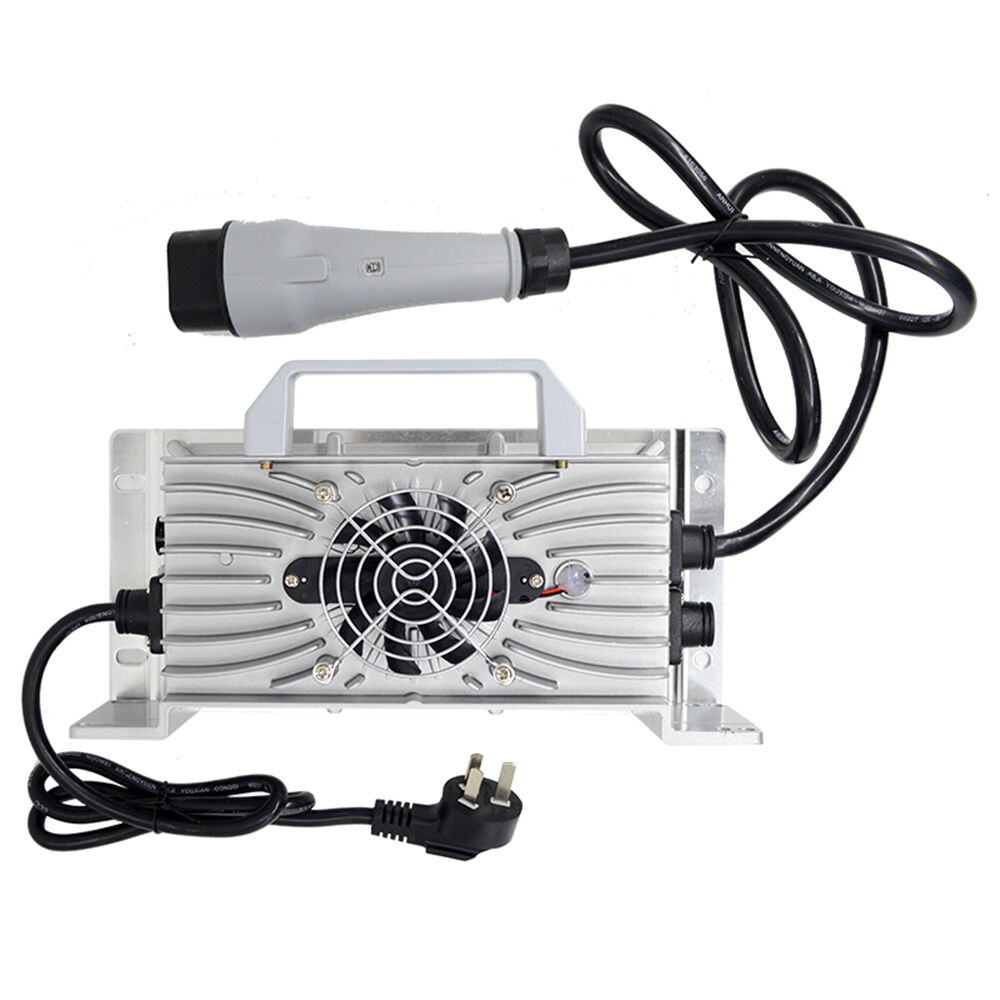
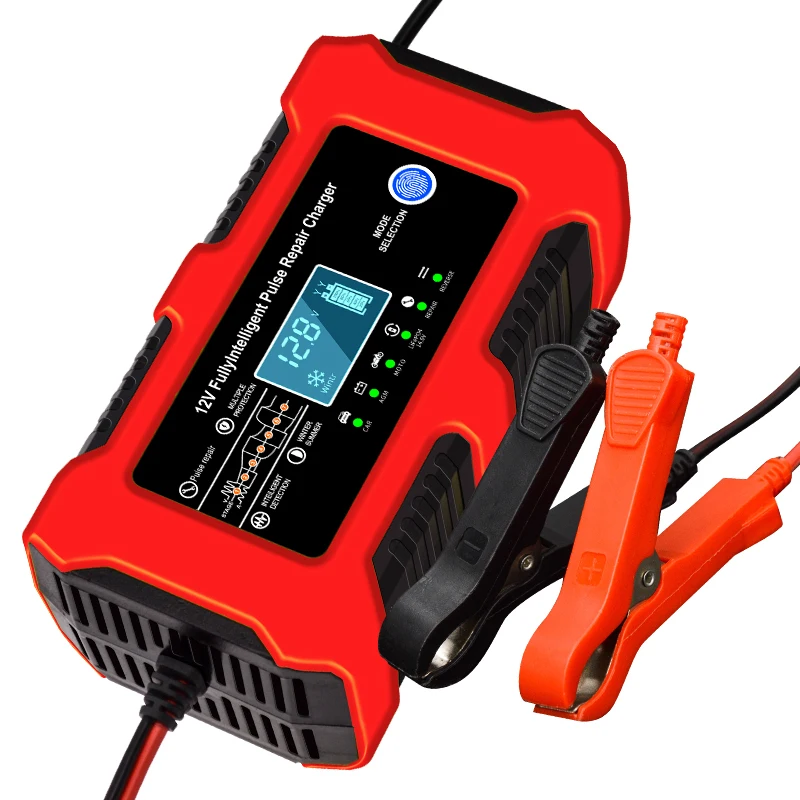
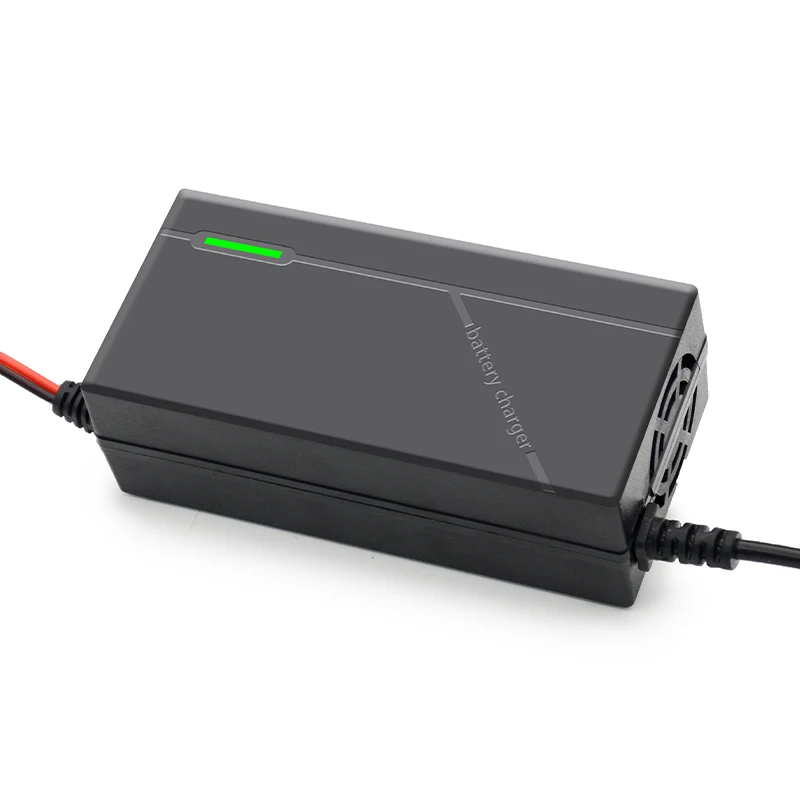
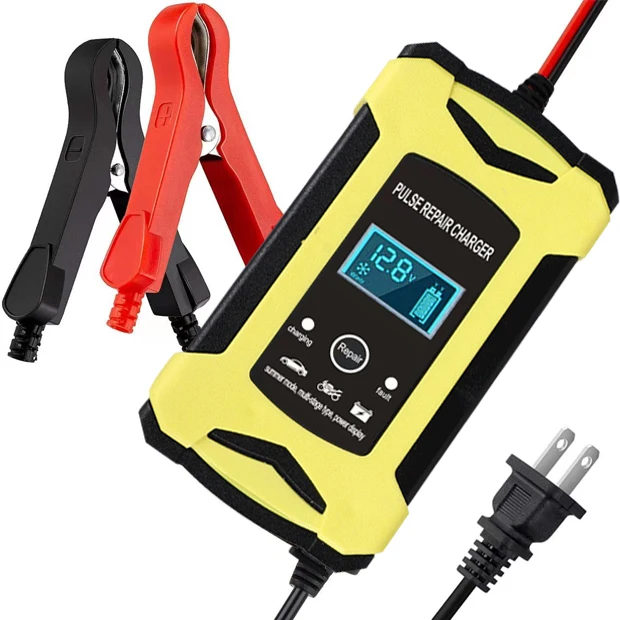
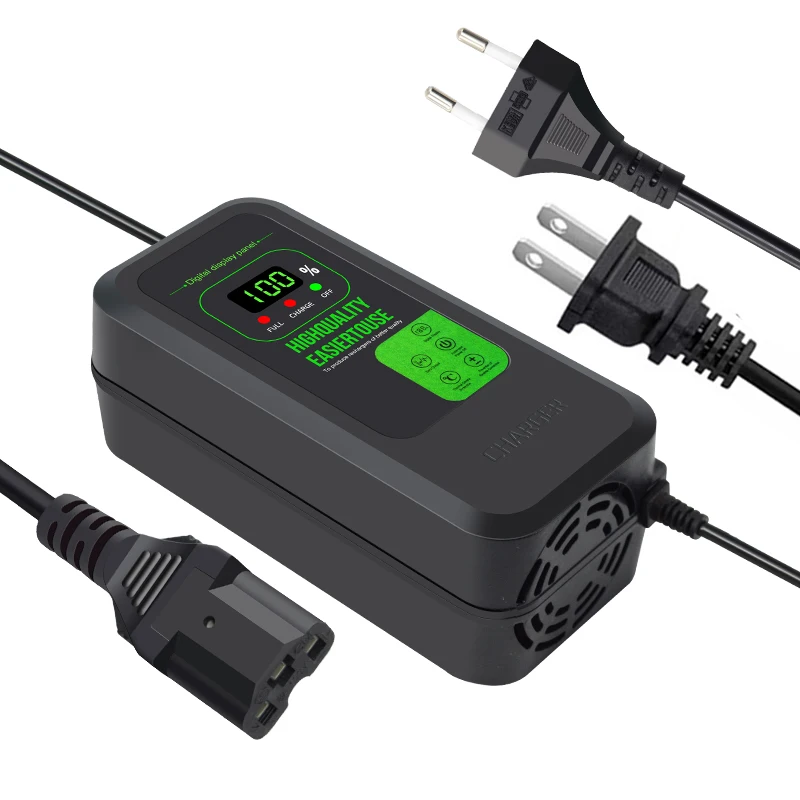
Charging a golf cart with a 12 volt charger represents a crucial maintenance aspect for golf cart owners who want to ensure reliable performance and extended battery life. This charging method involves using specialized 12-volt charging equipment designed to safely and efficiently restore power to golf cart battery systems. The primary function of charging a golf cart with a 12 volt charger centers on converting AC power from standard electrical outlets into the appropriate DC voltage and amperage required by golf cart batteries. Modern 12-volt chargers incorporate sophisticated microprocessor technology that monitors battery condition, adjusts charging rates automatically, and prevents overcharging damage. These chargers typically feature multiple charging stages including bulk charging, absorption, and float maintenance modes. The bulk charging phase rapidly restores approximately 80 percent of battery capacity, while the absorption stage carefully completes the charging process to full capacity. Float mode maintains optimal charge levels during storage periods. Technological features include LED indicator systems that display charging progress, automatic shut-off mechanisms, reverse polarity protection, and temperature compensation capabilities. Many units offer compatibility with various battery types including flooded lead-acid, AGM, and gel cell batteries commonly found in golf carts. Applications extend beyond golf courses to include residential properties, RV parks, maintenance facilities, and commercial operations where golf carts serve transportation needs. The charging process typically requires 6-12 hours depending on battery capacity and discharge level. Proper charging a golf cart with a 12 volt charger ensures batteries maintain peak performance, extends operational range, and prevents premature battery replacement costs. Safety features prevent electrical hazards while user-friendly designs accommodate operators with varying technical expertise levels.

New Product Recommendations

Charging a golf cart with a 12 volt charger delivers numerous practical advantages that directly benefit golf cart owners and operators. Cost efficiency represents a primary advantage as proper charging extends battery lifespan significantly, reducing expensive replacement expenses. Regular charging a golf cart with a 12 volt charger maintains battery capacity at optimal levels, ensuring maximum operational range per charge cycle. This enhanced performance translates to fewer mid-round battery failures and improved user satisfaction. Convenience plays a major role in the appeal of modern 12-volt charging systems. These chargers plug into standard household outlets, eliminating the need for specialized electrical installations or professional setup services. Automatic charging features allow users to connect the charger and forget about it, as intelligent systems handle the entire charging process safely. Time savings become apparent through efficient charging algorithms that restore battery power faster than older charging methods. Smart charging technology prevents overcharging damage that traditionally shortened battery life and required costly repairs. Reliability improvements stem from consistent charging patterns that maintain battery health over extended periods. Users experience fewer unexpected power failures and enjoy dependable golf cart performance throughout the battery's service life. Environmental benefits emerge through extended battery longevity, reducing the frequency of battery disposal and replacement. Energy efficiency features in modern chargers consume less electricity while delivering superior charging results. Safety advantages include automatic shut-off systems, spark-proof connections, and protection against electrical hazards. Versatility allows charging a golf cart with a 12 volt charger in various locations including garages, storage facilities, and outdoor areas with weather-resistant models. Maintenance reduction occurs as proper charging minimizes battery sulfation and other deterioration issues that require professional service. Investment protection results from maximizing the return on expensive battery systems through optimal charging practices that preserve battery value and performance over time.

Latest News

Tianchang Chaochen Electronic Technology Co., LTD. : Showcasing strength at the Canton Fair and empowering global new energy cooperation

26

Nov

Tianchang Chaochen Electronic Technology Co., LTD. : Showcasing strength at the Canton Fair and empowering global new energy cooperation

View More
Empower growth and move forward hand in hand

13

Nov

Empower growth and move forward hand in hand

View More
Article: Company Team-building

13

Nov

Article: Company Team-building

View More

Get a Free Quote

Our representative will contact you soon.
Email
Name
Company Name
Message
0/1000

charging a golf cart with a 12 volt charger

Advanced Microprocessor Technology for Optimal Battery Care

Advanced Microprocessor Technology for Optimal Battery Care

The integration of advanced microprocessor technology in charging a golf cart with a 12 volt charger represents a revolutionary advancement that transforms traditional battery maintenance approaches. This sophisticated electronic brain continuously monitors multiple battery parameters including voltage, current flow, temperature, and internal resistance to determine the precise charging requirements at any given moment. Unlike simple chargers that deliver constant voltage regardless of battery condition, microprocessor-controlled units adapt their output in real-time to match the specific needs of the battery system. This intelligent approach prevents the common problems associated with overcharging, such as electrolyte loss, plate warping, and premature battery failure. The microprocessor orchestrates a multi-stage charging process that begins with bulk charging to rapidly restore approximately 80 percent of battery capacity, transitions to absorption mode for careful completion of the charging cycle, and concludes with float maintenance to preserve optimal charge levels during extended storage periods. Temperature compensation features adjust charging parameters based on ambient conditions, ensuring optimal performance in varying weather conditions. This technology recognizes different battery types and automatically configures charging profiles for flooded lead-acid, AGM, or gel cell batteries commonly found in golf cart applications. The system's diagnostic capabilities identify potential battery issues early, alerting users to maintenance needs before costly failures occur. Memory functions retain charging history and battery performance data, enabling predictive maintenance scheduling that maximizes battery investment returns. Safety protocols embedded in the microprocessor prevent dangerous situations such as reverse polarity connections, short circuits, and thermal runaway conditions. This advanced technology essentially provides professional-grade battery care that was previously available only through expensive commercial charging systems, making optimal battery maintenance accessible to individual golf cart owners and small fleet operators.
Multi-Stage Charging Process for Maximum Battery Longevity

Multi-Stage Charging Process for Maximum Battery Longevity

The multi-stage charging process employed when charging a golf cart with a 12 volt charger delivers superior battery care through a scientifically designed approach that mimics the natural charging preferences of lead-acid battery chemistry. This sophisticated method contrasts sharply with primitive charging systems that simply apply constant voltage until the user disconnects power, often resulting in incomplete charging or damaging overcharge conditions. The first stage, known as bulk charging, applies maximum safe amperage to rapidly restore the majority of battery capacity, typically reaching 80 percent charge in the shortest possible time. This aggressive initial phase efficiently overcomes the battery's internal resistance and begins the electrochemical restoration process. The absorption stage follows, carefully reducing amperage while maintaining voltage to gently complete the charging process without generating excessive heat or gas production that can damage battery components. This critical phase ensures complete electrolyte saturation and full capacity restoration while preventing the plate sulfation that occurs with incomplete charging cycles. The final float maintenance stage provides just enough current to compensate for natural self-discharge, maintaining batteries at full capacity during storage periods without the continuous bubbling and water loss associated with traditional trickle chargers. This three-stage approach prevents the memory effect problems that plague some battery types while eliminating the guesswork involved in manual charging procedures. The process automatically adjusts timing based on battery size, condition, and temperature, ensuring optimal results regardless of environmental factors. Desulfation capabilities in advanced units actually reverse some of the sulfation damage that accumulates over time, potentially restoring capacity to batteries that might otherwise require replacement. This methodical approach maximizes the number of charge-discharge cycles that batteries can endure, directly translating to years of additional service life and substantial cost savings for golf cart owners who depend on reliable battery performance.
Universal Compatibility and User-Friendly Operation

Universal Compatibility and User-Friendly Operation

Universal compatibility represents a cornerstone advantage when charging a golf cart with a 12 volt charger, as modern units accommodate virtually all golf cart battery configurations and types without requiring specialized knowledge or technical modifications. This versatility eliminates the confusion and compatibility concerns that historically plagued golf cart owners who needed to match specific chargers to particular battery brands or configurations. Contemporary 12-volt chargers automatically detect whether they're connected to flooded lead-acid batteries, absorbed glass mat (AGM) batteries, or gel cell batteries, then automatically adjust their charging profiles to deliver optimal results for each chemistry type. This intelligent recognition system prevents the damage that occurs when inappropriate charging methods are applied to sensitive battery types. The plug-and-play design requires no special installation procedures, as these chargers connect to standard household electrical outlets and use simple clamp or ring terminal connections to attach to battery posts. Clear LED indicator systems provide instant visual feedback about charging status, eliminating guesswork and allowing users to monitor progress at a glance. Color-coded indicators typically display charging phases, completion status, and any error conditions that require attention. User-friendly control interfaces feature simple operation procedures that accommodate users with varying technical backgrounds, from golf course maintenance professionals to weekend golf enthusiasts. Portable designs with built-in handles and compact form factors enable easy transport between storage locations and charging sites. Weather-resistant housings protect electronic components from moisture and temperature extremes, allowing outdoor charging when necessary. Cable lengths provide sufficient reach to connect batteries without requiring extension cords or repositioning of golf carts. Automatic operation eliminates the need for constant monitoring, as safety systems prevent overcharging while ensuring complete battery restoration. This combination of universal compatibility and user-friendly operation democratizes professional-grade battery care, making optimal charging accessible to anyone who owns or operates a golf cart regardless of their technical expertise or previous experience with battery maintenance procedures.

Get a Free Quote

Our representative will contact you soon.
Email
Name
Company Name
Message
0/1000