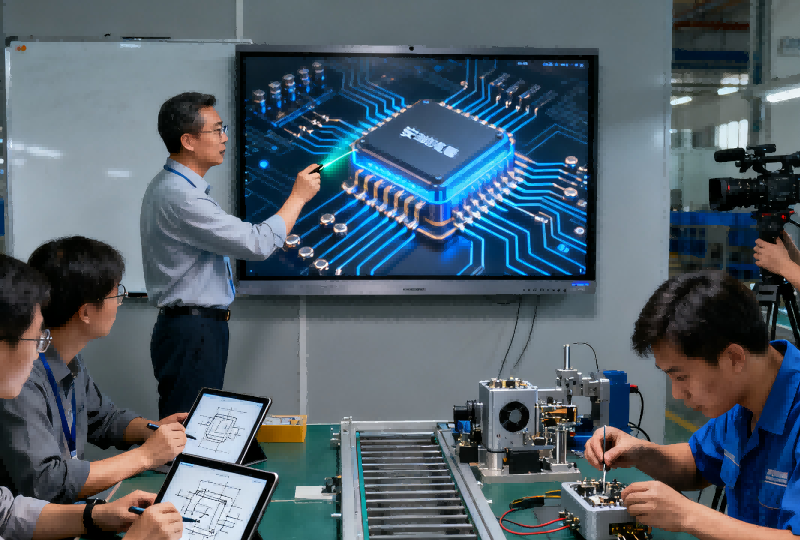
Advanced Multi-Stage Charging Technology
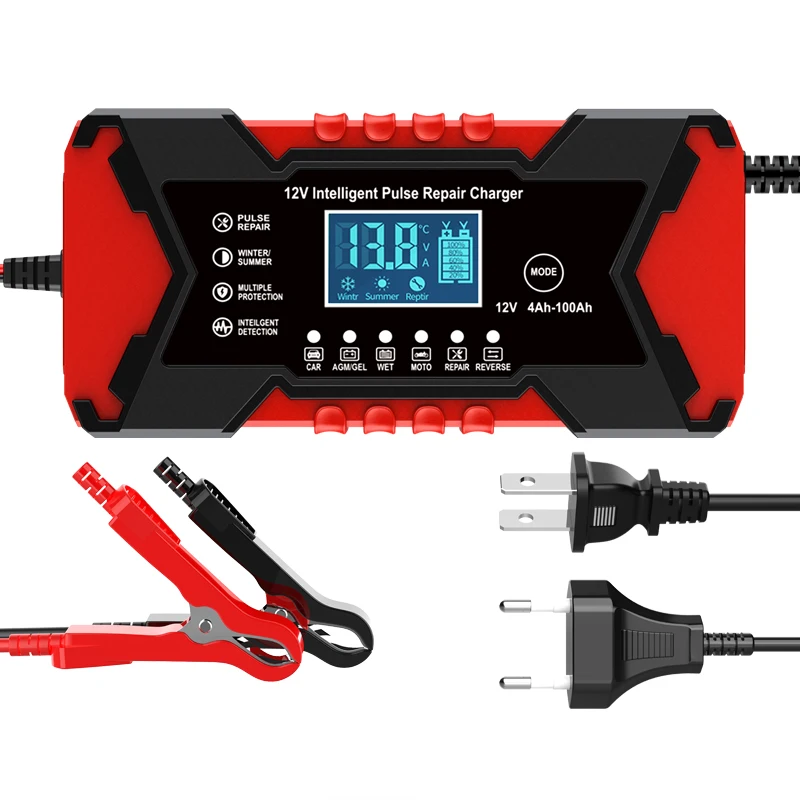
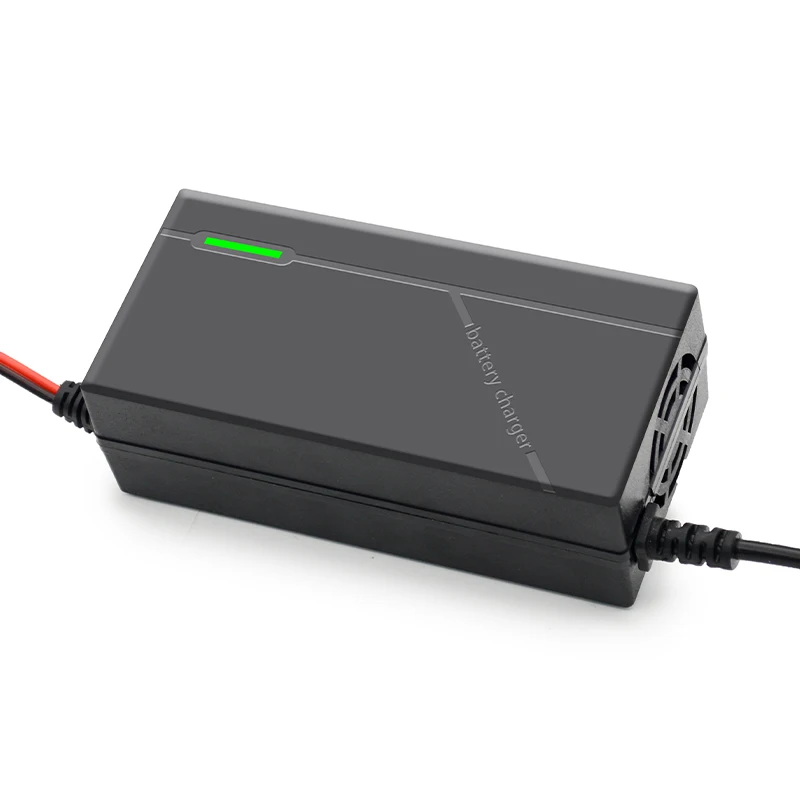
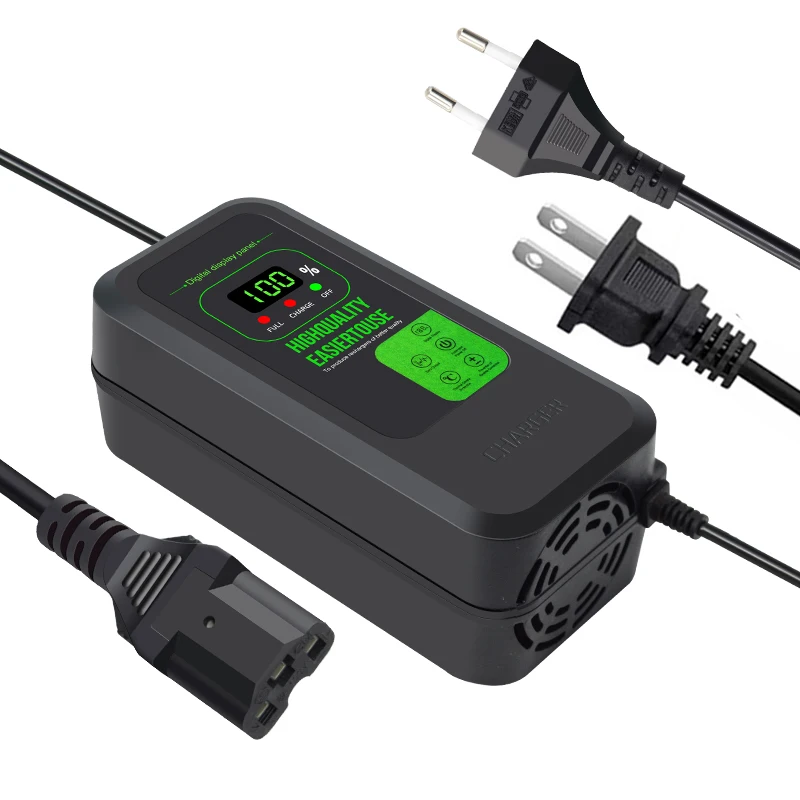
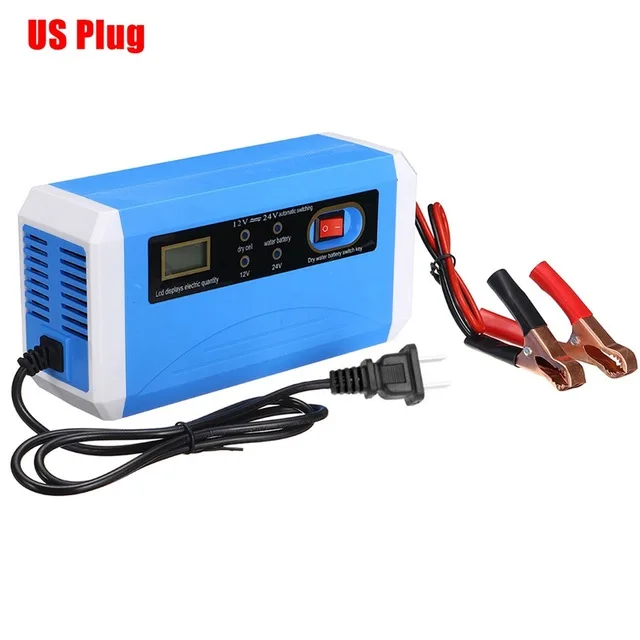
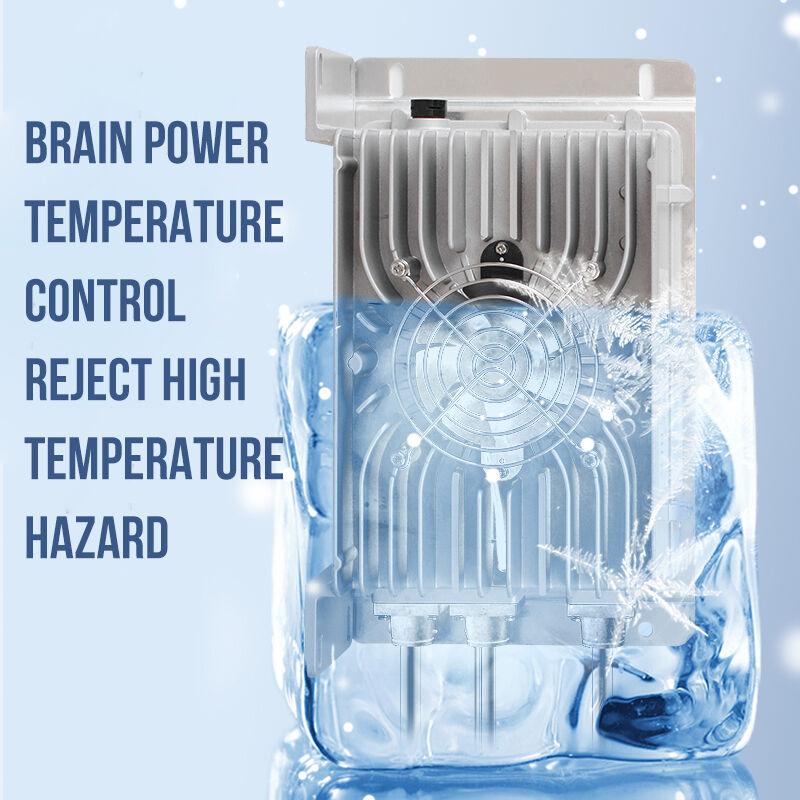
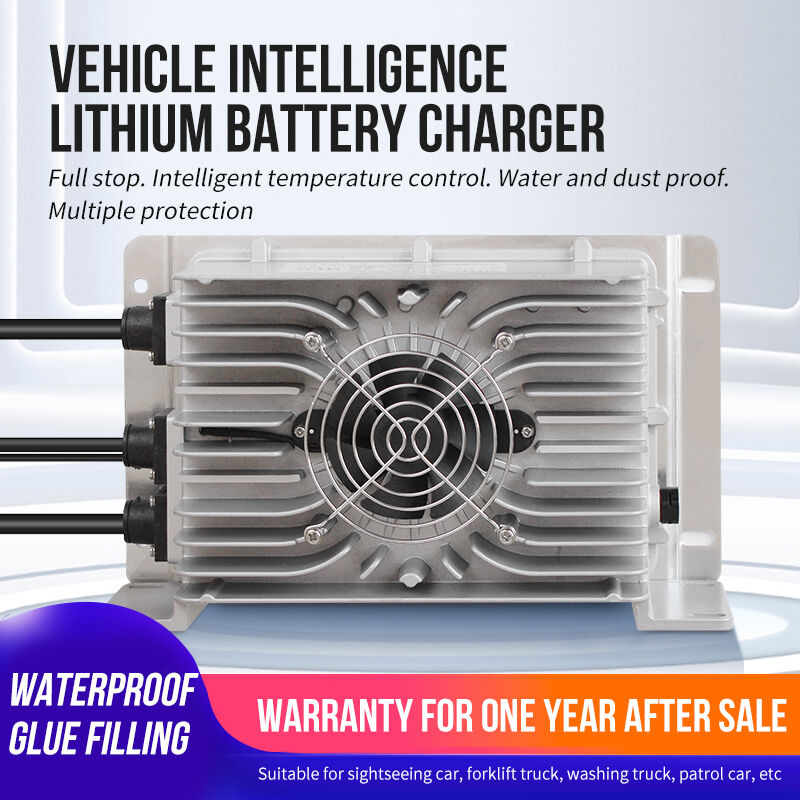
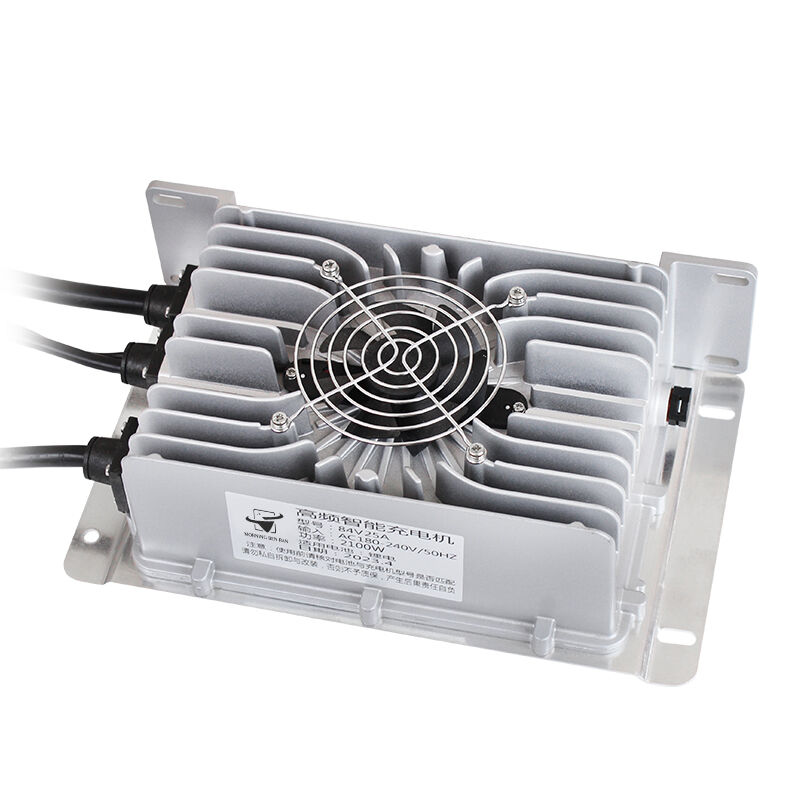
The sophisticated multi-stage charging process implemented in quality 72 volt golf cart battery chargers represents a significant technological advancement that maximizes battery performance and longevity. This intelligent system operates through distinct phases, beginning with bulk charging that rapidly delivers high current to depleted batteries, efficiently restoring approximately 80% of capacity in the shortest possible time. The absorption stage follows, providing controlled voltage while current gradually decreases, ensuring complete battery saturation without overcharging risks. Finally, the float maintenance mode maintains optimal charge levels indefinitely without battery damage, making the 72 volt golf cart battery charger suitable for long-term connection. Temperature compensation technology automatically adjusts charging parameters based on ambient conditions, preventing thermal damage while optimizing charging efficiency across seasonal variations. Microprocessor control systems monitor battery voltage, current draw, and temperature continuously, making real-time adjustments that prevent common charging problems such as sulfation, overheating, and premature capacity loss. This advanced technology eliminates the guesswork associated with manual charging procedures, ensuring consistent results regardless of operator experience level. The intelligent charging algorithms can differentiate between various battery types and automatically adjust parameters accordingly, providing optimal charging profiles for lead-acid, AGM, gel, and lithium-ion configurations. Pulse charging capabilities help break down sulfate crystal buildup that naturally occurs in lead-acid batteries, effectively reconditioning older batteries and extending their useful service life. The 72 volt golf cart battery charger monitors charging progress continuously, automatically transitioning between stages based on battery response rather than predetermined time intervals, ensuring each battery receives precisely the charging it requires. Safety interlocks prevent charging initiation until proper connections are verified, while continuous monitoring systems immediately halt charging if dangerous conditions develop, protecting both equipment and personnel from potential hazards.

 EN
EN