 EN
EN

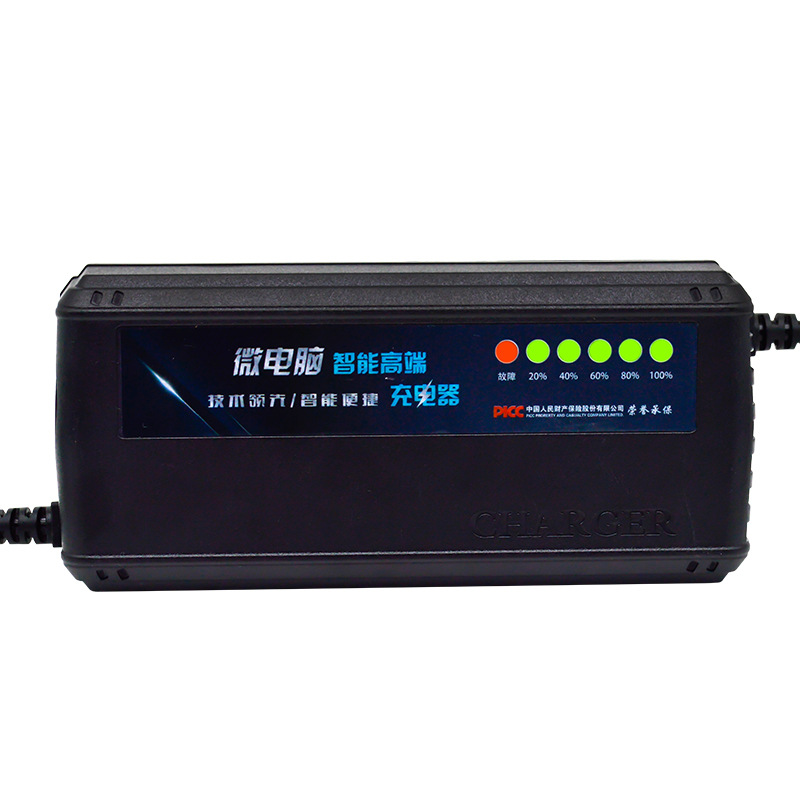
Urban transportation has undergone a significant transformation in recent years, with electric bicycles emerging as the preferred choice for millions of city commuters worldwide. The growing popularity of electric bikes stems not only from their environmental benefits but also from their practical advantages in navigating congested urban environments. However, the effectiveness of any electric bicycle depends heavily on one critical component that often determines the overall user experience: the ebike charger. Modern urban commuters increasingly recognize that investing in a high-efficiency charging solution can dramatically improve their daily transportation routine, reduce downtime, and enhance the longevity of their electric bicycle investment.
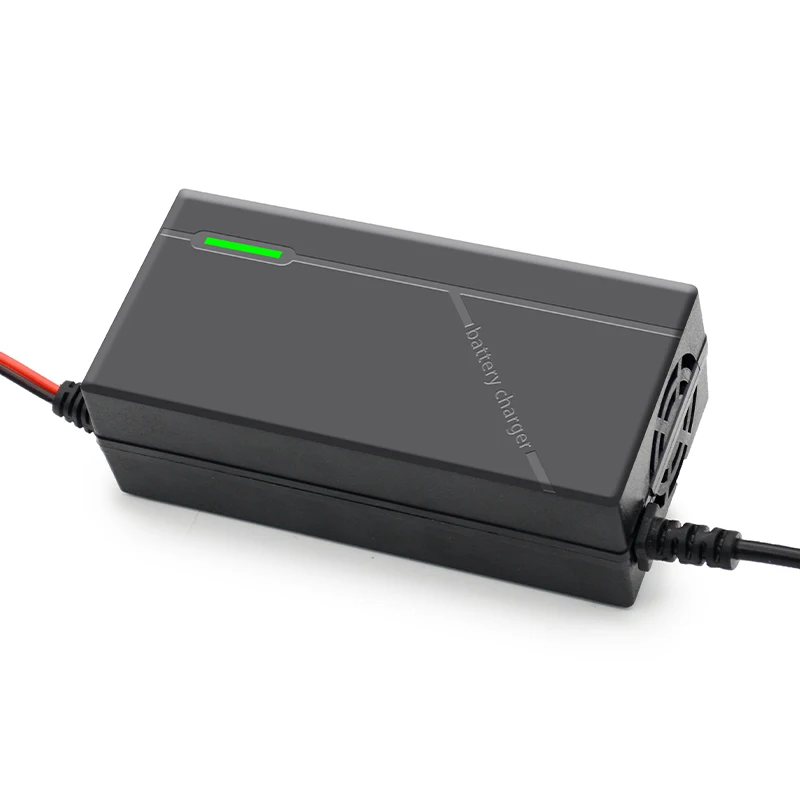
Understanding the Technology Behind High-Efficiency Charging Systems
Advanced Power Management Features
High-efficiency ebike charger systems incorporate sophisticated power management technologies that optimize the charging process while protecting the battery from potential damage. These advanced charging units utilize intelligent microprocessor control systems that constantly monitor voltage levels, current flow, and temperature conditions throughout the charging cycle. The precision engineering behind these devices ensures that each charging session delivers optimal power transfer while minimizing energy waste and heat generation. Modern charging systems also feature multiple safety protocols, including overvoltage protection, short circuit prevention, and thermal management controls that maintain safe operating temperatures during extended charging periods.
The integration of smart charging algorithms allows these devices to automatically adjust power delivery based on the battery's current state of charge and overall condition. This adaptive approach not only reduces charging times but also extends battery lifespan by preventing the stress associated with aggressive charging methods. Professional-grade ebike charger units often include diagnostic capabilities that can identify potential battery issues before they become critical problems, providing users with valuable insights into their battery's health and performance characteristics.
Energy Conversion Efficiency Standards
The efficiency rating of an ebike charger directly impacts both operational costs and environmental sustainability. High-quality charging systems typically achieve efficiency ratings of 85% or higher, meaning that minimal energy is wasted as heat during the conversion process. This superior efficiency translates to lower electricity bills for regular users and reduced environmental impact from unnecessary energy consumption. The advanced switching power supply technology employed in premium charging units enables this high efficiency while maintaining compact form factors suitable for urban living spaces.
Thermal management plays a crucial role in maintaining optimal efficiency throughout the charging process. Well-designed charging systems incorporate passive cooling elements and intelligent fan controls that activate only when necessary, ensuring that internal components operate within their optimal temperature ranges. This careful attention to thermal dynamics prevents efficiency degradation over time and maintains consistent performance even during demanding charging scenarios or elevated ambient temperatures commonly encountered in urban environments.
Urban Commuting Challenges and Charging Solutions
Time-Critical Charging Requirements
Urban commuters face unique challenges related to charging logistics, particularly when their daily schedules leave limited windows for battery replenishment. High-efficiency charging systems address these constraints by delivering faster charging speeds without compromising battery safety or longevity. Advanced ebike charger designs can typically restore 80% of battery capacity within two to three hours, enabling commuters to quickly top up their batteries during lunch breaks or brief stops at the office. This rapid charging capability becomes especially valuable for individuals who rely on their electric bicycles for multiple daily trips or longer commuting distances.
The predictability of charging times offered by quality charging systems allows commuters to better plan their daily routines and avoid the inconvenience of unexpected battery depletion. Modern charging units often include LED indicator systems or digital displays that provide real-time information about charging progress, remaining time, and battery status. This transparency enables users to make informed decisions about when to unplug their chargers and proceed with their planned activities, reducing anxiety about battery levels and improving overall confidence in electric bicycle transportation.
Portability and Urban Storage Considerations
The compact and lightweight design characteristics of high-efficiency ebike charger units make them ideal for urban commuting scenarios where storage space is often at a premium. Professional commuters frequently need to transport their chargers between home, office, and other locations, making portability a critical selection criterion. Advanced charging systems achieve remarkable power density, delivering substantial charging capability in packages that can easily fit in laptop bags or bicycle panniers without adding excessive weight to the commuter's daily load.
Urban living environments often present challenges related to secure charging locations and electrical access points. High-efficiency charging systems typically feature universal input voltage ranges that accommodate various electrical standards found in different buildings and countries. This versatility ensures that commuters can confidently charge their batteries in office environments, public charging stations, or temporary locations without concerns about voltage compatibility or electrical safety. The robust construction of quality charging units also provides durability against the wear and tear associated with frequent transport and varied environmental conditions.
Performance Benefits for Daily Commuters
Battery Longevity and Cost Effectiveness
Investing in a high-quality ebike charger significantly extends the operational lifespan of expensive lithium battery packs, making it one of the most cost-effective upgrades available to electric bicycle owners. Proper charging protocols implemented by advanced charging systems help maintain battery chemistry integrity over thousands of charge cycles, preventing the capacity degradation that often occurs with lower-quality charging equipment. The sophisticated charge termination algorithms employed by premium chargers ensure that batteries reach full capacity without experiencing the damaging effects of overcharging or excessive voltage stress.
The financial benefits of extended battery life become substantial when considering the replacement costs of high-capacity electric bicycle batteries. Professional commuters who depend on their electric bicycles for daily transportation can potentially save hundreds of dollars in battery replacement costs by utilizing proper charging equipment. Additionally, maintaining optimal battery performance through quality charging practices ensures consistent range and power delivery, reducing the likelihood of unexpected transportation disruptions that could impact work schedules or personal commitments.
Reliability and Weather Resistance
Urban commuting exposes electric bicycle components to various environmental stresses, including temperature fluctuations, humidity variations, and occasional exposure to moisture. High-quality ebike charger systems incorporate weatherproof enclosures and sealed connection points that maintain reliable operation despite challenging environmental conditions. The robust construction of professional-grade charging equipment ensures consistent performance across a wide range of operating temperatures, from cold winter mornings to hot summer afternoons typical in urban settings.
The reliability benefits of quality charging systems extend beyond environmental resistance to include electrical surge protection and power grid fluctuation immunity. Urban electrical systems often experience voltage variations and brief power interruptions that can damage sensitive electronic equipment. Advanced charging systems include comprehensive protection circuits that isolate connected batteries from harmful electrical events, ensuring that valuable battery investments remain protected even during severe weather events or electrical system disturbances common in densely populated metropolitan areas.
Environmental Impact and Sustainability Considerations
Reduced Carbon Footprint Through Efficient Energy Use
The environmental benefits of electric bicycle transportation are further enhanced when paired with high-efficiency charging systems that minimize energy waste during the battery replenishment process. Efficient ebike charger designs reduce the overall electricity consumption required to maintain electric bicycle operations, directly contributing to lower carbon emissions associated with personal transportation choices. This efficiency improvement becomes particularly significant when multiplied across the millions of electric bicycle users in urban areas worldwide, representing a meaningful contribution to metropolitan sustainability goals.
Advanced charging technologies also support the integration of renewable energy sources by providing stable and predictable power consumption patterns that complement solar and wind generation systems. Urban commuters who have access to rooftop solar installations or renewable energy programs can maximize their environmental benefits by utilizing efficient charging systems that convert clean electricity into stored battery energy with minimal losses. This synergy between renewable generation and efficient energy storage creates a truly sustainable personal transportation solution that aligns with broader climate change mitigation efforts.
Resource Conservation Through Extended Equipment Life
The superior build quality and advanced protection features found in high-efficiency ebike charger systems contribute to resource conservation by extending the operational lifespan of both charging equipment and connected battery systems. Durable charging units resist the typical failure modes that affect lower-quality alternatives, reducing electronic waste generation and minimizing the frequency of replacement purchases. This longevity benefit aligns with circular economy principles that prioritize resource efficiency and waste reduction in consumer electronics applications.
The protective charging algorithms implemented in quality systems also preserve battery chemistry integrity, preventing premature battery degradation that would otherwise require early replacement of expensive lithium battery packs. By maintaining optimal battery performance over extended periods, efficient charging systems effectively multiply the environmental benefits of electric bicycle transportation by ensuring that each battery pack delivers its maximum potential service life before requiring recycling or disposal through appropriate electronic waste management programs.
Selection Criteria for Urban Commuters
Power Output and Charging Speed Specifications
Selecting an appropriate ebike charger requires careful consideration of power output specifications that match both battery capacity requirements and daily usage patterns. Urban commuters typically benefit from chargers that provide sufficient power output to complete full charging cycles within practical timeframes while avoiding excessive power levels that could stress battery systems or create unnecessary heat generation. The optimal balance between charging speed and battery protection varies depending on commuting distance, frequency of use, and available charging time windows throughout the typical workday.
Modern electric bicycle systems utilize various battery voltages and capacity configurations, making compatibility verification essential when selecting charging equipment. High-quality charging systems often provide adjustable output parameters or multiple charging profiles that accommodate different battery specifications without requiring separate charging units for each electric bicycle model. This versatility proves particularly valuable for households or organizations that maintain multiple electric bicycles with different electrical specifications, enabling standardization of charging infrastructure while maintaining optimal performance for each individual battery system.
Safety Certifications and Quality Standards
Professional urban commuters should prioritize ebike charger products that carry recognized safety certifications and comply with established international quality standards for electrical equipment. Certified charging systems undergo rigorous testing procedures that verify their safety performance under various operating conditions, including fault scenarios that could potentially cause equipment damage or safety hazards. These certifications provide assurance that the charging equipment meets stringent requirements for electrical safety, electromagnetic compatibility, and environmental compliance established by regulatory authorities.
The importance of safety certifications becomes particularly evident when charging equipment will be used in office environments, public spaces, or residential buildings where electrical safety concerns could affect multiple individuals beyond the immediate user. Quality manufacturers typically provide comprehensive documentation regarding safety certifications, warranty coverage, and technical support services that demonstrate their commitment to product reliability and customer satisfaction. This professional approach to product development and customer support often correlates with superior performance characteristics and longer service life expectations.
FAQ
How long does it typically take to charge an electric bike battery with a high-efficiency charger
The charging time for an electric bike battery depends on several factors including battery capacity, charger power output, and the current state of charge. Most high-efficiency ebike charger systems can restore 80% of battery capacity within 2-4 hours for standard commuter bike batteries ranging from 400-700 watt-hours. Complete charging cycles typically require 4-6 hours, though many commuters find that partial charging sessions during work hours provide sufficient range for their daily transportation needs. Advanced charging systems often include rapid charging modes that can provide usable range within 30-60 minutes for emergency situations.
What safety features should I look for in a quality electric bike charger
Essential safety features in a professional ebike charger include overvoltage protection, overcurrent protection, short circuit prevention, thermal monitoring, and automatic charge termination. Quality charging systems also incorporate ground fault protection, surge suppression, and reverse polarity protection to safeguard both the charger and connected battery from electrical faults. Look for chargers with certified safety ratings from recognized testing organizations and thermal management features that prevent overheating during extended charging sessions. LED indicators or digital displays that show charging status and any fault conditions provide additional safety benefits through improved user awareness.
Can I leave my electric bike charger plugged in overnight without damaging the battery
High-quality ebike charger systems are specifically designed to safely maintain batteries at full charge without causing damage through overcharging. Advanced charging units automatically switch to maintenance mode once the battery reaches full capacity, providing minimal current to compensate for natural self-discharge while preventing voltage stress or heat buildup. However, it's generally recommended to unplug chargers once charging is complete to maximize charger lifespan and minimize standby power consumption. Some manufacturers recommend avoiding extended maintenance charging in high-temperature environments to optimize long-term battery performance.
What makes a charger more efficient and how does this benefit urban commuters
Charger efficiency refers to how effectively the device converts AC power from the electrical grid into DC power stored in the battery. High-efficiency ebike charger units typically achieve 85-90% efficiency ratings, meaning only 10-15% of input energy is lost as heat during the conversion process. This efficiency translates to lower electricity costs, reduced heat generation, improved reliability, and smaller environmental impact. For urban commuters who charge their bikes daily, the efficiency improvements result in measurable savings on electricity bills while supporting sustainability goals and ensuring consistent charging performance even in challenging environmental conditions.
Table of Contents
- Understanding the Technology Behind High-Efficiency Charging Systems
- Urban Commuting Challenges and Charging Solutions
- Performance Benefits for Daily Commuters
- Environmental Impact and Sustainability Considerations
- Selection Criteria for Urban Commuters
-
FAQ
- How long does it typically take to charge an electric bike battery with a high-efficiency charger
- What safety features should I look for in a quality electric bike charger
- Can I leave my electric bike charger plugged in overnight without damaging the battery
- What makes a charger more efficient and how does this benefit urban commuters