 EN
EN

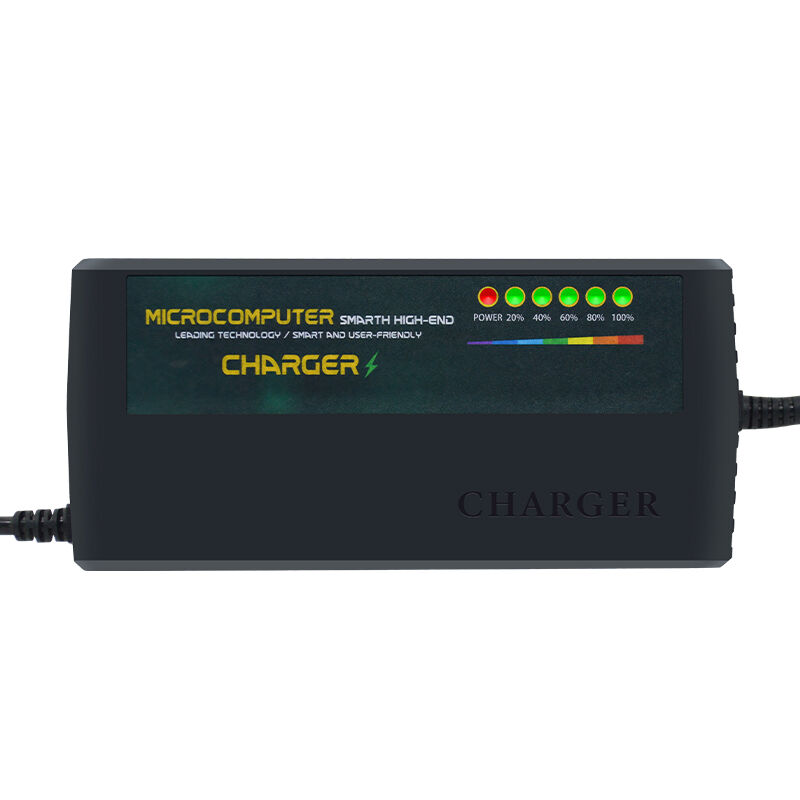
The growing adoption of electric vehicles and e-bikes has created an unprecedented demand for efficient, reliable charging solutions. Among the various voltage configurations available in today's market, the 48v charger has emerged as a cornerstone technology for modern electric mobility applications. This charging solution offers superior performance characteristics that directly translate into enhanced user experience, reduced operational costs, and improved battery longevity. Understanding the efficiency benefits of dedicated 48v charger systems is crucial for businesses and consumers seeking to maximize their investment in electric transportation infrastructure.
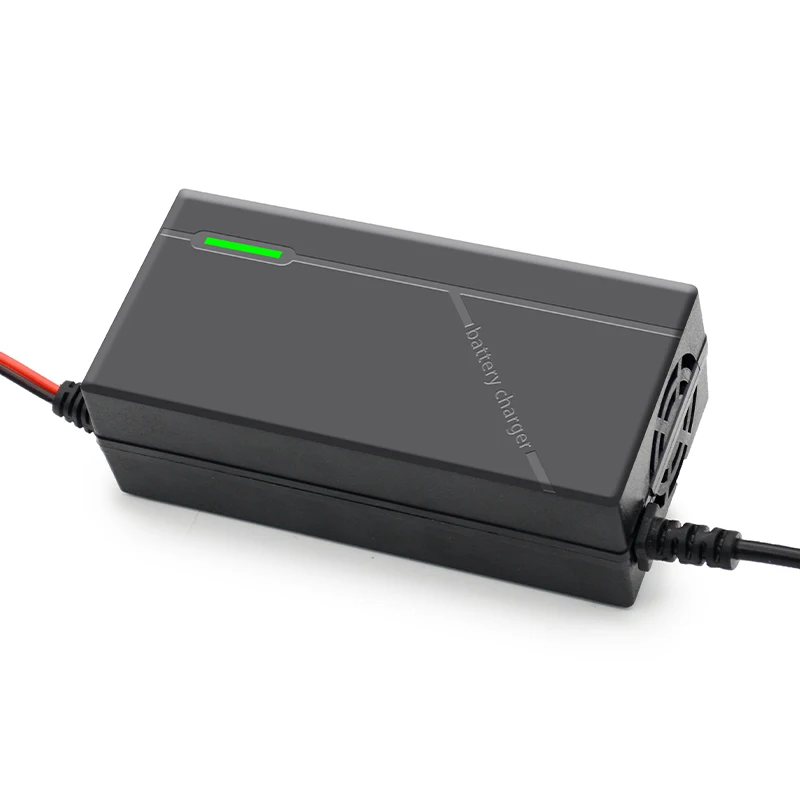
Enhanced Power Delivery Performance
Optimized Charging Speed Characteristics
The fundamental advantage of a 48v charger lies in its ability to deliver higher power levels while maintaining manageable current flows. This voltage configuration strikes an optimal balance between charging speed and system safety, enabling faster battery replenishment without compromising the integrity of the electrical components. Modern 48v charger designs typically incorporate advanced switching topologies that maximize power transfer efficiency while minimizing heat generation and electromagnetic interference.
Professional-grade 48v charger units demonstrate remarkable consistency in their power delivery profiles, maintaining stable output characteristics across varying load conditions. This stability ensures that battery packs receive the precise charging parameters required for optimal performance, regardless of external factors such as ambient temperature fluctuations or input voltage variations. The result is a more predictable charging experience that users can rely upon for consistent performance.
Advanced Current Management Systems
Contemporary 48v charger implementations feature sophisticated current management algorithms that continuously monitor and adjust the charging parameters in real-time. These intelligent systems analyze battery condition, temperature, and state of charge to optimize the current flow throughout the entire charging cycle. By precisely controlling the current delivery, these chargers minimize stress on individual battery cells while maximizing the overall energy transfer rate.
The current regulation capabilities of modern 48v charger designs extend beyond simple constant-current charging modes. Advanced units incorporate multi-stage charging protocols that seamlessly transition between different current levels based on battery requirements. This dynamic approach ensures that each phase of the charging process receives the appropriate current characteristics, from initial bulk charging through absorption and float maintenance stages.
Superior Energy Conversion Efficiency
High-Efficiency Power Electronics
The power conversion efficiency of a quality 48v charger typically exceeds 90%, representing a significant improvement over lower voltage alternatives. This enhanced efficiency stems from the reduced current requirements at the 48-volt level, which directly translates into lower resistive losses throughout the charging circuit. The mathematical relationship between power, voltage, and current means that higher voltage operations inherently require lower currents for equivalent power transfer, resulting in reduced I²R losses across all system components.
Modern 48v charger designs incorporate cutting-edge semiconductor technologies, including silicon carbide and gallium nitride components, which offer superior switching characteristics compared to traditional silicon-based devices. These advanced materials enable higher switching frequencies while maintaining exceptional efficiency levels, allowing for more compact charger designs without sacrificing performance. The improved switching characteristics also contribute to reduced electromagnetic emissions and better overall system reliability.
Thermal Management Optimization
Efficient thermal management represents a critical aspect of 48v charger performance, directly impacting both reliability and longevity. The higher efficiency characteristics of these charging systems generate less waste heat during operation, reducing the thermal stress on internal components and extending overall service life. Advanced thermal design considerations include strategic component placement, optimized heat sink configurations, and intelligent fan control systems that maintain optimal operating temperatures.
The thermal efficiency of a well-designed 48v charger translates directly into improved performance consistency over extended operating periods. By maintaining stable internal temperatures, these systems avoid the thermal derating effects that can significantly impact charging performance in high-ambient-temperature environments. This thermal stability ensures that users receive consistent charging performance regardless of environmental conditions.
Battery Compatibility and Protection Features
Comprehensive Battery Management Integration
Modern 48v charger systems incorporate sophisticated battery management capabilities that go far beyond simple voltage regulation. These advanced charging solutions feature comprehensive protection algorithms that monitor multiple battery parameters simultaneously, including individual cell voltages, temperature gradients, and impedance characteristics. The integration of these monitoring capabilities within the 48v charger framework provides users with detailed insight into battery health and performance trends.
The compatibility features of contemporary 48v charger designs extend across multiple battery chemistries, including lithium-ion, lithium-iron-phosphate, and advanced lead-acid configurations. This versatility ensures that a single charging solution can accommodate diverse application requirements while maintaining optimal charging characteristics for each specific battery type. The adaptive charging algorithms automatically adjust their parameters based on the detected battery chemistry, eliminating the need for manual configuration in most applications.
Advanced Safety and Protection Systems
Safety considerations represent a paramount concern in 48v charger design, with modern units incorporating multiple layers of protection against various fault conditions. These comprehensive safety systems include overvoltage protection, overcurrent detection, thermal monitoring, and reverse polarity safeguards. The multi-layered approach ensures that both the charger and connected battery remain protected under all operating conditions, including abnormal or fault scenarios.
The protection capabilities of professional-grade 48v charger systems extend to sophisticated arc fault detection and ground fault monitoring. These advanced safety features represent critical considerations for applications involving higher power levels, where electrical faults can potentially result in significant equipment damage or safety hazards. The implementation of these protection systems demonstrates the mature engineering approach that characterizes modern 48v charger development.
Cost-Effectiveness and Operational Benefits
Reduced Infrastructure Requirements
The efficiency advantages of 48v charger systems translate directly into reduced infrastructure requirements for both individual users and fleet operators. The lower current requirements associated with 48-volt operation enable the use of smaller gauge wiring and reduced-capacity electrical panels, resulting in significant cost savings during installation. These infrastructure benefits become particularly pronounced in large-scale deployments where multiple charging points require simultaneous operation.
Commercial applications of 48v charger technology demonstrate exceptional return-on-investment characteristics through reduced operational costs and improved system reliability. The combination of high efficiency, reduced maintenance requirements, and extended service life creates a compelling economic proposition for businesses seeking to optimize their electric vehicle charging infrastructure. Fleet operators consistently report lower total cost of ownership when implementing dedicated 48v charger solutions compared to alternative voltage configurations.
Maintenance and Reliability Advantages
The robust design characteristics inherent in quality 48v charger systems contribute to exceptional reliability and reduced maintenance requirements over their operational lifetime. The higher efficiency operation results in reduced component stress and lower operating temperatures, factors that directly correlate with extended service intervals and improved long-term reliability. Professional-grade units typically demonstrate mean time between failure ratings that exceed industry standards by significant margins.
Maintenance considerations for 48v charger systems benefit from standardized diagnostic interfaces and comprehensive monitoring capabilities. These features enable proactive maintenance scheduling based on actual operating conditions rather than arbitrary time intervals, optimizing maintenance costs while ensuring peak performance. The diagnostic capabilities also facilitate rapid troubleshooting and repair procedures, minimizing downtime in critical applications.
Environmental Impact and Sustainability
Energy Efficiency and Carbon Footprint Reduction
The environmental benefits of efficient 48v charger technology extend beyond their direct operational characteristics to encompass broader sustainability considerations. The high efficiency operation of these charging systems reduces grid energy consumption, directly contributing to lower carbon emissions and reduced environmental impact. When deployed at scale, these efficiency improvements can result in measurable reductions in overall energy consumption across electric vehicle charging networks.
Lifecycle assessment studies of 48v charger systems demonstrate favorable environmental profiles compared to alternative charging technologies. The combination of efficient operation, extended service life, and recyclable materials contributes to reduced environmental impact throughout the entire product lifecycle. These sustainability characteristics align with growing environmental consciousness and regulatory requirements in many markets worldwide.
Resource Optimization and Circular Economy Principles
The design philosophy underlying modern 48v charger development increasingly incorporates circular economy principles, emphasizing resource efficiency and end-of-life recyclability. Manufacturers are implementing design-for-disassembly approaches that facilitate component recovery and material recycling at the end of the operational period. These considerations represent important steps toward more sustainable charging infrastructure development.
Material selection in contemporary 48v charger designs prioritizes both performance and environmental considerations, with increased utilization of recycled materials and reduced dependence on rare earth elements. The resulting products maintain exceptional performance characteristics while demonstrating improved environmental profiles throughout their operational lifetime. These sustainability improvements represent a key differentiating factor for environmentally conscious consumers and businesses.
FAQ
What makes a 48v charger more efficient than lower voltage alternatives
A 48v charger achieves higher efficiency primarily through reduced current requirements for equivalent power delivery. The mathematical relationship P=VI means that higher voltage systems require proportionally lower currents, resulting in reduced resistive losses throughout the charging circuit. Modern 48v charger designs also incorporate advanced power electronics and switching technologies that optimize energy conversion efficiency, typically achieving over 90% efficiency in quality implementations.
How does a 48v charger protect connected batteries during charging
Contemporary 48v charger systems feature comprehensive protection algorithms that continuously monitor battery voltage, current, temperature, and impedance characteristics. These intelligent systems automatically adjust charging parameters based on real-time battery conditions and implement multiple safety measures including overvoltage protection, thermal monitoring, and reverse polarity safeguards. The integrated battery management capabilities ensure optimal charging while preventing damage from fault conditions.
What are the cost benefits of implementing 48v charger technology
The cost advantages of 48v charger systems include reduced infrastructure requirements due to lower current operation, decreased energy consumption through high efficiency operation, and extended equipment life resulting from reduced component stress. These factors combine to create favorable total cost of ownership characteristics, with many commercial applications demonstrating significant operational cost reductions compared to alternative charging solutions.
Can a 48v charger work with different battery types and capacities
Modern 48v charger designs incorporate adaptive charging algorithms that automatically detect and accommodate various battery chemistries including lithium-ion, lithium-iron-phosphate, and advanced lead-acid configurations. The intelligent charging systems adjust their parameters based on detected battery characteristics, ensuring optimal charging performance across different battery types and capacity ranges while maintaining comprehensive protection capabilities throughout the charging process.