 EN
EN

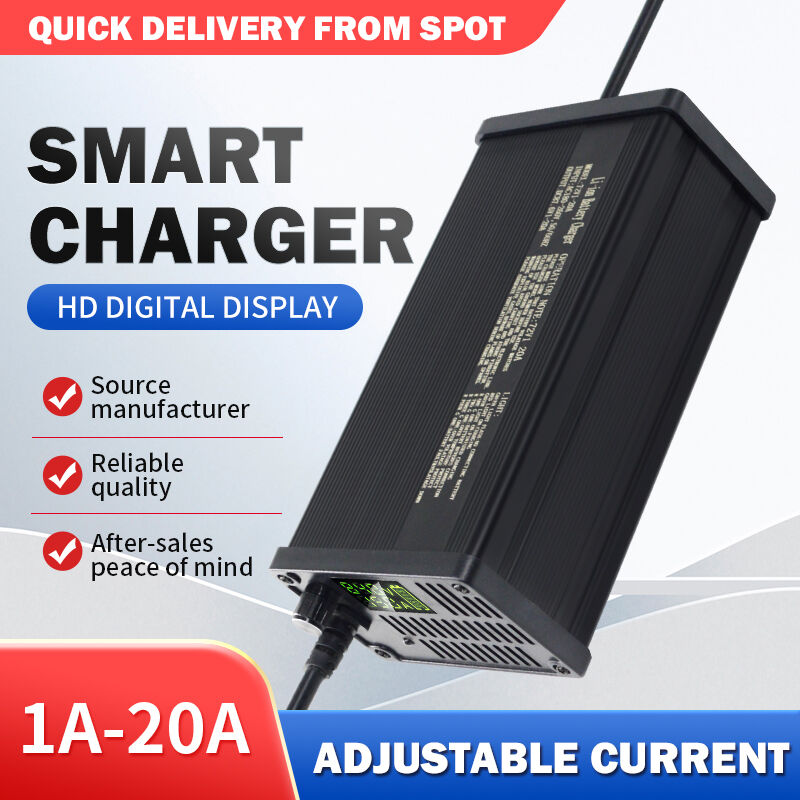
Modern professionals and industrial operators face an increasingly complex landscape of battery-powered devices that demand flexible charging solutions. From electric vehicles and power tools to backup systems and portable equipment, the need for versatile power management has never been greater. An adjustable battery charger represents the pinnacle of charging technology, offering unprecedented control over voltage, current, and charging profiles to accommodate diverse battery chemistries and capacities within a single workflow.
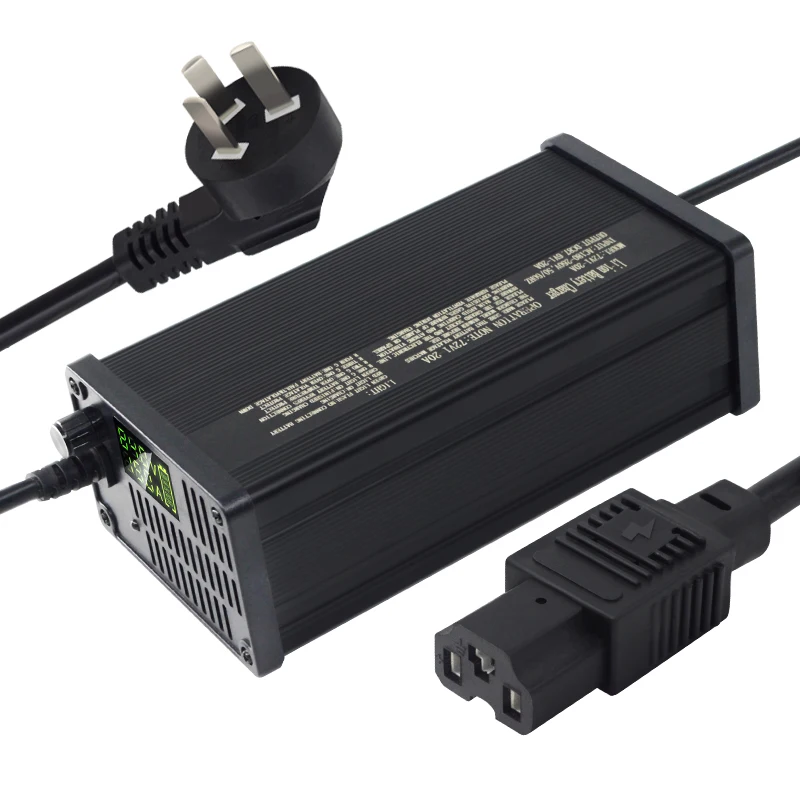
The evolution of battery technology has created a fragmented ecosystem where different devices require specific charging parameters for optimal performance and longevity. Traditional fixed-output chargers often fall short in multi-device environments, leading to inefficiencies, potential battery damage, and the costly necessity of maintaining multiple dedicated charging stations. This challenge has sparked innovation in adaptive charging solutions that can intelligently adjust their output characteristics.
Industrial facilities, automotive service centers, and professional workshops particularly benefit from the flexibility that an adjustable battery charger provides. These environments typically house equipment with varying power requirements, from 12V automotive batteries to 48V industrial systems, each demanding precise charging protocols to maintain peak performance and extend operational life.
Understanding Adjustable Battery Charger Technology
Core Components and Engineering
The foundation of any adjustable battery charger lies in its sophisticated power electronics and control systems. Advanced switching power supplies form the heart of these devices, utilizing high-frequency transformers and intelligent feedback circuits to maintain precise voltage and current regulation across a wide range of output parameters. Modern designs incorporate microprocessor-based controllers that continuously monitor battery conditions and adjust charging parameters in real-time.
Digital signal processors within these chargers analyze battery impedance, temperature, and state of charge to optimize the charging algorithm dynamically. This level of sophistication allows a single adjustable battery charger to replace multiple fixed-output units while providing superior charging performance and safety features. The integration of CAN bus communication and other industrial protocols enables seamless integration into automated systems and remote monitoring networks.
Voltage and Current Adjustment Mechanisms
The ability to precisely control output voltage represents one of the most critical features of an adjustable battery charger. Through pulse-width modulation and advanced switching techniques, these devices can typically adjust their output voltage across a broad range, often spanning from 12V to 72V or higher. This flexibility eliminates the need for multiple chargers in facilities that service different battery voltages.
Current adjustment capabilities are equally important, as different battery sizes and chemistries require specific charging currents for optimal results. Professional-grade adjustable battery charger units often provide current adjustment ranges from a few amperes to over 100 amperes, accommodating everything from small sealed lead-acid batteries to large lithium-ion battery banks. The precise current control also enables implementation of multi-stage charging profiles that maximize battery life and performance.
Multi-Device Workflow Integration Advantages
Operational Efficiency Benefits
In complex operational environments, the deployment of an adjustable battery charger system dramatically streamlines maintenance procedures and reduces equipment overhead. Technicians can service multiple battery types using a single charging station, eliminating the time spent locating and connecting appropriate fixed chargers. This consolidation reduces setup time, minimizes cable management complexity, and decreases the likelihood of using incorrect charging parameters.
The programmable nature of advanced adjustable battery charger systems allows operators to store custom charging profiles for specific equipment types. Once configured, these profiles ensure consistent charging protocols across all devices of the same type, reducing human error and maintaining optimal battery health. Fleet managers and facility supervisors particularly appreciate this standardization as it simplifies training requirements and improves maintenance consistency.
Cost-Effectiveness and Space Optimization
The economic advantages of implementing an adjustable battery charger strategy extend beyond the initial equipment investment. By replacing multiple fixed chargers with fewer adjustable units, organizations reduce their total equipment costs, minimize spare parts inventory, and decrease maintenance complexity. The space savings achieved through charger consolidation can be substantial in facilities where floor space commands premium value.
Long-term operational costs also decrease due to improved battery life resulting from optimized charging protocols. An adjustable battery charger can implement precise charging curves that minimize stress on battery cells, reducing replacement frequency and associated downtime. The ability to adapt charging parameters as batteries age further extends their useful life, maximizing return on battery investments.
Application Scenarios and Use Cases
Automotive and Transportation Industries
Automotive service facilities represent prime candidates for adjustable battery charger deployment due to the diverse range of vehicle electrical systems they encounter. Modern service bays must accommodate everything from traditional 12V automotive batteries to high-voltage electric vehicle battery packs, each requiring specialized charging protocols. An adjustable battery charger system can seamlessly transition between these different requirements without requiring technicians to locate and connect different charging equipment.
Fleet maintenance operations particularly benefit from the versatility of adjustable charging systems. Commercial fleets often include vehicles with different electrical architectures, from light-duty trucks with standard 12V systems to heavy-duty vehicles with 24V or 48V electrical systems. The ability to service all fleet vehicles using standardized charging equipment simplifies maintenance procedures and reduces training requirements for service personnel.
Industrial and Manufacturing Environments
Manufacturing facilities utilizing battery-powered equipment such as forklifts, automated guided vehicles, and portable tools create complex charging requirements that an adjustable battery charger system can effectively address. These environments often feature equipment from different manufacturers with varying charging specifications, making standardized charging solutions particularly valuable.
The ability to implement custom charging profiles becomes especially important in industrial settings where battery performance directly impacts productivity. An adjustable battery charger can optimize charging cycles to minimize downtime while maximizing battery life, ensuring that critical equipment remains operational during peak production periods. The integration capabilities of modern adjustable chargers also enable automated charging scheduling and monitoring through existing facility management systems.
Technical Specifications and Selection Criteria
Power Rating and Efficiency Considerations
Selecting the appropriate power rating for an adjustable battery charger requires careful analysis of the largest batteries in the intended application and the desired charging time constraints. Higher power ratings enable faster charging but may require more substantial electrical infrastructure and generate additional heat that must be managed. Modern designs typically achieve efficiency ratings exceeding 90%, minimizing energy waste and reducing cooling requirements.
The relationship between charging power and battery chemistry becomes particularly important when dealing with lithium-ion batteries, which can typically accept higher charging currents than traditional lead-acid types. An adjustable battery charger with adequate power reserves can take advantage of these capabilities while automatically scaling back when charging more sensitive battery chemistries, optimizing charging time without compromising battery safety.
Safety Features and Protection Systems
Advanced safety systems represent critical components of any professional-grade adjustable battery charger. Overcurrent protection prevents damage from short circuits or battery faults, while overvoltage protection guards against incorrect parameter settings or component failures. Temperature monitoring ensures that both the charger and connected batteries operate within safe thermal ranges throughout the charging process.
Sophisticated adjustable battery charger systems incorporate multiple layers of protection, including reverse polarity protection, ground fault detection, and arc fault protection. These systems work together to create a safe operating environment that protects both equipment and personnel from electrical hazards. Many industrial-grade units also feature isolation transformers that provide additional protection against electrical faults.
Implementation Best Practices
Installation and Setup Procedures
Proper installation of an adjustable battery charger system requires careful attention to electrical infrastructure requirements and environmental conditions. Adequate ventilation must be provided to manage heat dissipation, while electrical connections must meet local codes and safety standards. The installation location should provide easy access for operators while maintaining appropriate clearances for service and maintenance activities.
Configuration of charging profiles represents a critical step in maximizing the benefits of an adjustable battery charger system. Each battery type and application should have a dedicated profile that optimizes charging parameters for that specific use case. Documentation of these profiles and regular review ensures that charging protocols remain current as battery technologies evolve and equipment requirements change.
Maintenance and Calibration Requirements
Regular calibration ensures that an adjustable battery charger maintains accurate voltage and current output across its full range of operation. Professional-grade units typically include self-calibration features, but periodic verification using certified test equipment provides additional assurance of continued accuracy. Calibration schedules should align with facility quality management requirements and equipment manufacturer recommendations.
Preventive maintenance procedures for adjustable battery charger systems focus on cleaning cooling systems, inspecting electrical connections, and updating firmware as manufacturers release improvements. The sophisticated electronics in these systems generally require minimal maintenance, but regular inspection helps identify potential issues before they impact operations. Maintaining detailed maintenance records supports warranty claims and helps optimize replacement scheduling.
Future Developments and Technology Trends
Smart Charging and IoT Integration
The next generation of adjustable battery charger technology promises enhanced connectivity and intelligent automation capabilities. Internet of Things integration enables remote monitoring, predictive maintenance alerts, and automated reporting of charging activities. These capabilities support data-driven maintenance decisions and help optimize battery fleet performance through detailed usage analytics.
Machine learning algorithms are beginning to appear in advanced adjustable battery charger systems, automatically optimizing charging profiles based on historical performance data and battery aging characteristics. This intelligence reduces the need for manual profile adjustments while continuously improving charging efficiency and battery life. Cloud-based management platforms enable centralized control of multiple charging stations across different facilities.
Energy Storage Integration
Future adjustable battery charger designs will likely incorporate energy storage capabilities, allowing facilities to store energy during low-cost periods and use it for battery charging during peak demand times. This integration supports both cost reduction and grid stability objectives while providing backup power capabilities during outages. The bidirectional power flow capabilities enable batteries to serve as grid-tie energy storage when not powering equipment.
Advanced power management features will enable an adjustable battery charger to participate in demand response programs, automatically adjusting charging schedules based on grid conditions and utility incentives. This capability transforms battery charging from a simple maintenance function into an active component of facility energy management strategies.
FAQ
What voltage ranges can adjustable battery chargers accommodate
Most professional adjustable battery charger units can accommodate voltage ranges from 12V to 72V or higher, with some specialized units extending beyond 100V. The specific range depends on the charger design and intended application, with automotive-focused units typically covering 12V to 48V ranges while industrial units may extend to higher voltages. Always verify that your specific voltage requirements fall within the charger's specified range before purchase.
How do adjustable battery chargers prevent overcharging
Modern adjustable battery charger systems incorporate multiple protection mechanisms including voltage monitoring, current limiting, temperature sensing, and timer-based cutoffs. These systems continuously monitor battery conditions and automatically terminate or reduce charging when predetermined parameters are reached. Advanced units also implement multi-stage charging profiles that transition from constant current to constant voltage to float charging modes as battery conditions change.
Can adjustable battery chargers work with lithium-ion batteries
Yes, quality adjustable battery charger units are specifically designed to accommodate various battery chemistries including lithium-ion, lead-acid, AGM, and gel batteries. The key is proper configuration of charging profiles that match the specific requirements of each battery chemistry. Lithium-ion batteries require precise voltage and current control, which adjustable chargers can provide through programmable charging algorithms and real-time monitoring capabilities.
What maintenance is required for adjustable battery chargers
Adjustable battery charger maintenance typically involves regular cleaning of cooling systems, inspection of electrical connections, firmware updates, and periodic calibration verification. Most modern units feature self-diagnostic capabilities that alert operators to potential issues before they become problems. Scheduled maintenance intervals vary by manufacturer but generally range from quarterly inspections to annual comprehensive service checks depending on usage intensity and environmental conditions.