 EN
EN

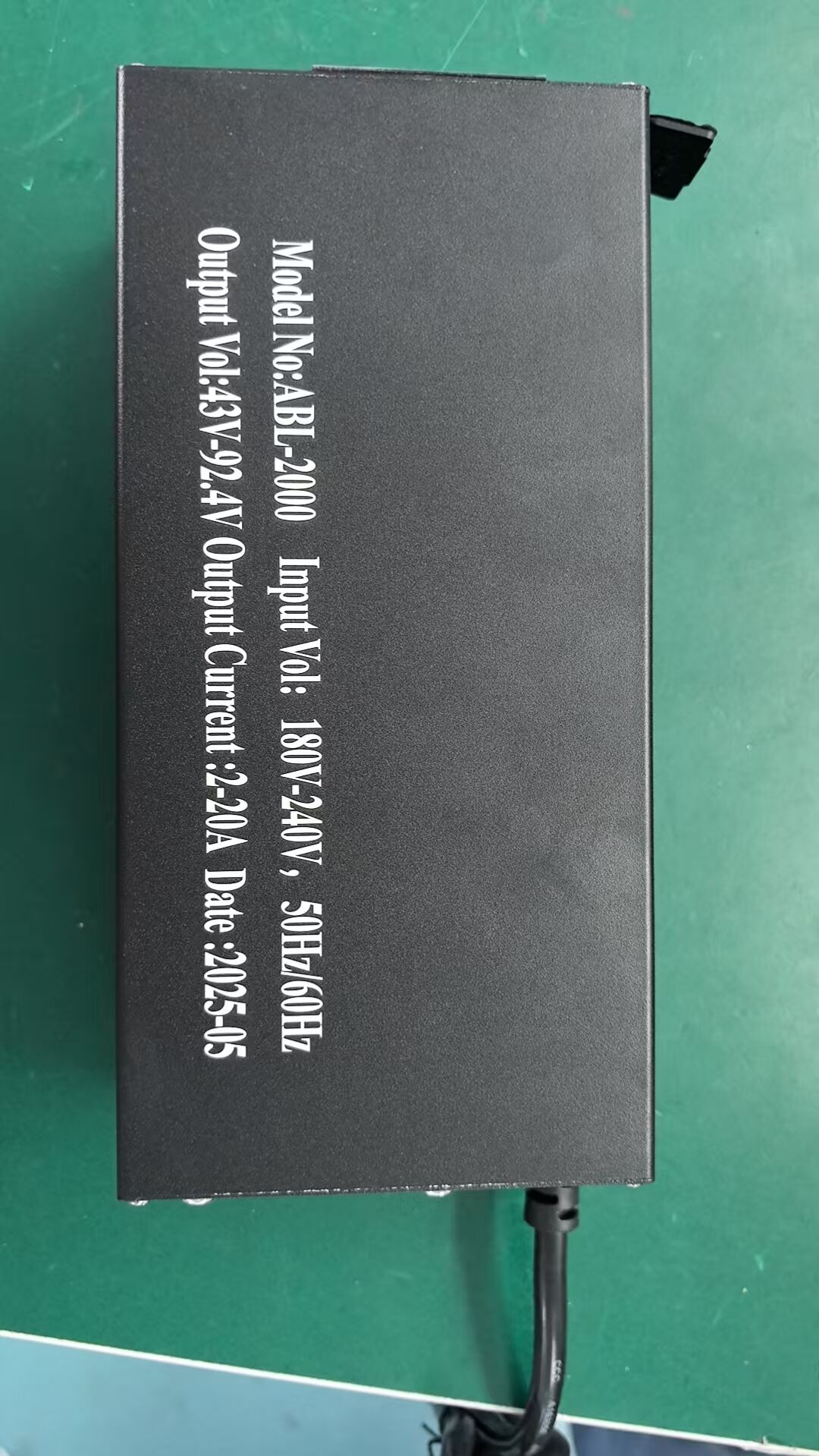
Modern electronic devices and electric vehicles demand sophisticated charging solutions that can adapt to varying power requirements and battery types. An adjustable battery charger represents a significant advancement in charging technology, offering precise voltage control and enhanced safety features that traditional fixed-voltage chargers simply cannot match. These intelligent charging systems have revolutionized how we approach battery maintenance and power management across numerous industries, from automotive to renewable energy applications.
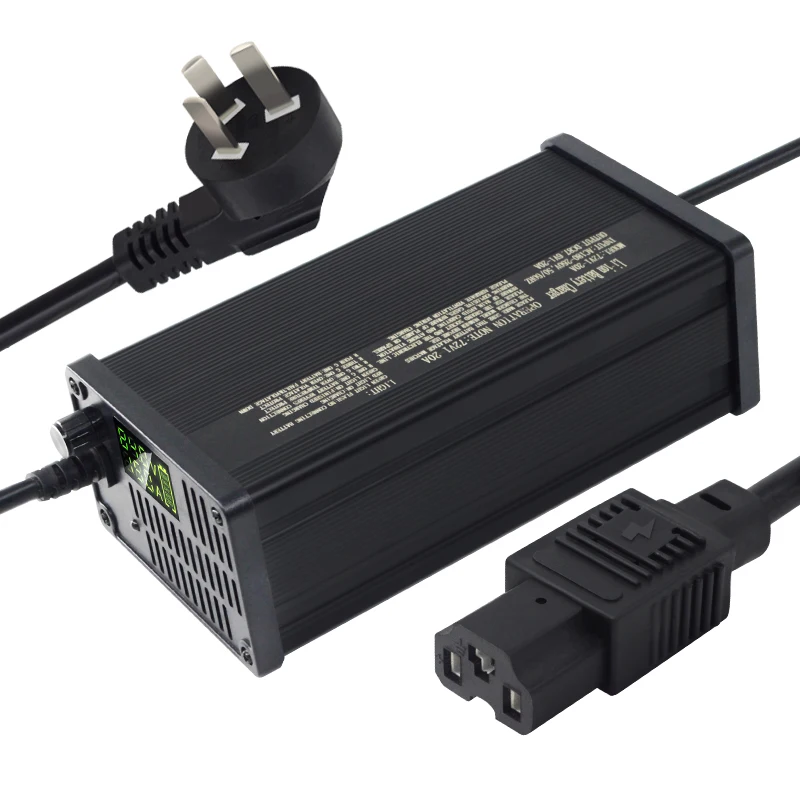
The versatility and precision offered by an adjustable battery charger make it an essential tool for professionals and enthusiasts alike. Unlike conventional chargers that operate at fixed parameters, these advanced systems automatically detect battery specifications and adjust their output accordingly. This intelligent approach not only optimizes charging efficiency but also extends battery lifespan significantly, resulting in substantial cost savings over time.
Enhanced Charging Precision and Control
Voltage Optimization Technology
The primary advantage of an adjustable battery charger lies in its ability to deliver precisely calibrated voltage levels tailored to specific battery requirements. This precision ensures that each battery receives exactly the right amount of power without the risk of overcharging or undercharging. Advanced microprocessor control systems continuously monitor battery voltage, temperature, and charging current to maintain optimal charging parameters throughout the entire charging cycle.
Professional technicians and engineers particularly value this level of control because it enables them to work with multiple battery types using a single charging device. Whether dealing with lithium-ion, lead-acid, or nickel-metal hydride batteries, an adjustable battery charger can seamlessly transition between different charging profiles without requiring manual intervention or additional equipment.
Multi-Stage Charging Algorithms
Contemporary adjustable battery charger systems implement sophisticated multi-stage charging algorithms that mimic the natural charging preferences of different battery chemistries. These algorithms typically include bulk charging, absorption, and float stages, each optimized for maximum efficiency and battery health. The charger automatically transitions between stages based on real-time battery feedback, ensuring optimal charging performance regardless of initial battery condition.
The intelligent switching between charging stages prevents common issues associated with traditional charging methods, such as sulfation in lead-acid batteries or capacity loss in lithium-ion cells. This automated approach eliminates the guesswork traditionally associated with battery charging and provides consistent results across diverse applications.
Universal Compatibility and Versatility
Multi-Chemistry Battery Support
One of the most compelling advantages of an adjustable battery charger is its ability to accommodate multiple battery chemistries within a single device. This universal compatibility eliminates the need for maintaining separate charging equipment for different battery types, significantly reducing equipment costs and storage requirements. Modern adjustable chargers can seamlessly work with lithium-ion, lithium polymer, lead-acid, AGM, gel cell, and nickel-based batteries.
The automatic detection capabilities of these chargers identify battery type and condition upon connection, automatically selecting appropriate charging parameters without user intervention. This feature proves invaluable in workshop environments where technicians regularly work with various battery types and cannot afford the time or risk associated with manual parameter selection.
Scalable Power Output Options
Professional-grade adjustable battery charger units offer scalable power output options that can handle everything from small electronic device batteries to large industrial battery banks. This scalability makes them ideal for businesses that service diverse equipment types or individuals who work with various projects requiring different power levels. The ability to adjust both voltage and current output means a single charger can handle applications ranging from delicate electronics to heavy-duty automotive batteries.
Advanced models feature programmable output settings that can be saved and recalled for frequently used applications, streamlining workflow and reducing setup time. This programmability is particularly valuable in production environments where consistency and efficiency are paramount to maintaining quality standards and meeting production deadlines.
Safety Features and Protection Systems
Advanced Safety Monitoring
Safety represents a critical consideration in any charging application, and an adjustable battery charger excels in providing comprehensive protection systems that safeguard both equipment and operators. These chargers incorporate multiple safety mechanisms including overvoltage protection, overcurrent protection, reverse polarity protection, and thermal monitoring. Each protection system operates independently while communicating with the central control unit to ensure coordinated safety responses.
Temperature monitoring systems within these chargers continuously track both internal charger temperature and battery temperature during charging operations. If temperatures exceed safe operating ranges, the charger automatically reduces output or suspends charging operations to prevent damage or safety hazards. This thermal management capability is especially important when charging high-capacity batteries that generate significant heat during the charging process.
Fault Detection and Recovery
Modern adjustable battery charger designs incorporate sophisticated fault detection algorithms that can identify and respond to various charging anomalies before they become serious problems. These systems monitor charging progress and can detect issues such as damaged batteries, poor connections, or internal battery failures that might not be immediately apparent to operators.
When faults are detected, the charger provides clear diagnostic information through LED indicators or digital displays, enabling quick troubleshooting and resolution. Some advanced models can even log fault data for later analysis, helping identify recurring problems or equipment maintenance needs that might otherwise go unnoticed until significant damage occurs.
Economic Benefits and Return on Investment
Extended Battery Lifespan
The precision charging capabilities of an adjustable battery charger directly translate to significantly extended battery lifespan compared to conventional charging methods. By delivering exactly the right charging profile for each battery type and condition, these chargers minimize the stress and degradation typically associated with charging cycles. Studies have shown that properly charged batteries using adjustable chargers can last 30-50% longer than those charged with basic fixed-voltage chargers.
This extended lifespan represents substantial cost savings over time, particularly for businesses that rely heavily on battery-powered equipment. The initial investment in quality adjustable charging equipment is typically recovered within the first year through reduced battery replacement costs alone, making it a financially sound decision for most applications.
Operational Efficiency Improvements
Beyond direct cost savings from extended battery life, adjustable battery charger systems contribute to improved operational efficiency through faster, more reliable charging cycles. The intelligent charging algorithms can often reduce total charging time by 20-30% compared to traditional methods while ensuring complete and balanced charging. This efficiency gain translates to reduced downtime for battery-powered equipment and improved productivity across operations.
The reliability and consistency provided by these charging systems also reduce the likelihood of unexpected battery failures that can disrupt operations and require emergency battery replacements. Predictable battery performance enables better planning and scheduling, contributing to smoother operations and reduced emergency maintenance costs.
Environmental Impact and Sustainability
Energy Efficiency Optimization
An adjustable battery charger typically operates with significantly higher energy efficiency compared to traditional charging solutions, converting a greater percentage of input power into useful battery charging rather than waste heat. This improved efficiency reduces overall energy consumption and contributes to lower operating costs while supporting environmental sustainability goals. High-efficiency charging also generates less heat, reducing the need for cooling systems and further improving overall energy performance.
The precise control offered by these chargers eliminates energy waste associated with overcharging, which is common with simpler charging systems. By terminating charging cycles exactly when batteries reach optimal capacity, adjustable chargers prevent the continued power consumption that occurs when traditional chargers remain connected to fully charged batteries.
Reduced Electronic Waste
The extended battery lifespan achieved through proper charging with an adjustable battery charger directly contributes to reduced electronic waste generation. Fewer battery replacements mean fewer batteries entering waste streams, supporting environmental protection efforts and corporate sustainability initiatives. This reduction in waste generation is particularly significant for businesses that use large numbers of batteries in their operations.
Additionally, the universal compatibility of adjustable chargers reduces the need for multiple specialized charging devices, further reducing electronic waste and resource consumption. A single high-quality adjustable charger can replace several conventional chargers, minimizing both initial resource consumption and end-of-life waste generation.
FAQ
What types of batteries can an adjustable battery charger handle
An adjustable battery charger is designed to work with virtually all common battery chemistries including lithium-ion, lithium polymer, lead-acid, AGM, gel cell, and nickel-based batteries. The charger automatically detects the connected battery type and selects appropriate charging parameters, making it highly versatile for diverse applications. Most professional models can handle voltage ranges from 6V to 48V and support various capacity ratings depending on the specific charger specifications.
How does an adjustable battery charger improve battery lifespan
These chargers extend battery lifespan by delivering precise voltage and current control throughout the charging process, preventing the overcharging and undercharging that commonly damage batteries with fixed-voltage chargers. The multi-stage charging algorithms optimize each phase of the charging cycle, while temperature monitoring prevents heat-related damage. Studies show that batteries charged with quality adjustable chargers can last 30-50% longer than those charged with basic equipment.
Are adjustable battery chargers safe for inexperienced users
Modern adjustable battery charger units are designed with extensive safety features that make them suitable for users of all experience levels. Automatic battery detection eliminates the need for manual parameter selection, while comprehensive protection systems including reverse polarity protection, overvoltage protection, and thermal monitoring prevent damage from user errors. Clear displays and indicators provide feedback on charging status and any issues that may arise during operation.
What is the typical return on investment for an adjustable battery charger
Most businesses recover their investment in an adjustable battery charger within 6-12 months through reduced battery replacement costs and improved operational efficiency. The extended battery lifespan alone typically provides 200-400% return on investment over the charger's operational life, while additional benefits such as reduced downtime and energy savings further improve the economic case. For high-volume battery users, the payback period can be even shorter due to scale effects.