 EN
EN

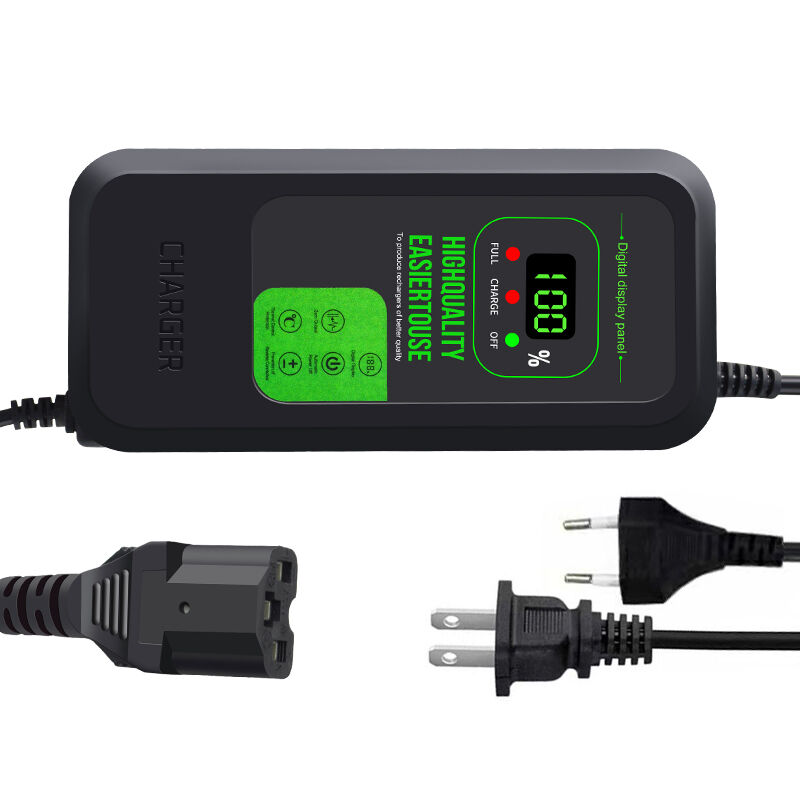
Electric bikes have transformed urban transportation, offering eco-friendly mobility solutions that combine convenience with environmental responsibility. However, many riders encounter persistent charging problems that can significantly impact their daily commutes and recreational rides. Understanding the fundamental causes of these issues and implementing systematic troubleshooting approaches can restore reliable functionality to your electric bike battery charger system. Most charging difficulties stem from connection problems, component wear, or environmental factors that affect the delicate electronic components within modern e-bike systems.
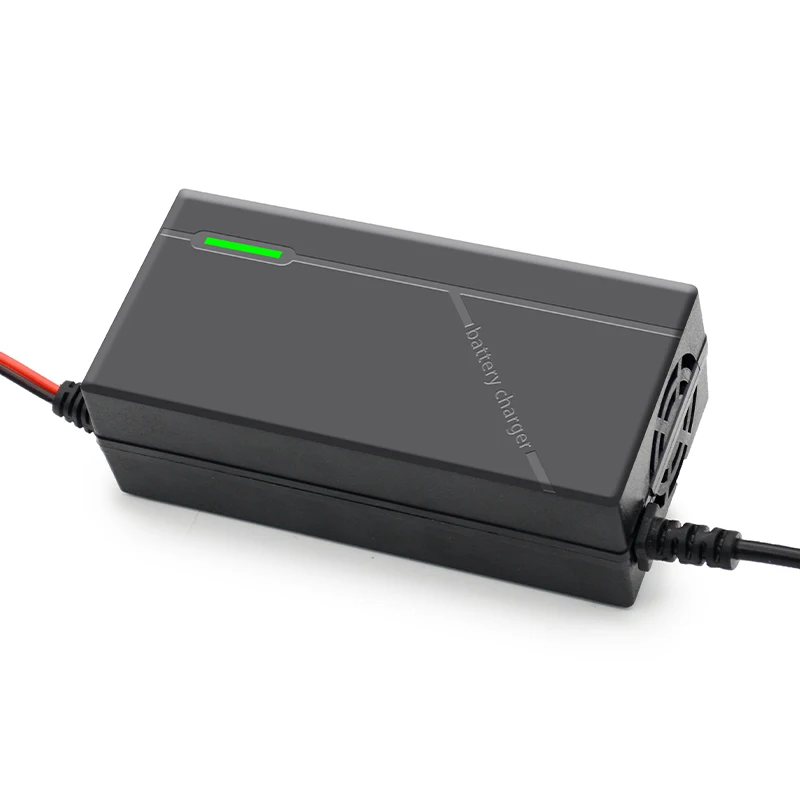
Common Signs of Electric Bike Charging Problems
Identifying Visual and Audio Indicators
Recognition of charging malfunctions begins with careful observation of your electric bike battery charger behavior during typical charging cycles. Healthy chargers typically display steady LED indicators that transition from red to green when charging completes successfully. Abnormal patterns include flickering lights, unusual color combinations, or complete absence of indicator illumination. Additionally, chargers may emit clicking sounds, high-pitched whines, or buzzing noises that suggest internal component stress or failure.
Physical inspection reveals additional warning signs that require immediate attention to prevent further damage. Examine charging port connections for corrosion, debris accumulation, or loose fitting that prevents secure electrical contact. Heat generation exceeding normal operating temperatures indicates potential component degradation within the electric bike battery charger circuitry. Unusual odors, particularly burning or chemical smells, signal serious internal problems that demand professional evaluation or immediate replacement.
Performance-Related Charging Symptoms
Functional indicators provide crucial insights into charging system health beyond simple visual observations. Extended charging times that significantly exceed manufacturer specifications suggest reduced efficiency within the electric bike battery charger or deteriorating battery cell capacity. Incomplete charging cycles where batteries fail to reach full capacity despite extended connection periods indicate systematic problems requiring comprehensive diagnostics.
Intermittent charging behavior creates particularly frustrating situations where connections appear functional but fail unpredictably during charging sessions. These symptoms often relate to loose internal connections, damaged cables, or thermal protection circuits that activate under specific conditions. Recording charging session patterns helps identify environmental triggers or usage factors that contribute to inconsistent electric bike battery charger performance.
Diagnosing Connection and Cable Issues
Examining Physical Connection Points
Systematic inspection of all physical connection points forms the foundation of effective troubleshooting methodology for electric bike charging systems. Begin by disconnecting power sources and carefully examining the charging port on your e-bike for signs of damage, wear, or contamination. Clean connection surfaces using appropriate solvents and soft brushes to remove oxidation, dirt, or moisture that impedes proper electrical contact between the electric bike battery charger and receiving components.
Evaluate cable integrity along the entire length from wall adapter through intermediate connectors to the final charging port interface. Flex cables gently while inspecting for cracks, kinks, or damaged outer insulation that expose internal conductors to environmental damage. Pay particular attention to stress points near connector ends where repeated bending creates fatigue failures in copper conductors essential for reliable electric bike battery charger operation.
Testing Electrical Continuity and Voltage
Accurate electrical measurements provide definitive information about charging system functionality beyond visual inspection capabilities. Use a quality multimeter to verify voltage output from your electric bike battery charger matches manufacturer specifications under no-load conditions. Typical e-bike chargers output between 42-58.4 volts depending on battery configuration, and significant deviations indicate internal component failure requiring professional repair or replacement.
Continuity testing reveals hidden cable damage that prevents proper current flow during charging operations. Test each conductor individually from charger output through intermediate connections to the battery input terminals. Infinite resistance readings indicate open circuits that completely prevent charging, while unusual resistance values suggest partial conductor damage that reduces charging efficiency and creates excessive heat generation during operation.
Battery-Related Charging Complications
Understanding Battery Management System Interactions
Modern electric bike batteries incorporate sophisticated Battery Management Systems that communicate directly with charging equipment to optimize safety and performance. These systems monitor individual cell voltages, temperatures, and current flow to prevent overcharging, thermal runaway, or damage from excessive discharge cycles. When BMS components malfunction, they may prevent charging initiation even when the electric bike battery charger functions perfectly, creating confusing diagnostic scenarios for riders.
BMS fault codes typically manifest as specific LED flash patterns or error displays that require manufacturer documentation for proper interpretation. Reset procedures vary significantly between battery manufacturers but often involve specific button sequences or temporary disconnection procedures. Understanding your particular BMS communication protocol helps distinguish between charger malfunctions and battery-side protection system activation that prevents potentially dangerous charging conditions.
Cell Balancing and Capacity Degradation Effects
Lithium battery packs require periodic cell balancing to maintain uniform charge levels across individual cells within the complete battery assembly. Imbalanced cells can prevent your electric bike battery charger from completing normal charging cycles, as protective circuits engage to prevent overcharging of individual cells that have drifted above safe voltage thresholds. This condition typically develops gradually over extended usage periods and may initially appear as reduced range rather than complete charging failure.
Capacity degradation from normal aging or abusive usage patterns affects charging behavior in subtle but important ways. Older batteries with reduced capacity may appear to charge quickly but provide significantly decreased range performance. Temperature sensitivity increases as battery cells age, requiring adjusted charging protocols or environmental controls to maintain reliable electric bike battery charger compatibility with degraded battery systems.
Environmental Factors Affecting Charging Performance
Temperature Impact on Charging Efficiency
Temperature extremes significantly influence charging performance and can create intermittent problems that puzzle inexperienced users. Cold weather reduces battery acceptance rates and may prevent charging initiation when internal temperatures fall below manufacturer-specified thresholds. Most electric bike battery charger systems include temperature monitoring that automatically adjusts charging rates or suspends operation entirely when ambient conditions exceed safe operating parameters.
Hot weather creates equally challenging conditions that affect both battery and charger performance characteristics. High temperatures accelerate chemical reactions within lithium cells, potentially triggering thermal protection circuits that halt charging prematurely. Additionally, charger components generate internal heat during operation that combines with ambient temperature to create thermal stress on sensitive electronic components within the electric bike battery charger circuitry.
Humidity and Moisture Considerations
Moisture infiltration represents a persistent threat to electrical components within charging systems, particularly in outdoor storage environments or regions with high humidity levels. Condensation formation inside charging ports creates conductive paths that can cause short circuits, corrosion, or erratic behavior in sensitive control circuits. Regular inspection and cleaning of connection points helps prevent moisture-related failures that compromise electric bike battery charger reliability.
Protective measures include proper storage in climate-controlled environments and use of moisture-absorbing materials in charging areas. Silica gel packets or similar desiccants help maintain dry conditions around charging equipment during long-term storage periods. Waterproof connector covers provide additional protection for exposed charging ports when bikes must be stored in potentially humid environments.
Preventive Maintenance for Charging Systems
Regular Cleaning and Inspection Routines
Establishing consistent maintenance routines dramatically reduces the likelihood of unexpected charging failures and extends the operational lifespan of both battery and electric bike battery charger components. Monthly cleaning sessions should include careful inspection of all visible connections, cable conditions, and housing integrity. Use compressed air to remove debris from charging ports and connectors, followed by appropriate contact cleaners to maintain optimal electrical conductivity.
Documentation of charging performance helps identify gradual degradation patterns before they result in complete system failure. Record charging times, temperature conditions, and any unusual observations during regular charging sessions. This information proves valuable when diagnosing intermittent problems or determining whether performance changes indicate normal aging or developing component failures requiring professional attention.
Storage and Handling Best Practices
Proper storage techniques significantly impact the longevity and reliability of electric bike battery charger systems during extended periods of non-use. Store chargers in clean, dry environments with stable temperatures between 50-80°F to minimize thermal cycling stress on internal components. Avoid locations subject to temperature extremes, direct sunlight, or high humidity that accelerate component degradation and increase failure probability.
Handle charging equipment carefully to prevent physical damage that compromises internal connections or protective housing integrity. Avoid dropping, throwing, or subjecting chargers to impact loading that can damage delicate electronic components. Coil cables loosely without sharp bends or tight wraps that create stress concentrations in conductor materials over time.
When to Seek Professional Assistance
Recognizing Limits of DIY Troubleshooting
While many charging issues respond to basic troubleshooting techniques, certain symptoms indicate complex problems requiring professional diagnostic equipment and specialized knowledge. Internal component failures within the electric bike battery charger typically manifest as complete power loss, unusual odors, or visible damage to housing components. These conditions pose potential safety hazards and should never be addressed through DIY repair attempts by unqualified individuals.
Battery Management System failures require sophisticated diagnostic tools and software access typically available only through authorized service providers. Attempting to bypass or override BMS protection circuits can result in dangerous conditions including thermal runaway, fire, or explosion hazards. Professional technicians possess the training and equipment necessary to safely diagnose and resolve complex electronic control system malfunctions.
Cost-Benefit Analysis of Repair vs Replacement
Economic considerations play important roles in determining appropriate responses to electric bike battery charger failures. Professional repair costs for older equipment may exceed replacement expenses, particularly when considering improved efficiency and warranty coverage offered by newer charger models. Evaluate total ownership costs including repair expenses, downtime, and potential recurring failures when making replacement decisions.
Modern charger technology offers enhanced features including faster charging rates, improved safety systems, and better compatibility with various battery chemistries. Upgrading from older electric bike battery charger models may provide long-term value through improved performance and reduced maintenance requirements despite higher initial investment costs.
FAQ
Why does my electric bike battery charger get extremely hot during use
Excessive heat generation typically indicates internal component stress, inadequate ventilation, or overloading conditions within the charger circuitry. Normal operation produces moderate warmth, but temperatures that prevent comfortable handling suggest potential component failure or environmental factors that exceed design specifications. Ensure adequate airflow around the charger and verify that input voltage matches manufacturer requirements to prevent thermal stress on internal components.
How can I determine if my charging problems stem from the battery or charger
Systematic testing using a multimeter helps isolate the source of charging difficulties. Measure charger output voltage under no-load conditions to verify proper operation, then check battery voltage before and after attempted charging sessions. Significant voltage differences between measurements indicate active charging, while unchanged readings suggest either charger failure or battery protection circuit activation preventing charge acceptance.
What should I do when my electric bike battery charger indicator lights behave erratically
Erratic indicator behavior often results from poor connections, internal component degradation, or communication problems between charger and battery management systems. Clean all connection points thoroughly and ensure secure physical connections before concluding that electronic components require replacement. Consult manufacturer documentation for specific LED pattern meanings, as different codes indicate various operational states or fault conditions.
Can using the wrong electric bike battery charger damage my battery permanently
Incorrect charger specifications can indeed cause permanent battery damage through overvoltage conditions, excessive current flow, or incompatible charging profiles. Always verify voltage ratings, current capabilities, and connector compatibility before connecting any charger to your battery system. Mismatched charging parameters can trigger thermal runaway conditions that destroy battery cells and create serious safety hazards including fire or explosion risks.
Table of Contents
- Common Signs of Electric Bike Charging Problems
- Diagnosing Connection and Cable Issues
- Battery-Related Charging Complications
- Environmental Factors Affecting Charging Performance
- Preventive Maintenance for Charging Systems
- When to Seek Professional Assistance
-
FAQ
- Why does my electric bike battery charger get extremely hot during use
- How can I determine if my charging problems stem from the battery or charger
- What should I do when my electric bike battery charger indicator lights behave erratically
- Can using the wrong electric bike battery charger damage my battery permanently