 EN
EN

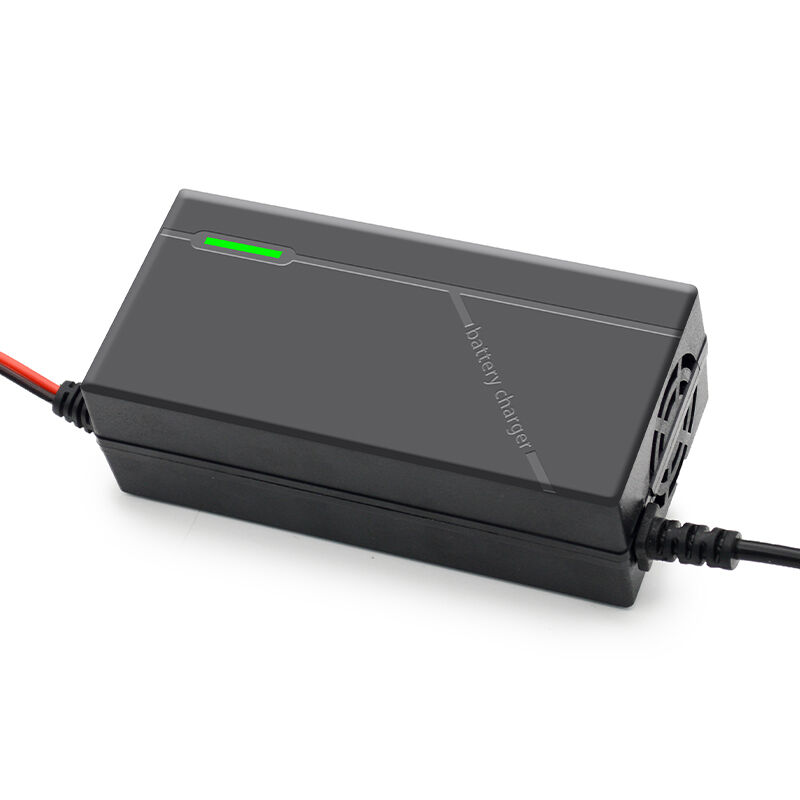
Electric bikes have revolutionized urban transportation, offering an eco-friendly alternative to traditional vehicles. However, the safety and reliability of your ebike largely depend on one critical component that often goes overlooked: the ebike charger. A high-quality ebike charger not only ensures optimal battery performance but also protects your investment from potential hazards like overheating, electrical faults, and battery damage. Understanding the essential safety features in modern ebike chargers can mean the difference between years of trouble-free riding and costly repairs or dangerous incidents.
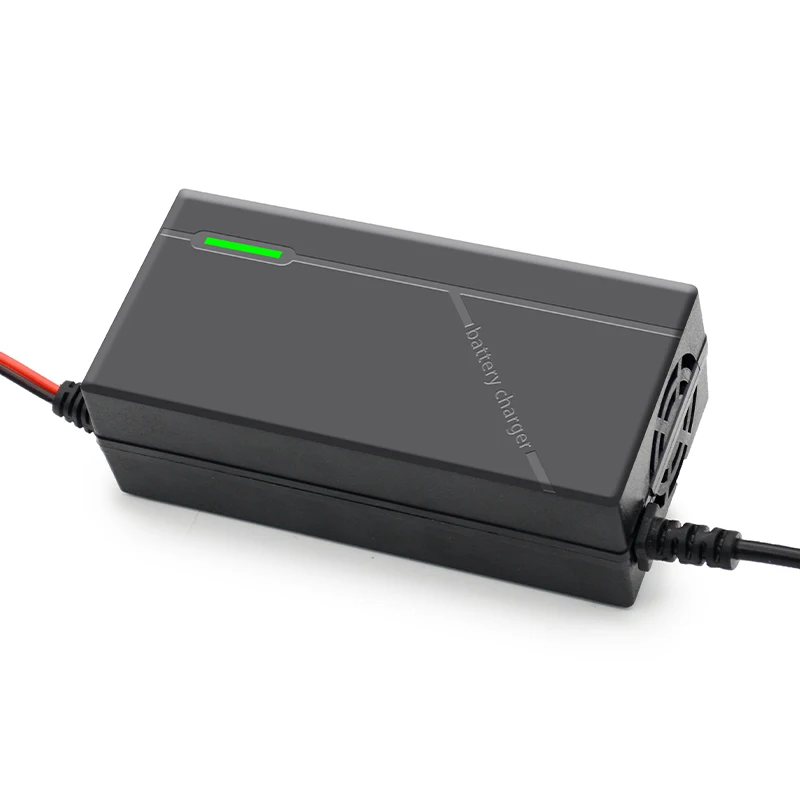
Essential Overcurrent Protection Mechanisms
Automatic Current Limiting Technology
Modern ebike charger units incorporate sophisticated current limiting technology that prevents excessive electrical flow during charging cycles. This protection mechanism continuously monitors the charging current and automatically reduces it when safe thresholds are exceeded. Advanced current limiting systems use precision resistors and intelligent control circuits to maintain optimal charging rates while preventing battery cell damage. The technology ensures that even if there's a sudden power surge or electrical anomaly, your ebike charger will respond within milliseconds to protect both the battery and the charging system itself.
Professional-grade ebike charger models feature multi-stage current protection that adapts to different charging phases. During the initial bulk charging phase, the system allows higher current flow for faster charging, then gradually reduces current as the battery approaches full capacity. This intelligent approach not only protects the battery from overcurrent damage but also extends its overall lifespan by preventing stress-inducing rapid charging near maximum capacity.
Circuit Breaker Integration
High-quality ebike charger systems include built-in circuit breakers that serve as the last line of defense against catastrophic electrical failures. These mechanical safety devices physically disconnect the charging circuit when dangerous current levels are detected, preventing potential fire hazards or equipment damage. Unlike electronic protection systems that might fail under extreme conditions, circuit breakers provide reliable mechanical interruption that works even during power supply failures or control system malfunctions.
The integration of resettable circuit breakers in premium ebike charger units allows for convenient recovery after protection events. Once the fault condition is resolved, users can simply reset the breaker and resume normal charging operations. This feature eliminates the need for costly component replacements while maintaining consistent protection throughout the charger's operational life.
Advanced Temperature Management Systems
Real-Time Thermal Monitoring
Temperature control represents one of the most critical safety aspects in any ebike charger design. Advanced thermal monitoring systems use multiple temperature sensors strategically placed throughout the charging circuit to provide comprehensive heat management. These sensors continuously track component temperatures and communicate with the charger's control system to prevent dangerous overheating conditions that could lead to component failure or fire hazards.
Sophisticated ebike charger models employ predictive thermal management algorithms that anticipate temperature rises based on current charging conditions and ambient factors. This proactive approach allows the system to implement protective measures before critical temperatures are reached, ensuring consistent performance even during extended charging sessions or in challenging environmental conditions.
Active Cooling Mechanisms
Premium ebike charger units feature active cooling systems that maintain optimal operating temperatures through forced air circulation or advanced heat dissipation technologies. Variable-speed cooling fans automatically adjust their operation based on real-time temperature readings, providing efficient heat removal while minimizing noise levels during normal operation. These systems ensure that internal components remain within safe operating ranges even during high-power charging cycles or elevated ambient temperatures.
Some innovative ebike charger designs incorporate passive cooling technologies such as advanced heat sink configurations and thermal interface materials that efficiently transfer heat away from critical components. These systems work in conjunction with active cooling to provide redundant thermal protection and ensure reliable operation across a wide range of environmental conditions.
Comprehensive Voltage Regulation Features
Precision Voltage Control
Accurate voltage regulation forms the foundation of safe ebike charger operation, protecting sensitive battery cells from damaging overvoltage conditions. Modern switching-mode power supplies in quality ebike charger units maintain output voltage within strict tolerances, typically less than one percent deviation from nominal values. This precision ensures that lithium-ion batteries receive the exact voltage required for safe and efficient charging without risking cell damage or reduced lifespan.
Advanced voltage regulation systems in professional ebike charger models incorporate feedback control loops that continuously adjust output voltage based on battery conditions and charging progress. These systems can compensate for variations in input power quality, component aging, and temperature effects to maintain consistent charging voltage throughout the entire charging cycle.
Overvoltage Protection Circuits
Dedicated overvoltage protection circuits provide critical safety barriers against voltage spikes that could damage expensive ebike batteries or create safety hazards. These protection systems use high-speed voltage monitoring circuits coupled with rapid-response shutdown mechanisms that can disconnect the charging circuit within microseconds of detecting dangerous voltage levels. Modern ebike charger designs incorporate multiple layers of overvoltage protection to ensure comprehensive coverage against various fault scenarios.
Crowbar protection circuits in advanced ebike charger systems provide additional safeguards by creating controlled short circuits that safely dissipate excessive voltage energy. These circuits activate only under extreme overvoltage conditions and include self-resetting mechanisms that allow normal operation to resume once safe voltage levels are restored.
Smart Communication and Monitoring Capabilities
Battery Management System Integration
Contemporary ebike charger technology incorporates sophisticated communication protocols that enable seamless integration with battery management systems. These communication channels allow the charger to receive real-time information about battery cell conditions, temperature distribution, and charging requirements. This bidirectional communication ensures that the ebike charger can optimize charging parameters for maximum safety and efficiency while extending battery life through intelligent charging algorithms.
Advanced protocol support in premium ebike charger models enables compatibility with various battery management systems and allows for future firmware updates that can enhance safety features and charging performance. This connectivity also enables remote monitoring capabilities that can alert users to potential issues before they become serious problems.
Diagnostic and Error Reporting
Modern ebike charger systems include comprehensive diagnostic capabilities that continuously monitor system health and operational parameters. These systems can detect subtle changes in performance that might indicate developing problems and provide early warning through visual indicators or communication interfaces. Detailed error logging capabilities help technicians quickly identify and resolve issues, minimizing downtime and preventing potential safety hazards.
User-friendly status indicators on quality ebike charger units provide clear feedback about charging progress and system status through LED displays or digital interfaces. These indicators help users understand when charging is complete and alert them to any fault conditions that require attention, promoting safe charging practices and proper system maintenance.
Physical Safety and Build Quality Standards
Enclosure Protection and Certifications
The physical construction of an ebike charger plays a crucial role in overall safety performance and long-term reliability. High-quality charger enclosures feature robust materials and construction methods that protect internal components from environmental hazards such as moisture, dust, and physical impact. Professional-grade ebike charger models typically achieve IP65 or higher ingress protection ratings, ensuring safe operation in challenging outdoor conditions.
International safety certifications such as UL, CE, and FCC compliance indicate that an ebike charger has undergone rigorous testing for electrical safety, electromagnetic compatibility, and performance standards. These certifications provide assurance that the charger meets established safety requirements and has been validated through independent testing laboratories.
Ground Fault Protection
Ground fault circuit interrupter technology in advanced ebike charger designs provides essential protection against electrical shock hazards that could occur due to insulation failures or moisture ingress. These systems continuously monitor the electrical balance between hot and neutral conductors and immediately shut down power if any leakage current is detected. This protection is particularly important for outdoor charging applications where environmental conditions might compromise electrical safety.
Isolation transformers in quality ebike charger units provide additional safety through electrical isolation between input and output circuits. This isolation prevents dangerous voltage potentials from reaching the battery or bike frame while also reducing electromagnetic interference and improving charging performance in electrically noisy environments.
Frequently Asked Questions
What safety certifications should I look for in an ebike charger
Look for UL Listed, CE marked, and FCC certified ebike charger models, as these indicate compliance with rigorous safety standards. Additionally, seek chargers that meet IP65 or higher ingress protection ratings for environmental durability. RoHS compliance ensures the charger is free from hazardous materials, while Energy Star certification indicates efficient operation that reduces heat generation and improves safety.
How do I know if my ebike charger has adequate temperature protection
A quality ebike charger should remain only warm to the touch during operation and include visible cooling vents or fans. Look for models that specify thermal shutdown protection and automatic temperature monitoring in their technical specifications. If your charger becomes hot enough to be uncomfortable to touch or shows signs of overheating such as unusual odors or discoloration, discontinue use immediately and consult a qualified technician.
Can using a generic charger damage my ebike battery
Yes, generic or incompatible chargers can cause significant damage to ebike batteries and create serious safety hazards. Always use chargers specifically designed for your battery type and voltage requirements. Generic chargers often lack proper voltage regulation, current limiting, and temperature protection features found in quality ebike charger units. Using the wrong charger can lead to overcharging, overheating, reduced battery life, or even dangerous thermal runaway conditions.
What should I do if my ebike charger shows fault indicators during charging
Immediately disconnect the ebike charger from both the power source and battery if any fault indicators appear, such as blinking lights, error codes, or unusual sounds. Allow the system to cool completely before attempting to identify the issue. Check all connections for corrosion, damage, or loose contacts, and verify that the charging environment meets the manufacturer's specifications. If problems persist, contact the manufacturer or a qualified service technician rather than attempting to override safety systems or continue charging with a potentially defective unit.