 EN
EN

Electric bikes have revolutionized personal transportation, offering an eco-friendly and efficient way to commute and explore. However, one of the most critical components that often causes frustration for ebike owners is the ebike charger. Understanding how to troubleshoot common issues with your ebike charger can save you time, money, and ensure your electric bike remains a reliable mode of transportation. Many riders experience charging problems that can be resolved with proper diagnosis and simple solutions.
Understanding Your Ebike Charger System
Components of an Ebike Charging System
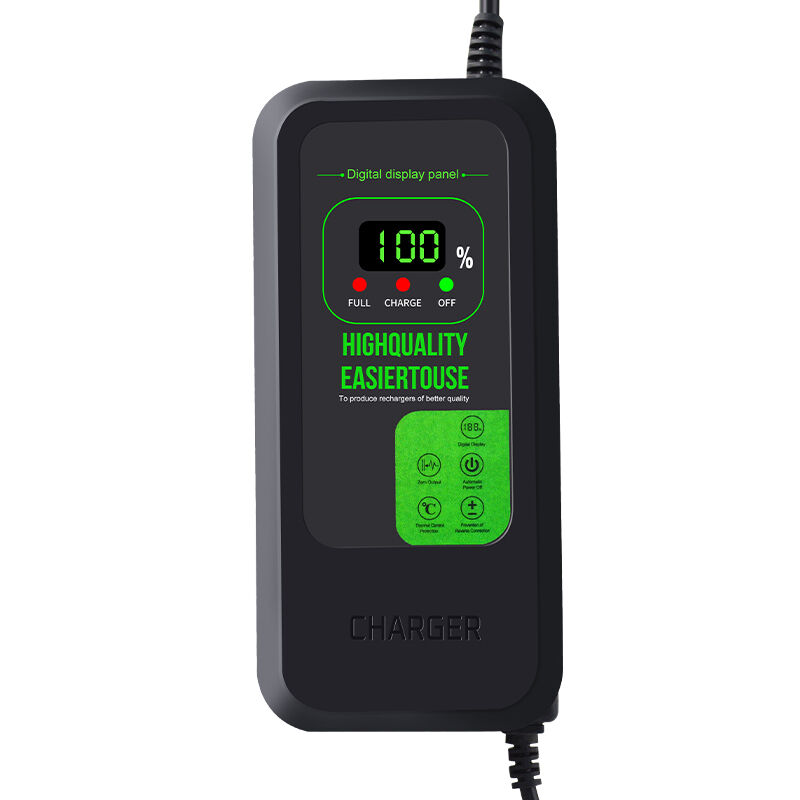
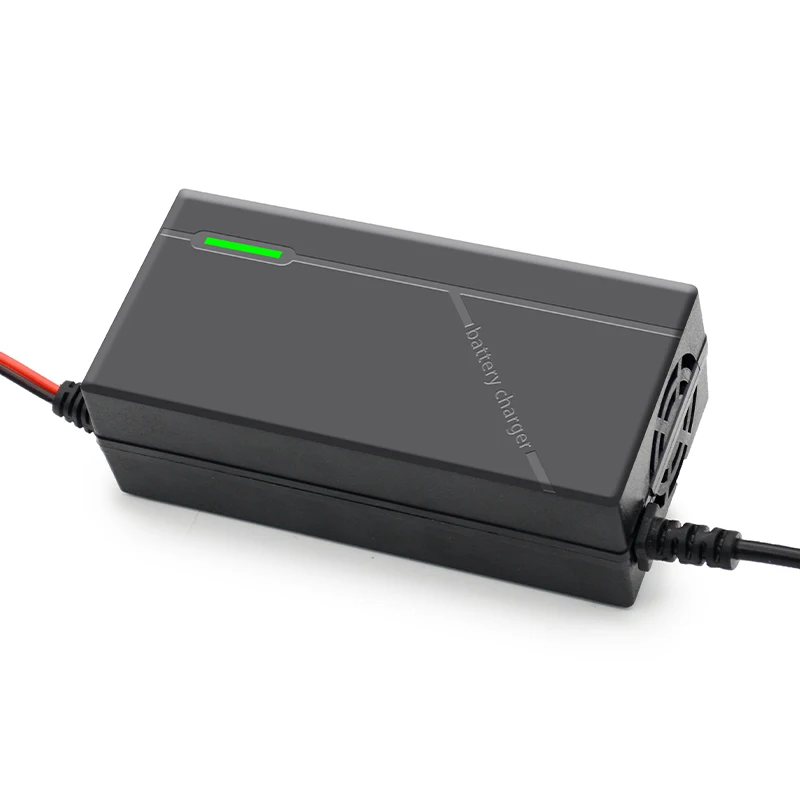
The ebike charger system consists of several interconnected components that work together to safely charge your battery. The primary charger unit converts AC power from your wall outlet into the specific DC voltage required by your battery pack. Most modern ebike charger units feature LED indicators that display charging status, helping you monitor the charging process. The charging port on your bike connects to the battery management system, which regulates power flow and prevents overcharging.
Temperature sensors within both the ebike charger and battery pack ensure safe operation by monitoring heat levels during charging. Smart chargers often include microprocessors that communicate with the battery to optimize charging cycles and extend battery life. Understanding these components helps you identify where problems might originate when your ebike charger stops working properly.
Voltage and Amperage Requirements
Every ebike charger is designed to work with specific voltage and amperage requirements that match your battery specifications. Using an incompatible ebike charger can damage your battery or create safety hazards. Most electric bikes use 24V, 36V, 48V, or 52V battery systems, and each requires a corresponding charger voltage output. The amperage rating determines how quickly your battery charges, with higher amperage chargers typically charging faster but potentially generating more heat.
Matching your ebike charger specifications exactly to your battery requirements ensures optimal performance and longevity. Always check the voltage and amperage ratings on both your battery and charger before connecting them. Mismatched specifications are one of the most common causes of charging problems and can lead to permanent damage to your electric bike's electrical system.
Identifying Common Charging Problems
Charger Not Powering On
When your ebike charger fails to power on, the issue could stem from several sources within the charging system. Check the power outlet first by testing it with another device to ensure electricity is flowing properly. Examine the charger's power cord for any visible damage, including cuts, kinks, or exposed wires that could interrupt power flow. Loose connections at either the wall outlet or charger input can prevent your ebike charger from receiving adequate power.
Internal fuses within the ebike charger may have blown due to power surges or electrical issues. Many chargers have replaceable fuses that can be accessed by opening the charger housing, though this should only be done by experienced technicians. If the LED indicators on your charger remain completely dark despite being plugged in, internal component failure is likely the culprit requiring professional repair or replacement.
Slow or Incomplete Charging
An ebike charger that takes significantly longer than usual to charge your battery or fails to reach full capacity indicates underlying problems with the charging system. Battery degradation over time can cause slower charging speeds as the cells lose their ability to accept charge efficiently. Environmental factors such as extreme temperatures can also affect how quickly your ebike charger can safely charge the battery.
Dirty or corroded charging ports can create resistance that slows the charging process and prevents your battery from reaching full capacity. Inspect both the charger connector and bike charging port for any signs of corrosion, dirt, or damage. Clean connections with appropriate contact cleaner and ensure all connections are secure before attempting to charge your battery again.
Step-by-Step Troubleshooting Methods
Basic Visual Inspection
Begin troubleshooting your ebike charger by conducting a thorough visual inspection of all components. Examine the charger housing for cracks, burn marks, or other signs of physical damage that could indicate internal problems. Check the power cord along its entire length for cuts, kinks, or areas where the insulation might be compromised. Damaged cords are common causes of charging failures and safety hazards.
Inspect the charging connector that plugs into your bike for bent pins, corrosion, or debris that could prevent proper electrical contact. Look at the charging port on your ebike for similar issues, including loose mounting or damaged wiring connections. Document any visible problems you find, as this information will be valuable if you need to consult with a repair technician or order replacement parts.
Testing Electrical Connections
Use a multimeter to test the electrical output of your ebike charger and verify it's producing the correct voltage. Set your multimeter to DC voltage measurement and connect the probes to the charger output while it's plugged in but not connected to your bike. The reading should match the voltage specification printed on your charger label, typically within a few volts of the rated output.
Test the continuity of your charging cables by checking resistance through the power cord and connector cables. High resistance readings or infinite resistance indicate broken wires or poor connections that need repair. When testing your ebike charger, always follow safety procedures and disconnect power before making any adjustments to wiring or connections.
Battery-Related Charging Issues
Battery Management System Problems
The battery management system in your ebike works closely with the ebike charger to ensure safe and efficient charging cycles. When the BMS detects problems such as overheating, overvoltage, or cell imbalance, it may prevent charging even when using a functioning charger. Error codes or blinking LED patterns on your charger often indicate BMS-related issues rather than charger problems.
Cell balancing issues within your battery pack can prevent your ebike charger from completing its charging cycle. The BMS monitors individual cell voltages and may stop charging if any cells are significantly out of balance with others. This protective feature prevents damage to your battery but requires specific procedures to reset and rebalance the cells before normal charging can resume.
Battery Age and Degradation
As lithium-ion batteries age, they gradually lose their ability to hold charge and may become incompatible with their original ebike charger specifications. Older batteries may require longer charging times or may not reach their original full capacity even with a properly functioning charger. Internal resistance increases as batteries age, causing them to generate more heat during charging and potentially triggering safety shutoffs.
Temperature sensitivity also increases with battery age, making older batteries more susceptible to charging problems in extreme weather conditions. If your battery is several years old and exhibiting charging issues, the problem may be battery degradation rather than charger malfunction. Professional battery testing can determine if replacement is necessary or if reconditioning procedures might restore proper charging behavior.
Environmental Factors Affecting Charging
Temperature Considerations
Temperature plays a crucial role in how effectively your ebike charger can charge your battery. Most lithium-ion batteries have optimal charging temperature ranges between 50°F and 86°F (10°C to 30°C). Charging outside these ranges can trigger safety systems that slow or stop the charging process. Cold temperatures reduce battery chemistry efficiency, while excessive heat can damage cells and trigger thermal protection systems.
When charging in cold conditions, allow your battery to warm to room temperature before connecting your ebike charger. Similarly, batteries that are hot from recent use should cool down before charging begins. Many modern chargers include temperature compensation features that adjust charging parameters based on ambient conditions, but extreme temperatures can still cause charging problems.
Humidity and Moisture Protection
Moisture is one of the biggest enemies of electrical charging systems and can cause significant damage to your ebike charger and battery. High humidity environments can cause corrosion of electrical contacts and internal components over time. Water damage from rain or washing can create short circuits and permanent damage to charging systems.
Always charge your ebike in dry, well-ventilated areas and protect your ebike charger from moisture exposure. If your charger or bike has been exposed to water, allow everything to dry completely before attempting to charge. Use dielectric grease on electrical connections to provide additional moisture protection, especially if you frequently ride or store your bike in humid conditions.
Professional Repair vs DIY Solutions
When to Attempt DIY Repairs
Simple ebike charger problems such as loose connections, dirty contacts, or blown fuses can often be resolved with basic DIY troubleshooting. Cleaning charging ports, checking power cords for damage, and testing electrical connections are safe procedures that most bike owners can perform. Replacing accessible fuses or connectors may also be within the capability of mechanically inclined riders.
However, any repairs involving opening the charger housing, working with high-voltage circuits, or modifying internal components should be left to qualified technicians. Modern ebike charger circuits contain sophisticated electronics that require specialized knowledge and tools for safe repair. Attempting complex repairs without proper experience can create safety hazards and may void warranty coverage.
Choosing Professional Service
Professional repair services have the specialized equipment and expertise needed to diagnose complex ebike charger problems accurately. They can perform detailed circuit analysis, component testing, and repairs that aren't possible with basic tools. Authorized service centers also have access to genuine replacement parts and can ensure repairs meet manufacturer specifications.
When choosing a repair service for your ebike charger, look for technicians with specific experience in electric bike systems and lithium battery technology. Generic electronics repair shops may not have the specialized knowledge needed for modern ebike charging systems. Always get detailed estimates and ask about warranty coverage on repair work before authorizing any services.
Preventive Maintenance for Charger Longevity
Regular Cleaning and Inspection
Implementing a regular maintenance routine can significantly extend the life of your ebike charger and prevent many common problems. Clean the charger housing regularly with a dry cloth to remove dust and debris that can block ventilation ports. Inspect the power cord and connectors monthly for signs of wear, damage, or corrosion that could lead to charging failures.
Keep charging ports on both your ebike charger and bike clean and free from moisture. Use compressed air to blow out any debris from connector ports and apply dielectric grease sparingly to protect electrical contacts. Store your charger in a clean, dry location when not in use and avoid exposing it to extreme temperatures or physical impacts that could cause internal damage.
Proper Storage Practices
How you store your ebike charger when not in use significantly affects its longevity and reliability. Keep the charger in a temperature-controlled environment away from direct sunlight and moisture. Avoid storing the charger in extremely hot areas such as car trunks or garages during summer months, as excessive heat can degrade internal components over time.
Coil power cords loosely to prevent kinking and stress on internal wires. Never wrap cords tightly around the charger housing or bend them at sharp angles repeatedly. If you transport your ebike charger frequently, consider using a padded carrying case to protect it from physical damage during transport. Proper storage practices can prevent many mechanical failures and extend the useful life of your charging equipment.
FAQ
Why does my ebike charger get hot during charging
It's normal for an ebike charger to generate some heat during operation, as the internal electronics convert AC power to DC and regulate charging current. However, excessive heat that makes the charger too hot to touch may indicate problems with ventilation, internal component failure, or overloading. Ensure your charger has adequate ventilation around all sides and isn't covered or enclosed during use. If overheating persists, discontinue use and consult a professional technician, as continued operation could damage both the charger and your battery.
Can I use a different brand charger for my ebike
While it may be physically possible to connect a different brand ebike charger to your bike, doing so is not recommended unless the specifications exactly match your original charger. Different manufacturers may use varying charging protocols, connector types, and safety features that aren't compatible with your battery system. Using an incompatible charger can damage your battery, void warranty coverage, and create safety hazards. Always use the manufacturer-recommended charger or a certified replacement with identical specifications.
How long should an ebike charger last before replacement
A quality ebike charger should typically last 3 to 5 years with regular use and proper maintenance. Factors that affect charger lifespan include usage frequency, environmental conditions, build quality, and how well the charger is maintained. Signs that your charger may need replacement include consistently slow charging, failure to reach full battery capacity, unusual noises, excessive heat generation, or visible damage to the housing or cords. High-quality chargers with proper care can sometimes last longer, while cheaper units may require replacement sooner.
What should I do if my ebike charger sparks when plugging in
Sparking when connecting your ebike charger is a serious safety concern that requires immediate attention. Disconnect the charger immediately and do not attempt to use it until the problem is resolved. Sparking can indicate damaged wiring, short circuits, or incompatible electrical connections that could cause fires or electrical shock. Inspect all connections for visible damage, corrosion, or moisture, but do not attempt repairs yourself. Contact a qualified technician or the manufacturer for professional diagnosis and repair, as continued use of a sparking charger poses significant safety risks.