 EN
EN


Modern automotive technology has revolutionized the way we maintain and charge vehicle batteries, making the traditional car battery charger more sophisticated and efficient than ever before. Today's advanced charging solutions offer unprecedented performance benefits that extend battery life, improve charging speed, and provide intelligent monitoring capabilities. These innovations have transformed simple charging devices into comprehensive battery management systems that adapt to different battery types and charging conditions. Understanding the performance advantages of contemporary car battery charger technology helps vehicle owners make informed decisions about their battery maintenance needs.
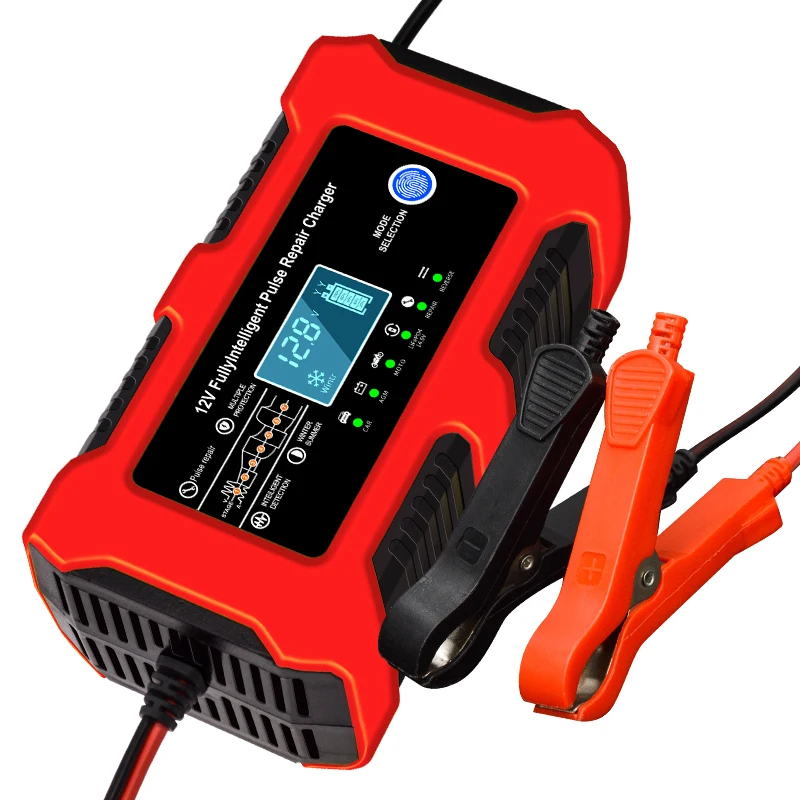
Advanced Charging Technology and Performance Optimization
Intelligent Charging Algorithms
Contemporary car battery charger units incorporate sophisticated microprocessor-controlled charging algorithms that automatically adjust voltage and current levels throughout the charging cycle. These smart systems analyze battery condition in real-time, determining optimal charging parameters based on battery chemistry, temperature, and state of charge. The intelligent algorithms prevent overcharging and undercharging scenarios that commonly damage traditional lead-acid and lithium batteries. Modern charging technology delivers precise power management that maximizes charging efficiency while minimizing energy waste and heat generation.
Advanced charging algorithms also feature multi-stage charging processes that include bulk charging, absorption, and float maintenance phases. Each phase serves a specific purpose in restoring battery capacity and maintaining long-term health. The bulk phase rapidly charges the battery to approximately 80% capacity, while the absorption phase slowly brings the charge to 100% without damaging the battery cells. Float maintenance keeps the battery at optimal charge levels during storage periods, preventing sulfation and capacity loss that plague conventional charging methods.
Temperature Compensation and Environmental Adaptation
Modern car battery charger systems feature advanced temperature compensation technology that adjusts charging parameters based on ambient and battery temperature conditions. Cold weather significantly affects battery performance and charging efficiency, requiring modified voltage levels to achieve proper charging. Temperature sensors integrated into contemporary charging units automatically compensate for these variations, ensuring consistent charging performance across diverse environmental conditions. This adaptation prevents battery damage from temperature-induced charging irregularities and maintains optimal charging efficiency year-round.
Environmental adaptation extends beyond temperature compensation to include humidity detection and altitude adjustment capabilities in premium charging systems. These features ensure reliable charging performance in various climatic conditions, from humid coastal regions to dry mountain environments. The enhanced environmental adaptation makes modern charging solutions suitable for professional automotive service applications, fleet maintenance operations, and demanding consumer use scenarios where consistent performance is essential.
Battery Health Monitoring and Diagnostic Capabilities
Real-Time Battery Analysis
Contemporary car battery charger technology includes comprehensive battery health monitoring systems that provide real-time analysis of battery condition and performance metrics. These diagnostic capabilities assess internal resistance, voltage stability, and capacity retention to determine overall battery health. Advanced monitoring systems can identify early signs of battery degradation, sulfation, and cell imbalance before these issues cause complete battery failure. The diagnostic information helps users make informed decisions about battery maintenance, replacement timing, and charging schedules.
Real-time analysis features include digital displays that show charging progress, battery voltage, current flow, and estimated completion time. Some advanced units provide detailed battery health reports through smartphone applications or computer interfaces, allowing users to track battery performance trends over time. This monitoring capability is particularly valuable for fleet operators and automotive professionals who need to maintain multiple vehicles and optimize battery replacement schedules based on actual performance data rather than arbitrary time intervals.
Preventive Maintenance and Reconditioning Functions
Modern charging systems incorporate preventive maintenance features that actively work to restore and maintain battery health through specialized reconditioning cycles. These functions include desulfation processes that break down sulfate crystal buildup on battery plates, pulse charging techniques that improve electrolyte circulation, and equalization charging that balances cell voltages in multi-cell batteries. Preventive maintenance capabilities can significantly extend battery life and restore capacity in batteries that show signs of degradation or poor performance.
Reconditioning functions are particularly effective for lead-acid batteries that have experienced deep discharge cycles or extended storage periods. The car battery charger pulse repair technology helps break down sulfation and restore chemical activity within battery cells. These reconditioning processes can often revive batteries that appear to be failing, providing significant cost savings and environmental benefits by extending useful battery life.
Multi-Chemistry Compatibility and Versatile Applications
Universal Battery Type Support
Advanced car battery charger designs support multiple battery chemistries including traditional lead-acid, AGM, gel cell, and lithium iron phosphate batteries. This versatility eliminates the need for multiple specialized chargers and provides comprehensive charging solutions for diverse vehicle fleets and applications. Multi-chemistry compatibility requires sophisticated charging profiles that automatically detect battery type and apply appropriate charging parameters. The universal support capability makes modern chargers valuable for automotive service centers, fleet operators, and enthusiasts who work with various battery technologies.
Universal battery support extends to different voltage systems, with many modern units capable of charging both 12V and 24V battery systems commonly found in passenger vehicles, motorcycles, boats, and commercial trucks. Some advanced units also support 6V systems used in classic vehicles and specialized applications. This voltage flexibility, combined with chemistry compatibility, makes contemporary charging solutions suitable for virtually any automotive charging requirement while maintaining optimal performance and safety standards.
Portable and Fixed Installation Options
Modern car battery charger technology offers both portable and permanently installed charging solutions to meet different user requirements and application scenarios. Portable units feature compact designs, lightweight construction, and convenient carrying cases that make them ideal for emergency roadside assistance, mobile service operations, and home garage use. These portable systems often include built-in safety features, automatic operation modes, and user-friendly interfaces that make them accessible to both professional technicians and casual users.
Fixed installation charging systems provide permanent charging solutions for fleet maintenance facilities, parking garages, and storage areas where vehicles require regular maintenance charging. These systems often feature multiple charging stations, centralized monitoring capabilities, and automated scheduling functions that optimize charging operations across multiple vehicles. Fixed installation options frequently include weatherproof enclosures, theft-resistant mounting systems, and integration capabilities with building management systems for comprehensive facility automation.
Safety Features and Protection Mechanisms
Comprehensive Safety Protection Systems
Contemporary car battery charger units incorporate multiple layers of safety protection to prevent accidents, equipment damage, and personal injury during charging operations. These protection systems include reverse polarity protection that prevents damage from incorrect connection, spark-proof technology that eliminates dangerous arcing during connection and disconnection, and overload protection that shuts down charging when excessive current draw is detected. Advanced safety features make modern chargers significantly safer than traditional units that relied primarily on fuses and basic circuit protection.
Additional safety mechanisms include short circuit protection, thermal protection that prevents overheating, and ground fault protection for electrical safety. Many units feature LED indicators and audible alarms that provide clear status information and alert users to potential problems or unsafe conditions. These comprehensive safety systems allow confident operation by users with varying levels of technical expertise while maintaining professional-grade protection standards required in commercial and industrial applications.
User-Friendly Operation and Interface Design
Modern charging systems prioritize user-friendly operation through intuitive interfaces, clear status displays, and simplified connection procedures. Touch-screen displays, LED indicators, and straightforward button layouts make operation accessible to users regardless of technical background. Many units feature one-button operation modes that automatically configure all charging parameters based on detected battery conditions, eliminating guesswork and potential user errors that could damage batteries or equipment.
Interface design improvements include clear labeling, color-coded connection points, and step-by-step operation guides built into the charger housing. Some advanced units provide voice prompts or smartphone app integration that guides users through proper connection and operation procedures. These user-friendly features reduce the learning curve associated with car battery charger operation and increase the likelihood of proper use, which directly impacts charging effectiveness and safety outcomes.
Energy Efficiency and Environmental Benefits
High-Efficiency Power Conversion Technology
Advanced car battery charger designs utilize high-efficiency switch-mode power supply technology that dramatically reduces energy consumption compared to traditional linear charging systems. Modern units typically achieve efficiency ratings above 85%, with premium models reaching 90% or higher efficiency levels. This improved efficiency translates to reduced electricity costs, lower heat generation, and decreased environmental impact from reduced power consumption. High efficiency also enables more compact designs and improved reliability through reduced thermal stress on internal components.
Energy efficiency improvements extend to standby power consumption, with modern chargers drawing minimal power when not actively charging. Many units feature automatic sleep modes that reduce power consumption to near-zero levels when batteries reach full charge and maintenance mode is not required. These efficiency improvements make contemporary charging solutions more environmentally responsible and cost-effective for both individual users and large-scale fleet operations where charging costs can represent significant operational expenses.
Sustainable Charging Practices and Battery Longevity
Modern car battery charger technology promotes sustainable practices through features that extend battery life and reduce battery waste. Intelligent charging algorithms prevent the overcharging and deep discharge cycles that typically shorten battery lifespan, while maintenance charging modes keep batteries at optimal charge levels during storage periods. Extended battery life directly reduces environmental impact by decreasing the frequency of battery replacement and reducing the volume of spent batteries requiring disposal or recycling.
Sustainable charging practices include reconditioning functions that can restore degraded batteries to useful service life, reducing premature battery disposal. Some advanced systems provide battery health tracking that helps users optimize charging schedules and identify maintenance opportunities before battery failure occurs. These sustainability features align with growing environmental consciousness and regulations regarding battery waste, making modern charging technology an important component of responsible automotive maintenance practices.
FAQ
What makes modern car battery chargers more efficient than older models
Modern car battery charger units achieve superior efficiency through advanced switch-mode power supply technology and intelligent charging algorithms that optimize power delivery based on real-time battery conditions. These systems typically operate at 85-90% efficiency compared to 60-70% efficiency in older linear chargers, resulting in lower energy consumption, reduced heat generation, and faster charging times. The intelligent algorithms also prevent energy waste from overcharging and automatically adjust charging parameters for optimal battery health and performance.
How do smart charging features extend battery life
Smart charging features extend battery life by preventing the damaging conditions that typically cause premature battery failure. Multi-stage charging algorithms ensure batteries receive optimal charging without overcharging stress, while temperature compensation adjusts charging parameters for environmental conditions. Desulfation and reconditioning functions actively restore battery health by breaking down sulfate buildup and improving chemical activity within battery cells. These features can extend battery life by 50-100% compared to basic charging methods.
Can modern chargers work with different types of automotive batteries
Yes, contemporary car battery charger designs typically support multiple battery chemistries including lead-acid, AGM, gel cell, and lithium iron phosphate batteries commonly used in automotive applications. Advanced units automatically detect battery type and apply appropriate charging profiles, eliminating the need for manual settings or multiple specialized chargers. Many models also support different voltage systems including 6V, 12V, and 24V configurations, making them suitable for cars, motorcycles, boats, and commercial vehicles.
What safety features should I look for in a modern battery charger
Essential safety features in modern car battery charger units include reverse polarity protection, spark-proof technology, short circuit protection, and thermal overload protection. Look for units with comprehensive LED status indicators, automatic shut-off functions, and ground fault protection for electrical safety. Advanced models may include features like battery health monitoring, automatic voltage detection, and fail-safe operation modes that prevent equipment damage and ensure user safety during charging operations.