 EN
EN

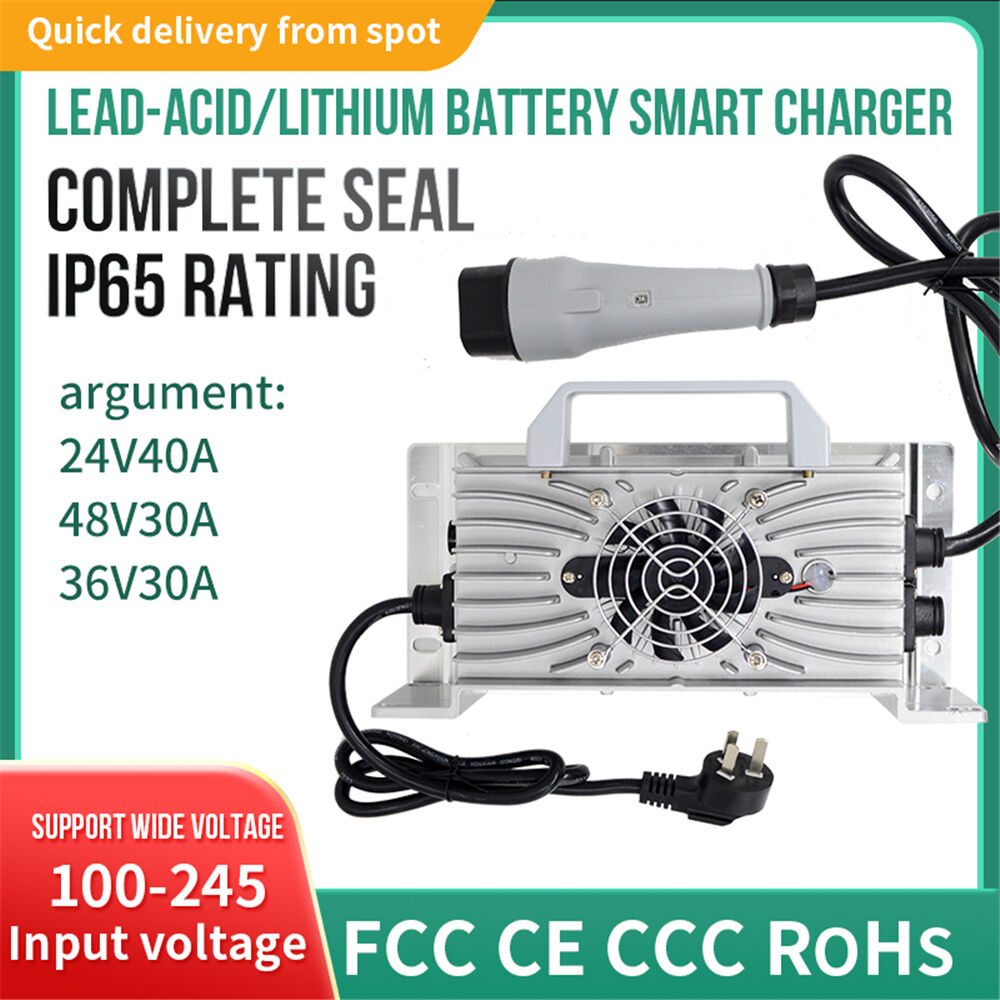
Outdoor enthusiasts face unique challenges when it comes to keeping their electronic devices powered during adventures. Whether you're camping in remote wilderness areas, cycling through unpredictable weather, or engaging in water sports, having a reliable power source is crucial for safety and communication. A waterproof battery charger provides the essential protection needed to maintain power systems in harsh environmental conditions, ensuring your devices remain functional when you need them most.
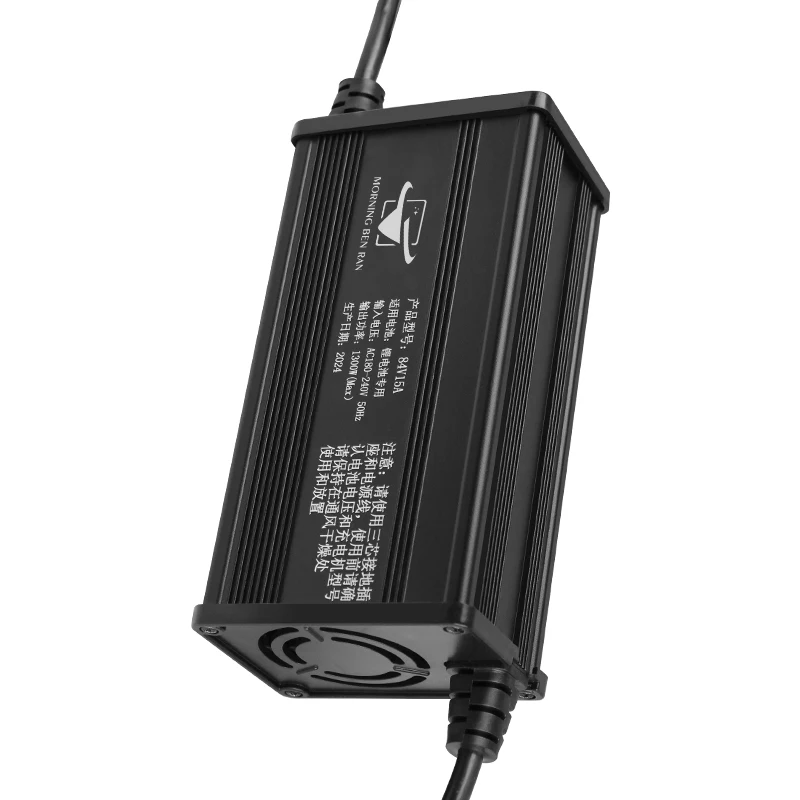
The increasing popularity of electric bikes, portable power stations, and essential communication devices has made waterproof charging solutions indispensable for outdoor activities. Traditional chargers simply cannot withstand moisture, dust, and temperature fluctuations that are common in outdoor environments. Understanding the critical role these specialized chargers play can help outdoor enthusiasts make informed decisions about their power management systems.
Understanding Waterproof Protection Standards
IP Rating Classifications
Waterproof battery chargers are classified according to Ingress Protection (IP) ratings, which indicate their resistance to solid particles and liquids. The IP rating system uses two digits, where the first represents protection against solid objects like dust, and the second indicates liquid protection levels. For outdoor applications, a waterproof battery charger typically requires an IP65 rating or higher to ensure adequate protection against water jets and dust infiltration.
Professional-grade waterproof battery chargers often feature IP67 or IP68 ratings, providing protection against temporary submersion in water. These higher ratings are particularly important for marine applications, kayaking, or activities where equipment may be exposed to heavy rain or accidental water exposure. The robust sealing mechanisms used in these chargers include gaskets, sealed connectors, and waterproof housing materials that maintain integrity under challenging conditions.
Environmental Resistance Features
Beyond water protection, quality waterproof battery chargers incorporate multiple environmental resistance features. Temperature tolerance ranges typically span from -20°C to +60°C, allowing operation in extreme weather conditions from winter camping to desert expeditions. The internal components are designed to handle thermal cycling without degradation, ensuring consistent charging performance regardless of ambient temperature fluctuations.
Shock and vibration resistance are equally important characteristics of outdoor-rated waterproof battery chargers. These units must withstand the constant movement and impacts associated with transportation in backpacks, vehicle mounts, or bike attachments. Military-grade construction standards often guide the design of premium waterproof charging systems, incorporating reinforced housings and internal component protection mechanisms.
Critical Applications in Outdoor Environments
Electric Bike Adventures
Electric bikes have revolutionized outdoor exploration, enabling riders to cover greater distances and tackle challenging terrain with ease. However, extended rides require reliable charging solutions, especially when camping or touring in remote areas. A waterproof battery charger specifically designed for electric bike systems ensures that riders can recharge their batteries safely, even during rainy conditions or in humid environments.
The versatility of waterproof battery chargers extends to various electric bike configurations, from mountain bikes used in muddy trail conditions to touring bikes crossing multiple climate zones. These chargers typically feature smart charging algorithms that optimize battery health while providing protection against overcharging, short circuits, and thermal runaway conditions that could be exacerbated by moisture exposure.
Emergency Communication Systems
Maintaining communication capability during outdoor adventures is essential for safety and emergency response. Satellite communicators, emergency beacons, and mobile devices require consistent power to function effectively in critical situations. A waterproof battery charger provides the reliability needed to keep these life-saving devices operational, regardless of weather conditions or environmental challenges encountered during outdoor activities.
Professional search and rescue teams, wilderness guides, and serious outdoor enthusiasts rely on waterproof charging solutions to maintain multiple communication devices simultaneously. The ability to charge equipment during adverse weather conditions can make the difference between successful communication and potentially dangerous isolation in remote areas.
Technical Advantages and Performance Benefits
Advanced Charging Algorithms
Modern waterproof battery chargers incorporate sophisticated charging algorithms that optimize performance while protecting battery health. Multi-stage charging processes typically include bulk charging, absorption, and float stages that maximize battery capacity while preventing overcharging damage. These intelligent systems adjust charging parameters based on battery type, temperature, and state of charge to ensure optimal performance in outdoor conditions.
Temperature compensation features in quality waterproof battery chargers automatically adjust charging voltages based on ambient temperature readings. This capability is particularly important in outdoor applications where temperature variations can significantly impact battery performance and lifespan. The integration of thermal sensors and adaptive charging logic ensures safe operation across the full temperature range typically encountered during outdoor activities.
Durability and Longevity
The construction quality of waterproof battery chargers directly impacts their longevity and reliability in demanding outdoor environments. Premium units feature corrosion-resistant materials, sealed electronic components, and robust mechanical designs that withstand years of outdoor use. The investment in a high-quality waterproof battery charger pays dividends through reduced replacement costs and improved reliability during critical outdoor adventures.
Maintenance requirements for waterproof battery chargers are typically minimal, making them ideal for extended outdoor expeditions where access to repair services is limited. Regular inspection of sealing gaskets and connector integrity ensures continued waterproof performance, while the rugged construction handles normal wear and tear associated with outdoor equipment use.
Selection Criteria for Outdoor Applications
Power Output Specifications
Selecting the appropriate waterproof battery charger requires careful consideration of power output requirements for your specific outdoor equipment. Voltage and current ratings must match the charging specifications of your devices, while considering the charging time constraints of your outdoor activities. Higher output chargers reduce charging times but may require more robust power sources, creating trade-offs between charging speed and system portability.
Multi-output waterproof battery chargers provide flexibility for charging different device types simultaneously, reducing the number of chargers needed for complex outdoor expeditions. These systems often include multiple voltage outputs and charging ports, accommodating everything from small electronics to large battery systems used in electric vehicles or portable power stations.
Portability and Weight Considerations
Weight and size constraints significantly influence waterproof battery charger selection for backpacking, cycling, and other weight-sensitive outdoor activities. Compact designs that maintain full waterproof protection require advanced engineering but provide essential space and weight savings for mobile outdoor enthusiasts. The power-to-weight ratio becomes a critical specification when comparing different waterproof charging solutions.
Modular waterproof battery charger systems allow users to customize their charging setup based on specific trip requirements. These systems enable the addition or removal of charging modules while maintaining waterproof integrity, providing flexibility for different outdoor adventure types and duration requirements.
Installation and Safety Considerations
Proper Setup Procedures
Correct installation of waterproof battery chargers is essential for maintaining their protective capabilities and ensuring safe operation in outdoor environments. Mounting considerations include vibration isolation, heat dissipation, and accessibility for maintenance while preserving waterproof sealing integrity. Professional installation guidelines help ensure that the charger's waterproof rating remains effective throughout its operational life.
Cable management plays a crucial role in maintaining waterproof protection, as connection points represent potential failure modes for water ingress. Quality waterproof battery chargers include sealed connectors and strain relief systems that prevent moisture infiltration while accommodating the mechanical stresses associated with mobile outdoor applications.
Operational Safety Protocols
Safe operation of waterproof battery chargers in outdoor environments requires understanding of basic electrical safety principles and environmental hazard awareness. Proper grounding procedures, circuit protection, and emergency shutdown protocols help prevent accidents and equipment damage during outdoor use. Training in basic troubleshooting procedures enables users to resolve common issues without compromising waterproof protection.
Regular safety inspections of waterproof battery chargers should include verification of sealing integrity, electrical connection security, and proper operation of safety features. These proactive maintenance practices help identify potential issues before they become critical problems during outdoor adventures where repair options are limited.
Future Developments and Technology Trends
Smart Connectivity Features
Emerging waterproof battery charger technologies incorporate wireless connectivity and smart monitoring capabilities that enhance user control and system optimization. Bluetooth and Wi-Fi enabled chargers allow remote monitoring of charging status, battery health, and system diagnostics through smartphone applications. These advanced features provide valuable insights into charging system performance while maintaining full waterproof protection.
Integration with renewable energy sources represents a growing trend in waterproof battery charger development. Solar panel compatibility and wind power integration enable off-grid charging solutions that align with sustainable outdoor recreation practices. These hybrid systems combine waterproof protection with environmental energy harvesting for extended outdoor expeditions.
Advanced Material Technologies
Next-generation waterproof battery chargers benefit from advanced materials research that improves durability while reducing weight and size. Nano-coating technologies provide enhanced corrosion resistance and improved sealing performance without adding bulk to the charger design. These material advances enable more compact waterproof battery chargers with superior environmental protection capabilities.
Self-healing materials and adaptive sealing systems represent cutting-edge developments in waterproof technology that could revolutionize outdoor charging equipment. These innovations promise improved reliability and reduced maintenance requirements while maintaining the robust protection needed for demanding outdoor applications.
FAQ
What IP rating should I look for in a waterproof battery charger for outdoor use
For most outdoor activities, look for a waterproof battery charger with at least an IP65 rating, which provides protection against dust and water jets from any direction. For marine applications or activities with potential submersion risk, consider IP67 or IP68 rated chargers that can withstand temporary immersion in water. The higher the second digit in the IP rating, the better the water protection.
Can waterproof battery chargers operate safely in extreme temperatures
Quality waterproof battery chargers are designed to operate across a wide temperature range, typically from -20°C to +60°C (-4°F to +140°F). However, charging performance may be reduced at temperature extremes, and some models include automatic temperature compensation to optimize charging parameters. Always check the manufacturer's specifications for your specific environmental conditions.
How do I maintain the waterproof integrity of my battery charger
Regular inspection of sealing gaskets, connector covers, and housing integrity is essential for maintaining waterproof protection. Clean sealing surfaces gently and replace gaskets according to manufacturer recommendations. Avoid using the charger if any cracks or damage to the waterproof housing are detected, and ensure all ports are properly sealed when not in use.
Are waterproof battery chargers compatible with all battery types
Waterproof battery chargers are available for various battery chemistries including lithium-ion, lead-acid, and nickel-metal hydride batteries. However, each charger is typically designed for specific voltage ranges and battery types. Always verify compatibility with your battery system before purchase, and ensure the charger includes appropriate safety features for your battery chemistry to prevent damage or safety hazards.