 EN
EN

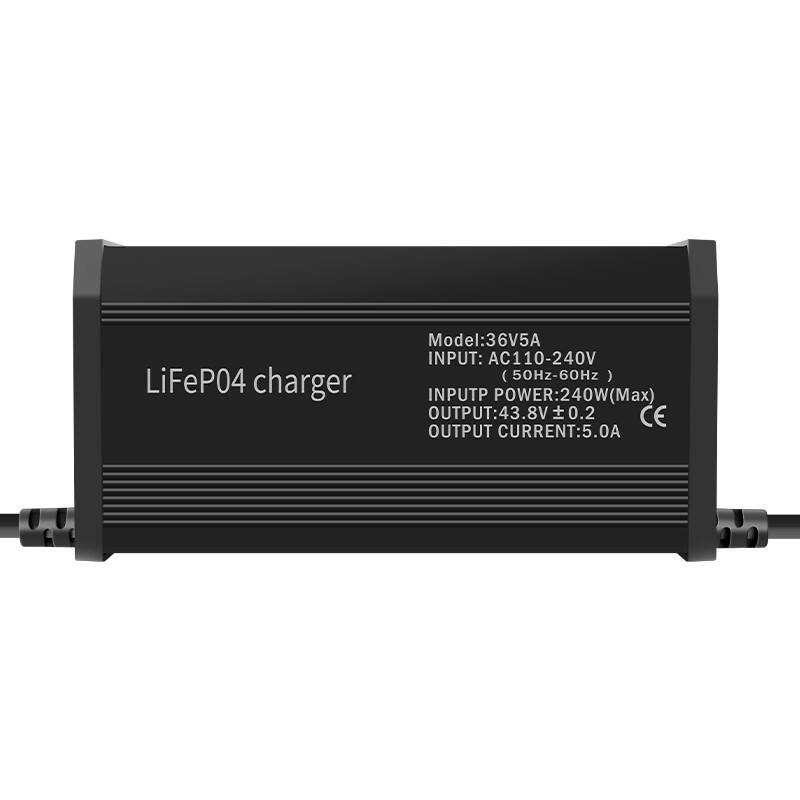
The evolution of battery technology has brought forth lithium iron phosphate batteries as a superior energy storage solution, demanding equally advanced charging systems. A dedicated lifepo4 battery charger represents a critical investment for anyone utilizing these high-performance batteries in automotive, marine, or renewable energy applications. The safety and stability advantages inherent in properly designed charging systems extend far beyond basic functionality, encompassing thermal management, voltage regulation, and long-term battery preservation.
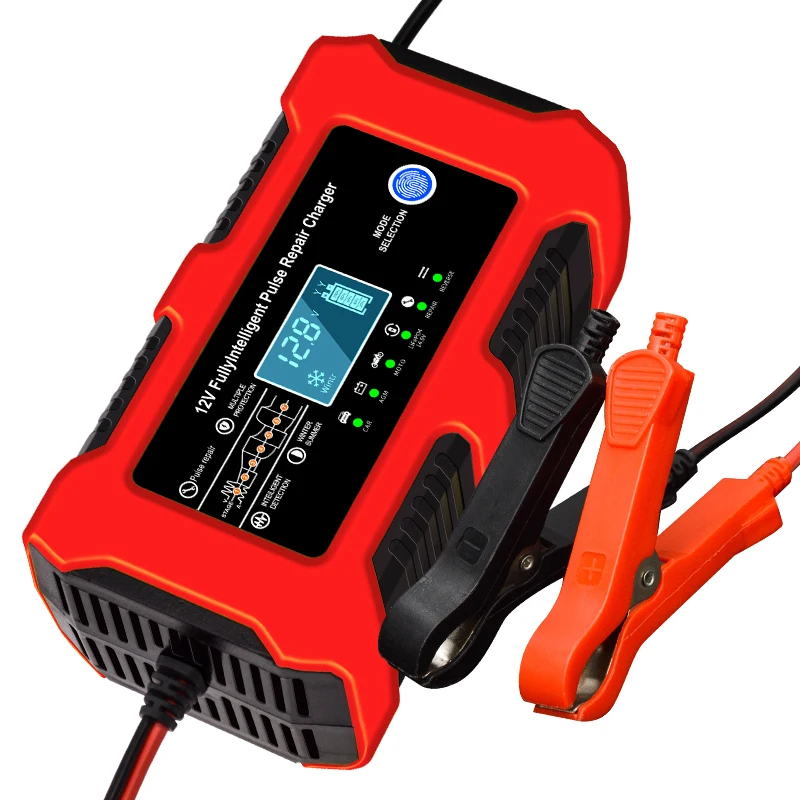
Modern charging systems designed specifically for lithium iron phosphate chemistry incorporate multiple layers of protection that traditional chargers simply cannot provide. These sophisticated devices monitor battery temperature, cell voltage balance, and charging current in real-time, ensuring optimal performance while preventing potentially dangerous situations. The integration of smart charging algorithms allows these systems to adapt to varying environmental conditions and battery states, delivering consistent results regardless of external factors.
Professional applications across industries have validated the importance of using chemistry-specific charging equipment. From electric vehicle fleets to backup power systems, the reliability of a lifepo4 battery charger directly impacts operational efficiency and safety protocols. Understanding the technical advantages and implementation considerations of these charging systems enables informed decision-making for both individual users and enterprise-level deployments.
Advanced Thermal Management Systems
Temperature Monitoring and Control
Temperature regulation stands as one of the most critical safety features in modern lifepo4 battery charger designs. These systems continuously monitor both ambient conditions and battery cell temperatures throughout the charging cycle, automatically adjusting output parameters to prevent thermal runaway scenarios. Advanced chargers incorporate multiple temperature sensors positioned at strategic points, creating a comprehensive thermal map that enables precise control over heating patterns and charging rates.
The sophisticated thermal management algorithms employed in professional-grade chargers can detect temperature anomalies within seconds, immediately implementing protective measures to prevent damage. This includes reducing charging current, activating cooling protocols, or completely suspending the charging process when temperatures exceed predetermined thresholds. Such responsive systems significantly reduce the risk of thermal damage, extending battery life while maintaining operational safety standards.
Environmental adaptation capabilities allow these charging systems to function effectively across wide temperature ranges, automatically compensating for seasonal variations and installation conditions. The integration of predictive thermal modeling enables proactive adjustments before temperature issues develop, ensuring consistent performance regardless of external conditions.
Heat Dissipation Engineering
Effective heat dissipation represents a fundamental design consideration in high-performance lifepo4 battery charger construction. Modern units incorporate advanced cooling architectures including forced air circulation, heat sink optimization, and thermal interface materials that efficiently transfer heat away from critical components. This engineering approach prevents localized hot spots that could compromise charging efficiency or create safety hazards.
The placement and sizing of cooling components within charger housings follows careful thermal analysis to maximize heat transfer while maintaining compact form factors. Advanced designs utilize computer-aided thermal modeling to optimize airflow patterns, ensuring that heat generated during high-current charging operations is effectively managed. This attention to thermal engineering details translates directly into improved reliability and extended operational lifespan.
Professional installations benefit from chargers designed with redundant cooling systems that provide backup thermal management capabilities. These multi-layer approaches ensure continued operation even if primary cooling components experience reduced efficiency, maintaining safety standards under demanding operational conditions.
Precision Voltage Regulation and Monitoring
Multi-Stage Charging Algorithms
The implementation of sophisticated multi-stage charging algorithms distinguishes professional lifepo4 battery charger systems from conventional alternatives. These algorithms precisely control voltage application throughout different charging phases, beginning with bulk charging at higher currents and transitioning to absorption and float stages as battery capacity approaches full charge. Each stage utilizes carefully calibrated voltage parameters specific to lithium iron phosphate chemistry requirements.
Advanced chargers continuously monitor individual cell voltages during the charging process, ensuring balanced charging across all cells within battery packs. This cell-level monitoring capability prevents overcharging of individual cells while maintaining overall pack performance, a critical factor in extending battery lifespan and maintaining capacity retention over thousands of charge cycles.
The precision of voltage regulation in modern charging systems exceeds traditional requirements, maintaining voltage accuracy within narrow tolerances even under varying load conditions. This level of control prevents voltage spikes that could damage sensitive battery management systems while ensuring complete charging without overcharging risks.
Real-Time Voltage Compensation
Dynamic voltage compensation capabilities enable lifepo4 battery charger systems to automatically adjust output voltages based on real-time feedback from battery monitoring circuits. This responsive adjustment accounts for factors including cable voltage drop, connector resistance, and temperature-induced voltage variations, ensuring that batteries receive optimal charging voltages regardless of installation specifics.
The integration of digital feedback systems allows chargers to compensate for aging effects in both charging equipment and battery systems, maintaining consistent performance over extended operational periods. This adaptive capability prevents gradual performance degradation that might otherwise go unnoticed until significant capacity loss occurs.
Professional-grade voltage compensation systems incorporate predictive algorithms that anticipate voltage requirements based on charging history and battery condition assessments. This proactive approach optimizes charging efficiency while preventing voltage-related stress that could compromise battery longevity.
Enhanced Safety Protection Features
Overcurrent and Short Circuit Protection
Comprehensive overcurrent protection systems form the backbone of safe lifepo4 battery charger operation, incorporating multiple detection methods and response mechanisms to prevent dangerous current flow conditions. These systems monitor charging current continuously, comparing actual values against predetermined safe operating ranges while accounting for normal charging variations and transient conditions.
Advanced protection circuits respond to overcurrent conditions within milliseconds, immediately reducing output current or completely shutting down charging operations to prevent equipment damage or safety hazards. The speed and precision of these protective responses far exceed traditional circuit protection methods, providing enhanced safety margins for both charging equipment and connected battery systems.
Short circuit protection mechanisms incorporate both electronic and mechanical safeguards, ensuring that accidental wiring faults or component failures cannot create dangerous conditions. These multi-layer protection systems include current limiting circuits, fuse protection, and electronic disconnection capabilities that isolate fault conditions while preserving system integrity.
Reverse Polarity and Ground Fault Detection
Sophisticated detection systems integrated into modern chargers identify reverse polarity connections before applying charging voltage, preventing potentially catastrophic equipment damage and safety hazards. These systems utilize electronic sensing circuits that verify correct polarity before enabling charging operations, providing clear indication of connection status through visual and audible alerts.
Ground fault detection capabilities monitor electrical isolation between charging circuits and equipment grounding systems, immediately alerting operators to potentially dangerous ground fault conditions. This protection feature proves particularly valuable in marine applications and outdoor installations where moisture exposure could create ground fault scenarios.
The integration of comprehensive fault detection systems with automatic shutdown capabilities ensures that potentially dangerous conditions are addressed immediately without requiring operator intervention. This autonomous protection approach provides critical safety margins in unattended charging applications where human monitoring may not be continuously available.
Battery Life Extension Technologies
Pulse Repair and Maintenance Charging
Advanced pulse repair technologies incorporated into premium lifepo4 battery charger systems help restore battery capacity and extend operational life through controlled pulse charging sequences. These technologies apply precisely timed voltage pulses that can help break down sulfation and other capacity-limiting deposits that accumulate during normal battery operation, potentially recovering significant capacity in aging battery systems.
Maintenance charging capabilities ensure that batteries remain at optimal charge levels during storage or standby periods without overcharging risks. These systems monitor battery voltage continuously and apply minimal maintenance current only when needed, preventing the capacity loss associated with extended storage periods while avoiding the stress of continuous charging.
The combination of pulse repair and maintenance charging technologies provides comprehensive battery care that extends beyond basic charging functions, helping users maximize their battery investment through improved longevity and maintained capacity performance over extended periods.
Intelligent Charging Cycle Optimization
Smart charging algorithms analyze battery condition and charging history to optimize charging cycles for maximum battery life and performance. These systems adjust charging parameters based on factors including battery age, temperature history, and previous charging patterns, creating customized charging profiles that minimize stress while ensuring complete charging.
The implementation of artificial intelligence and machine learning capabilities in advanced chargers enables continuous improvement in charging strategies based on accumulated operational data. This adaptive approach allows charging systems to become more effective over time, optimizing performance for specific battery types and usage patterns.
Predictive maintenance features incorporated into intelligent charging systems provide early warning of potential battery issues, allowing proactive maintenance that prevents unexpected failures. This capability proves particularly valuable in critical applications where battery reliability directly impacts operational continuity.
Installation and Integration Considerations
System Compatibility and Interface Options
Modern lifepo4 battery charger systems offer extensive compatibility with various battery management systems and monitoring equipment, enabling seamless integration into existing installations. These chargers typically provide multiple communication interfaces including CAN bus, RS485, and wireless connectivity options that allow remote monitoring and control capabilities.
The flexibility of interface options enables integration with building management systems, vehicle telematics, and renewable energy controllers, creating comprehensive energy management solutions. This connectivity allows centralized monitoring of multiple charging systems and provides valuable data for optimizing overall energy system performance.
Professional installation considerations include proper grounding, ventilation, and electrical safety requirements that ensure optimal charger performance and compliance with electrical codes. Proper installation practices directly impact both charging efficiency and long-term reliability of the complete system.
Scalability and Modular Design Features
Scalable charging system designs allow users to expand charging capacity as battery system requirements grow, providing investment protection and operational flexibility. Modular charger architectures enable parallel operation of multiple units, distributing charging load while providing redundancy for critical applications.
The ability to configure charging systems for various voltage and current requirements through modular approaches reduces inventory complexity while providing customization options for specific applications. This flexibility proves particularly valuable for fleet operators and large-scale installations requiring multiple charging configurations.
Future-proofing considerations in modular charger designs include upgrade pathways for enhanced features and communication capabilities, ensuring that charging systems remain current with evolving technology standards and operational requirements.
FAQ
What makes a lifepo4 battery charger different from standard battery chargers
A lifepo4 battery charger differs significantly from standard chargers through its specialized charging algorithms designed specifically for lithium iron phosphate chemistry. These chargers use precise voltage control, typically charging to 14.4-14.6 volts compared to the 13.8-14.4 volt range used for lead-acid batteries. They also incorporate advanced monitoring systems that track individual cell voltages and temperatures, providing protection features that standard chargers cannot offer. The multi-stage charging process is optimized for lithium chemistry, ensuring complete charging without the overcharging risks associated with using inappropriate charging equipment.
How do safety features in advanced chargers prevent battery damage
Advanced safety features in modern chargers prevent battery damage through multiple protection layers including overcurrent protection, thermal monitoring, and voltage regulation systems. These chargers continuously monitor battery temperature and automatically reduce charging current or shut down completely when temperatures exceed safe limits. Overvoltage protection prevents charging voltages from exceeding battery specifications, while short circuit protection immediately isolates fault conditions. The combination of these protective systems ensures that batteries operate within safe parameters throughout the charging cycle, preventing the thermal runaway and cell damage that can occur with inadequate protection.
Can a lifepo4 battery charger extend the actual lifespan of batteries
Yes, a properly designed lifepo4 battery charger can significantly extend battery lifespan through optimized charging algorithms and maintenance features. These chargers use precision voltage control and temperature compensation to prevent overcharging stress that degrades battery capacity over time. Advanced models incorporate pulse repair technologies that can help restore capacity in aging batteries, while maintenance charging modes keep batteries at optimal charge levels during storage without causing overcharging damage. The result is often thousands of additional charge cycles compared to batteries charged with inappropriate equipment, representing substantial cost savings over the battery's operational life.
What installation requirements should be considered for optimal charger performance
Optimal charger performance requires proper installation considerations including adequate ventilation, appropriate ambient temperature ranges, and correct electrical connections. Chargers should be mounted in locations with good airflow to support thermal management systems, typically requiring several inches of clearance around cooling vents. Electrical installation must include proper grounding and overcurrent protection sized according to charger specifications. Cable sizing between charger and battery should minimize voltage drop, particularly important for high-current charging applications. Additionally, chargers should be protected from moisture, extreme temperatures, and physical damage while remaining accessible for maintenance and monitoring activities.