 EN
EN

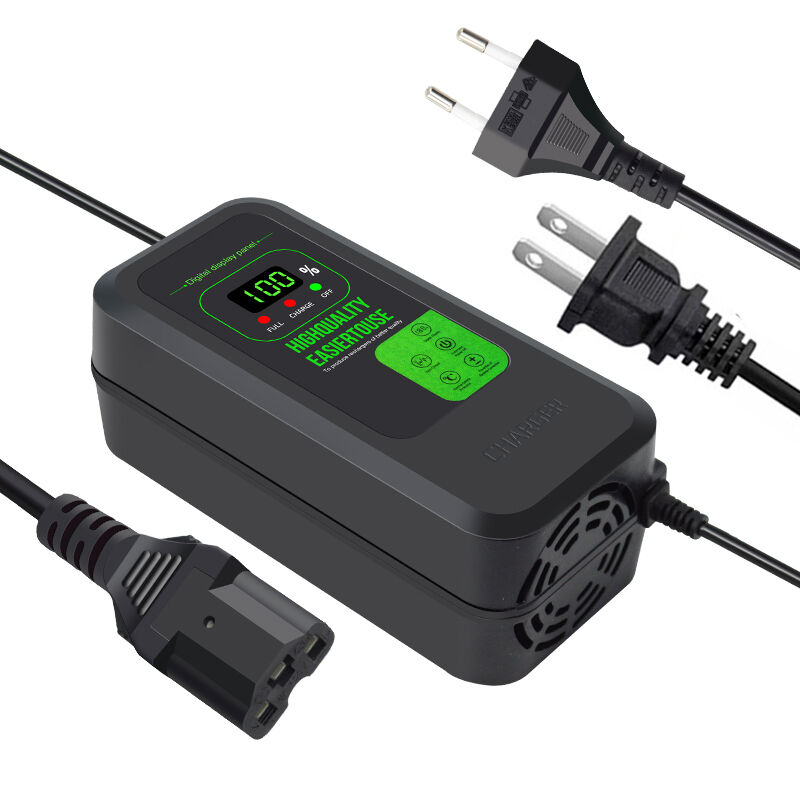
Maintaining your scooter battery charger is essential for ensuring reliable daily transportation and extending the lifespan of both your charger and scooter battery. A well-maintained scooter battery charger not only provides consistent performance but also prevents costly replacements and unexpected breakdowns. Understanding proper care techniques will help you maximize your investment while ensuring your scooter remains ready for daily use. Regular maintenance of your charging equipment directly impacts your vehicle's overall reliability and performance.
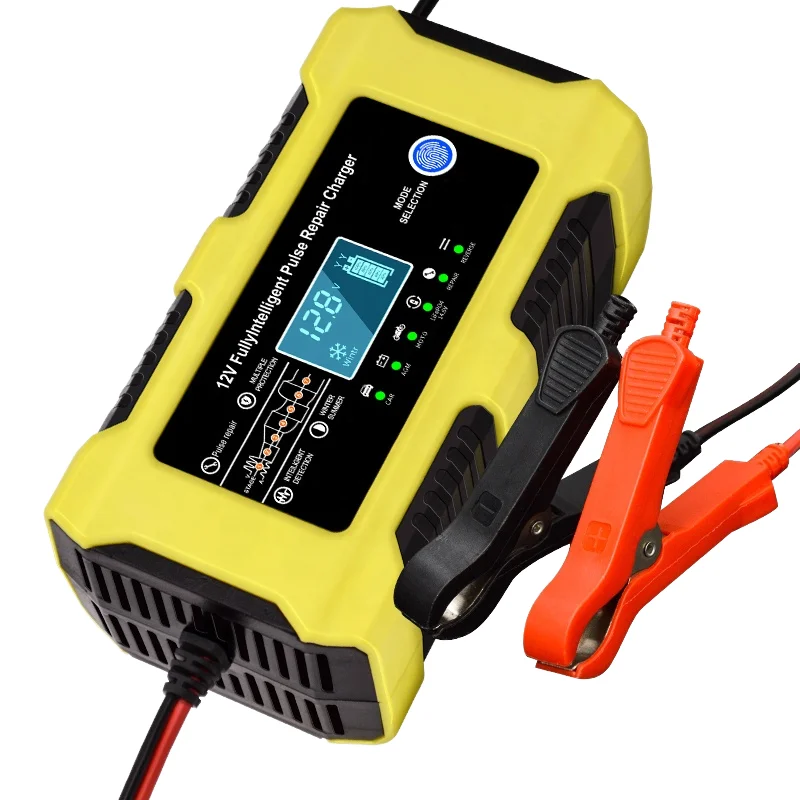
Essential Daily Maintenance Practices
Visual Inspection Protocols
Begin each day with a comprehensive visual inspection of your scooter battery charger components. Check the power cord for any signs of fraying, cuts, or exposed wires that could pose safety hazards. Examine the charging connector for corrosion, bent pins, or debris accumulation that might interfere with proper electrical contact. Look for any cracks or damage to the charger housing that could allow moisture infiltration.
Pay special attention to the LED indicators or display screens on your charger unit. These diagnostic features provide crucial information about charging status and potential system issues. A functioning scooter battery charger should display clear, consistent readings during operation. Document any irregularities or changes in display patterns, as these often indicate developing problems that require attention.
Connection Point Maintenance
Clean connection points regularly to ensure optimal electrical conductivity between your scooter battery charger and the vehicle's charging port. Use a dry cloth to remove dust, dirt, and oxidation from metal contacts. For stubborn corrosion, apply a small amount of electrical contact cleaner with a cotton swab, ensuring the area is completely dry before reconnecting.
Proper insertion and removal techniques prevent premature wear of connection points. Always ensure your charger is unplugged from the wall outlet before connecting or disconnecting from your scooter. Apply gentle, steady pressure when making connections, avoiding excessive force that could damage delicate components. Store connection cables properly to prevent kinking or stress damage that could affect performance.
Environmental Protection Strategies
Temperature Management
Temperature extremes significantly impact the performance and longevity of your scooter battery charger. Avoid charging in environments where temperatures exceed manufacturer specifications, typically ranging from 32°F to 104°F. High temperatures can cause internal components to overheat, leading to reduced efficiency and potential permanent damage. Cold temperatures may slow charging rates and affect battery chemistry.
Create a dedicated charging station in a climate-controlled environment when possible. Garages, utility rooms, or covered outdoor areas provide ideal conditions for consistent charging performance. Ensure adequate ventilation around your scooter battery charger to prevent heat buildup during operation. Monitor ambient temperatures during seasonal changes and adjust charging schedules accordingly.
Moisture and Dust Protection
Protect your charging equipment from moisture exposure, which can cause short circuits, corrosion, and component failure. Never operate your scooter battery charger in wet conditions or areas prone to water accumulation. If charging outdoors becomes necessary, use weatherproof enclosures or covered areas that provide adequate protection from rain and humidity.
Implement dust prevention measures to maintain optimal airflow and component cleanliness. Regular cleaning with compressed air removes accumulated dust from ventilation slots and cooling fans. Cover your charger when not in use to prevent dust accumulation while ensuring proper ventilation during storage. Replace any damaged seals or gaskets that compromise environmental protection.
Electrical Safety and Performance Optimization
Power Supply Considerations
Ensure your scooter battery charger receives consistent, stable power from your electrical outlet. Voltage fluctuations can damage sensitive internal circuitry and reduce charging efficiency. Use a dedicated outlet whenever possible, avoiding extension cords or power strips that may introduce electrical interference or voltage drops.
Install surge protection devices to safeguard your charging equipment from power spikes and electrical disturbances. Quality surge protectors with adequate joule ratings provide insurance against costly repairs or replacements. Monitor your electrical system for signs of problems such as flickering lights, tripped breakers, or unusual noises that might indicate wiring issues affecting your scooter battery charger performance.
Charging Cycle Management
Develop consistent charging routines that optimize battery health while maintaining daily reliability. Most modern scooter battery charger units feature intelligent charging algorithms that automatically adjust current and voltage based on battery condition. Allow these systems to complete their full cycles without interruption to maximize effectiveness.
Avoid overcharging by unplugging your charger once the battery reaches full capacity, unless your unit features automatic shut-off capabilities. Extended connection to a completed charging cycle can generate excessive heat and reduce battery lifespan. Monitor charging times and establish patterns that indicate normal performance versus potential issues requiring attention.
Troubleshooting Common Issues
Performance Degradation Indicators
Recognize early warning signs that indicate your scooter battery charger requires maintenance or replacement. Slower charging times, inconsistent LED indicators, or unusual heating during operation suggest developing problems. Document performance changes over time to identify patterns that might indicate specific component failures.
Temperature monitoring during charging cycles helps identify thermal issues before they cause permanent damage. A properly functioning scooter battery charger should remain warm but not hot to the touch during operation. Excessive heat generation often indicates internal resistance problems, inadequate ventilation, or component degradation requiring professional attention.
Preventive Maintenance Scheduling
Establish regular maintenance schedules based on usage frequency and environmental conditions. Daily users should perform weekly detailed inspections, while occasional riders might extend intervals to monthly checks. Keep detailed maintenance logs documenting inspection dates, observed conditions, and any corrective actions taken.
Schedule professional servicing annually or according to manufacturer recommendations. Qualified technicians can perform comprehensive testing, calibration, and component replacement that extends equipment life. Regular professional maintenance often identifies potential problems before they result in complete failure, ensuring continued daily reliability of your scooter battery charger.
Storage and Long-term Care
Seasonal Storage Protocols
Proper storage techniques during extended non-use periods protect your scooter battery charger from environmental damage and component degradation. Clean all surfaces thoroughly before storage, removing any accumulated dirt, grease, or corrosion that could worsen during storage periods. Ensure all connections are clean and properly protected from oxidation.
Store your charging equipment in stable temperature environments away from direct sunlight and moisture sources. Wrap cables loosely to prevent kinking or stress damage, and secure all components to prevent movement or impact damage. Check stored equipment monthly for signs of pest intrusion, moisture accumulation, or environmental damage that might compromise future performance.
Component Replacement Planning
Develop replacement strategies for wear components such as cables, connectors, and fuses before they fail completely. Keep spare parts inventory based on equipment age and usage patterns. Quality replacement components ensure continued reliability and often cost less than emergency repairs or complete unit replacement.
Monitor manufacturer updates and product recalls that might affect your specific scooter battery charger model. Register your equipment for warranty coverage and technical support services. Stay informed about technological improvements that might justify upgrading to newer, more efficient charging systems that offer enhanced reliability and performance features.
FAQ
How often should I clean my scooter battery charger
Clean your scooter battery charger weekly if used daily, or monthly for occasional use. Focus on connection points, ventilation areas, and exterior surfaces. Use dry cloths for routine cleaning and electrical contact cleaner for stubborn corrosion. Always ensure the unit is unplugged and completely dry before reconnecting.
What temperature range is safe for charging my scooter
Most scooter battery chargers operate safely between 32°F and 104°F. Extreme temperatures can damage internal components and reduce charging efficiency. Avoid charging in direct sunlight, unheated garages during winter, or enclosed spaces without ventilation during hot weather.
Can I leave my scooter battery charger plugged in overnight
Modern scooter battery chargers with automatic shut-off features can safely remain connected overnight. However, older units without smart charging capabilities should be unplugged once the battery reaches full capacity to prevent overcharging and heat buildup that can damage both the charger and battery.
What are signs that my scooter battery charger needs replacement
Replace your scooter battery charger if it shows cracked housing, frayed cables, inconsistent charging times, excessive heat generation, or failed LED indicators. Burning smells, sparking connections, or frequent electrical issues also indicate immediate replacement needs for safety and reliability.