 EN
EN

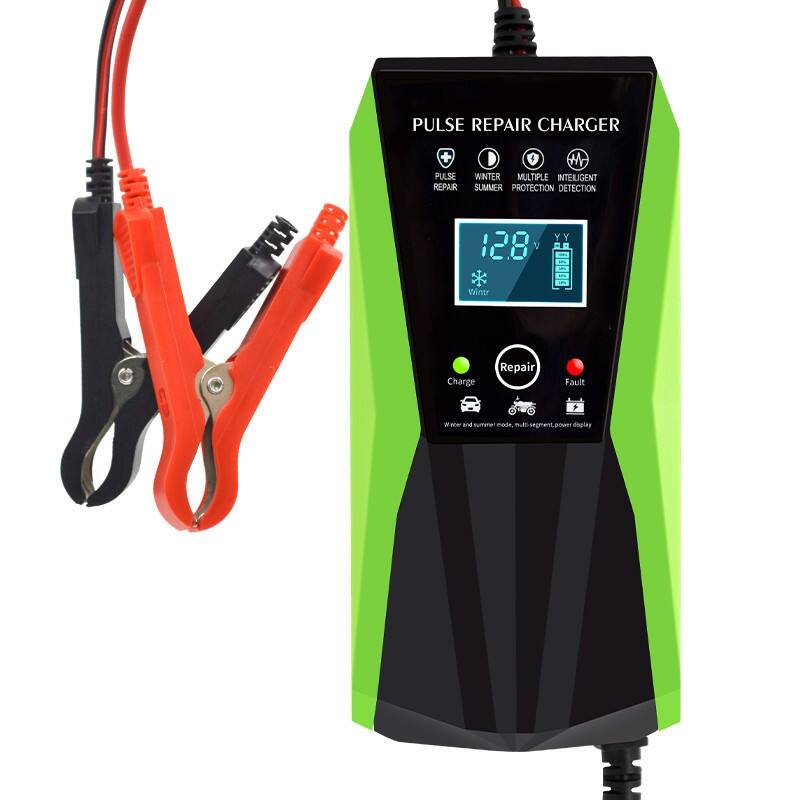
When your motorcycle refuses to start and you suspect battery issues, a reliable motorcycle battery charger becomes your most valuable diagnostic and repair tool. Understanding how to properly troubleshoot charging problems can save you time, money, and frustration while ensuring your bike stays road-ready. Modern motorcycle battery charger units incorporate sophisticated charging algorithms and safety features, but they can still encounter operational challenges that prevent proper function.
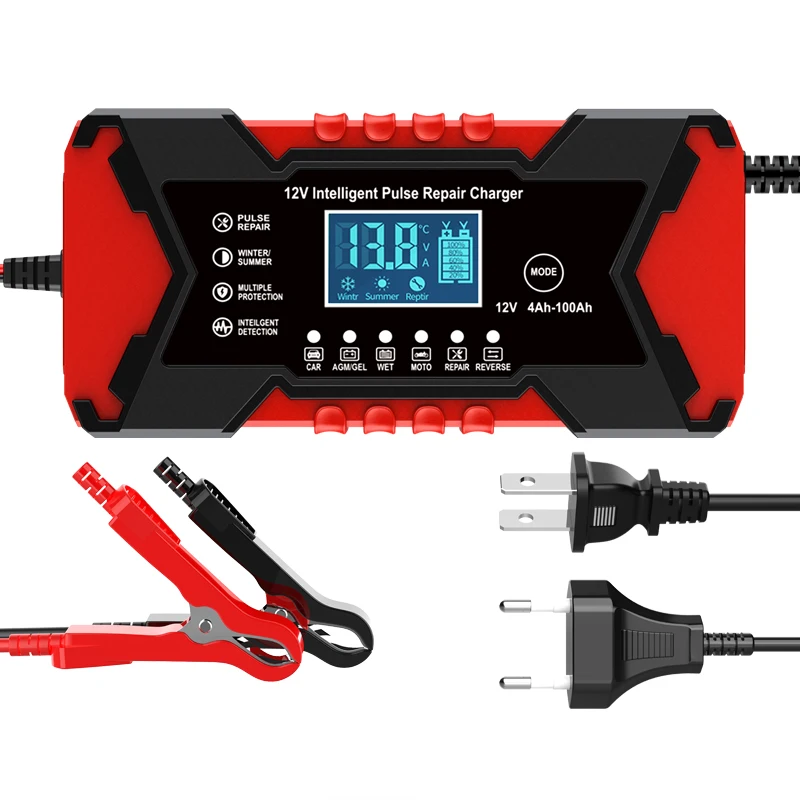
Professional mechanics and experienced riders know that systematic troubleshooting approaches yield the most effective results when dealing with charging system failures. Whether you're dealing with a completely unresponsive unit or intermittent charging behavior, following proven diagnostic procedures helps isolate the root cause quickly and efficiently.
Understanding Common Motorcycle Battery Charger Failures
Power Supply and Connection Issues
The foundation of any motorcycle battery charger operation relies on stable power input and secure electrical connections. Wall outlet problems, damaged power cords, or loose terminal connections account for approximately sixty percent of reported charging failures. Before investigating complex electronic components, verify that your wall outlet delivers consistent voltage using a multimeter or by testing with another known-working device.
Inspect the power cord thoroughly for signs of damage, including cuts, burns, or bent prongs that might interrupt electrical flow. Many motorcycle battery charger models feature detachable cords, making replacement straightforward when damage occurs. Terminal connections at the battery require equal attention, as corrosion, loose clamps, or worn cables can prevent proper current transfer even when the charger functions correctly.
Internal Component Degradation
Electronic components within your motorcycle battery charger experience gradual wear through normal use cycles and environmental exposure. Capacitors, diodes, and transformer components can fail after extended service periods, particularly when subjected to temperature extremes or voltage fluctuations. These internal failures often manifest as complete operational shutdown or erratic charging behavior that varies unpredictably.
Smart charging controllers represent another potential failure point, especially in advanced motorcycle battery charger systems that incorporate microprocessor-based charging algorithms. When these control circuits malfunction, the unit may power on without initiating charging cycles, display incorrect status indicators, or fail to recognize connected batteries properly. Professional diagnosis typically requires specialized testing equipment to evaluate internal component functionality accurately.
Systematic Diagnostic Procedures
Initial Visual and Physical Inspection
Begin your troubleshooting process with a comprehensive visual examination of all system components. Look for obvious damage signs including burned or discolored areas on the motorcycle battery charger housing, melted insulation on cables, or corrosion buildup around terminals and connections. These visible indicators often point directly to the source of operational problems.
Check all mechanical connections for tightness and proper alignment, ensuring that battery clamps make solid contact with clean terminal surfaces. Loose or corroded connections create resistance that interferes with charging current flow and can cause intermittent operation. Clean terminals using appropriate battery cleaning solutions and ensure all connections achieve metal-to-metal contact without oxidation barriers.
Electrical Testing and Measurement
Utilize a digital multimeter to perform voltage and continuity measurements throughout the charging system. Start by verifying proper input voltage at the wall outlet, then measure voltage at the motorcycle battery charger input terminals to confirm power delivery through the cord. This step isolates power supply issues from charger-specific problems.
Test the battery voltage both before and during attempted charging cycles to determine if the motorcycle battery charger recognizes the connected load and responds appropriately. A functioning charger should show measurably higher output voltage than the resting battery voltage during active charging. Document these measurements for reference during further diagnostic steps or when communicating with technical support personnel.
Advanced Troubleshooting Techniques
Load Testing and Current Measurement
Professional-grade diagnosis requires understanding how your motorcycle battery charger performs under actual load conditions. Use a carbon pile load tester or electronic load bank to simulate realistic battery charging scenarios while monitoring charger response. This testing reveals performance deficiencies that might not appear during no-load operation.
Current measurement during charging provides valuable insights into charger functionality and battery condition. A properly functioning motorcycle battery charger should deliver current within manufacturer specifications, typically ranging from one to six amperes depending on the unit's capacity and selected charging mode. Consistently low current output suggests internal component problems, while excessive current may indicate control circuit failures.
Temperature and Environmental Factors
Environmental conditions significantly impact motorcycle battery charger performance and longevity. Extreme temperatures, humidity, and vibration exposure can accelerate component degradation and trigger protective shutdown mechanisms. Many modern chargers incorporate thermal protection circuits that disable operation when internal temperatures exceed safe thresholds.
Test your charger in different environmental conditions to identify temperature-related failures. Some units function normally at room temperature but fail when exposed to garage conditions during summer heat or winter cold. Understanding these limitations helps determine whether environmental factors contribute to operational problems or if internal component replacement becomes necessary.
Battery-Related Charging Problems
Battery Condition Assessment
Sometimes the issue lies not with your motorcycle battery charger but with the battery itself. Severely discharged, sulfated, or internally damaged batteries can prevent normal charging operation even when the charger functions perfectly. Perform comprehensive battery testing using specific gravity measurements, load testing, and capacity evaluation to determine actual battery condition.
Deep discharge conditions below ten volts can trigger protective mechanisms in smart motorcycle battery charger systems, preventing charging initiation to avoid potential safety hazards. These protection features are designed to prevent charging damaged cells that might overheat or release dangerous gases during the charging process.
Compatibility and Charging Mode Selection
Modern motorcycle battery charger units offer multiple charging modes designed for different battery types and conditions. Selecting inappropriate charging modes can result in apparent charger malfunction when the unit actually operates correctly according to programmed parameters. Verify that your selected charging mode matches your battery specifications and current condition.
Lead-acid, AGM, and lithium batteries require different charging profiles to achieve optimal performance and longevity. Using incorrect settings can cause charging failure, reduced battery life, or safety concerns. Consult your motorcycle battery charger manual to ensure proper mode selection for your specific battery type and charging requirements.
Repair and Replacement Considerations
Cost-Benefit Analysis
When troubleshooting reveals significant component failures within your motorcycle battery charger, evaluate repair costs against replacement options. Simple repairs like cord replacement or terminal cleaning represent cost-effective solutions, while internal electronic component replacement often approaches new unit pricing when professional service costs are considered.
Factor in the age and warranty status of your current motorcycle battery charger when making repair decisions. Units approaching end-of-life expectancy benefit more from replacement with newer technology that offers improved efficiency, safety features, and reliability. Modern chargers incorporate advanced features like pulse charging, desulfation modes, and enhanced monitoring capabilities.
Preventive Maintenance Strategies
Implement regular maintenance procedures to extend your motorcycle battery charger service life and prevent future operational problems. Clean terminals and connections monthly, inspect cords and housing quarterly, and store the unit in controlled environments when not in use. These simple steps significantly reduce the likelihood of premature component failure.
Maintain detailed records of charging cycles, battery condition, and any operational anomalies to identify developing problems before they cause complete failure. This proactive approach allows for scheduled maintenance and replacement planning rather than emergency repairs when your motorcycle battery charger fails unexpectedly.
Safety Considerations During Troubleshooting
Electrical Safety Protocols
Always prioritize personal safety when troubleshooting motorcycle battery charger problems. Disconnect power sources before performing any internal inspections or component testing. Use appropriate personal protective equipment including safety glasses and insulated tools when working with electrical systems.
Be aware that motorcycle battery charger units contain components that store electrical energy even after disconnection from power sources. Large capacitors can maintain dangerous voltage levels for extended periods, requiring proper discharge procedures before safe handling. When in doubt, consult qualified service technicians rather than risk personal injury.
Chemical and Fire Hazards
Battery charging generates hydrogen gas that creates explosion risks in confined spaces or near ignition sources. Ensure adequate ventilation during charging operations and eliminate potential spark sources from the immediate area. Keep fire extinguishing equipment readily available when performing extensive troubleshooting procedures.
Handle battery electrolyte spills using appropriate neutralizing agents and protective equipment. Sulfuric acid solutions can cause severe burns and property damage if not managed properly. Your motorcycle battery charger troubleshooting activities should never compromise safety protocols for the sake of convenience or time savings.
FAQ
Why does my motorcycle battery charger turn on but not charge the battery
This common problem typically indicates either a faulty connection between the charger and battery, or the battery voltage has dropped too low for the charger's safety circuits to engage. Check all terminal connections for corrosion or looseness, and verify the battery voltage with a multimeter. If the battery reads below 8-10 volts, try jump-starting it briefly to bring the voltage up enough for the motorcycle battery charger to recognize it.
How can I tell if my motorcycle battery charger is outputting the correct voltage
Use a digital multimeter to measure voltage at the charger output terminals while connected to a battery. A properly functioning 12-volt motorcycle battery charger should output between 13.5-14.8 volts during active charging, depending on the charging stage and battery condition. If readings fall significantly outside this range, internal component failure is likely occurring.
What should I do if my motorcycle battery charger gets hot during operation
Some heat generation is normal during charging operations, but excessive heat indicates potential problems. Ensure adequate ventilation around the charger and check for blocked cooling vents or fans. If the unit becomes too hot to touch or triggers thermal shutdown repeatedly, discontinue use immediately and have it professionally inspected. Overheating can damage internal components and create safety hazards.
Can environmental conditions affect motorcycle battery charger performance
Yes, extreme temperatures, humidity, and vibration can significantly impact charger operation. Cold temperatures may slow charging rates and trigger low-temperature protection circuits, while excessive heat can cause thermal shutdown. High humidity promotes corrosion of electrical connections and internal components. Store and operate your motorcycle battery charger within manufacturer-specified environmental limits for optimal performance and longevity.
Table of Contents
- Understanding Common Motorcycle Battery Charger Failures
- Systematic Diagnostic Procedures
- Advanced Troubleshooting Techniques
- Battery-Related Charging Problems
- Repair and Replacement Considerations
- Safety Considerations During Troubleshooting
-
FAQ
- Why does my motorcycle battery charger turn on but not charge the battery
- How can I tell if my motorcycle battery charger is outputting the correct voltage
- What should I do if my motorcycle battery charger gets hot during operation
- Can environmental conditions affect motorcycle battery charger performance