 EN
EN

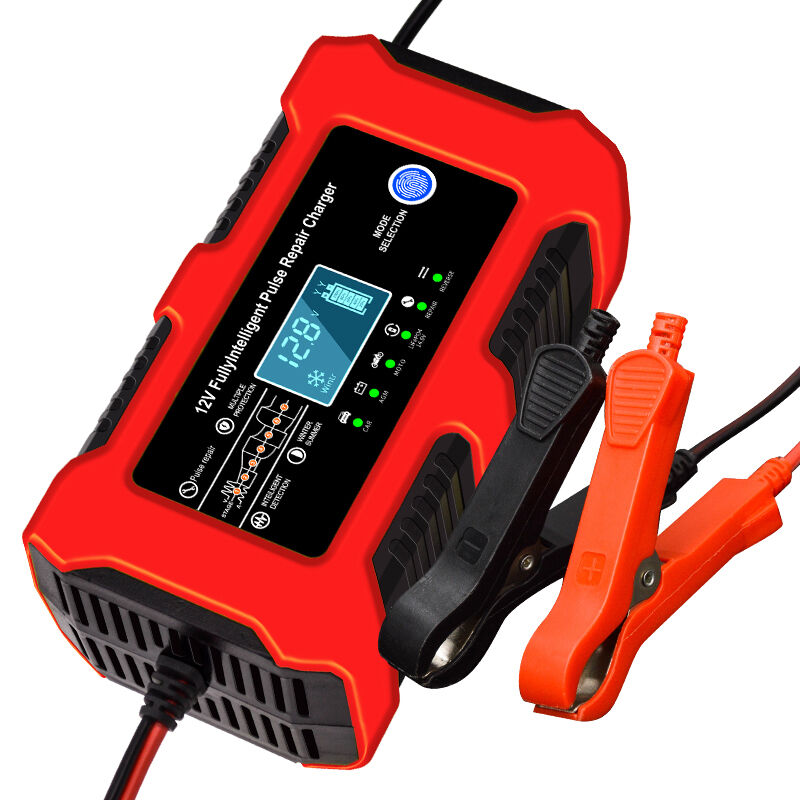
The automotive and energy storage industries are experiencing unprecedented transformation, with market trends driving significant innovation in 12v battery charger technology. Modern consumers and businesses demand more efficient, intelligent, and versatile charging solutions that can adapt to diverse battery chemistries while providing enhanced safety features. These evolving requirements are reshaping how manufacturers approach 12v battery charger design, pushing the boundaries of traditional charging methods to meet contemporary energy demands.
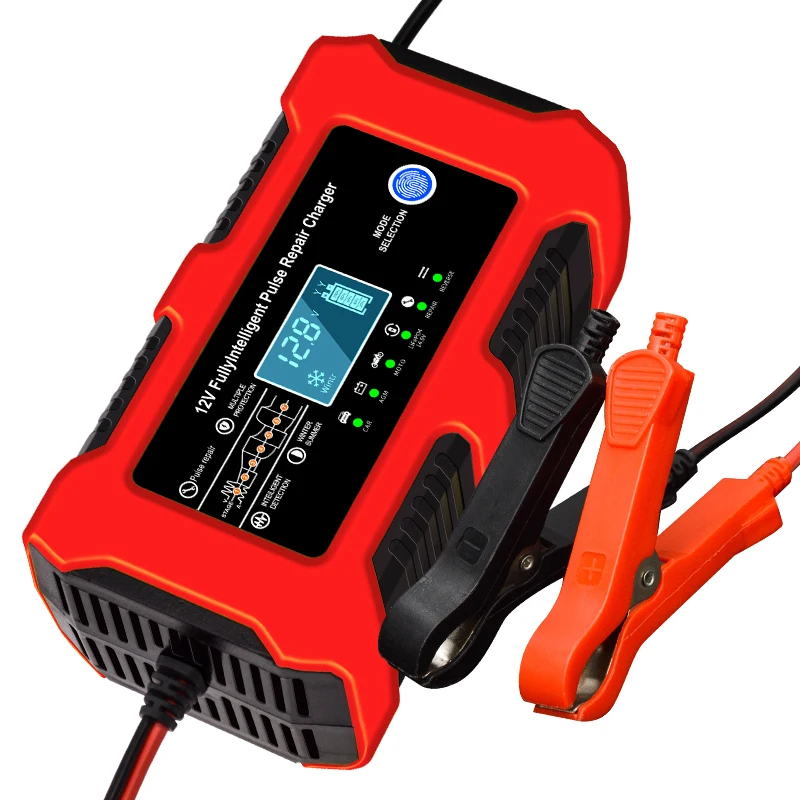
Market research indicates that the global battery charger market is experiencing robust growth, driven by increasing adoption of electric vehicles, renewable energy systems, and portable electronic devices. This surge in demand has created new opportunities for 12v battery charger manufacturers to innovate and differentiate their products through advanced features and improved performance characteristics. The integration of smart technology, multi-chemistry compatibility, and enhanced safety protocols represents the next generation of charging solutions.
Emerging Technologies Reshaping Charging Solutions
Smart Charging Intelligence
Contemporary 12v battery charger designs incorporate sophisticated microprocessor controls that enable intelligent charging algorithms. These advanced systems can automatically detect battery chemistry, capacity, and current state of charge to optimize the charging process. Smart chargers utilize multi-stage charging protocols that include bulk, absorption, and float charging phases, ensuring maximum battery life and performance while preventing overcharging damage.
The implementation of pulse repair technology in modern 12v battery charger units represents a significant advancement in battery maintenance capabilities. This innovative feature helps restore sulfated batteries by breaking down crystalline deposits that accumulate on battery plates over time. By incorporating pulse repair functionality, manufacturers are addressing a critical market need for equipment that can extend battery lifespan and improve overall system reliability.
Multi-Chemistry Compatibility
Market trends indicate growing demand for versatile charging solutions that can handle multiple battery chemistries within a single device. Modern 12v battery charger designs now accommodate lead-acid, AGM, gel, and LiFePO4 batteries through selectable charging profiles. This flexibility eliminates the need for multiple chargers and provides users with a comprehensive solution for diverse applications ranging from automotive to marine and recreational vehicle use.
The ability to switch between different charging algorithms based on battery type represents a crucial advancement in 12v battery charger technology. Manufacturers are implementing sophisticated detection systems that can identify battery chemistry automatically or allow manual selection through user-friendly interfaces. This adaptability ensures optimal charging performance regardless of the specific battery technology being used.
Safety and Regulatory Compliance Driving Innovation
Enhanced Protection Systems
Safety considerations have become paramount in 12v battery charger development, with manufacturers implementing comprehensive protection systems to prevent hazardous conditions. Modern chargers feature reverse polarity protection, short circuit prevention, overheating safeguards, and spark-proof technology. These safety measures not only protect the charging equipment but also ensure user safety and prevent damage to connected batteries and electrical systems.
Temperature monitoring capabilities have emerged as a critical feature in advanced 12v battery charger designs. Integrated thermal sensors allow the charging system to adjust power output based on ambient temperature and battery temperature, preventing thermal runaway conditions and ensuring safe operation across a wide range of environmental conditions. This temperature compensation feature is particularly important for automotive and marine applications where extreme temperatures are common.
Certification and Standards Compliance
Regulatory compliance has become increasingly stringent, with 12v battery charger manufacturers required to meet various international safety and electromagnetic compatibility standards. CE marking for European markets and RoHS certification for environmental compliance have become essential requirements for market access. These certifications ensure that products meet rigorous safety, performance, and environmental standards while providing consumers with confidence in product quality and reliability.
The implementation of energy efficiency standards is driving innovation in power conversion technology within 12v battery charger designs. Manufacturers are adopting switch-mode power supply technology and advanced power factor correction circuits to achieve higher efficiency ratings while reducing heat generation and energy consumption. These improvements align with global sustainability initiatives and help reduce operational costs for end users.
Market Demand Influencing Design Features
Portability and User Experience
Consumer preferences for portable and user-friendly charging solutions are significantly influencing 12v battery charger design philosophy. Compact form factors, lightweight construction, and intuitive operating interfaces have become essential features for modern chargers. Manufacturers are utilizing advanced materials and miniaturized components to reduce size and weight while maintaining performance and durability standards.
Digital displays and LED status indicators provide users with real-time information about charging progress, battery condition, and system status. These visual feedback systems eliminate guesswork and enable users to monitor the charging process effectively. Some advanced 12v battery charger models now include smartphone connectivity features that allow remote monitoring and control through dedicated mobile applications.
Durability and Environmental Resistance
Industrial and automotive applications demand 12v battery charger units that can withstand harsh environmental conditions including moisture, dust, vibration, and temperature extremes. Manufacturers are incorporating ruggedized enclosures with IP65 or higher ingress protection ratings to ensure reliable operation in challenging environments. Shock-resistant designs and vibration-dampening features are particularly important for mobile applications such as recreational vehicles and marine installations.
Corrosion-resistant materials and protective coatings are being utilized to extend the operational lifespan of 12v battery charger components exposed to harsh environmental conditions. Stainless steel hardware, anodized aluminum enclosures, and specialized polymer materials help maintain performance and appearance over extended periods of use in demanding applications.
Economic Factors Shaping Product Development
Cost-Effectiveness and Value Engineering
Market pressures for cost-effective solutions are driving manufacturers to optimize 12v battery charger designs through value engineering approaches. This involves careful selection of components and manufacturing processes to achieve the best balance between performance, features, and cost. Advanced manufacturing techniques and economies of scale enable producers to offer sophisticated charging solutions at competitive price points.
The integration of multiple functions within a single 12v battery charger unit provides enhanced value proposition for consumers while reducing overall system costs. Modern chargers often combine charging, maintenance, and diagnostic capabilities in a single device, eliminating the need for separate equipment and reducing installation complexity. This multi-functional approach appeals to cost-conscious consumers and commercial users seeking comprehensive battery management solutions.
Energy Efficiency and Operational Savings
Rising energy costs and environmental consciousness are driving demand for highly efficient 12v battery charger designs that minimize power consumption during operation. Advanced power management systems and high-efficiency power conversion circuits help reduce electricity usage while maintaining optimal charging performance. These efficiency improvements translate to significant operational cost savings over the charger's lifespan, particularly for commercial and industrial users.
Standby power consumption has become a critical consideration in 12v battery charger design, with manufacturers implementing low-power sleep modes and automatic shut-off features to minimize energy waste when charging is complete. These features align with energy efficiency regulations and consumer expectations for environmentally responsible products.
Future Trends and Technological Convergence
Integration with Renewable Energy Systems
The growing adoption of solar power systems and other renewable energy sources is creating new opportunities for 12v battery charger manufacturers to develop integrated solutions that can operate directly from alternative energy sources. Solar-compatible charging controllers and maximum power point tracking capabilities are being incorporated into advanced charger designs to optimize energy harvesting from photovoltaic systems.
Grid-tie capabilities and bidirectional power flow functionality represent emerging trends in 12v battery charger technology that enable energy storage systems to feed power back into the electrical grid during peak demand periods. This vehicle-to-grid technology opens new revenue streams for electric vehicle owners while providing grid stabilization benefits for utility companies.
Artificial Intelligence and Predictive Maintenance
Machine learning algorithms and artificial intelligence are beginning to influence 12v battery charger design through predictive maintenance capabilities and adaptive charging strategies. These intelligent systems can analyze charging patterns, battery performance data, and environmental conditions to optimize charging protocols and predict maintenance requirements before failures occur.
Cloud connectivity and data analytics platforms enable remote monitoring and management of 12v battery charger installations across multiple locations. Fleet managers and facility operators can track performance metrics, schedule maintenance activities, and optimize charging schedules through centralized management systems that provide valuable insights into battery system performance and reliability.
FAQ
What are the key advantages of modern intelligent 12v battery charger designs compared to traditional chargers?
Modern intelligent 12v battery charger units offer several significant advantages over traditional chargers, including automatic battery chemistry detection, multi-stage charging algorithms, pulse repair technology for battery restoration, and comprehensive safety protection systems. These advanced features help extend battery life, improve charging efficiency, and provide safer operation while accommodating multiple battery types within a single device.
How do multi-chemistry compatible chargers determine the appropriate charging profile for different battery types?
Multi-chemistry compatible 12v battery charger systems use sophisticated detection algorithms that analyze battery voltage characteristics, impedance patterns, and charging response to automatically identify battery chemistry. Some models also provide manual selection options through user interfaces, allowing operators to specify the exact battery type for optimal charging performance. The charger then applies the appropriate voltage, current, and timing parameters for the selected chemistry.
What safety certifications should I look for when selecting a 12v battery charger for professional use?
When selecting a 12v battery charger for professional applications, look for CE marking indicating European conformity, RoHS certification for environmental compliance, and relevant UL or CSA listings for North American markets. Additional certifications such as IP65 ingress protection ratings, FCC compliance for electromagnetic interference, and specific industry standards like SAE J1772 for automotive applications may also be important depending on your intended use case.
How do temperature compensation features in advanced chargers improve battery performance and longevity?
Temperature compensation in advanced 12v battery charger designs automatically adjusts charging voltage and current based on ambient and battery temperature measurements. This feature prevents overcharging in hot conditions and ensures adequate charging in cold environments, both of which can significantly impact battery life and performance. Proper temperature compensation can extend battery lifespan by 20-30% while improving charging efficiency and safety across varying environmental conditions.
Table of Contents
- Emerging Technologies Reshaping Charging Solutions
- Safety and Regulatory Compliance Driving Innovation
- Market Demand Influencing Design Features
- Economic Factors Shaping Product Development
- Future Trends and Technological Convergence
-
FAQ
- What are the key advantages of modern intelligent 12v battery charger designs compared to traditional chargers?
- How do multi-chemistry compatible chargers determine the appropriate charging profile for different battery types?
- What safety certifications should I look for when selecting a 12v battery charger for professional use?
- How do temperature compensation features in advanced chargers improve battery performance and longevity?