 EN
EN

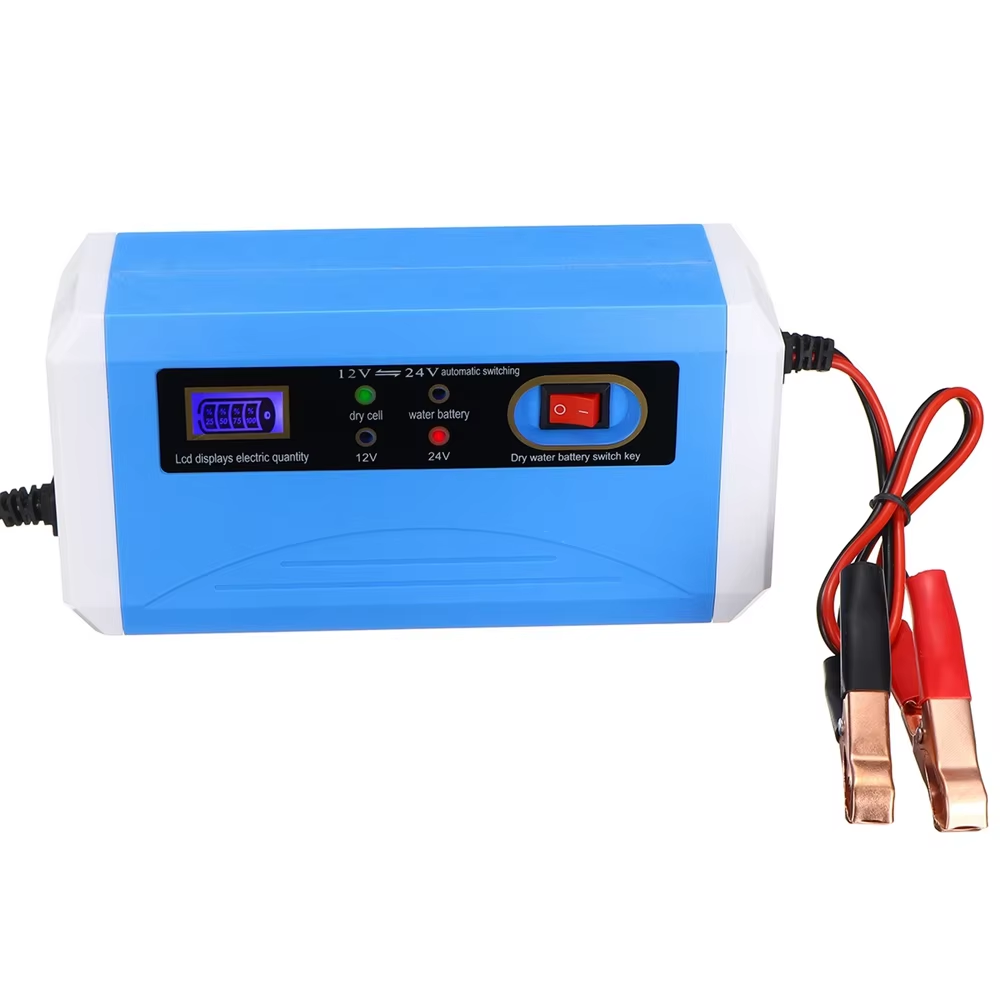
Modern automotive and marine applications demand versatile charging solutions that can adapt to various battery configurations and voltage requirements. The evolution of dual-voltage charging technology has revolutionized how professionals and enthusiasts maintain their vehicles, providing unprecedented flexibility in battery management systems. A car battery charger 12v 26v represents the pinnacle of this technological advancement, offering seamless switching between different voltage levels to accommodate diverse equipment needs across multiple industries.

The automotive industry continues to embrace advanced electrical systems that require sophisticated charging protocols. Fleet managers, workshop technicians, and vehicle restoration specialists increasingly rely on adaptable charging solutions that can handle both traditional 12-volt systems and emerging 24-volt configurations. This technological shift reflects the growing complexity of modern vehicle electrical architectures, where specialized equipment demands precise voltage delivery for optimal performance and longevity.
Professional service environments particularly benefit from dual-voltage charging capabilities, as they encounter diverse vehicle types throughout daily operations. The ability to switch between voltage levels eliminates the need for multiple charging units, reducing equipment costs and workspace clutter while maintaining operational efficiency. Understanding the specific scenarios where dual-voltage chargers excel helps professionals make informed investment decisions that enhance their service capabilities.
Fleet Management Operations
Commercial Vehicle Diversity
Fleet operations encompass a wide range of vehicles with varying electrical system requirements, from standard passenger cars operating on 12-volt systems to heavy-duty commercial trucks utilizing 24-volt configurations. Fleet managers must maintain diverse battery systems efficiently, ensuring minimal downtime while maximizing operational readiness. A car battery charger 12v 26v eliminates the complexity of managing separate charging equipment for different vehicle categories within the same fleet.
Commercial transportation companies often operate mixed fleets that include delivery vans, passenger vehicles, and specialized equipment carriers. Each vehicle category may require different charging protocols, making dual-voltage capability essential for streamlined maintenance operations. The flexibility to address various battery configurations with a single charging unit significantly reduces training requirements for maintenance personnel while ensuring consistent charging performance across all vehicle types.
Emergency service fleets particularly benefit from dual-voltage charging flexibility, as they must maintain readiness for diverse equipment ranging from ambulances and fire trucks to support vehicles and specialized rescue equipment. The ability to rapidly charge different battery systems without equipment swapping ensures that emergency vehicles remain operational when community safety depends on immediate response capabilities.
Maintenance Efficiency Optimization
Professional fleet maintenance facilities require charging solutions that maximize technician productivity while minimizing equipment investment costs. Dual-voltage chargers streamline maintenance workflows by eliminating the need to identify specific charger types for different vehicles, reducing setup time and potential errors. Maintenance supervisors appreciate the operational simplicity that comes from standardizing on versatile charging equipment that handles multiple voltage requirements.
Training costs decrease significantly when maintenance teams only need to master one charging system instead of multiple units with different operational procedures. This standardization reduces the likelihood of charging errors that could damage expensive battery systems or compromise vehicle reliability. Fleet maintenance managers find that investing in quality dual-voltage charging equipment pays dividends through improved operational efficiency and reduced replacement costs.
Inventory management becomes more straightforward when maintenance facilities can rely on a single charger type for all fleet vehicles. Parts procurement, warranty management, and replacement scheduling all benefit from this simplified approach to charging equipment selection. The reduced complexity in maintenance operations translates directly into cost savings and improved fleet availability.
Marine and Recreational Vehicle Applications
Boat Electrical System Variations
Marine applications present unique challenges for battery charging due to the diverse electrical systems found across different boat categories. Smaller recreational boats typically operate on 12-volt systems, while larger yachts and commercial vessels often utilize 24-volt configurations for improved efficiency and power distribution. Marina operators and boat service technicians require charging solutions that can accommodate this wide range of electrical system configurations without maintaining extensive equipment inventories.
Yacht service facilities encounter everything from small fishing boats to luxury cruisers, each with distinct charging requirements that must be addressed with precision and reliability. The saltwater marine environment demands charging equipment that delivers consistent performance while withstanding challenging environmental conditions. A car battery charger 12v 26v designed for marine use provides the versatility needed to service diverse vessel types while maintaining the durability required for waterfront operations.
Boat owners increasingly appreciate service providers who can address multiple electrical system needs without scheduling delays or equipment limitations. Marina service departments that invest in dual-voltage charging capability can offer more comprehensive services while reducing customer wait times. This enhanced service capability often translates into increased customer satisfaction and repeat business opportunities.
RV and Motorhome Charging Solutions
Recreational vehicle applications encompass a broad spectrum of electrical system configurations, from compact travel trailers using 12-volt systems to large motorhomes incorporating 24-volt house batteries for enhanced capacity and efficiency. RV service centers must be prepared to address various charging needs while maintaining rapid turnaround times for customers who depend on their vehicles for extended travel adventures.
Mobile RV service technicians particularly value the portability and versatility of dual-voltage chargers, as they encounter diverse electrical systems during field service calls. The ability to carry one charging unit that handles multiple voltage requirements reduces equipment weight and complexity while ensuring comprehensive service capabilities. This operational flexibility allows mobile technicians to accept a broader range of service requests with confidence.
RV dealerships benefit from dual-voltage charging capability during pre-delivery inspections and maintenance services, as their inventory typically includes various models with different electrical system specifications. The ability to quickly address charging needs across their entire inventory improves dealership efficiency while ensuring that vehicles are delivered to customers in optimal condition. This attention to detail enhances customer satisfaction and supports positive dealership reputation.
Industrial and Construction Equipment
Heavy Equipment Battery Maintenance
Construction and industrial equipment encompasses a wide range of machinery with varying electrical system requirements, from compact utility vehicles operating on 12-volt systems to large excavators and generators utilizing 24-volt configurations. Equipment rental companies and construction contractors require charging solutions that can maintain diverse fleets without the complexity of managing multiple charger types for different equipment categories.
Mining operations particularly benefit from dual-voltage charging flexibility, as they operate specialized equipment with varying electrical system configurations in remote locations where equipment versatility is essential. The harsh operating environments common in mining applications demand reliable charging equipment that can adapt to different voltage requirements while delivering consistent performance under challenging conditions. A car battery charger 12v 26v provides the reliability and flexibility needed for critical mining operations.
Agricultural operations increasingly rely on diverse equipment fleets that include tractors, harvesting equipment, and support vehicles with different electrical system specifications. Farm operators appreciate charging solutions that can address multiple equipment needs without requiring specialized knowledge or extensive equipment inventories. The operational simplicity of dual-voltage chargers aligns well with the practical approach favored in agricultural environments.
Generator and Power System Applications
Backup power systems and portable generators often incorporate different voltage configurations depending on their intended applications and power output requirements. Emergency service providers, event management companies, and construction contractors must maintain generator readiness across diverse equipment types while ensuring rapid deployment capabilities when power needs arise unexpectedly.
Telecommunications companies rely on backup power systems that may operate on either 12-volt or 24-volt configurations depending on the specific site requirements and equipment specifications. Field service technicians responsible for maintaining these critical power systems need charging equipment that can address various voltage requirements without delays or compatibility issues. The flexibility provided by dual-voltage chargers ensures that telecommunications infrastructure remains operational during extended power outages.
Data center operations increasingly incorporate diverse backup power solutions that require specialized battery maintenance protocols. The ability to maintain both 12-volt and 24-volt backup systems with a single charging solution simplifies operations while ensuring compliance with strict reliability requirements. This operational efficiency becomes particularly important during scheduled maintenance windows when time constraints limit available maintenance activities.
Automotive Service and Repair Facilities
Workshop Versatility Requirements
Independent automotive service shops encounter a diverse range of vehicles with varying electrical system configurations, requiring charging equipment that can adapt to different voltage requirements without compromising service quality or efficiency. Modern automotive repair facilities must be prepared to address both traditional 12-volt systems and emerging 24-volt configurations as vehicle technology continues to evolve toward more sophisticated electrical architectures.
Specialty vehicle service providers, including motorcycle shops and recreational vehicle repair facilities, particularly appreciate the flexibility offered by car battery charger 12v 26v units that can accommodate diverse vehicle types within the same service bay. This versatility eliminates the need for multiple charging stations while ensuring that technicians can address various customer vehicles efficiently without equipment limitations affecting service scheduling or quality.
Dealership service departments benefit significantly from dual-voltage charging capability, as they often service multiple vehicle brands with different electrical system specifications. The ability to maintain consistent charging protocols across diverse vehicle lines simplifies technician training while ensuring optimal battery maintenance for all customer vehicles. This standardization supports improved service quality and customer satisfaction metrics that are essential for dealership success.
Diagnostic and Testing Applications
Advanced automotive diagnostics increasingly require stable power sources that can maintain battery voltage during extended testing procedures, making reliable charging equipment essential for accurate diagnostic results. Diagnostic technicians need charging solutions that can provide consistent power delivery regardless of the vehicle's electrical system configuration, ensuring that test results remain valid and reliable throughout complex diagnostic procedures.
Electrical system testing often requires maintaining specific voltage levels while conducting measurements and evaluations, making dual-voltage charging capability particularly valuable for comprehensive vehicle assessments. The ability to provide appropriate charging support for different vehicle types enhances diagnostic accuracy while reducing the time required for complex electrical system evaluations. This improved efficiency directly benefits both service providers and their customers.
Training facilities for automotive technicians require charging equipment that can demonstrate various voltage systems and charging protocols, making dual-voltage capability essential for comprehensive educational programs. Students benefit from exposure to versatile charging equipment that prepares them for diverse service scenarios they will encounter in professional automotive service environments. This educational value enhances graduate employment prospects and supports industry skill development initiatives.
Emergency and Field Service Operations
Mobile Service Flexibility
Mobile service technicians face unique challenges when providing on-site battery maintenance and charging services, as they must be prepared to address various vehicle types and electrical system configurations without the luxury of returning to a fully equipped service facility. The portability and versatility of dual-voltage charging equipment become essential factors in providing comprehensive field service capabilities that meet diverse customer needs.
Roadside assistance providers particularly value charging equipment that can address multiple vehicle types during emergency service calls, as they never know what type of electrical system they will encounter when responding to stranded motorists. The ability to provide effective charging solutions for both 12-volt and 24-volt systems ensures that roadside technicians can resolve a broader range of battery-related emergencies without requiring additional equipment or specialized vehicles.
Fleet service providers who offer on-site maintenance for commercial customers benefit significantly from dual-voltage charging capability, as customer fleets often include diverse vehicle types with different electrical system requirements. The operational efficiency gained from carrying versatile charging equipment allows mobile service teams to complete more service calls while maintaining high service quality standards that support customer retention and business growth.
Emergency Response Preparedness
Emergency response organizations require charging equipment that can maintain readiness across diverse vehicle fleets and specialized equipment configurations, ensuring that critical response capabilities remain operational during extended emergency situations. The flexibility provided by dual-voltage chargers supports comprehensive emergency preparedness strategies that account for various equipment types and operational scenarios.
Disaster response teams often deploy diverse equipment packages that include vehicles and generators with different electrical system specifications, making adaptable charging solutions essential for sustained operations in challenging environments. The ability to maintain various battery systems with a single charger type simplifies logistics while ensuring that critical equipment remains operational when community safety depends on immediate response capabilities.
Military and defense applications increasingly rely on diverse vehicle fleets and specialized equipment that require reliable battery maintenance capabilities in remote locations where equipment versatility and reliability are paramount. Dual-voltage charging capability supports mission readiness by ensuring that various electrical systems can be maintained effectively regardless of deployment location or operational constraints.
FAQ
What voltage levels can a dual-voltage charger handle effectively
A car battery charger 12v 26v typically handles standard 12-volt automotive systems and 24-volt commercial or marine applications with automatic detection and switching capabilities. Most quality dual-voltage chargers can accommodate slight variations in system voltage while maintaining optimal charging performance. The charger automatically adjusts its output based on the connected battery configuration, ensuring appropriate charging protocols for each voltage level without requiring manual intervention or settings adjustment.
How does dual-voltage capability affect charging speed and efficiency
Dual-voltage chargers maintain optimal charging efficiency across both voltage levels by adjusting their internal circuitry to match the connected battery system requirements. Charging speed typically depends more on the charger's amperage output and the battery's condition than on the voltage level being charged. Quality dual-voltage units provide consistent charging performance regardless of whether they are connected to 12-volt or 24-volt systems, ensuring predictable charging times and battery maintenance results.
What safety features are important in dual-voltage charging applications
Essential safety features for car battery charger 12v 26v units include automatic voltage detection, reverse polarity protection, overcharge prevention, and short circuit protection. Temperature monitoring and thermal shutdown capabilities provide additional protection during extended charging sessions or in high-temperature environments. Quality dual-voltage chargers also incorporate spark-proof connection technology and automatic shut-off features that prevent damage to both the charger and the connected battery system.
Can dual-voltage chargers work with different battery chemistries
Modern dual-voltage chargers often support multiple battery chemistries including lead-acid, AGM, gel, and lithium configurations across both 12-volt and 24-volt applications. The charger typically includes selectable charging profiles that optimize the charging algorithm for specific battery types while maintaining voltage flexibility. This chemistry compatibility ensures that users can address diverse battery maintenance needs with a single charging unit, regardless of the specific battery technology employed in their equipment.