 EN
EN

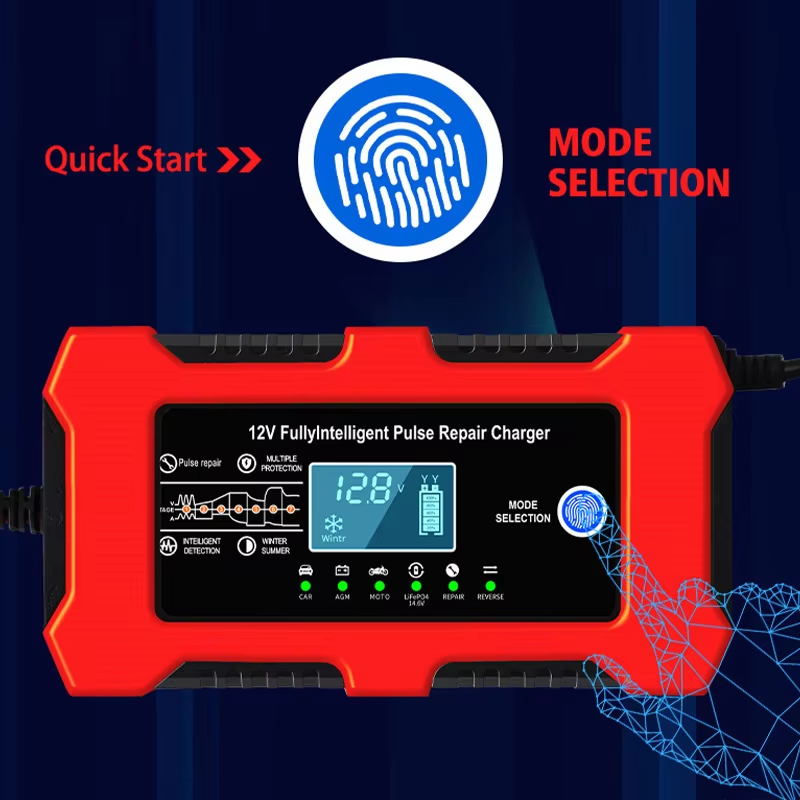
Battery technology has evolved dramatically over the past few decades, with lithium-ion battery systems becoming the cornerstone of modern energy storage solutions. From smartphones and laptops to electric vehicles and renewable energy systems, these advanced power sources have revolutionized how we store and utilize electrical energy. Understanding the fundamental differences between lithium-ion battery types, particularly traditional lithium-ion and LiFePO4 variants, is crucial for making informed decisions about energy storage applications.
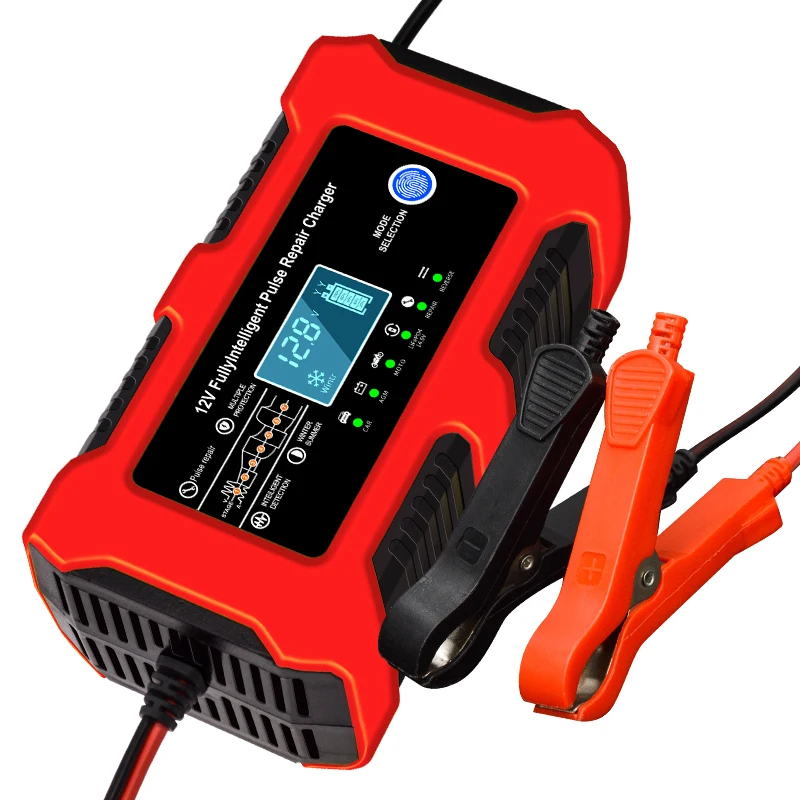
The choice between different lithium-ion battery chemistries can significantly impact performance, longevity, safety, and cost-effectiveness of your energy storage system. While both technologies share the fundamental lithium-ion operating principles, their chemical compositions create distinct characteristics that make each suitable for specific applications. This comprehensive analysis will explore the technical specifications, performance metrics, and practical considerations to help you determine which lithium-ion battery technology best meets your requirements.
Understanding Lithium-Ion Battery Fundamentals
Basic Operating Principles
Every lithium-ion battery operates on the same fundamental principle of lithium ion movement between positive and negative electrodes during charge and discharge cycles. The lithium-ion battery architecture consists of an anode, cathode, electrolyte, and separator, with lithium ions shuttling between electrodes to generate electrical current. During discharge, lithium ions move from the anode to the cathode through the electrolyte, while electrons flow through the external circuit to power connected devices.
The charging process reverses this ion flow, with external electrical energy forcing lithium ions back to the anode for storage. This reversible electrochemical reaction enables thousands of charge-discharge cycles, making lithium-ion battery systems highly reliable for long-term applications. The specific materials used for electrodes and electrolytes determine the battery's performance characteristics, safety profile, and operational parameters.
Chemistry Variations and Their Impact
Traditional lithium-ion battery chemistries typically utilize lithium cobalt oxide (LiCoO2), lithium manganese oxide (LiMn2O4), or lithium nickel manganese cobalt oxide (NMC) as cathode materials. These compositions provide high energy density and excellent power output characteristics, making them ideal for consumer electronics and applications where compact size and lightweight design are priorities. The lithium-ion battery performance in these configurations delivers impressive voltage stability and rapid charge capabilities.
LiFePO4 batteries represent a distinct branch of lithium-ion technology, utilizing lithium iron phosphate as the cathode material. This chemical composition creates a more stable crystal structure that enhances safety characteristics and extends operational lifespan. The iron phosphate chemistry provides inherent thermal stability and reduces the risk of thermal runaway, making LiFePO4 an attractive option for applications where safety and reliability are paramount considerations.
Performance Characteristics Comparison
Energy Density and Power Output
Traditional lithium-ion battery systems excel in energy density metrics, typically delivering 150-250 Wh/kg depending on the specific chemistry and configuration. This high energy density translates to compact, lightweight battery packs that maximize stored energy while minimizing physical footprint. The superior energy density makes conventional lithium-ion batteries ideal for portable devices, electric vehicles, and applications where space and weight constraints are critical factors.
LiFePO4 batteries generally provide lower energy density, typically ranging from 90-160 Wh/kg, which results in larger and heavier battery packs for equivalent energy storage capacity. However, LiFePO4 technology compensates with exceptional power delivery capabilities and sustained discharge performance. The robust crystal structure allows for high current draw without significant voltage degradation, making LiFePO4 suitable for applications requiring consistent power output over extended periods.
Cycle Life and Longevity
Cycle life represents a critical differentiator between lithium-ion battery technologies, with LiFePO4 systems typically delivering 2000-5000+ charge cycles compared to 500-1500 cycles for traditional lithium-ion configurations. This enhanced longevity stems from the stable iron phosphate chemistry that experiences minimal structural degradation during charge-discharge operations. The extended cycle life translates to lower long-term replacement costs and reduced environmental impact through decreased battery disposal requirements.
Traditional lithium-ion battery systems experience gradual capacity degradation due to electrode material changes and electrolyte decomposition over time. While modern lithium-ion technologies have improved significantly in terms of cycle life, they generally cannot match the exceptional longevity of LiFePO4 systems. However, the higher initial energy density of conventional lithium-ion batteries may offset the shorter lifespan in applications where compactness and weight savings provide substantial benefits.
Safety and Thermal Management
Thermal Stability Properties
Safety considerations play a crucial role in lithium-ion battery selection, particularly for stationary energy storage and automotive applications. LiFePO4 chemistry demonstrates superior thermal stability with a higher thermal runaway temperature threshold compared to traditional lithium-ion formulations. The iron phosphate structure remains stable at elevated temperatures, reducing the risk of catastrophic failure and fire hazards that can occur with other lithium-ion battery chemistries under extreme conditions.
Traditional lithium-ion battery systems require more sophisticated thermal management and safety monitoring due to their higher energy density and potential for thermal instability. Advanced battery management systems incorporate temperature monitoring, voltage balancing, and current limiting to maintain safe operating conditions. While these safety measures add complexity and cost, they enable the use of high-energy-density lithium-ion batteries in demanding applications where performance outweighs safety complexity.
Overcharge and Overdischarge Protection
Both lithium-ion battery types require protection circuits to prevent overcharging and deep discharge conditions that can damage cells or create safety hazards. However, LiFePO4 batteries demonstrate greater tolerance to abuse conditions, with less dramatic consequences from minor overcharge or overdischarge events. This inherent robustness simplifies battery management system requirements and reduces the risk of catastrophic failure in less sophisticated applications.
The lithium-ion battery charging process requires precise voltage and current control to maximize lifespan and maintain safety. Advanced charging systems incorporate multiple protection stages, temperature compensation, and cell balancing to optimize charging performance while preventing harmful operating conditions. Proper charging infrastructure is essential for realizing the full potential of any lithium-ion battery technology.
Cost Analysis and Economic Considerations
Initial Investment Requirements
The upfront cost differential between lithium-ion battery technologies significantly impacts project economics and technology selection decisions. Traditional lithium-ion batteries generally offer lower initial costs per kWh of energy storage capacity, making them attractive for applications with limited budgets or short-term deployment horizons. The mature manufacturing infrastructure and economies of scale in conventional lithium-ion production contribute to competitive pricing structures.
LiFePO4 battery systems typically command premium pricing due to specialized manufacturing processes and materials costs associated with iron phosphate chemistry. However, the higher initial investment must be evaluated against the extended operational lifespan and reduced maintenance requirements of LiFePO4 technology. Total cost of ownership calculations often favor LiFePO4 systems for applications with long deployment periods and high cycle requirements.
Lifecycle Cost Evaluation
Comprehensive cost analysis extends beyond initial purchase price to include replacement frequency, maintenance requirements, and end-of-life disposal costs. LiFePO4 battery systems often provide superior long-term economics despite higher upfront costs due to their exceptional cycle life and minimal maintenance needs. The reduced replacement frequency translates to lower labor costs, reduced system downtime, and improved overall reliability for critical applications.
Traditional lithium-ion battery installations may require more frequent replacements and sophisticated monitoring systems to maintain optimal performance throughout their operational lifespan. These additional costs must be factored into economic analyses, particularly for large-scale installations where maintenance accessibility and system reliability directly impact operational efficiency. The choice between lithium-ion battery technologies should consider both immediate budget constraints and long-term operational costs.
Application-Specific Considerations
Consumer Electronics and Portable Devices
Consumer electronics applications strongly favor traditional lithium-ion battery technology due to size and weight constraints that prioritize energy density over longevity. Smartphones, laptops, tablets, and wearable devices benefit from the compact form factor and high energy density that conventional lithium-ion chemistry provides. The typical replacement cycle of consumer devices aligns well with the operational lifespan of traditional lithium-ion batteries, making the shorter cycle life less problematic.
The rapid charging capabilities and voltage characteristics of conventional lithium-ion battery systems align well with consumer expectations for device performance and convenience. Fast-charging protocols and power delivery standards have been optimized for traditional lithium-ion chemistry, providing seamless integration with existing infrastructure and user interfaces. While LiFePO4 technology offers safety and longevity advantages, the size and weight penalties typically outweigh these benefits in portable consumer applications.
Electric Vehicles and Transportation
Electric vehicle applications present complex tradeoffs between energy density, safety, longevity, and cost considerations when selecting lithium-ion battery technology. High-performance electric vehicles often utilize traditional lithium-ion chemistry to maximize driving range while minimizing battery weight and size. The energy density advantages translate directly to improved vehicle performance and efficiency, making conventional lithium-ion attractive for premium automotive applications.
Commercial and utility vehicle applications may favor LiFePO4 technology due to safety considerations and operational longevity requirements. Fleet operators prioritize reliability and total cost of ownership over maximum range, making the extended cycle life and thermal stability of LiFePO4 systems economically attractive. The lower maintenance requirements and reduced fire risk provide additional benefits for commercial transportation applications where safety and uptime are critical success factors.
Installation and Maintenance Requirements
System Integration Considerations
Successful lithium-ion battery deployment requires careful attention to system integration, charging infrastructure, and environmental considerations. Traditional lithium-ion systems often require sophisticated battery management systems with comprehensive monitoring and protection features to ensure safe and reliable operation. These requirements can add complexity and cost to installation projects, particularly for large-scale energy storage applications where multiple battery modules must be coordinated.
LiFePO4 battery installations typically benefit from simplified system requirements due to the inherent safety and stability characteristics of iron phosphate chemistry. The reduced complexity can translate to lower installation costs and simplified maintenance procedures, making LiFePO4 systems attractive for applications where technical expertise may be limited. However, the larger physical size of LiFePO4 systems may require additional space planning and structural considerations during installation design.
Ongoing Maintenance and Monitoring
Long-term maintenance requirements vary significantly between lithium-ion battery technologies, with implications for operational costs and system reliability. Traditional lithium-ion systems often require regular monitoring of cell voltages, temperatures, and capacity to identify potential issues before they impact system performance. The more complex chemistry and higher energy density create additional maintenance touchpoints that must be addressed throughout the system lifecycle.
LiFePO4 battery systems generally require less intensive monitoring and maintenance due to their stable chemistry and robust operational characteristics. The reduced maintenance burden can translate to lower operational costs and improved system reliability, particularly for remote installations where regular maintenance access may be challenging. However, basic monitoring and protection systems remain essential for maximizing the performance and lifespan of any lithium-ion battery installation.
Future Technology Trends
Emerging Chemistry Developments
The lithium-ion battery industry continues evolving with new chemistry developments that aim to combine the best characteristics of existing technologies. Silicon-enhanced anodes, solid-state electrolytes, and advanced cathode materials promise to deliver improved energy density, safety, and longevity across all lithium-ion battery platforms. These emerging technologies may blur the traditional distinctions between conventional lithium-ion and LiFePO4 systems while maintaining their respective application advantages.
Manufacturing improvements and economies of scale continue driving down costs for both traditional and LiFePO4 lithium-ion battery technologies. Advanced production techniques, automated assembly processes, and raw material optimization contribute to more competitive pricing structures across all chemistry variants. These cost reductions expand the economic viability of lithium-ion systems for new applications and market segments previously dominated by legacy battery technologies.
Market Adoption Patterns
Market adoption patterns reflect the ongoing maturation of lithium-ion battery technology and increasing awareness of application-specific requirements. Traditional lithium-ion systems maintain dominance in consumer electronics and high-performance automotive applications where energy density remains the primary selection criterion. However, LiFePO4 technology continues gaining market share in stationary energy storage, commercial vehicles, and applications where safety and longevity outweigh energy density considerations.
The expanding deployment of renewable energy systems and grid-scale energy storage drives increased demand for long-life, safe lithium-ion battery solutions that align well with LiFePO4 characteristics. Simultaneously, the growing electric vehicle market creates sustained demand for high-energy-density lithium-ion systems that maximize vehicle range and performance. This market diversification supports continued development and optimization of both lithium-ion battery technology branches.
FAQ
What is the main difference between lithium-ion and LiFePO4 batteries?
The primary difference lies in their cathode chemistry and resulting performance characteristics. Traditional lithium-ion batteries use various cathode materials like lithium cobalt oxide or NMC, providing higher energy density but shorter lifespan. LiFePO4 batteries use lithium iron phosphate cathodes, offering lower energy density but superior safety, longer cycle life, and better thermal stability. Both are types of lithium-ion technology, but their chemical compositions create distinct advantages for different applications.
Which battery type lasts longer in terms of charge cycles?
LiFePO4 batteries significantly outlast traditional lithium-ion batteries in cycle life performance. LiFePO4 systems typically provide 2000-5000+ charge cycles, while conventional lithium-ion batteries usually deliver 500-1500 cycles before significant capacity degradation occurs. This longevity advantage makes LiFePO4 batteries more cost-effective for applications requiring frequent cycling or long-term deployment, despite their higher initial purchase price.
Are LiFePO4 batteries safer than traditional lithium-ion batteries?
Yes, LiFePO4 batteries are generally considered safer than traditional lithium-ion batteries due to their stable iron phosphate chemistry. They have a higher thermal runaway temperature, greater tolerance to overcharge conditions, and lower risk of fire or explosion under abuse conditions. While both battery types require proper handling and protection circuits, LiFePO4 systems provide inherently safer operation with less sophisticated monitoring requirements.
Which battery type is better for solar energy storage systems?
LiFePO4 batteries are typically preferred for solar energy storage applications due to their extended cycle life, safety characteristics, and ability to handle frequent charge-discharge cycles. Solar installations benefit from the longevity and reliability of LiFePO4 technology, which reduces maintenance requirements and replacement costs over the system's 20+ year lifespan. The lower energy density is less problematic in stationary applications where space constraints are minimal compared to portable devices.