 EN
EN

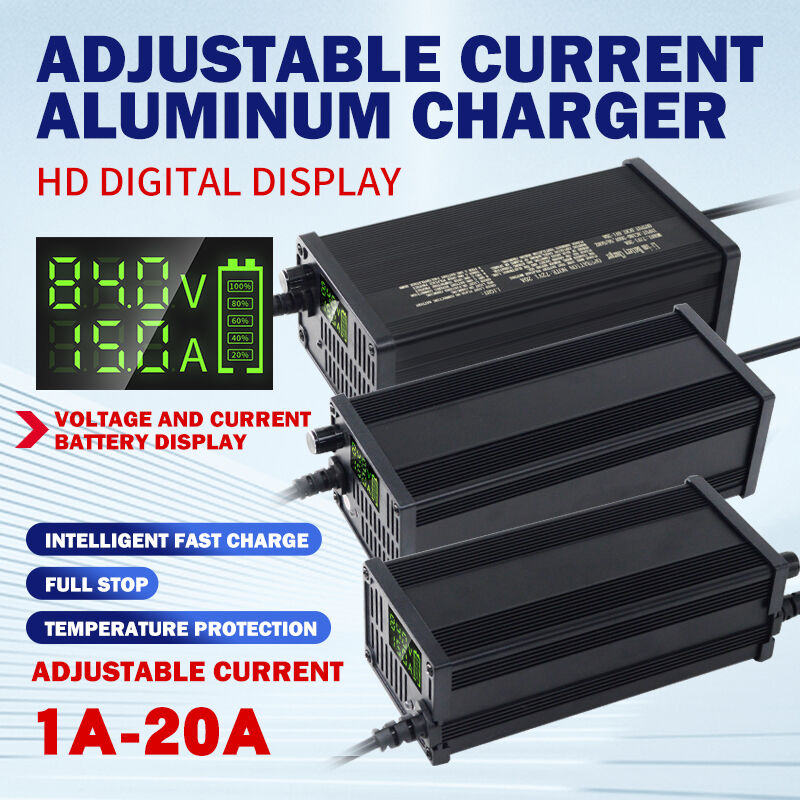
Selecting the appropriate charging solution for your lithium-powered devices represents a critical decision that directly impacts battery performance, longevity, and overall system reliability. Whether you're powering electric vehicles, backup systems, or portable electronics, understanding the intricacies of lithium battery charging technology ensures optimal results and prevents costly equipment damage. The rapid evolution of lithium battery technology has created diverse charging requirements across different applications, making proper charger selection more important than ever before.
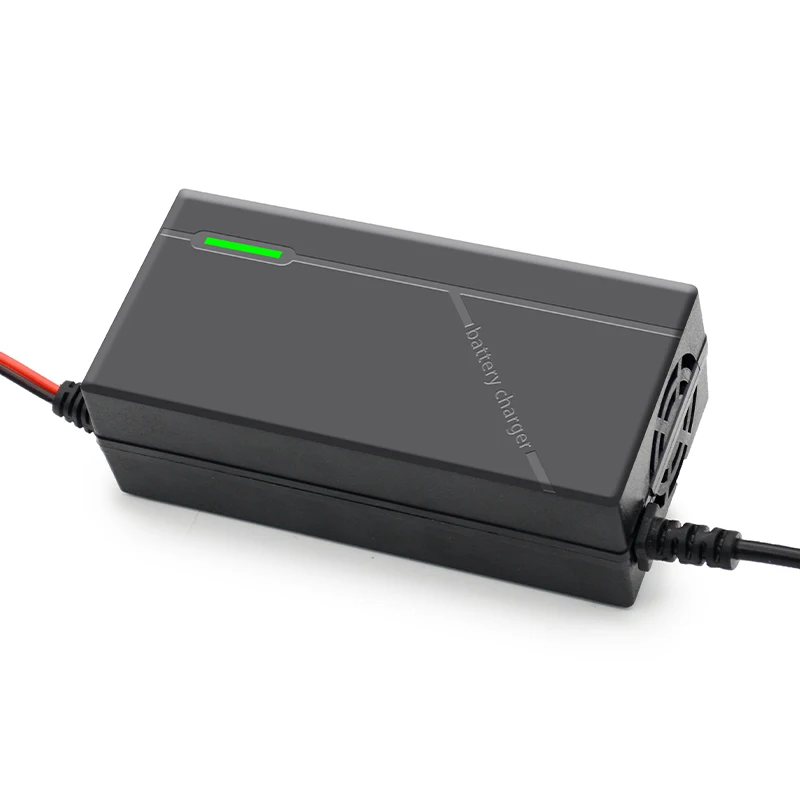
Modern lithium batteries demand sophisticated charging algorithms that differ significantly from traditional lead-acid or nickel-based systems. These advanced energy storage solutions require precise voltage regulation, temperature monitoring, and multi-stage charging protocols to achieve maximum capacity while maintaining safety standards. The consequences of improper charging extend beyond reduced battery life, potentially leading to thermal runaway, permanent capacity loss, or complete system failure.
Understanding Lithium Battery Chemistry and Charging Requirements
Core Chemistry Types and Their Charging Profiles
Lithium-ion batteries encompass several distinct chemistry variations, each requiring specific charging parameters for optimal performance. Lithium Iron Phosphate (LiFePO4) batteries typically operate at 3.2V nominal voltage and require charging to 3.6V per cell, while Lithium Cobalt Oxide (LiCoO2) cells function at 3.7V nominal and charge to 4.2V per cell. These voltage differences necessitate chargers designed specifically for each chemistry type to prevent overcharging or undercharging scenarios.
The charging current specifications vary significantly between chemistry types, with LiFePO4 batteries generally accepting higher charge rates due to their inherent thermal stability. Lithium Nickel Manganese Cobalt (NMC) batteries offer balanced performance characteristics but require more conservative charging approaches to maintain cycle life. Understanding these fundamental differences helps identify compatible charging solutions that maximize battery potential while ensuring long-term reliability.
Temperature Considerations and Safety Protocols
Temperature management during the charging process plays a crucial role in lithium battery safety and performance optimization. Most lithium chemistries exhibit reduced charging efficiency at low temperatures, while excessive heat during charging can trigger protective mechanisms or cause permanent damage. Quality chargers incorporate temperature compensation features that adjust charging parameters based on ambient conditions and battery temperature feedback.
Safety protocols embedded within modern chargers include overcurrent protection, overvoltage protection, and thermal monitoring systems that prevent dangerous charging conditions. These protective measures work in conjunction with battery management systems to create multiple layers of safety redundancy. The integration of these safety features becomes particularly important in high-capacity applications where energy density creates elevated risk potential.
Voltage and Current Specifications for Optimal Performance
Matching Charger Output to Battery Requirements
Proper voltage matching between charger output and battery specifications forms the foundation of effective lithium battery charging. A lithium battery charger designed for 48V systems must provide precise voltage regulation within tight tolerances to ensure complete charging without exceeding safe thresholds. Voltage variations beyond acceptable limits can result in incomplete charging cycles or potentially dangerous overcharge conditions.
Current capacity selection determines charging speed and thermal management requirements throughout the charging cycle. Higher current ratings enable faster charging but generate increased heat that must be managed through proper thermal design and environmental considerations. The relationship between charging current and battery capacity typically follows C-rate specifications, where 1C represents charging at a rate equal to the battery's amp-hour capacity.
Multi-Stage Charging Algorithms
Advanced lithium battery chargers implement sophisticated multi-stage charging algorithms that optimize the charging process through distinct phases. The constant current phase delivers maximum charging current until the battery reaches approximately 80% capacity, followed by a constant voltage phase that gradually reduces current as the battery approaches full charge. This two-stage approach maximizes charging efficiency while preventing overcharge conditions.
Some premium chargers incorporate additional stages including pre-conditioning for deeply discharged batteries and maintenance modes for long-term storage applications. These enhanced algorithms extend battery life by ensuring proper charging completion and preventing self-discharge issues during storage periods. The sophistication of these charging algorithms directly correlates with battery performance and longevity outcomes.
Application-Specific Charger Selection Guidelines
Electric Vehicle and E-bike Applications
Electric vehicle applications demand robust charging solutions capable of handling high-capacity battery packs while maintaining efficiency and safety standards. E-bike and electric motorcycle systems typically operate at 48V nominal voltage with capacity ranges from 10Ah to 20Ah, requiring chargers that can deliver appropriate current levels for reasonable charging times. The portable nature of these applications also necessitates compact charger designs that balance performance with weight considerations.
Durability becomes paramount in mobile applications where chargers experience regular transport and varying environmental conditions. Weather resistance, vibration tolerance, and connector reliability contribute to overall system dependability. Many e-bike chargers incorporate smart charging features that communicate with battery management systems to optimize charging parameters automatically based on battery condition and temperature.
Stationary Energy Storage Systems
Stationary energy storage applications, including backup power systems and renewable energy installations, require chargers designed for continuous operation and high reliability. These systems often incorporate larger battery banks operating at higher voltages, demanding chargers with enhanced power handling capabilities and advanced monitoring features. The fixed installation environment allows for larger, more sophisticated charging equipment that prioritizes efficiency and longevity over portability.
Grid-tie functionality and power factor correction become important considerations in stationary applications where charging systems interface with utility power sources. Advanced stationary chargers may include features such as load balancing, peak shaving capabilities, and remote monitoring integration that support comprehensive energy management strategies. These sophisticated features justify higher initial investments through improved operational efficiency and reduced maintenance requirements.
Safety Features and Certification Requirements
Essential Protection Mechanisms
Comprehensive safety protection systems represent non-negotiable requirements for any quality lithium battery charger, regardless of application or price point. Overcurrent protection prevents excessive charging currents that could damage batteries or create fire hazards, while overvoltage protection ensures charging voltages remain within safe operating parameters. Short circuit protection provides immediate shutdown capability in fault conditions, preventing equipment damage and potential safety hazards.
Thermal protection mechanisms monitor internal charger temperatures and implement protective actions when thermal limits are approached. These systems may include fan control, current derating, or complete shutdown depending on severity and design specifications. Reverse polarity protection prevents damage from incorrect connection, while ground fault detection identifies potentially dangerous electrical faults that could compromise user safety.
Industry Standards and Certifications
Recognized industry certifications provide assurance that chargers meet established safety and performance standards developed through extensive testing and validation processes. UL certification ensures compliance with North American safety requirements, while CE marking indicates conformity with European Union directives for electromagnetic compatibility and safety. International certifications such as IEC standards provide global recognition of quality and safety compliance.
Specific application areas may require additional certifications, such as automotive standards for vehicle applications or marine certifications for boat installations. These specialized certifications address unique environmental and operational requirements that general-purpose certifications may not cover adequately. Verification of appropriate certifications should precede any charger selection decision to ensure regulatory compliance and insurance coverage protection.
Performance Optimization and Maintenance Considerations
Efficiency and Power Factor Optimization
Charging efficiency directly impacts operational costs and environmental performance, making it a critical selection criterion for any lithium battery charger installation. High-efficiency designs minimize energy waste during the charging process, reducing electricity costs and heat generation that could affect system reliability. Modern switch-mode chargers typically achieve efficiency ratings exceeding 90%, significantly outperforming linear charger designs.
Power factor correction technology improves grid compatibility and reduces harmonic distortion that can affect other electrical equipment. This becomes particularly important in commercial and industrial installations where power quality regulations may apply. Active power factor correction circuits maintain near-unity power factor across varying load conditions, optimizing electrical system performance and potentially reducing demand charges.
Monitoring and Diagnostic Capabilities
Advanced monitoring features enable proactive maintenance and performance optimization through real-time system visibility and historical data collection. Integrated displays provide immediate status information including charging current, voltage levels, and completion status, while data logging capabilities support trend analysis and predictive maintenance strategies. Communication interfaces allow integration with building management systems or remote monitoring platforms.
Diagnostic capabilities help identify potential issues before they result in system failures or safety concerns. Fault codes, alarm conditions, and performance trending data support efficient troubleshooting and maintenance planning. These features become increasingly valuable in critical applications where system downtime carries significant operational or financial consequences.
FAQ
What happens if I use the wrong charger for my lithium battery?
Using an incompatible charger can result in several serious consequences including incomplete charging, battery damage, reduced lifespan, or safety hazards such as overheating and thermal runaway. Different lithium chemistries require specific voltage and current profiles, and mismatched chargers may not provide appropriate charging algorithms. This can lead to permanent capacity loss, swelling, or complete battery failure requiring expensive replacement.
How do I determine the correct charging current for my battery?
The appropriate charging current depends on your battery's capacity rating and manufacturer specifications, typically expressed as a C-rate. Most lithium batteries safely accept charging currents between 0.5C and 1C, where C equals the battery's amp-hour capacity. For example, a 10Ah battery can typically handle 5-10 amps charging current. Always consult manufacturer documentation and consider application requirements, as faster charging generates more heat and may reduce cycle life.
Can I leave my lithium battery connected to the charger indefinitely?
Quality lithium battery chargers designed for the purpose can safely maintain batteries at full charge through proper float or maintenance modes. However, not all chargers include this capability, and continuous charging with basic chargers may cause overcharging damage. Smart chargers with automatic shutoff or maintenance modes provide safe long-term connection, but it's essential to verify this functionality before leaving batteries connected for extended periods.
Why is temperature monitoring important during lithium battery charging?
Temperature significantly affects lithium battery charging efficiency, safety, and longevity. Charging at low temperatures reduces battery acceptance and can cause lithium plating, while excessive heat during charging may trigger safety shutdowns or cause permanent damage. Temperature-compensated charging adjusts parameters automatically to maintain optimal conditions, while thermal monitoring provides essential safety protection against overheating conditions that could lead to thermal runaway or fire hazards.