 EN
EN

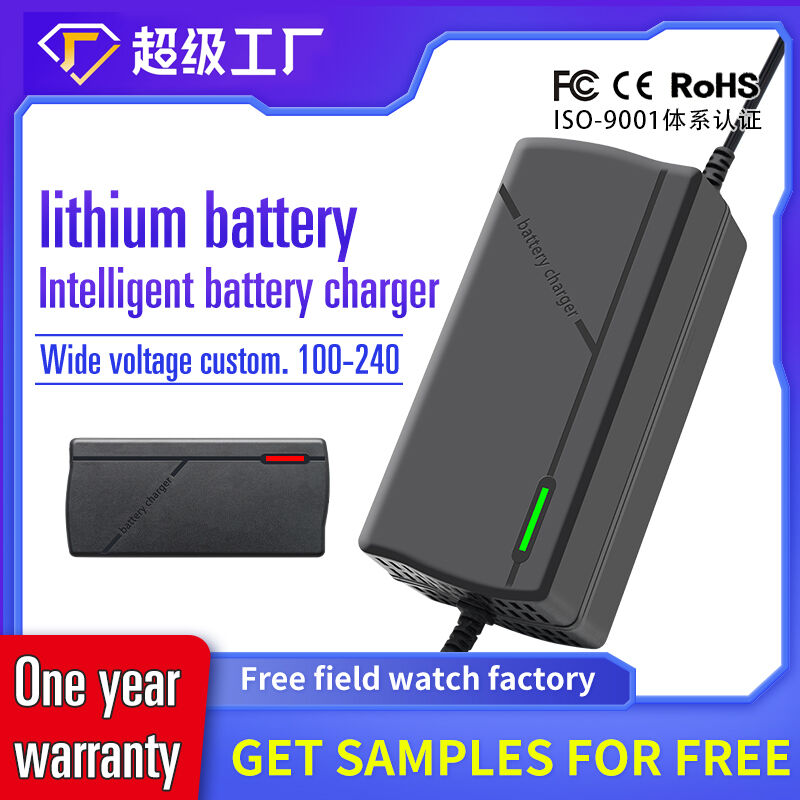
The evolution from traditional lead-acid battery charging to modern lithium battery technology represents one of the most significant advances in energy storage management. As industries worldwide transition toward more efficient and sustainable power solutions, understanding the fundamental differences between a lithium battery charger and conventional charging systems becomes crucial for making informed decisions. This comprehensive comparison explores the technological innovations, performance benefits, and practical implications that distinguish these two charging approaches in today's rapidly evolving energy landscape.
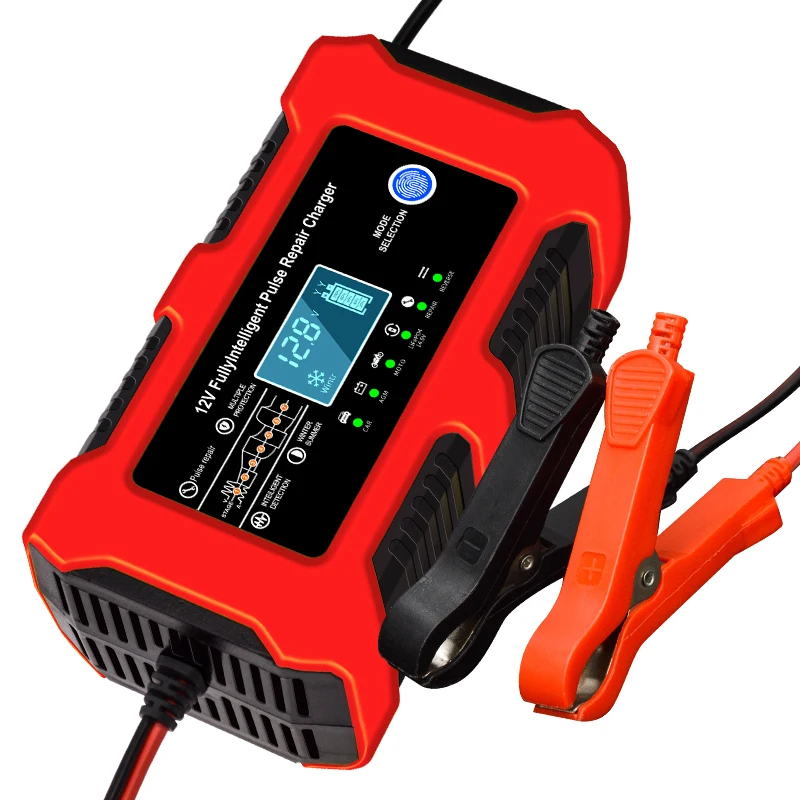
Fundamental Technology Differences
Chemical Composition and Charging Requirements
Traditional lead-acid batteries rely on a sulfuric acid electrolyte solution and lead plates to store electrical energy, requiring a specific charging profile that includes bulk, absorption, and float charging stages. The charging process involves converting lead sulfate back to lead and lead dioxide through controlled voltage application. This chemical reaction demands careful monitoring to prevent overcharging, which can cause electrolyte loss and permanent damage to the battery structure.
Lithium-ion batteries operate through entirely different electrochemical principles, utilizing lithium compounds that move between positive and negative electrodes during charge and discharge cycles. A lithium battery charger must accommodate these unique characteristics by providing precise voltage control and current regulation throughout the charging process. The lithium chemistry requires constant current followed by constant voltage charging, with sophisticated battery management systems monitoring individual cell voltages and temperatures.
Voltage Regulation and Control Mechanisms
Traditional chargers typically operate with simpler voltage regulation systems designed for the forgiving nature of lead-acid batteries. These chargers often employ basic transformer-based designs with minimal electronic control, relying on the battery's natural resistance to limit current flow as charging progresses. The charging curve follows a predictable pattern that allows for less sophisticated monitoring and control systems.
Modern lithium battery charging systems incorporate advanced microprocessor-controlled circuits that continuously monitor and adjust charging parameters. These intelligent systems must maintain precise voltage tolerances within narrow bands to ensure optimal charging without triggering safety mechanisms. The sophisticated control algorithms adjust charging rates based on temperature, cell balance, and charging history to maximize battery life and performance.
Performance and Efficiency Advantages
Charging Speed and Time Efficiency
One of the most notable advantages of lithium battery charger technology lies in significantly reduced charging times compared to traditional systems. While conventional lead-acid batteries typically require 8-12 hours for complete charging, lithium batteries can achieve 80% capacity in 2-4 hours under optimal conditions. This dramatic improvement stems from lithium batteries' ability to accept higher charging currents without suffering the same efficiency losses experienced by lead-acid systems.
The faster charging capability translates directly into improved operational efficiency for businesses and industries that depend on battery-powered equipment. Reduced downtime means increased productivity, lower operational costs, and improved equipment utilization rates. This advantage becomes particularly significant in applications requiring frequent battery cycling or continuous operation schedules.
Energy Conversion and Power Density
Lithium battery charging systems demonstrate superior energy conversion efficiency, typically achieving 95-98% efficiency rates compared to 80-85% for traditional lead-acid chargers. This improved efficiency reduces energy waste, lowers electricity costs, and minimizes heat generation during the charging process. The higher efficiency also contributes to longer charger lifespan and reduced cooling requirements in charging installations.
Power density improvements in lithium battery charger designs enable more compact charging solutions that occupy less space while delivering equivalent or superior charging capabilities. This space efficiency proves valuable in applications where charging infrastructure must fit within limited physical constraints, such as mobile equipment, marine applications, or crowded industrial facilities.
Safety and Protection Features
Advanced Battery Management Systems
Modern lithium battery charger systems incorporate sophisticated battery management systems that monitor multiple parameters simultaneously to ensure safe operation. These systems track individual cell voltages, temperatures, current flow, and charging history to prevent dangerous conditions such as overcharging, overheating, or cell imbalance. The integrated protection mechanisms can automatically adjust charging parameters or shut down the system when potentially harmful conditions are detected.
Traditional chargers rely primarily on basic overcurrent and overvoltage protection, which provides adequate safety for lead-acid batteries but lacks the precision required for optimal lithium battery performance. The simplified protection systems in conventional chargers cannot accommodate the more stringent safety requirements of lithium chemistry, potentially leading to reduced battery life or safety concerns when used inappropriately.
Thermal Management and Environmental Protection
Temperature monitoring and control represent critical safety features in lithium battery charging systems. Advanced chargers incorporate multiple temperature sensors and thermal management algorithms that adjust charging rates based on ambient conditions and battery temperature. These systems can reduce charging current or pause charging entirely when temperatures exceed safe operating ranges, protecting both the battery and charging equipment.
Environmental protection features in modern lithium battery charger designs include enhanced moisture resistance, vibration tolerance, and electromagnetic interference shielding. These protective measures ensure reliable operation in challenging industrial environments while maintaining charging performance and safety standards. The robust construction and advanced protection features contribute to longer equipment life and reduced maintenance requirements.
Cost Considerations and Economic Impact
Initial Investment and Total Cost of Ownership
The initial purchase price of a lithium battery charger typically exceeds that of traditional chargers due to the advanced electronics and sophisticated control systems required for optimal performance. However, the total cost of ownership analysis reveals significant long-term savings through improved efficiency, reduced energy consumption, and extended battery life. The faster charging capabilities also contribute to improved operational productivity and reduced labor costs associated with battery maintenance.
Energy cost savings from improved charging efficiency compound over time, particularly in applications with frequent charging cycles or high energy consumption. The reduced electricity consumption can result in substantial cost savings for large-scale operations, often justifying the higher initial investment within the first year of operation. Additionally, the extended battery life achieved through proper lithium battery charging reduces replacement costs and disposal fees.
Maintenance and Operational Expenses
Lithium battery charging systems typically require less maintenance than traditional chargers due to their solid-state electronics and absence of mechanical components such as transformers and relays. The reduced maintenance requirements translate to lower labor costs and less frequent service interruptions. The diagnostic capabilities built into modern chargers also enable predictive maintenance scheduling, preventing unexpected failures and optimizing service intervals.
Operational expenses benefit from the improved reliability and extended service intervals possible with advanced charging systems. The reduced downtime and improved equipment availability contribute to better operational efficiency and lower overall costs. The combination of reduced energy consumption, extended battery life, and lower maintenance requirements creates compelling economic advantages that often outweigh the higher initial investment.
Applications and Industry Adoption
Industrial and Commercial Applications
The adoption of lithium battery charger technology spans numerous industries, from material handling and logistics to renewable energy storage and electric vehicle infrastructure. Warehouses and distribution centers benefit from the faster charging times and improved efficiency of lithium systems, enabling more flexible shift scheduling and reduced equipment downtime. The compact size and higher power density of modern chargers also facilitate easier integration into existing facilities without major infrastructure modifications.
Manufacturing facilities increasingly rely on lithium battery charging solutions for automated guided vehicles, portable tools, and backup power systems. The consistent charging performance and extended battery life contribute to more predictable operations and reduced maintenance scheduling conflicts. The improved safety features also align with stricter workplace safety requirements and insurance considerations in industrial environments.
Emerging Technologies and Future Trends
The integration of smart charging features and connectivity options in modern lithium battery charger systems enables remote monitoring, data collection, and automated reporting capabilities. These advanced features support predictive maintenance programs, energy management initiatives, and operational optimization strategies. The ability to collect and analyze charging data provides valuable insights for improving battery performance and extending equipment life.
Future developments in charging technology focus on wireless charging capabilities, ultra-fast charging protocols, and integration with renewable energy sources. These innovations promise to further improve the convenience and efficiency of lithium battery charging while supporting broader sustainability goals. The continued evolution of charging technology will likely expand the applications and benefits of lithium battery systems across additional industries and use cases.
FAQ
Can I use a traditional charger with lithium batteries?
Using traditional lead-acid chargers with lithium batteries is not recommended and can potentially damage the battery or create safety hazards. Lithium batteries require specific charging profiles with precise voltage and current control that traditional chargers cannot provide. The different charging algorithms and safety requirements necessitate using chargers specifically designed for lithium chemistry to ensure optimal performance and safety.
How much longer do lithium batteries last with proper charging?
Properly charged lithium batteries typically last 3-5 times longer than lead-acid batteries, often achieving 3000-5000 charge cycles compared to 500-1000 cycles for traditional batteries. The precise charging control provided by dedicated lithium battery chargers helps maximize this lifespan by preventing overcharging, maintaining proper cell balance, and operating within optimal temperature ranges. Proper charging practices can significantly extend battery life and improve return on investment.
What are the main safety differences between charging systems?
Lithium battery charging systems incorporate advanced safety features including individual cell monitoring, temperature control, and sophisticated battery management systems that traditional chargers lack. These systems can detect and respond to potentially dangerous conditions more quickly and precisely than conventional chargers. The enhanced safety features include overcurrent protection, thermal shutdown, and cell balancing capabilities that prevent common failure modes and extend equipment life.
Are lithium battery chargers more energy efficient?
Yes, lithium battery chargers typically achieve 95-98% energy efficiency compared to 80-85% for traditional lead-acid chargers. This improved efficiency reduces energy costs, minimizes heat generation, and contributes to more environmentally friendly operations. The higher efficiency also means less energy waste and lower electricity bills, particularly important for operations with frequent charging cycles or large battery installations.