 EN
EN


The rapid advancement of energy storage technology has made lithium-ion batteries the preferred choice for countless modern applications, from electric vehicles to portable electronics. As these power sources become increasingly sophisticated, the need for specialized charging solutions has never been more critical. A dedicated lithium battery charger offers precision, safety, and efficiency that generic charging systems simply cannot match. Understanding the unique requirements of lithium battery charging ensures optimal performance, extended battery life, and safe operation across all your energy-dependent devices.
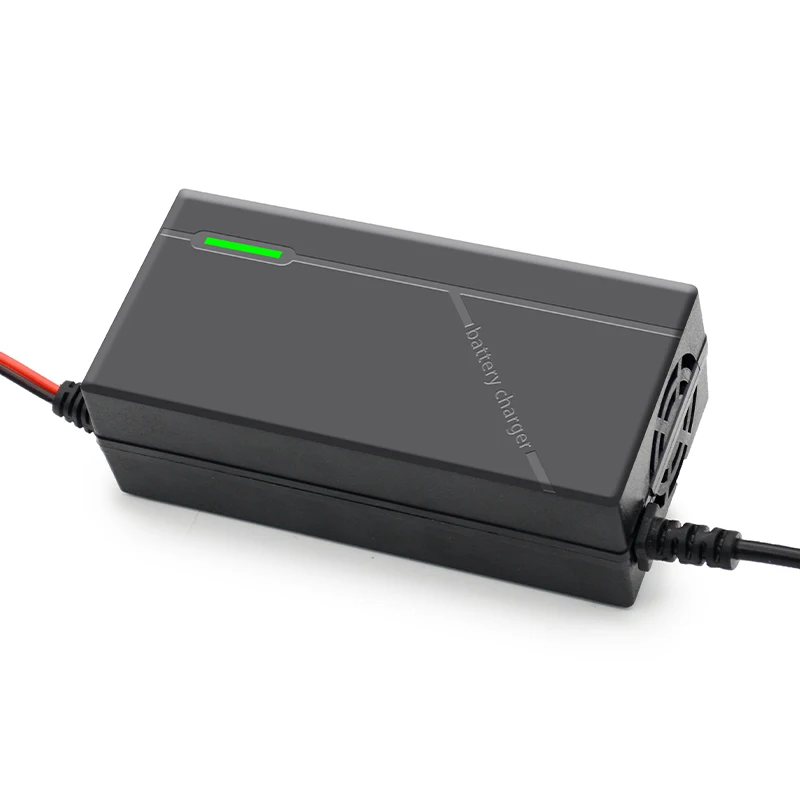
Understanding Lithium Battery Technology
Chemical Composition and Performance Characteristics
Lithium-ion batteries operate through a sophisticated electrochemical process that distinguishes them from traditional battery technologies. The lithium ions move between positive and negative electrodes during charge and discharge cycles, creating a highly efficient energy transfer system. This unique chemistry demands precise voltage control and temperature monitoring throughout the charging process. Unlike lead-acid or nickel-based batteries, lithium cells are particularly sensitive to overcharging, which can lead to thermal runaway and potential safety hazards.
The energy density of lithium batteries far exceeds conventional alternatives, allowing devices to operate longer while maintaining compact form factors. This superior performance comes with specific charging requirements that must be carefully managed. Professional lithium battery charger systems incorporate advanced algorithms to monitor cell voltage, current flow, and temperature parameters continuously. These sophisticated charging protocols ensure each cell receives optimal power delivery while preventing potentially dangerous conditions that could compromise battery integrity or user safety.
Charging Profile Requirements
Lithium batteries require a multi-stage charging approach that differs significantly from simpler battery technologies. The constant current-constant voltage (CC-CV) charging method represents the industry standard for lithium battery management. During the initial constant current phase, the charger delivers maximum safe current until the battery reaches approximately 80-85% capacity. The system then transitions to constant voltage mode, gradually reducing current flow as the battery approaches full charge.
This precise charging methodology prevents overcharging while maximizing battery capacity and cycle life. Generic chargers lacking these sophisticated controls can cause irreversible damage to lithium cells, resulting in reduced performance, shortened lifespan, or complete battery failure. Professional lithium battery charger systems incorporate microprocessor-controlled circuits that automatically adjust charging parameters based on real-time battery conditions, ensuring optimal charging performance regardless of environmental factors or battery age.
Safety Features and Protection Systems
Overvoltage and Overcurrent Protection
Safety represents the paramount concern when charging lithium batteries, as improper charging conditions can lead to catastrophic failure modes including fire, explosion, or toxic gas release. Modern lithium battery charger systems incorporate multiple redundant protection circuits designed to prevent dangerous operating conditions. Overvoltage protection monitors individual cell voltages and immediately terminates charging when any cell approaches critical threshold levels.
Overcurrent protection systems continuously monitor charging current and automatically reduce power delivery when excessive current flow is detected. These protection mechanisms work in conjunction with temperature monitoring circuits that track both battery and charger temperatures throughout the charging cycle. If thermal conditions exceed safe operating parameters, the system immediately suspends charging operations until temperatures return to acceptable ranges. This comprehensive protection approach ensures safe charging under all normal operating conditions.
Thermal Management and Monitoring
Temperature control represents a critical aspect of safe lithium battery charging, as thermal conditions directly impact both charging efficiency and safety. Professional lithium battery charger systems incorporate sophisticated thermal monitoring circuits that track multiple temperature points throughout the charging process. These systems adjust charging rates based on ambient temperature conditions, ensuring optimal charging performance while preventing thermal stress.
Advanced thermal management features include active cooling systems, temperature-compensated charging algorithms, and automatic thermal shutdown protection. These features work together to maintain safe operating temperatures even during high-power charging operations or challenging environmental conditions. Proper thermal management not only ensures safe charging but also maximizes battery lifespan by preventing thermal degradation that can significantly reduce cell capacity over time.
Performance Benefits and Efficiency Optimization
Charging Speed and Time Optimization
Modern lithium battery charger technology delivers significantly faster charging times compared to conventional charging methods. High-power charging systems can achieve 80% capacity in as little as 30-60 minutes, depending on battery size and charger specifications. This rapid charging capability stems from advanced power management algorithms that optimize current delivery throughout the charging cycle while maintaining safe operating parameters.
Smart charging algorithms analyze battery condition, temperature, and capacity to determine optimal charging rates for each specific situation. These systems can adjust charging parameters in real-time, maximizing charging speed when conditions allow while automatically reducing power when safety or longevity concerns arise. The result is consistently fast charging times without compromising battery health or safety, making lithium battery charger systems ideal for applications requiring quick turnaround times.
Battery Longevity and Cycle Life Extension
Proper charging methodology plays a crucial role in maximizing lithium battery lifespan and maintaining performance over thousands of charge cycles. Professional lithium battery charger systems incorporate battery management algorithms specifically designed to minimize charging stress and extend cycle life. These systems avoid aggressive charging practices that can accelerate battery degradation, instead employing gentle charging profiles that preserve cell chemistry integrity.
Advanced chargers monitor battery age and condition, automatically adjusting charging parameters to account for capacity fade and internal resistance changes over time. This adaptive charging approach ensures consistent charging performance throughout the battery's service life while maximizing the total number of usable charge cycles. Users can expect significantly longer battery life when using dedicated lithium battery charger systems compared to generic charging alternatives.
Application-Specific Charging Solutions
Electric Vehicle and E-bike Applications
Electric vehicles and e-bikes represent some of the most demanding applications for lithium battery charging technology. These systems require high-power charging capabilities combined with sophisticated safety features to handle large battery packs safely and efficiently. Professional lithium battery charger systems designed for electric vehicle applications incorporate advanced cooling systems, high-current handling capabilities, and comprehensive battery management integration.
E-bike charging systems must balance portability with performance, delivering sufficient power to charge high-capacity batteries while remaining compact enough for practical use. Modern e-bike lithium battery charger units feature lightweight designs, universal input voltage compatibility, and weather-resistant construction suitable for outdoor use. These chargers often include smart features such as automatic shutoff, LED status indicators, and compatibility with various battery chemistries commonly used in electric bicycles.
Portable Electronics and Industrial Equipment
Portable electronic devices require precise charging control to maximize battery performance while maintaining compact charger designs. Consumer electronics lithium battery charger systems must deliver consistent performance across wide temperature ranges while providing protection against common user errors such as incorrect connection or power surges. These chargers typically feature universal compatibility with multiple device types and automatic device recognition capabilities.
Industrial applications often require ruggedized lithium battery charger systems capable of operating in harsh environments while providing reliable charging performance. Industrial chargers must meet stringent safety standards and provide consistent operation despite exposure to dust, moisture, vibration, and temperature extremes. These professional-grade charging systems incorporate enhanced protection features and robust construction designed to withstand years of continuous operation in demanding industrial environments.
Selection Criteria and Technical Specifications
Voltage and Current Rating Considerations
Selecting the appropriate lithium battery charger requires careful consideration of voltage and current specifications to ensure compatibility and optimal charging performance. Battery voltage determines the charger's output voltage requirements, while battery capacity influences the ideal charging current rating. Higher current ratings enable faster charging but require more sophisticated thermal management and safety features.
Professional lithium battery charger systems offer multiple output configurations to accommodate various battery types and applications. Universal chargers provide adjustable output parameters, allowing users to optimize charging performance for specific battery configurations. Fixed-output chargers offer simplified operation and enhanced reliability for dedicated applications where battery specifications remain constant.
Communication and Smart Features
Modern lithium battery charger systems increasingly incorporate smart communication features that enhance charging performance and user convenience. CAN bus communication enables integration with battery management systems, allowing chargers to receive detailed battery information and adjust charging parameters accordingly. This intelligent communication ensures optimal charging performance while providing comprehensive system monitoring capabilities.
Smart charging features include remote monitoring capabilities, programmable charging profiles, and data logging functionality. These advanced features enable users to track charging performance over time, identify potential issues before they become problems, and optimize charging schedules for specific applications. Professional lithium battery charger systems with smart features provide valuable insights into battery health and charging efficiency that help maximize system performance and reliability.
FAQ
What makes a lithium battery charger different from regular battery chargers
Lithium battery chargers incorporate sophisticated multi-stage charging algorithms specifically designed for lithium-ion chemistry. Unlike simple chargers that provide constant voltage or current, lithium chargers use a constant current-constant voltage (CC-CV) charging profile with precise voltage control, temperature monitoring, and automatic charge termination. These features prevent overcharging and thermal runaway while maximizing battery lifespan and safety.
How do I choose the right charging current for my lithium battery
The optimal charging current typically ranges from 0.5C to 1C, where C represents the battery's capacity rating. For example, a 10Ah battery can safely accept 5-10 amps charging current. Higher current rates enable faster charging but may reduce battery lifespan and require enhanced thermal management. Always consult your battery manufacturer's specifications for recommended charging parameters and never exceed maximum current ratings.
Can I use my lithium battery charger for different battery voltages
Universal lithium battery chargers offer adjustable output voltage settings to accommodate different battery configurations, but fixed-output chargers must match your battery's nominal voltage exactly. Using incorrect voltage settings can damage batteries or create safety hazards. Always verify charger output voltage matches your battery requirements, and consider programmable chargers if you need to charge multiple battery types.
What safety features should I look for in a professional lithium battery charger
Essential safety features include overvoltage protection, overcurrent protection, temperature monitoring, reverse polarity protection, and short circuit protection. Advanced chargers also provide thermal shutdown, ground fault protection, and surge suppression. Look for chargers certified by recognized safety organizations and featuring multiple redundant protection systems to ensure safe operation under all normal conditions.