 EN
EN

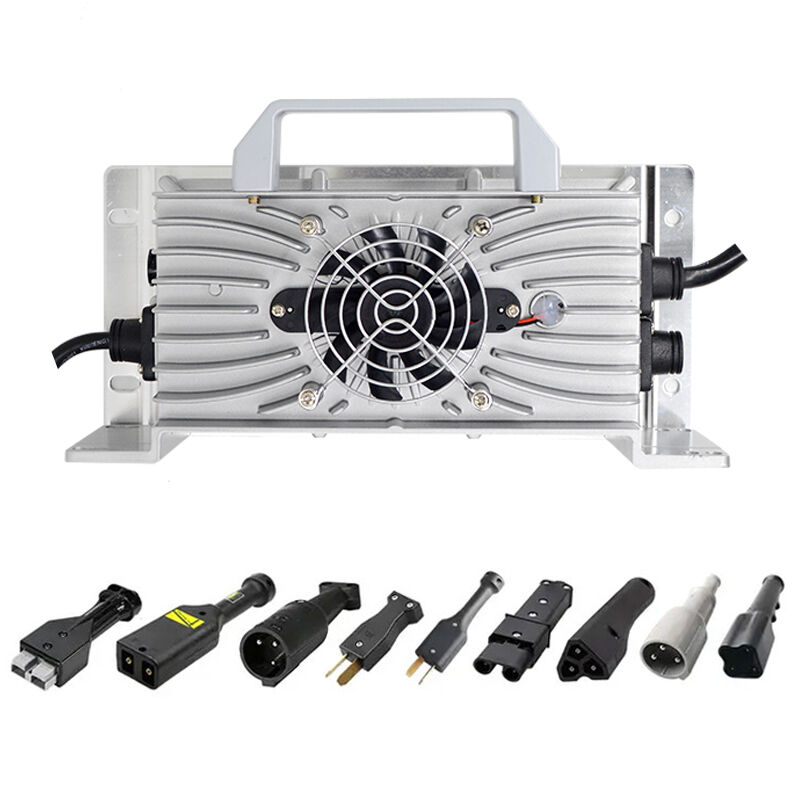
Modern energy storage solutions have revolutionized countless industries, with advanced charging technologies playing a pivotal role in this transformation. The evolution of battery technology has brought forth sophisticated charging systems that deliver superior performance, reliability, and efficiency compared to traditional alternatives. Understanding the fundamental advantages of these cutting-edge charging solutions helps businesses and consumers make informed decisions about their energy storage investments. The sophisticated engineering behind today's charging systems ensures optimal power delivery while maintaining the longevity and safety of connected battery systems.
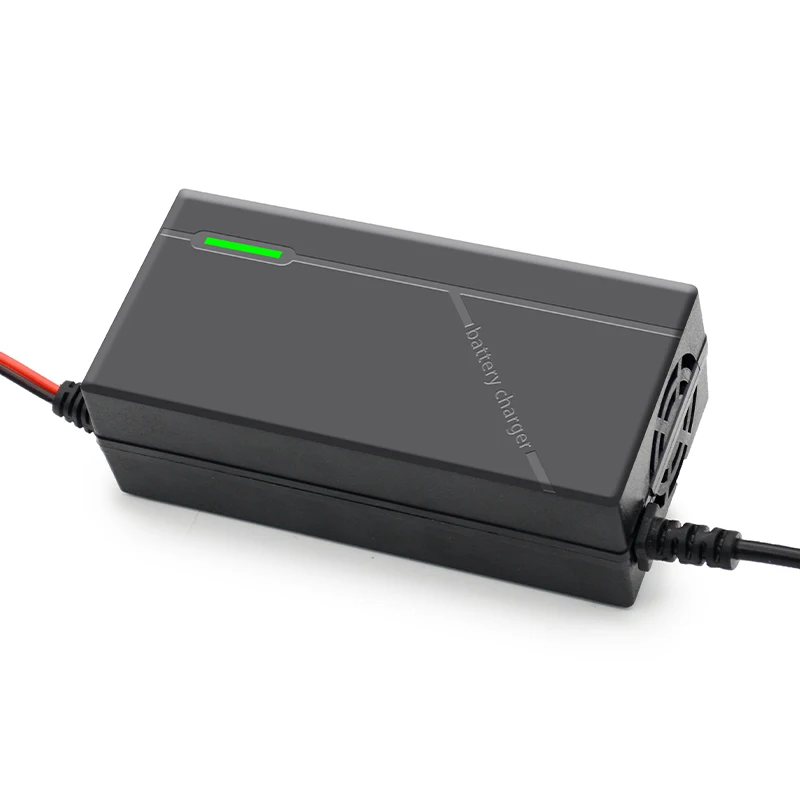
The technological leap from conventional charging methods to modern solutions represents a significant milestone in energy management. These advanced systems incorporate intelligent monitoring capabilities, precise voltage control, and enhanced safety features that protect both the charging equipment and connected batteries. The integration of smart charging algorithms ensures optimal charging cycles while preventing common issues such as overcharging, overheating, and voltage fluctuations that can damage sensitive battery cells.
Superior Charging Speed and Efficiency
Rapid Energy Transfer Technology
Contemporary charging systems utilize advanced power conversion technologies that significantly reduce charging times compared to traditional methods. These systems can deliver higher current outputs while maintaining precise voltage regulation, allowing batteries to reach full capacity in substantially shorter timeframes. The sophisticated power management circuits optimize energy transfer efficiency, minimizing heat generation and power loss during the charging process.
The implementation of intelligent charging profiles enables these systems to adapt their output characteristics based on the connected battery's specific requirements. This adaptive approach ensures that each charging session is optimized for maximum efficiency while preventing potential damage from inappropriate charging parameters. The result is consistently faster charging times without compromising battery health or safety.
Intelligent Power Management
Advanced charging systems incorporate sophisticated microprocessor-controlled circuits that continuously monitor and adjust charging parameters in real-time. These intelligent systems analyze battery voltage, temperature, and charging current to optimize the charging process dynamically. The smart algorithms prevent overcharging by automatically reducing current flow as the battery approaches full capacity, ensuring optimal cell balance and extending overall battery life.
The precision control offered by modern charging technology eliminates the guesswork associated with traditional charging methods. Real-time feedback mechanisms allow these systems to detect battery conditions and adjust charging parameters accordingly, ensuring consistent and reliable performance across different environmental conditions and usage patterns.
Enhanced Safety and Protection Features
Multi-Layer Safety Systems
Modern charging solutions integrate comprehensive safety mechanisms that protect against various electrical hazards and operational risks. These systems include overvoltage protection, overcurrent protection, short-circuit protection, and reverse polarity protection to safeguard both the charging equipment and connected batteries. The sophisticated safety circuits can detect abnormal conditions within milliseconds and automatically disconnect power to prevent potential damage or safety hazards.
Temperature monitoring and thermal protection features ensure safe operation across a wide range of environmental conditions. These systems continuously monitor internal temperatures and automatically adjust charging parameters or shut down completely if temperatures exceed safe operating limits. This proactive approach to thermal management prevents overheating-related failures and extends the operational lifespan of both charging equipment and batteries.
Advanced Fault Detection
Contemporary charging systems employ sophisticated diagnostic capabilities that can identify and respond to various fault conditions before they become critical issues. These systems can detect battery cell imbalances, connection problems, and component failures while providing clear status indicators to inform users of system conditions. The early detection of potential problems allows for preventive maintenance and reduces the risk of unexpected failures.
The integration of self-diagnostic features enables these charging systems to perform regular health checks and report any detected anomalies through visual indicators or communication interfaces. This proactive monitoring approach helps maintain optimal system performance and provides valuable insights for maintenance scheduling and operational planning.
Long-Term Cost Benefits and Reliability
Extended Equipment Lifespan
The superior build quality and advanced engineering of modern charging systems translate directly into extended operational lifespans and reduced maintenance requirements. These systems utilize high-grade components and robust construction techniques that ensure reliable performance under demanding operating conditions. The improved durability reduces replacement frequency and associated costs while maintaining consistent charging performance over extended periods.
The precise charging control offered by these systems also contributes to extended battery life by preventing the damage typically associated with improper charging practices. By maintaining optimal charging parameters and preventing overcharging or undercharging conditions, these systems help maximize battery capacity retention and cycle life, ultimately reducing battery replacement costs and improving overall system economics.
Reduced Maintenance Requirements
Advanced charging technology requires minimal maintenance compared to traditional charging methods, thanks to sophisticated design and high-quality components. The elimination of mechanical wear components and the integration of solid-state electronics reduce the likelihood of component failures and associated maintenance costs. Regular maintenance activities are typically limited to basic cleaning and periodic inspection rather than complex repairs or component replacements.
The self-monitoring capabilities of modern charging systems provide early warning of potential issues, allowing for proactive maintenance that prevents costly failures and downtime. This predictive maintenance approach helps optimize maintenance schedules and reduces unexpected repair costs while ensuring consistent system availability and performance.
Environmental Impact and Energy Efficiency
Reduced Energy Consumption
Contemporary charging systems achieve significantly higher energy efficiency ratings compared to traditional alternatives, resulting in reduced electrical consumption and lower operating costs. The advanced power conversion technologies utilized in these systems minimize energy losses during the charging process, ensuring that more of the input electrical energy is effectively transferred to the battery rather than being wasted as heat.
The intelligent charging algorithms optimize power delivery based on real-time battery conditions, further enhancing overall system efficiency. By adapting charging parameters to match specific battery requirements, these systems eliminate unnecessary energy consumption while maintaining optimal charging performance. This efficiency improvement translates directly into reduced electricity costs and smaller environmental footprints.
Sustainable Operation Practices
The enhanced efficiency and longevity of modern charging systems contribute to more sustainable energy management practices by reducing resource consumption and waste generation. The extended operational lifespans of both charging equipment and batteries reduce the frequency of equipment replacement and associated manufacturing impacts. Additionally, the improved charging precision helps maximize battery performance and lifespan, further reducing environmental impacts associated with battery production and disposal.
The integration of smart charging features enables these systems to take advantage of renewable energy sources and time-of-use electricity rates, further enhancing their environmental benefits. Many modern charging systems can be programmed to operate during off-peak hours or when renewable energy availability is highest, contributing to more sustainable energy consumption patterns and reduced carbon footprints.
Versatility and Application Flexibility
Wide Compatibility Range
Modern charging solutions offer exceptional versatility through support for multiple battery chemistries and voltage ranges, making them suitable for diverse applications across various industries. These systems can accommodate different battery types and capacities while automatically adjusting charging parameters to match specific requirements. This flexibility eliminates the need for multiple specialized chargers and simplifies inventory management for businesses with diverse equipment fleets.
The configurable nature of advanced charging systems allows them to be customized for specific applications or operational requirements. Users can adjust charging profiles, timing parameters, and safety thresholds to optimize performance for particular use cases. This adaptability ensures optimal charging performance across different applications while maintaining the safety and reliability standards required for professional use.
Integration Capabilities
Contemporary charging systems often include communication interfaces and connectivity options that enable integration with larger energy management systems or monitoring networks. These capabilities allow for remote monitoring, status reporting, and centralized control of multiple charging stations or equipment fleets. The integration possibilities enhance operational efficiency and provide valuable data for system optimization and maintenance planning.
The availability of programmable features and communication protocols makes these charging systems suitable for automated applications and smart grid integration. This connectivity enables advanced features such as load balancing, demand response participation, and coordinated charging schedules that can optimize energy costs and grid stability while maintaining optimal battery performance.
FAQ
What makes modern charging systems more efficient than traditional alternatives
Modern charging systems achieve higher efficiency through advanced power conversion technologies, intelligent charging algorithms, and precise control systems that minimize energy losses and optimize power delivery. These systems continuously monitor and adjust charging parameters to match battery requirements while reducing heat generation and improving overall energy transfer efficiency compared to basic charging methods.
How do safety features in advanced charging systems protect equipment and users
Advanced charging systems incorporate multiple layers of protection including overvoltage protection, overcurrent protection, thermal monitoring, and fault detection systems that automatically respond to abnormal conditions. These safety mechanisms can detect potential hazards within milliseconds and take appropriate protective actions such as reducing charging current or completely shutting down to prevent damage or safety risks.
What are the long-term cost benefits of investing in quality charging technology
Quality charging systems provide long-term cost benefits through extended equipment lifespans, reduced maintenance requirements, improved energy efficiency, and enhanced battery life. The lithium battery charger technology helps prevent premature battery replacement while reducing operational costs through lower energy consumption and minimal maintenance needs.
Can modern charging systems adapt to different battery types and applications
Yes, contemporary charging systems offer exceptional versatility through configurable charging profiles and support for multiple battery chemistries and voltage ranges. These systems can automatically detect battery specifications and adjust charging parameters accordingly, making them suitable for diverse applications while maintaining optimal performance and safety standards across different use cases.
Table of Contents
- Superior Charging Speed and Efficiency
- Enhanced Safety and Protection Features
- Long-Term Cost Benefits and Reliability
- Environmental Impact and Energy Efficiency
- Versatility and Application Flexibility
-
FAQ
- What makes modern charging systems more efficient than traditional alternatives
- How do safety features in advanced charging systems protect equipment and users
- What are the long-term cost benefits of investing in quality charging technology
- Can modern charging systems adapt to different battery types and applications