 EN
EN

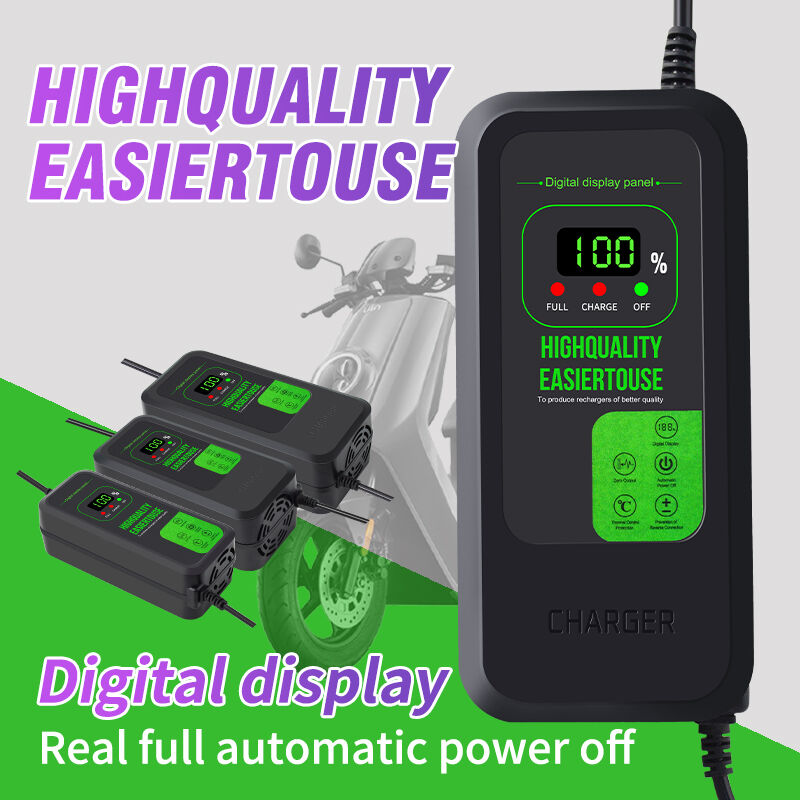
Proper maintenance of your lead acid battery charger is essential for ensuring reliable performance and extending the operational lifespan of both the charger and your battery systems. Whether you're using a charger for automotive applications, backup power systems, or industrial equipment, implementing a systematic maintenance approach will prevent costly failures and maintain optimal charging efficiency. Understanding the key maintenance practices for your charging equipment helps avoid unexpected downtime while maximizing your investment in battery technology.
Essential Cleaning and Inspection Procedures
Regular Visual Inspections
Conducting thorough visual inspections of your battery charging equipment should occur monthly to identify potential issues before they escalate into major problems. Check all external surfaces for signs of corrosion, physical damage, or unusual wear patterns that could indicate internal component stress. Examine the power cord and charging cables for fraying, cracking, or exposed wiring that poses safety risks and reduces charging efficiency.
Pay particular attention to the ventilation areas and cooling fans, as blocked airflow can cause overheating and premature component failure. Look for any loose connections, damaged mounting hardware, or signs of moisture intrusion that could compromise the electrical integrity. Document any observations in a maintenance log to track patterns and schedule appropriate repairs before system failures occur.
Proper Cleaning Techniques
Maintaining clean surfaces on your charging equipment prevents dust accumulation and heat buildup that can reduce performance and shorten component life. Use compressed air to remove dust from ventilation grilles, cooling fins, and internal components accessible without disassembly. Clean external surfaces with a damp cloth using mild detergent, ensuring all cleaning solutions are completely dry before reconnecting power.
Remove any corrosion from terminals and connection points using appropriate cleaning solutions and protective coatings to prevent future oxidation. Keep the charging area clean and free from debris that could interfere with proper ventilation or create fire hazards. Regular cleaning also allows you to spot potential problems early and maintain professional appearance in commercial environments.
Electrical Connection Maintenance
Terminal and Cable Care
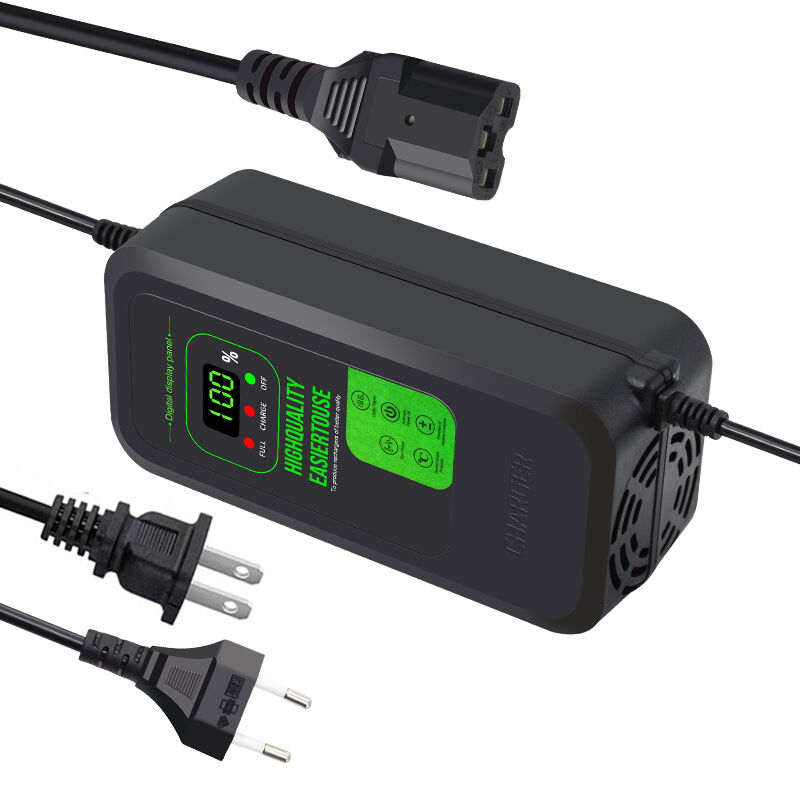
Maintaining secure electrical connections is crucial for safe and efficient operation of any charging system. Inspect all terminals, lugs, and connection points for signs of loosening, corrosion, or overheating that could indicate poor electrical contact. Tighten connections to manufacturer specifications using appropriate torque values to prevent damage while ensuring adequate contact pressure.
Clean battery terminals and charger connections regularly using appropriate cleaning solutions to remove oxidation and ensure optimal conductivity. Apply protective coatings or terminal protectors to prevent future corrosion and maintain long-term connection integrity. Replace damaged cables or connectors immediately to prevent safety hazards and maintain proper charging performance throughout the system.
Grounding and Safety Systems
Verify that all grounding connections remain secure and properly bonded to prevent electrical shock hazards and ensure proper circuit protection operation. Test ground fault circuit interrupters and other safety devices regularly to confirm they function correctly during fault conditions. Check that all safety labels and warning signs remain clearly visible and properly positioned near the equipment.
Ensure adequate clearances around the charger for safe operation and maintenance access, following manufacturer recommendations and local electrical codes. Verify that emergency shutdown procedures are clearly documented and accessible to all personnel who might need to operate the equipment during emergencies or maintenance activities.
Performance Monitoring and Testing
Charging Parameter Verification
Regular testing of charging parameters ensures your equipment continues to deliver appropriate voltage and current levels for optimal battery performance and longevity. Use calibrated test equipment to verify output voltage accuracy across the full operating range, checking for proper regulation under various load conditions. Monitor charging current profiles to ensure they match manufacturer specifications for different battery types and charging stages.
Document all test results in maintenance records to track performance trends over time and identify gradual degradation before it affects battery charging quality. Compare measured values against manufacturer specifications to determine when calibration or component replacement becomes necessary. This proactive approach prevents battery damage from improper charging parameters.
Thermal Performance Assessment
Monitor operating temperatures during normal charging cycles to ensure thermal management systems function properly and prevent overheating damage. Use infrared thermometry to identify hot spots that might indicate failing components, poor connections, or inadequate cooling. Check that cooling fans operate correctly and maintain proper airflow through heat dissipation areas.
Verify that thermal protection circuits activate at appropriate temperature thresholds to prevent damage during abnormal operating conditions. Clean heat sinks and cooling surfaces regularly to maintain effective heat transfer and prevent thermal-related failures. Record temperature measurements to establish baseline performance data for future comparison and trending analysis.
Preventive Maintenance Scheduling
Routine Maintenance Tasks
Establishing a comprehensive preventive maintenance schedule helps ensure consistent lead acid battery charger performance while minimizing unexpected failures and costly repairs. Daily checks should include visual inspection of indicator lights, verification of proper operation, and confirmation that charging cycles complete successfully. Weekly tasks involve more detailed inspections of connections, cables, and cooling systems.
Monthly maintenance should include thorough cleaning, connection tightening, and basic performance testing to verify continued proper operation. Quarterly procedures involve detailed electrical testing, calibration verification, and replacement of consumable items like filters or worn components. Annual maintenance requires comprehensive inspection, testing, and potential component replacement based on manufacturer recommendations.
Component Replacement Guidelines
Understanding when to replace key components helps maintain reliable charging performance and prevents unexpected failures during critical operations. Replace cooling fans when they show signs of bearing wear, reduced airflow, or excessive noise that indicates impending failure. Monitor capacitor performance and replace them according to manufacturer schedules or when testing reveals degraded performance characteristics.
Keep spare parts inventory based on usage patterns and manufacturer recommendations to minimize downtime during component replacement. Document all component replacements in maintenance records to track component life cycles and optimize replacement scheduling. Use only manufacturer-approved replacement parts to ensure continued warranty coverage and proper system performance.
Troubleshooting Common Issues
Performance Problems
When charging performance declines, systematic troubleshooting helps identify root causes and implement appropriate corrections quickly. Check input power quality first, as voltage fluctuations or poor power factor can significantly affect charging performance and efficiency. Verify that load connections remain secure and properly sized for the intended application requirements.
Monitor charging curves and compare them to baseline performance data to identify gradual degradation patterns that might indicate component aging or calibration drift. Test individual circuit functions to isolate problems to specific subsystems and avoid unnecessary component replacement. Document all troubleshooting steps and results to build institutional knowledge for future reference.
Safety Considerations
Always follow proper safety procedures when performing maintenance on electrical charging equipment to prevent injury and equipment damage. Ensure power is properly disconnected and locked out before beginning any maintenance work that requires access to internal components. Use appropriate personal protective equipment and follow established safety protocols for working with electrical systems.
Verify that all safety systems function correctly after completing maintenance work and before returning equipment to service. Train all maintenance personnel on proper procedures and safety requirements specific to the charging equipment being serviced. Keep emergency contact information readily available for technical support or emergency response needs.
FAQ
How often should I perform maintenance on my battery charger?
The frequency of maintenance depends on operating conditions and usage patterns, but generally includes daily visual checks, weekly detailed inspections, monthly cleaning and connection verification, and quarterly comprehensive testing. High-usage or harsh environment applications may require more frequent maintenance intervals to ensure reliable performance.
What are the signs that my charger needs immediate attention?
Warning signs include unusual noises, overheating, error messages, inconsistent charging performance, visible damage to cables or connections, and failure to complete normal charging cycles. Any safety-related issues like ground faults, shock hazards, or fire risks require immediate shutdown and professional service before resuming operation.
Can I perform all maintenance tasks myself or do I need professional service?
Basic maintenance like cleaning, visual inspections, and connection checks can typically be performed by trained personnel following manufacturer guidelines. However, internal component replacement, calibration adjustments, and complex electrical testing should be performed by qualified technicians to maintain safety and warranty coverage.
How do I know when to replace my charger instead of continuing repairs?
Consider replacement when repair costs exceed 50% of replacement cost, when key components are obsolete or unavailable, when safety systems cannot be properly restored, or when the charger no longer meets current application requirements. Age-related degradation and changing technology requirements may also justify replacement over continued maintenance.