 EN
EN

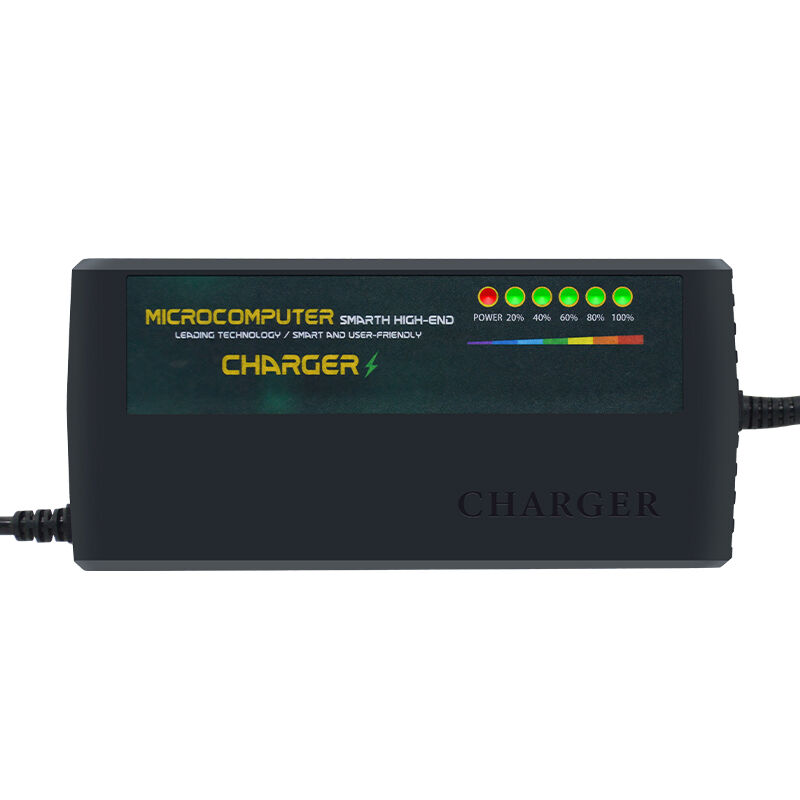
Lead acid batteries remain the backbone of countless applications, from automotive systems to backup power solutions, yet their charging requirements often present challenges that can significantly impact performance and longevity. Understanding the intricacies of proper charging protocols is essential for anyone relying on these energy storage devices. A reliable lead acid battery charger serves as the critical bridge between power source and battery, ensuring optimal energy transfer while protecting against common charging pitfalls that can permanently damage expensive battery systems.
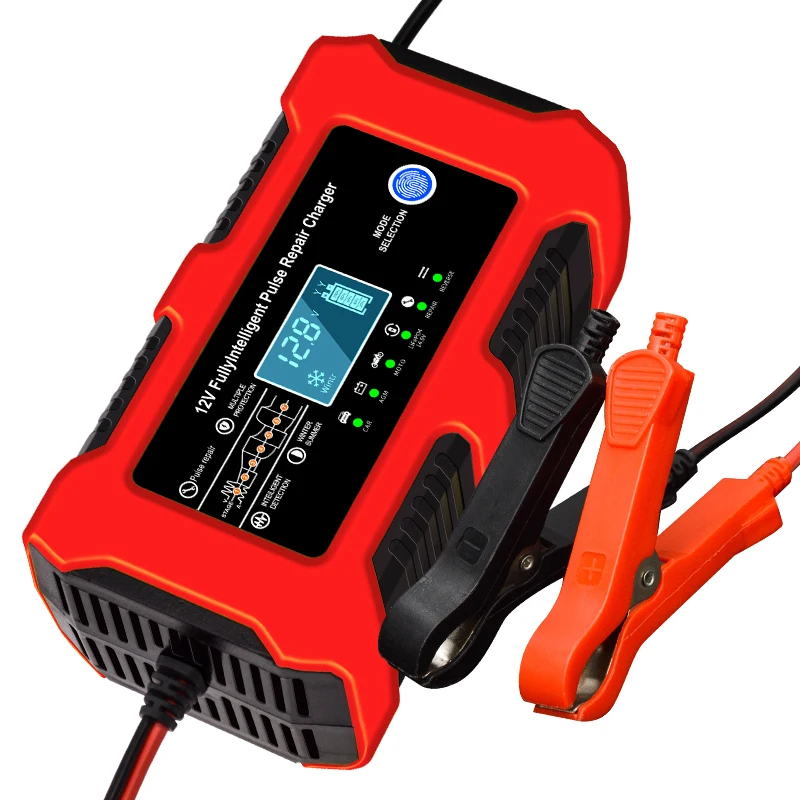
Modern charging technology has evolved dramatically, yet many users continue to encounter persistent issues that stem from fundamental misunderstandings about battery chemistry and charging dynamics. Professional technicians and everyday users alike benefit from comprehensive knowledge about troubleshooting charging problems before they escalate into costly replacements. The relationship between charger specifications and battery requirements forms the foundation for successful long-term battery management strategies.
Understanding Lead Acid Battery Chemistry and Charging Fundamentals
Basic Chemical Processes During Charging
Lead acid batteries operate through electrochemical reactions involving lead dioxide, sponge lead, and sulfuric acid electrolyte. During discharge, both positive and negative plates convert to lead sulfate while the electrolyte becomes diluted. The charging process reverses these reactions, converting lead sulfate back to active materials while concentrating the electrolyte solution. This fundamental process requires precise voltage and current control to prevent damage and ensure complete conversion.
Temperature significantly affects charging efficiency and battery performance throughout the charging cycle. Cold temperatures slow chemical reactions, requiring longer charging times and potentially higher voltages, while excessive heat accelerates reactions but can cause permanent damage to internal components. A quality lead acid battery charger incorporates temperature compensation features that automatically adjust charging parameters based on ambient conditions, ensuring optimal performance across varying environmental conditions.
Voltage Requirements and Charging Stages
Effective charging typically involves three distinct stages: bulk charging, absorption charging, and float charging. Bulk charging delivers maximum current until the battery reaches approximately 80% capacity, followed by absorption charging that maintains constant voltage while current gradually decreases. Float charging provides maintenance voltage to counteract self-discharge without overcharging the battery system.
Different battery types within the lead acid family require specific voltage parameters for optimal performance. Standard flooded batteries typically require 14.4 volts for 12V systems during absorption charging, while sealed AGM and gel batteries often need slightly lower voltages to prevent gas generation and internal pressure buildup. Understanding these requirements prevents common charging errors that lead to premature battery failure and reduced capacity.
Common Charging Problems and Their Root Causes
Overcharging Issues and Consequences
Overcharging represents one of the most destructive charging problems, causing excessive heat generation, electrolyte loss, and permanent plate damage. This condition typically results from using incorrect charger settings, faulty voltage regulation, or inadequate charging termination controls. Overcharged batteries exhibit symptoms including excessive gassing, electrolyte boiling, case swelling, and rapid capacity loss that becomes irreversible over time.
Modern charging systems incorporate multiple protection mechanisms to prevent overcharging damage. Smart chargers monitor battery voltage, current, and temperature continuously, automatically transitioning between charging stages and terminating the process when batteries reach full capacity. However, older or basic charging equipment may lack these protections, making manual monitoring essential for battery preservation and safety.
Undercharging Problems and Performance Impact
Chronic undercharging creates equally serious problems through sulfation buildup and capacity reduction. Insufficient charging allows lead sulfate crystals to harden and become difficult to convert back to active materials, permanently reducing battery capacity and performance. This condition commonly occurs with inadequate charging time, low charging voltages, or interrupted charging cycles that prevent complete restoration.
Identifying undercharging requires careful voltage monitoring and capacity testing over time. Batteries suffering from chronic undercharging typically show declining performance, reduced runtime, and inability to accept full charge even with extended charging periods. Professional diagnosis often reveals specific gravity variations in flooded batteries and voltage depression under load conditions that indicate permanent sulfation damage.
Troubleshooting Charging Equipment Problems
Charger Output Verification and Testing
Systematic testing of charger output provides the foundation for identifying equipment-related charging problems. Digital multimeters accurately measure output voltage and current under various load conditions, revealing inconsistencies that affect charging performance. Testing should include no-load voltage, loaded voltage, and current delivery capability compared to manufacturer specifications for comprehensive evaluation.
Advanced testing procedures involve connecting known good batteries to suspect chargers while monitoring charging progression through multiple stages. A properly functioning lead acid battery charger should demonstrate consistent voltage regulation, appropriate current limiting, and smooth transitions between charging phases without unexpected fluctuations or premature termination.
Connection and Wiring Issues
Poor connections represent a frequently overlooked cause of charging problems that can manifest as slow charging, voltage drops, or complete charging failure. Corroded terminals, loose connections, and inadequate wire sizing all contribute to excessive resistance that impedes proper current flow. Regular inspection and maintenance of all charging connections ensures reliable power transfer and prevents costly battery damage from inadequate charging.
Professional charging installations utilize appropriate wire gauges, corrosion-resistant terminals, and secure mounting hardware to minimize connection-related problems. Voltage drop testing across all connections reveals hidden resistance issues that may not be visually apparent but significantly impact charging efficiency. Proper connection maintenance includes regular cleaning, tightening, and application of protective compounds to prevent future corrosion development.
Environmental Factors Affecting Charging Performance
Temperature Effects on Charging Efficiency
Temperature variations dramatically influence lead acid battery charging requirements and efficiency across seasonal changes and different operating environments. Cold temperatures increase internal resistance and slow chemical reactions, requiring adjusted charging voltages and extended charging times for complete restoration. Conversely, high temperatures accelerate reactions but increase the risk of thermal runaway and permanent damage without proper voltage compensation.
Professional charging systems incorporate temperature sensors that automatically adjust charging parameters to maintain optimal performance across temperature ranges. Manual charging operations require understanding of temperature coefficients and appropriate voltage adjustments to prevent undercharging in cold conditions or overcharging in hot environments. This knowledge becomes particularly critical for outdoor applications and seasonal equipment storage.
Humidity and Corrosion Prevention
High humidity environments accelerate corrosion of charging system components and battery terminals, creating resistance that impedes proper charging. Moisture infiltration can cause tracking across insulators, ground faults, and premature equipment failure that compromises charging reliability. Preventive measures include proper ventilation, moisture barriers, and regular application of protective coatings to exposed metal components.
Charging installations in marine, industrial, or outdoor environments require enhanced protection against moisture-related problems. Sealed enclosures, drainage provisions, and corrosion-resistant materials extend system life and maintain charging performance despite challenging environmental conditions. Regular inspection schedules identify developing problems before they affect charging capability or create safety hazards.
Advanced Charging Technologies and Solutions
Smart Charging Features and Benefits
Contemporary lead acid battery charger technology incorporates microprocessor control systems that provide unprecedented precision and protection compared to traditional charging methods. These intelligent systems continuously monitor battery condition, automatically adjust charging parameters, and provide diagnostic information that helps users optimize battery performance and longevity. Smart charging features include desulfation modes, equalization cycles, and maintenance scheduling that extend battery life significantly.
Multi-stage charging algorithms optimize the charging process by precisely controlling voltage and current throughout each phase of the charging cycle. Advanced chargers can detect battery type, capacity, and condition automatically, selecting appropriate charging profiles without user intervention. These systems prevent common charging errors while maximizing efficiency and minimizing charging time for improved productivity.
Pulse Charging and Desulfation Technology
Pulse charging technology applies brief high-voltage pulses during charging cycles to help break down hardened sulfate crystals that form during normal battery use. This innovative approach can restore capacity in mildly sulfated batteries and prevent sulfation buildup in regularly maintained systems. The pulsing action creates localized heating and ionic movement that facilitates crystal dissolution without the sustained high voltages that could damage healthy battery components.
Professional battery maintenance programs increasingly incorporate pulse charging techniques for fleet applications and critical backup systems. While not effective for severely sulfated batteries, regular pulse charging can significantly extend battery life and maintain higher capacity levels throughout the service life. Understanding when and how to apply pulse charging techniques helps optimize battery investment returns and reduce replacement costs.
Preventive Maintenance and Best Practices
Regular Monitoring and Testing Protocols
Implementing systematic monitoring procedures helps identify charging problems before they cause permanent battery damage or system failures. Regular voltage measurements, specific gravity testing for flooded batteries, and load testing provide comprehensive assessment of battery condition and charging system performance. Documentation of test results over time reveals trends that indicate developing problems requiring corrective action.
Professional maintenance schedules typically include monthly visual inspections, quarterly performance testing, and annual comprehensive evaluations depending on application criticality and operating conditions. Automated monitoring systems can provide continuous surveillance with alarm capabilities for immediate notification of developing problems. This proactive approach minimizes downtime and maximizes battery investment returns through early intervention and corrective maintenance.
Proper Storage and Maintenance Procedures
Long-term storage requires specific charging protocols to maintain battery condition and prevent permanent capacity loss. Stored batteries should be fully charged initially, then maintained with appropriate float charging or periodic recharging schedules based on self-discharge rates and storage duration. Temperature control during storage significantly affects maintenance requirements and battery longevity.
Seasonal equipment often experiences charging problems due to improper storage procedures and inadequate maintenance during idle periods. Establishing proper storage protocols, including cleaning, charging, and environmental protection, ensures reliable performance when equipment returns to service. Regular monitoring during storage periods allows early detection of problems that could prevent successful reactivation.
FAQ
What causes a lead acid battery charger to stop working suddenly
Sudden charger failure typically results from internal component failure, overcurrent conditions, or thermal protection activation. Common causes include blown fuses, failed rectifier diodes, damaged transformers, or control circuit malfunctions. Environmental factors such as moisture infiltration, temperature extremes, or voltage spikes can also cause immediate failure. Professional diagnosis requires systematic testing of input power, internal components, and output circuits to identify the specific failure mode and determine repair feasibility.
How do I know if my battery or charger is causing charging problems
Isolating battery versus charger problems requires testing each component separately with known good equipment. Test the suspected battery with a different charger of appropriate specifications, and test the suspect charger with a known good battery. Voltage and current measurements during charging reveal whether problems stem from insufficient charger output or battery inability to accept charge. Battery load testing and specific gravity measurements provide additional diagnostic information for flooded batteries.
Why does my lead acid battery take longer to charge than expected
Extended charging times typically indicate sulfation buildup, temperature effects, or charger output limitations. Chronic undercharging allows sulfate crystals to harden, requiring longer times and higher voltages to restore capacity. Cold temperatures slow chemical reactions and extend charging duration significantly. Undersized chargers may not provide sufficient current for timely charging, while aging chargers may have reduced output capability. Battery age and previous maintenance history also affect charging acceptance rates.
Can overcharging permanently damage my lead acid battery
Yes, overcharging causes irreversible damage including plate corrosion, electrolyte loss, separator degradation, and case distortion. Excessive charging generates heat and gas that can cause electrolyte to boil away, exposing plates to air and causing permanent oxidation. Grid corrosion from overcharging reduces mechanical strength and electrical conductivity, leading to premature failure. Modern smart chargers prevent overcharging through automatic voltage regulation and charging termination, but basic chargers require careful monitoring to prevent damage.
Table of Contents
- Understanding Lead Acid Battery Chemistry and Charging Fundamentals
- Common Charging Problems and Their Root Causes
- Troubleshooting Charging Equipment Problems
- Environmental Factors Affecting Charging Performance
- Advanced Charging Technologies and Solutions
- Preventive Maintenance and Best Practices
- FAQ