 EN
EN

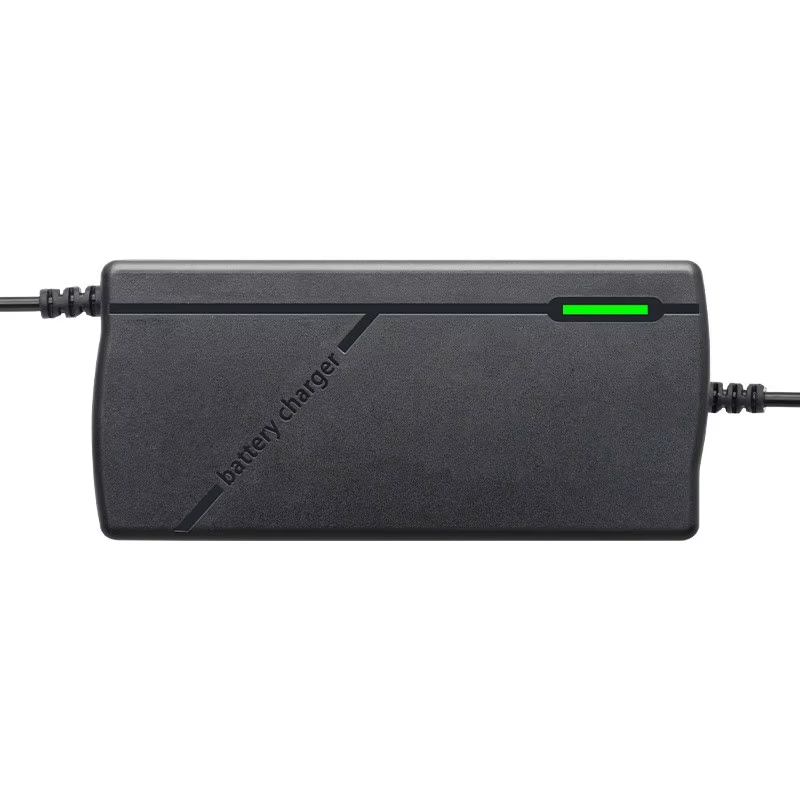
Modern lithium battery chargers represent a sophisticated blend of electrical engineering and smart technology designed to safely and efficiently power today's most demanding applications. Understanding how these essential devices operate can help you make informed decisions about battery maintenance, extend equipment lifespan, and ensure optimal performance across various applications. A lithium battery charger functions through precisely controlled voltage and current stages that accommodate the unique charging characteristics of lithium-ion and lithium iron phosphate battery chemistries.
The charging process involves multiple stages of power delivery, each carefully calibrated to maximize battery health while preventing dangerous conditions like overheating or overcharging. Unlike traditional lead-acid battery chargers, lithium battery chargers must accommodate stricter voltage tolerances and more complex charging algorithms. These devices monitor temperature, voltage, and current continuously throughout the charging cycle to ensure safe operation and optimal battery longevity.
Fundamental Charging Principles
Constant Current Phase Operation
The initial charging phase of any lithium battery charger begins with constant current delivery, where the device provides a steady flow of electrical current to the battery cells. During this phase, the charger maintains a predetermined current level while allowing the battery voltage to rise gradually. This controlled current approach prevents thermal runaway and ensures uniform charging across all battery cells within the pack.
The constant current phase typically continues until the battery reaches approximately 80-90% of its full capacity, depending on the specific lithium chemistry being charged. Throughout this phase, the lithium battery charger continuously monitors cell voltage and temperature to prevent any unsafe conditions. Advanced chargers incorporate microprocessor controls that can adjust current delivery based on real-time battery conditions and environmental factors.
Constant Voltage Phase Management
Once the battery reaches the predetermined voltage threshold, the lithium battery charger transitions into constant voltage mode, where it maintains a steady voltage while allowing the current to decrease naturally. This phase represents the final stages of the charging process, where the remaining 10-20% of battery capacity is carefully topped off. The voltage level is precisely controlled to match the specific requirements of the lithium chemistry being charged.
During constant voltage operation, the charging current gradually tapers off as the battery approaches full capacity. This natural current reduction indicates that the battery cells are reaching their maximum energy storage potential. The lithium battery charger monitors this current reduction and typically terminates the charging process when the current drops to a predetermined percentage of the initial charging current, usually between 3-10% of the maximum current rating.
Smart Charging Technology Integration
Microprocessor Control Systems
Modern lithium battery chargers incorporate sophisticated microprocessor control systems that enable precise monitoring and adjustment of charging parameters in real-time. These intelligent systems continuously analyze battery voltage, current, temperature, and charging time to optimize the charging process for maximum efficiency and safety. The microprocessor can detect battery type, capacity, and condition automatically, adjusting charging parameters accordingly.
The control system also implements multiple safety protocols that can immediately halt charging if dangerous conditions are detected. These include overvoltage protection, overcurrent protection, reverse polarity protection, and thermal protection. Advanced lithium battery chargers can even communicate with smart batteries that contain built-in battery management systems, exchanging data to optimize charging performance and ensure compatibility.
Temperature Compensation Features
Temperature plays a critical role in lithium battery charging, and sophisticated chargers incorporate temperature compensation features to adjust charging parameters based on ambient and battery temperatures. Cold temperatures require reduced charging currents to prevent lithium plating, while high temperatures may necessitate charging suspension to prevent thermal damage. The lithium battery charger monitors these conditions continuously and adjusts accordingly.
Temperature sensors integrated into advanced chargers provide accurate readings that enable precise control over charging parameters. Some chargers include both internal temperature sensors for monitoring charger components and external sensors for monitoring battery temperature directly. This dual-sensor approach ensures both charger and battery operate within safe temperature ranges throughout the entire charging cycle.

Safety Mechanisms and Protection Systems
Overvoltage and Overcurrent Protection
Comprehensive protection systems represent fundamental components of any quality lithium battery charger, safeguarding both the charging equipment and the battery being charged. Overvoltage protection prevents the charger from delivering excessive voltage that could damage sensitive lithium cells or create dangerous conditions. This protection typically operates through voltage monitoring circuits that immediately disconnect charging power when predetermined limits are exceeded.
Overcurrent protection serves a similar function by monitoring current flow and preventing excessive current delivery that could cause overheating or battery damage. These protection systems operate independently of the main control circuitry, providing redundant safety measures that ensure reliable operation even if primary control systems experience malfunctions. Many lithium battery chargers incorporate multiple levels of protection, including primary electronic controls and secondary mechanical safety devices.
Thermal Management Systems
Effective thermal management represents a crucial aspect of lithium battery charger design, as excessive heat can damage both the charger and the battery being charged. Advanced chargers incorporate active cooling systems, including fans and heat sinks, to maintain optimal operating temperatures. These systems monitor internal temperatures continuously and activate cooling measures when predetermined thresholds are reached.
Thermal management extends beyond simple cooling to include heat distribution and dissipation strategies that ensure uniform temperature profiles throughout the charging device. Some lithium battery chargers feature thermal shutdown capabilities that temporarily suspend charging operations if temperatures exceed safe limits. This protective measure prevents equipment damage and ensures safe operation even under challenging environmental conditions.
Battery Chemistry Compatibility
Lithium-Ion Charging Protocols
Different lithium battery chemistries require specific charging protocols to ensure optimal performance and longevity. Lithium-ion batteries typically require charging voltages between 4.0 and 4.2 volts per cell, with precise voltage control being essential for preventing overcharging damage. A quality lithium battery charger must accommodate these strict voltage requirements while providing appropriate current levels for efficient charging.
The charging algorithm for lithium-ion batteries involves careful attention to voltage rise rates and current tapering characteristics that differ significantly from other battery chemistries. Advanced chargers can automatically detect lithium-ion batteries and select appropriate charging parameters without user intervention. This automatic selection capability ensures optimal charging performance while eliminating the possibility of user error in charger configuration.
Lithium Iron Phosphate Considerations
Lithium iron phosphate batteries present unique charging requirements that differ from standard lithium-ion cells, necessitating specialized charging algorithms within the lithium battery charger. These batteries typically operate at lower voltages, around 3.6 volts per cell, and can tolerate higher charging currents than traditional lithium-ion chemistries. The charging curve for LiFePO4 batteries features a flatter voltage profile that requires different detection methods for determining full charge status.
LiFePO4 batteries also demonstrate different temperature characteristics during charging, often generating less heat than lithium-ion cells and tolerating a wider range of charging temperatures. Modern lithium battery chargers incorporate specific algorithms designed for LiFePO4 chemistry, optimizing charging speed while maintaining the enhanced safety characteristics that make these batteries popular in demanding applications.
Performance Optimization Techniques
Pulse Charging Technology
Advanced lithium battery chargers often incorporate pulse charging technology that delivers energy in controlled pulses rather than continuous current flow. This technique can help reduce battery heating during charging while potentially improving charging efficiency and battery longevity. Pulse charging allows time between pulses for chemical reactions within the battery to stabilize, reducing stress on battery components.
The pulse charging method employed by sophisticated lithium battery chargers involves precise timing control and current modulation that optimizes energy transfer while minimizing unwanted side effects. Different pulse patterns and frequencies may be used depending on battery condition, temperature, and charging stage. This advanced charging technique requires sophisticated control circuitry but can provide significant benefits in terms of battery life extension and charging efficiency.
Multi-Stage Charging Algorithms
Comprehensive multi-stage charging algorithms represent the pinnacle of lithium battery charger technology, incorporating multiple distinct phases designed to optimize different aspects of the charging process. These algorithms typically include pre-charging phases for deeply discharged batteries, bulk charging phases for rapid capacity restoration, and maintenance phases for long-term battery health preservation.
Each stage within the multi-stage algorithm serves specific purposes and operates under different parameter sets optimized for particular battery conditions. The lithium battery charger automatically transitions between stages based on real-time battery analysis, ensuring optimal charging performance throughout the entire cycle. Advanced algorithms may include conditioning phases that help restore battery capacity and balance individual cells within multi-cell battery packs.
FAQ
What makes lithium battery chargers different from regular battery chargers?
Lithium battery chargers differ significantly from conventional chargers in their voltage precision, charging algorithms, and safety systems. While lead-acid chargers can tolerate voltage variations of several tenths of a volt, lithium battery chargers must maintain voltage accuracy within hundredths of a volt to prevent damage. They also incorporate sophisticated temperature monitoring and multi-stage charging protocols specifically designed for lithium chemistry requirements.
Can I use any lithium battery charger for different lithium battery types?
Not all lithium battery chargers are compatible with every lithium battery type, as different lithium chemistries require specific voltage and current parameters. Lithium-ion batteries typically require 4.2V per cell, while lithium iron phosphate batteries need 3.6V per cell. Using an incorrect charger can result in reduced battery life, poor performance, or safety hazards. Always verify charger compatibility with your specific battery chemistry before use.
How long does it typically take for a lithium battery charger to fully charge a battery?
Charging time depends on battery capacity, charger current output, and battery condition, but most lithium battery chargers can achieve 80% charge within 1-3 hours for typical applications. The final 20% of charging takes additional time due to the constant voltage phase where current naturally tapers off. Fast chargers with higher current outputs can reduce charging times, but may require enhanced cooling and safety systems.
Do lithium battery chargers require special maintenance or care?
Quality lithium battery chargers require minimal maintenance, though regular inspection of cables, connectors, and ventilation areas helps ensure optimal performance. Keep charging areas clean and well-ventilated, avoid exposing chargers to moisture or extreme temperatures, and periodically check for firmware updates if your charger supports them. Most modern chargers include self-diagnostic features that alert users to potential issues before they become serious problems.
Table of Contents
- Fundamental Charging Principles
- Smart Charging Technology Integration
- Safety Mechanisms and Protection Systems
- Battery Chemistry Compatibility
- Performance Optimization Techniques
-
FAQ
- What makes lithium battery chargers different from regular battery chargers?
- Can I use any lithium battery charger for different lithium battery types?
- How long does it typically take for a lithium battery charger to fully charge a battery?
- Do lithium battery chargers require special maintenance or care?