 EN
EN


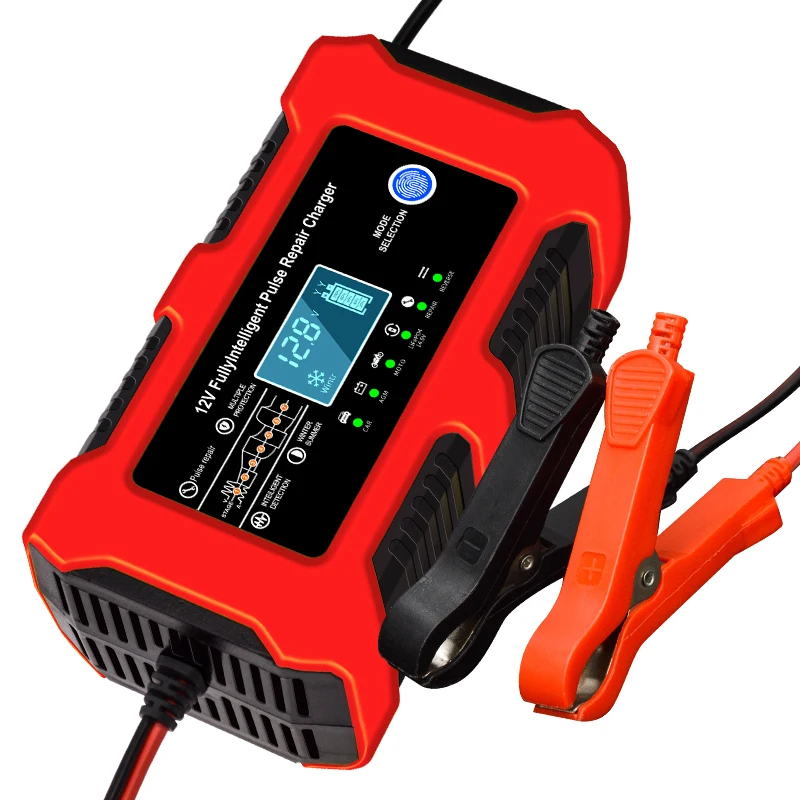
Understanding how a 12v car charger operates within your vehicle's electrical system is essential for maintaining optimal battery performance and ensuring reliable transportation. Modern vehicles rely heavily on their 12-volt electrical systems to power everything from engine management computers to entertainment systems, making the 12v car charger a critical component for battery maintenance and longevity. When your vehicle's alternator cannot adequately charge the battery or when the battery has been depleted, a dedicated 12v car charger becomes an indispensable tool for restoring proper electrical function. These sophisticated devices work by converting alternating current from your home's electrical supply into direct current that matches your vehicle's battery specifications, ensuring safe and efficient charging cycles.
Fundamental Operating Principles of Automotive Battery Charging
Electrical Current Conversion Process
The primary function of any 12v car charger involves converting standard household alternating current into the direct current required by automotive batteries. This conversion process utilizes sophisticated transformer technology combined with rectification circuits that ensure smooth, consistent power delivery. The internal circuitry of a quality 12v car charger includes step-down transformers that reduce the incoming voltage from 110-240 volts AC to approximately 14.4 volts DC, which represents the optimal charging voltage for lead-acid batteries. Advanced models incorporate switching power supplies that provide higher efficiency and generate less heat during operation, extending both charger lifespan and charging effectiveness.
During the conversion process, the 12v car charger continuously monitors various electrical parameters including voltage, current flow, and temperature to ensure safe charging conditions. Modern chargers employ pulse-width modulation techniques that regulate power delivery by rapidly switching the electrical supply on and off, maintaining precise control over charging rates. This technology allows the charger to adjust its output automatically based on the battery's current state of charge, preventing overcharging while maximizing charging efficiency.
Battery Chemistry Compatibility
Different battery technologies require specific charging profiles to achieve optimal performance and longevity, making compatibility a crucial consideration when selecting a 12v car charger. Traditional lead-acid batteries, including flooded, gel, and absorbed glass mat variants, each have distinct charging requirements that must be respected to prevent damage. Advanced chargers incorporate multiple charging modes specifically designed for different battery chemistries, automatically adjusting voltage levels, current rates, and charging duration based on the detected battery type.
Lithium iron phosphate batteries, increasingly common in modern vehicles and aftermarket applications, require entirely different charging parameters compared to traditional lead-acid units. A versatile 12v car charger designed for multi-chemistry compatibility includes dedicated charging algorithms that prevent lithium battery damage while ensuring complete charging cycles. These chargers typically feature automatic battery type detection or manual selection switches that optimize charging performance for specific battery technologies.
Advanced Charging Technologies and Smart Features
Microprocessor-Controlled Charging Algorithms
Contemporary 12v car charger designs incorporate sophisticated microprocessor technology that enables intelligent charging management throughout the entire charging cycle. These advanced control systems continuously analyze battery voltage, internal resistance, and temperature characteristics to determine the optimal charging strategy for maximum efficiency and safety. The microprocessor automatically initiates different charging phases, beginning with bulk charging for rapid capacity restoration, followed by absorption charging for complete saturation, and concluding with float maintenance to prevent self-discharge.
Smart charging algorithms also include desulfation capabilities that help restore battery capacity by breaking down lead sulfate crystals that naturally accumulate on battery plates over time. This pulse repair technology sends controlled high-frequency pulses through the battery, effectively reconditioning older batteries and extending their useful service life. The intelligent 12v car charger monitors these desulfation cycles and adjusts pulse intensity based on battery response, ensuring maximum effectiveness without causing damage to battery components.
Safety Protection Systems
Modern 12v car charger units incorporate comprehensive safety protection systems designed to prevent electrical hazards and protect both the charger and connected battery from damage. These protection circuits include reverse polarity protection that prevents damage when cables are accidentally connected incorrectly, short circuit protection that immediately shuts down power delivery when electrical faults occur, and overcurrent protection that limits charging current to safe levels. Temperature monitoring systems continuously track both charger and battery temperatures, automatically reducing charging rates or shutting down operation if excessive heat is detected.
Overvoltage protection ensures that the 12v car charger never exceeds safe voltage limits that could damage sensitive electronic components in modern vehicles. Spark-proof technology prevents dangerous arcing when connecting or disconnecting charger cables, while ground fault protection immediately detects electrical leakage and shuts down operation to prevent electrical shock hazards. These integrated safety features make modern chargers suitable for use in various environments while minimizing risks to users and equipment.
Charging Phases and Battery Maintenance Cycles
Multi-Stage Charging Process
Professional-grade 12v car charger systems utilize multi-stage charging processes that optimize battery health and charging efficiency through carefully controlled phases. The initial bulk charging phase delivers maximum safe current to rapidly restore battery capacity, typically bringing the battery from a discharged state to approximately 80% capacity. During this phase, the 12v car charger maintains constant current output while allowing voltage to rise naturally as the battery accepts charge, ensuring rapid yet safe capacity restoration.
The absorption phase follows bulk charging and focuses on completely saturating the battery by maintaining constant voltage while allowing current to decrease naturally as the battery approaches full capacity. This phase ensures that all battery cells reach equal charge levels and prevents the formation of memory effects that can reduce battery performance over time. The final float maintenance phase provides continuous low-level charging that compensates for natural self-discharge, keeping the battery at optimal charge levels during extended storage periods.
Maintenance Mode Operations
Long-term battery maintenance represents one of the most valuable features of modern 12v car charger technology, particularly for seasonal vehicles, boats, motorcycles, or emergency backup systems. Maintenance mode operation allows the charger to remain connected indefinitely while providing precisely controlled charging current that compensates for natural battery self-discharge without causing overcharging damage. This capability is especially important for vehicles stored during winter months or equipment used infrequently.
The maintenance algorithms continuously monitor battery voltage and automatically initiate brief charging cycles when voltage drops below predetermined thresholds. This intelligent monitoring prevents battery sulfation that occurs when batteries remain in discharged states for extended periods, significantly extending battery lifespan and maintaining peak performance characteristics. Advanced 12v car charger models include seasonal temperature compensation that automatically adjusts charging parameters based on ambient temperature conditions, ensuring optimal charging performance regardless of environmental conditions.
Installation Considerations and Best Practices
Proper Connection Procedures
Establishing proper electrical connections between a 12v car charger and vehicle battery requires careful attention to safety procedures and electrical best practices to ensure optimal charging performance and prevent equipment damage. The connection sequence is critical for safety, beginning with ensuring that both the charger and vehicle ignition are turned off before making any electrical connections. Positive cable connections should always be made first, followed by negative ground connections, which helps prevent dangerous electrical arcing and potential battery damage.
Cable routing and securing are equally important considerations that affect both safety and charging efficiency. Charger cables should be routed away from hot engine components, moving parts, and sharp edges that could cause cable damage or create safety hazards. Proper cable tension prevents stress on battery terminals while ensuring solid electrical connections that minimize resistance and heat generation during charging cycles. Regular inspection of cable connections and terminal condition helps maintain optimal charging performance and prevents corrosion buildup that can interfere with electrical conductivity.
Environmental Factors and Placement
The operating environment significantly impacts 12v car charger performance and longevity, making proper placement and environmental protection crucial considerations for optimal results. Chargers should be positioned in well-ventilated areas that allow adequate airflow around cooling vents and heat sinks, preventing thermal buildup that can reduce charging efficiency and component lifespan. Moisture protection is essential, as electrical components are susceptible to corrosion and short circuit damage when exposed to water or high humidity conditions.
Temperature extremes can affect charging performance, with both excessive heat and extreme cold impacting battery acceptance rates and charger efficiency. Quality 12v car charger units include temperature compensation features that automatically adjust charging parameters based on ambient conditions, ensuring consistent performance across wide temperature ranges. Indoor installation is preferred when possible, but outdoor installations require weatherproof enclosures and proper grounding to ensure safe operation and compliance with electrical codes.
Troubleshooting Common Charging Issues
Diagnostic Procedures and Problem Identification
Effective troubleshooting of 12v car charger problems requires systematic diagnostic procedures that help identify the root cause of charging failures or performance issues. Initial diagnostics should begin with visual inspection of all electrical connections, looking for signs of corrosion, loose terminals, damaged cables, or burnt components that could interfere with proper charging operation. Voltage measurements using a digital multimeter provide valuable information about battery condition, charger output, and electrical continuity throughout the charging circuit.
Common symptoms such as slow charging, failure to initiate charging, or premature charging termination often indicate specific problems that can be resolved through targeted troubleshooting procedures. A 12v car charger that fails to recognize battery connection may indicate reverse polarity, extremely low battery voltage, or internal battery cell damage that prevents normal charging cycles. Error codes displayed on digital chargers provide specific diagnostic information that can guide repair efforts and help determine whether problems lie with the charger, battery, or electrical connections.
Performance Optimization Techniques
Maximizing 12v car charger performance involves regular maintenance procedures and optimization techniques that ensure consistent charging efficiency and extended equipment lifespan. Battery terminal cleaning and application of dielectric grease help maintain low-resistance electrical connections that improve charging efficiency and prevent corrosion buildup. Regular inspection and cleaning of charger cooling vents prevents dust accumulation that can cause overheating and reduced performance during extended charging sessions.
Calibration of charging parameters based on specific battery requirements helps optimize charging performance for different battery types and applications. Modern 12v car charger models often include user-adjustable settings for battery capacity, chemistry type, and charging current that can be customized for specific applications. Regular firmware updates for smart chargers ensure compatibility with new battery technologies and provide access to improved charging algorithms that enhance performance and safety features.
FAQ
How long does it typically take for a 12v car charger to fully charge a dead battery
The charging time for a completely discharged car battery depends on several factors including battery capacity, charger output current, and battery condition. A typical 12v car charger with 10-amp output can fully charge a standard 60-amp hour battery in approximately 6-8 hours from a completely discharged state. However, the multi-stage charging process means that most of the capacity is restored during the first few hours, with the final charging phases taking additional time to ensure complete saturation and optimal battery health.
Can I leave a 12v car charger connected to my battery indefinitely
Modern 12v car charger units with automatic maintenance modes are specifically designed for indefinite connection to batteries, making them ideal for long-term storage applications. These intelligent chargers automatically switch to float maintenance mode once the battery reaches full charge, providing just enough current to compensate for natural self-discharge without causing overcharging damage. This feature is particularly valuable for seasonal vehicles, emergency backup systems, or equipment that is used infrequently.
What safety precautions should I follow when using a 12v car charger
Essential safety precautions include ensuring proper ventilation in the charging area to prevent hydrogen gas accumulation, wearing safety glasses and gloves to protect against acid splashes, and never smoking or creating sparks near charging batteries. Always connect the positive cable first and disconnect it last to prevent accidental short circuits. Ensure the 12v car charger is turned off before making connections, and never attempt to charge a frozen, damaged, or leaking battery as this can create serious safety hazards.
How do I know if my 12v car charger is compatible with different battery types
Check the charger specifications for multi-chemistry compatibility and look for charging modes specifically designed for lead-acid, gel, AGM, or lithium battery types. Advanced 12v car charger models include automatic battery type detection or manual selection switches that optimize charging parameters for different battery chemistries. Always consult both the charger manual and battery manufacturer specifications to ensure compatibility and prevent damage to either component during charging operations.