 EN
EN

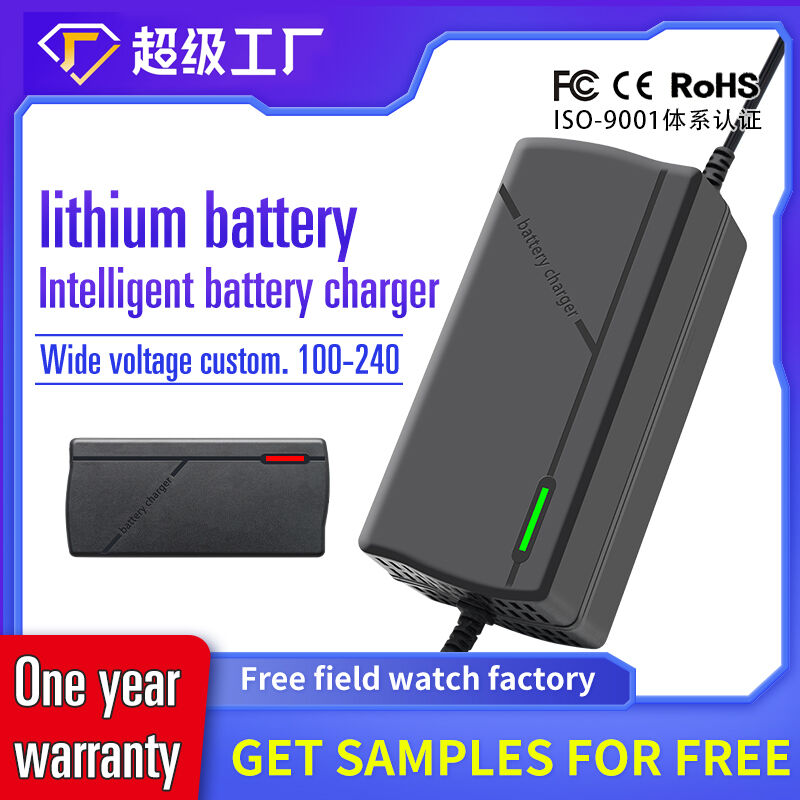
Modern battery technology demands sophisticated charging solutions that can adapt to various battery chemistries and optimize performance. A smart lithium battery charger represents the pinnacle of charging technology, incorporating advanced algorithms and safety features to ensure optimal battery health and longevity. These intelligent devices have revolutionized how we approach battery maintenance across automotive, marine, recreational vehicle, and industrial applications.
The evolution from traditional battery chargers to smart charging systems reflects the growing complexity of modern battery technologies. While conventional chargers provide basic voltage and current regulation, intelligent lithium battery charger units offer comprehensive battery management capabilities that extend far beyond simple charging functions. These advanced systems monitor battery conditions in real-time and adjust charging parameters accordingly.
Understanding the comprehensive functions of a smart lithium battery charger becomes crucial for anyone seeking to maximize battery performance and lifespan. These devices incorporate multiple operational modes, safety protocols, and diagnostic capabilities that work together to deliver superior charging experiences across various applications and environments.
Advanced Charging Algorithm Functions
Multi-Stage Charging Process
Smart lithium battery charger systems employ sophisticated multi-stage charging algorithms that optimize the charging process based on battery chemistry and current state. The initial bulk charging stage delivers maximum safe current to rapidly restore battery capacity while monitoring voltage rise and temperature parameters. This stage typically accounts for approximately 80% of the total charging process.
During the absorption stage, the lithium battery charger maintains constant voltage while gradually reducing current flow as the battery approaches full capacity. This controlled approach prevents overcharging while ensuring complete cell balancing across multi-cell battery packs. The absorption stage duration varies based on battery condition and ambient temperature conditions.
The final float or maintenance stage maintains optimal battery voltage without overcharging, particularly important for lead-acid compatibility modes. Smart lithium battery charger units automatically transition between stages based on real-time battery feedback, ensuring optimal charging regardless of initial battery condition or environmental factors.
Adaptive Charging Optimization
Modern lithium battery charger technology incorporates adaptive algorithms that learn from previous charging cycles and adjust parameters accordingly. These systems analyze charging patterns, battery response characteristics, and environmental conditions to optimize future charging sessions. Machine learning capabilities enable continuous improvement in charging efficiency and battery longevity.
Temperature compensation represents another critical adaptive function, with smart systems automatically adjusting charging voltage and current based on ambient and battery temperatures. Cold weather conditions require higher charging voltages, while elevated temperatures necessitate reduced charging rates to prevent thermal damage and ensure safety.
Voltage compensation algorithms account for cable resistance and connection losses, ensuring accurate voltage delivery to battery terminals regardless of cable length or gauge. This precision becomes particularly important in marine and RV applications where longer cable runs are common.
Comprehensive Safety and Protection Functions
Overcharge and Overvoltage Protection
Safety remains paramount in lithium battery charger design, with multiple protection layers preventing potentially dangerous charging conditions. Overvoltage protection continuously monitors battery terminal voltage and immediately terminates charging if voltage exceeds safe thresholds. This protection operates independently of primary charging algorithms, providing redundant safety measures.
Overcharge protection extends beyond simple voltage monitoring to include capacity-based algorithms that track total energy delivered to the battery. Smart lithium battery charger systems maintain detailed charging logs and prevent excessive energy input that could lead to thermal runaway or battery damage.
Current limiting functions protect both the battery and charger from overcurrent conditions that could result from short circuits or damaged batteries. These protection circuits respond within milliseconds to disconnect charging current and prevent equipment damage or safety hazards.
Thermal Management and Monitoring
Advanced thermal management represents a crucial safety function in modern lithium battery charger designs. Internal temperature sensors continuously monitor charger operating temperatures and reduce output power or shut down operation if thermal limits are approached. This protection ensures reliable operation across wide temperature ranges.
Battery temperature monitoring through external sensors allows the lithium battery charger to adjust charging parameters based on actual battery temperature rather than ambient conditions. This capability proves essential for maintaining battery health in extreme temperature environments or high-current charging applications.
Thermal runaway detection algorithms analyze temperature rise rates and charging current patterns to identify potentially dangerous battery conditions. Early detection enables immediate charging termination before hazardous conditions develop, protecting both equipment and personnel.
Battery Compatibility and Versatility Functions
Multi-Chemistry Support
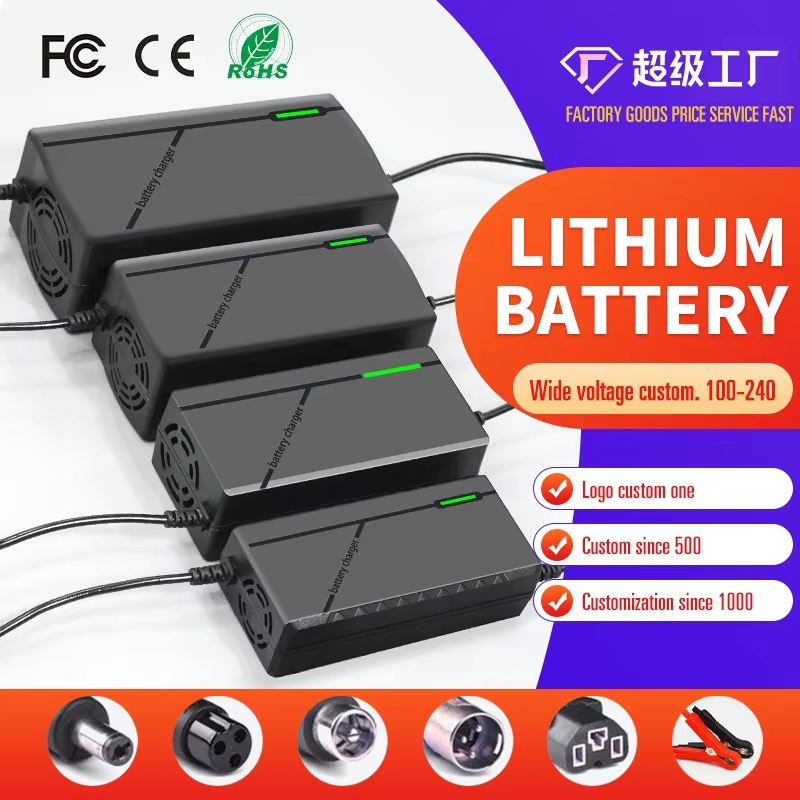
Modern smart lithium battery charger units support multiple battery chemistries through selectable charging profiles optimized for each battery type. Lithium Iron Phosphate (LiFePO4) profiles provide the precise voltage and current characteristics required for optimal lithium battery performance and longevity. Lead-acid compatibility modes ensure versatility across different applications and existing battery installations.
AGM and gel battery support extends the utility of a single lithium battery charger across diverse applications, from automotive starting batteries to deep-cycle marine and RV systems. Each chemistry profile incorporates specific charging algorithms, voltage thresholds, and safety parameters tailored to that particular battery technology.
Automatic battery detection functions analyze battery voltage and response characteristics to identify battery chemistry and condition without manual selection. This automation prevents charging errors and ensures optimal performance regardless of user technical knowledge or experience level.
Capacity and Voltage Range Adaptation
Smart lithium battery charger systems automatically adapt to different battery capacities and voltage configurations through intelligent sensing and algorithm adjustment. Wide capacity ranges from small motorcycle batteries to large RV house battery banks can be accommodated within a single charger design.
Voltage flexibility enables charging of 6V, 12V, and 24V battery systems with automatic detection and appropriate algorithm selection. This versatility eliminates the need for multiple specialized chargers while ensuring optimal performance across different voltage platforms.
Series and parallel battery configuration support allows the lithium battery charger to effectively charge complex battery banks while maintaining individual cell balance and health. Advanced algorithms distribute charging current appropriately across multiple batteries to prevent overcharging or undercharging conditions.
Diagnostic and Maintenance Functions
Battery Health Analysis
Comprehensive diagnostic capabilities distinguish smart lithium battery charger systems from basic charging equipment. Internal resistance measurement provides valuable insights into battery condition and remaining service life. This non-invasive testing occurs during normal charging operations without requiring separate test equipment or procedures.
Capacity testing functions evaluate actual battery storage capacity compared to rated specifications, identifying batteries that may require replacement or reconditioning. These tests help users make informed decisions about battery maintenance and replacement timing.
Voltage retention testing assesses the battery's ability to maintain charge over time, identifying self-discharge issues or internal damage that could affect performance. Regular diagnostic cycling helps maintain optimal battery condition and identifies problems before they result in unexpected failures.
Reconditioning and Desulfation
Advanced lithium battery charger units incorporate reconditioning functions designed to restore degraded battery performance through controlled charging and discharging cycles. Pulse charging techniques help break down sulfation in lead-acid batteries while gentle cycling can help balance lithium cells and restore capacity.
Equalization functions ensure uniform cell voltages across multi-cell battery packs, preventing premature failure due to cell imbalance. This capability proves particularly important in lithium battery applications where cell balance directly affects safety and performance.
Automatic maintenance scheduling enables the lithium battery charger to perform periodic conditioning cycles that help maintain battery health during storage periods. These maintenance functions can significantly extend battery service life and maintain peak performance over extended periods.
User Interface and Control Functions
Display and Status Indication
Modern lithium battery charger interfaces provide comprehensive status information through LCD displays, LED indicators, and digital readouts. Real-time voltage, current, and power measurements allow users to monitor charging progress and verify proper operation. Temperature displays help users understand environmental impacts on charging performance.
Charging stage indicators clearly communicate current operational mode, whether in bulk, absorption, float, or maintenance phases. Error codes and diagnostic messages provide specific information about detected problems or abnormal conditions, enabling appropriate user response or professional service intervention.
Historical data logging capabilities store charging session information, enabling analysis of charging patterns and battery performance trends over time. This data proves valuable for fleet management applications and optimizing battery maintenance schedules.
Remote Monitoring and Control
Advanced lithium battery charger systems offer remote monitoring capabilities through wireless connectivity options including WiFi, Bluetooth, and cellular connections. Mobile applications provide convenient access to charging status, historical data, and control functions from anywhere with network coverage.
Cloud-based data storage enables comprehensive fleet management and analytics for commercial applications. Multiple charger locations can be monitored from a central dashboard, enabling proactive maintenance and optimization across large installations.
Remote control functions allow users to start, stop, or modify charging parameters without physical access to the lithium battery charger unit. This capability proves particularly valuable for marine applications, remote installations, or situations where the charger location is difficult to access.
Energy Efficiency and Power Management Functions
High-Efficiency Power Conversion
Modern lithium battery charger designs incorporate high-efficiency switching power supplies that minimize energy waste and reduce operating costs. Efficiency levels exceeding 90% are common in quality units, significantly reducing heat generation and electrical consumption compared to linear charging systems.
Power factor correction ensures optimal utilization of AC input power while minimizing harmonic distortion that could affect other electrical equipment. This function becomes particularly important in commercial and industrial applications where power quality matters.
Standby power optimization reduces energy consumption during maintenance and monitoring phases when active charging is not required. Smart power management extends beyond charging operations to minimize total system energy consumption over the complete operational cycle.
Input Voltage Tolerance and Stability
Wide input voltage tolerance enables reliable lithium battery charger operation across varying AC supply conditions common in marine, RV, and remote location applications. Automatic voltage regulation maintains consistent charging performance regardless of input voltage fluctuations or generator power quality issues.
Input surge protection shields internal circuitry from voltage spikes and transients that could damage sensitive electronic components. This protection proves essential in marine environments where electrical systems may experience significant voltage variations.
Frequency tolerance accommodates different AC power standards worldwide, enabling global operation without modification or additional equipment. This flexibility supports international applications and reduces inventory requirements for manufacturers and distributors.
FAQ
How does a smart lithium battery charger differ from a standard charger?
A smart lithium battery charger incorporates advanced microprocessor control, multiple safety protections, and adaptive charging algorithms that standard chargers lack. While basic chargers provide simple voltage regulation, smart units monitor battery conditions in real-time, adjust charging parameters automatically, and include comprehensive diagnostic capabilities. Smart chargers also support multiple battery chemistries and provide detailed status information through digital displays and connectivity options.
Can a lithium battery charger safely charge different types of batteries?
Yes, modern smart lithium battery charger units typically support multiple battery chemistries including lithium iron phosphate, lead-acid, AGM, and gel batteries through selectable charging profiles. Each profile incorporates specific voltage thresholds, charging algorithms, and safety parameters optimized for that particular battery technology. Many units include automatic battery detection to identify chemistry and select appropriate charging parameters without manual intervention.
What safety features should I expect in a quality lithium battery charger?
Quality lithium battery charger systems include comprehensive safety features such as overvoltage protection, overcurrent limiting, thermal monitoring, reverse polarity protection, and spark-proof connections. Advanced units also incorporate thermal runaway detection, ground fault protection, and multiple redundant safety circuits. These protection systems operate independently of primary charging functions to ensure safe operation under all conditions.
How do I know if my lithium battery charger is working properly?
Proper lithium battery charger operation can be verified through several indicators including consistent charging current during bulk phase, automatic transition between charging stages, accurate voltage regulation, and normal operating temperatures. Most smart chargers provide detailed status displays showing voltage, current, power, and charging stage information. Regular successful completion of charging cycles and maintenance of expected battery performance indicate proper charger function.