 EN
EN

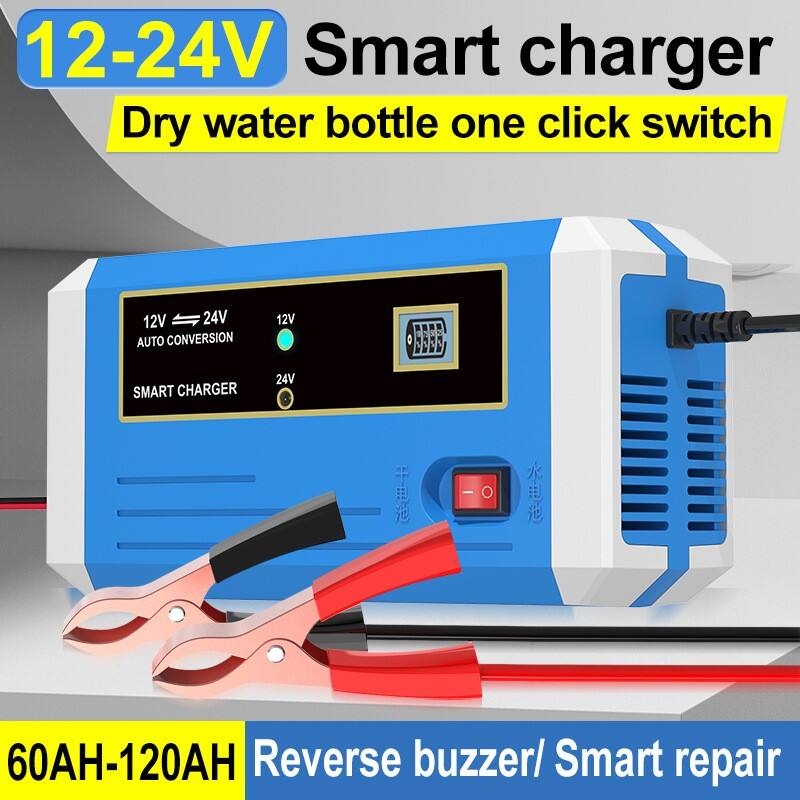
Modern vehicles rely heavily on their electrical systems, making a reliable 12v car charger an essential tool for every driver. Whether you're dealing with a dead battery on a cold morning or maintaining your vehicle's electrical system, understanding the key features that make a quality charger can save you time, money, and frustration. A well-designed 12v car charger serves as more than just an emergency solution—it becomes an integral part of your vehicle maintenance routine.
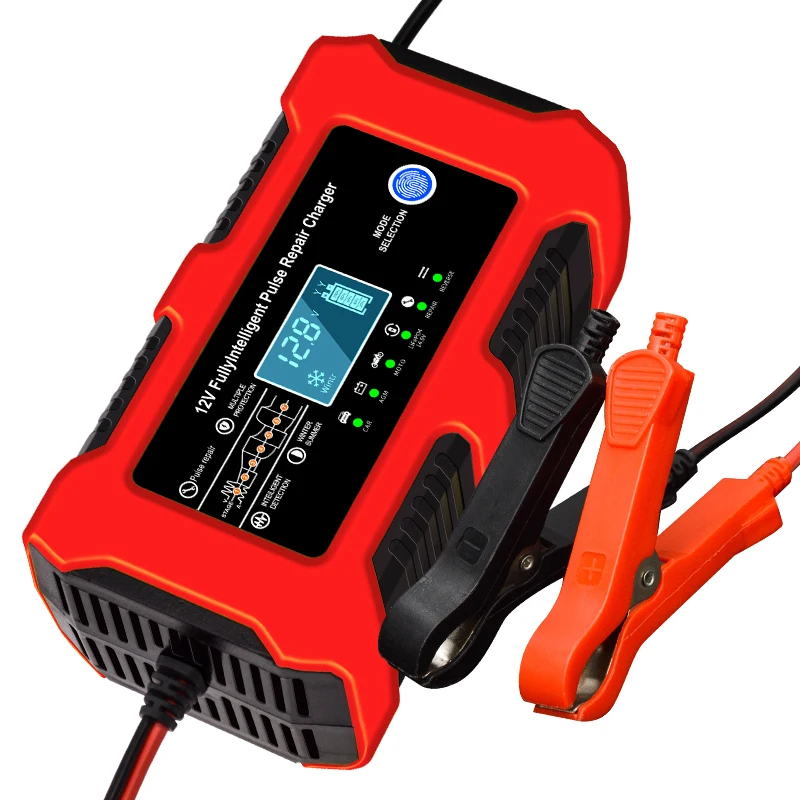
The automotive industry has evolved significantly, and so have the charging technologies that support our vehicles. Today's drivers need chargers that can handle various battery types, provide intelligent monitoring, and deliver consistent performance across different conditions. From weekend mechanics to professional technicians, everyone benefits from understanding what separates a basic charger from a sophisticated charging system.
Selecting the right charger involves considering multiple factors including compatibility, safety features, charging speed, and long-term reliability. This comprehensive guide will explore the essential features that define a superior 12v car charger, helping you make an informed decision for your specific needs and vehicle requirements.
Essential Safety Features for Reliable Operation
Overcharge Protection Systems
Safety should always be the primary consideration when selecting any electrical device, and a 12v car charger is no exception. Overcharge protection represents one of the most critical safety features, preventing damage to your vehicle's battery and electrical system. Advanced chargers incorporate sophisticated monitoring circuits that continuously track voltage levels and automatically adjust charging current to prevent overcharging scenarios.
Modern overcharge protection systems utilize multiple detection methods, including voltage sensing, temperature monitoring, and current flow analysis. These systems work together to ensure that your battery receives the optimal charge without exceeding safe parameters. When the battery reaches full capacity, quality chargers automatically switch to a maintenance mode, providing just enough current to keep the battery topped off without causing damage.
The importance of overcharge protection extends beyond immediate safety concerns. Repeated overcharging can significantly reduce battery lifespan, lead to electrolyte loss, and in extreme cases, cause battery swelling or leakage. A reliable 12v car charger with proper overcharge protection helps preserve your battery investment while ensuring consistent vehicle performance.
Short Circuit and Reverse Polarity Protection
Short circuit protection serves as another fundamental safety feature that distinguishes professional-grade chargers from basic models. This protection mechanism instantly detects abnormal current flow patterns and immediately shuts down the charging process to prevent equipment damage or potential fire hazards. Quality chargers incorporate fast-acting circuit breakers or electronic switches that respond within milliseconds of detecting a fault condition.
Reverse polarity protection addresses one of the most common user errors in battery charging. This feature prevents damage when cables are accidentally connected to the wrong terminals, automatically detecting incorrect connections and refusing to initiate charging until the error is corrected. This protection is particularly valuable for inexperienced users or in low-light conditions where terminal identification might be challenging.
These safety systems work continuously throughout the charging process, providing ongoing protection rather than just initial connection safety. Advanced models may also include visual and audible alerts to notify users of potential issues, creating multiple layers of protection that ensure safe operation under various conditions.
Intelligent Charging Technologies
Microprocessor-Controlled Charging Algorithms
Modern charging technology has moved far beyond simple constant-voltage charging methods. Microprocessor-controlled systems represent a significant advancement in 12v car charger design, offering precise control over charging parameters throughout the entire charging cycle. These intelligent systems analyze battery condition in real-time and adjust charging strategies accordingly.
Smart charging algorithms typically implement multi-stage charging processes that optimize battery health and charging efficiency. The initial bulk charging phase delivers maximum safe current to quickly restore battery capacity. This is followed by an absorption phase that gradually reduces current while maintaining optimal voltage levels. Finally, a float or maintenance phase provides long-term battery conditioning without overcharging risks.
The sophistication of these systems extends to adaptive charging capabilities that learn from each charging cycle. Some advanced chargers can detect battery sulfation, adjust for temperature variations, and even recognize different battery chemistries automatically. This level of intelligence ensures that your 12v car charger provides optimal performance regardless of battery condition or environmental factors.
Automatic Battery Detection and Optimization
Battery detection technology has revolutionized how chargers interact with different battery types and conditions. Advanced 12v car charger models can automatically identify whether they're connected to lead-acid, AGM, gel, or lithium batteries, adjusting their charging profiles accordingly without manual intervention. This automation eliminates guesswork and reduces the risk of using inappropriate charging parameters.
The detection process involves analyzing various electrical characteristics including internal resistance, voltage response patterns, and charge acceptance rates. Based on this analysis, the charger selects the most appropriate charging algorithm and voltage settings. This capability is particularly valuable for users who work with multiple vehicle types or maintain fleets with diverse battery technologies.
Optimization features extend beyond basic battery type recognition to include capacity assessment and health evaluation. Some chargers can estimate remaining battery life, identify cells that may be failing, and recommend maintenance actions. This diagnostic capability transforms a simple charging tool into a comprehensive battery management system.
Versatility and Compatibility Considerations
Multi-Chemistry Battery Support
The automotive landscape includes an increasingly diverse range of battery technologies, making multi-chemistry support a crucial feature in modern charging equipment. A versatile 12v car charger must accommodate traditional flooded lead-acid batteries while also supporting maintenance-free AGM and gel cell variants. Each chemistry requires specific charging parameters to achieve optimal performance and longevity.
Lead-acid batteries, still the most common automotive battery type, require higher charging voltages and can tolerate more aggressive charging strategies. AGM batteries, found in many newer vehicles and high-performance applications, need more precise voltage control and typically benefit from slower, more controlled charging approaches. Gel batteries require the most delicate handling, with lower charging voltages and extended charging times.
The emergence of lithium iron phosphate batteries in automotive applications adds another layer of complexity to charger requirements. These batteries demand completely different charging profiles, with specific voltage cutoffs and temperature considerations. A truly versatile 12v car charger should recognize these differences automatically and adjust its operation accordingly, ensuring safe and effective charging regardless of battery chemistry.
Variable Charging Rates and Capacity Range
Different vehicles and applications require varying charging speeds and capabilities. A compact car with a small battery has vastly different needs compared to a large truck or RV with multiple high-capacity batteries. Effective chargers offer variable charging rates that can be adjusted based on battery size, available time, and specific requirements.
Low-rate charging, typically 2-4 amps, provides gentle, long-term battery maintenance ideal for stored vehicles or delicate batteries. Medium-rate charging, in the 6-10 amp range, offers a good balance between charging speed and battery care for regular maintenance applications. High-rate charging, 15 amps and above, enables rapid recovery of deeply discharged batteries when time is critical.
Capacity range compatibility ensures that your charger can effectively service anything from small motorcycle batteries to large marine or RV batteries. The best 12v car charger models automatically adjust their output based on connected battery capacity, preventing overcharging of small batteries while providing adequate power for larger applications.
Build Quality and Durability Factors
Construction Materials and Environmental Resistance
The operating environment for automotive chargers can be harsh, with exposure to temperature extremes, moisture, vibration, and chemical contaminants. Quality construction materials and robust design principles determine whether a charger will provide years of reliable service or fail prematurely under challenging conditions.
Premium 12v car charger models utilize heavy-duty aluminum or steel cases that provide excellent heat dissipation while protecting internal components from physical damage. The choice of materials extends to internal components, with high-quality capacitors, transformers, and circuit boards designed to withstand automotive environments. Sealed enclosures with proper gaskets prevent moisture intrusion while allowing necessary ventilation.
Temperature resistance represents a critical durability factor, as charging equipment may operate in sub-zero conditions or extreme summer heat. Quality chargers maintain their performance specifications across wide temperature ranges, often from -20°F to 140°F or beyond. This temperature stability ensures consistent charging performance regardless of seasonal conditions or storage environments.
Cable Quality and Connection Reliability
The cables and connections of a charging system often represent the weakest link in terms of long-term reliability. High-quality cables feature heavy-gauge copper conductors with superior insulation materials that resist cracking, oil contamination, and temperature extremes. Proper cable sizing ensures minimal voltage drop and efficient power transfer throughout the charging process.
Connection reliability depends on both the quality of the clamps or connectors and their design for automotive applications. Premium clamps feature strong spring mechanisms, corrosion-resistant plating, and secure grip designs that maintain electrical contact under vibration and temperature cycling. Some advanced models include quick-connect systems that facilitate rapid setup while maintaining secure connections.
Cable management features such as wrap-around storage, integrated hooks, and strain relief connectors contribute to long-term durability by preventing damage during storage and transport. A well-designed 12v car charger includes thoughtful cable management that protects these critical components from premature wear and failure.
User Interface and Monitoring Capabilities
Display Systems and Status Indicators
Modern charging systems provide comprehensive feedback about charging status, battery condition, and system operation through sophisticated display and indicator systems. Clear, informative displays enable users to monitor charging progress and identify potential issues before they become serious problems.
LED indicator systems represent the most common feedback mechanism, with different colors and patterns indicating various operational states. Green typically indicates normal charging operation, yellow may signal maintenance mode or partial charge status, and red alerts users to error conditions or connection problems. Advanced models include multiple LED arrays that provide more detailed status information.
Digital displays offer the most comprehensive feedback, showing actual voltage readings, current flow, charging time, and battery condition assessments. Some premium 12v car charger models include LCD screens that display multiple parameters simultaneously, enabling users to monitor charging progress precisely and make informed decisions about charging duration and battery health.
Error Detection and User Alerts
Comprehensive error detection systems protect both the charger and the battery while providing valuable feedback to users. These systems monitor multiple parameters continuously and alert users to conditions that might compromise charging effectiveness or safety.
Common error conditions include reverse polarity connections, short circuits, over-temperature situations, and battery faults. Advanced chargers can detect more subtle issues such as sulfated batteries, internal shorts, or cells with reduced capacity. Early detection of these problems allows for corrective action before permanent damage occurs.
User alert systems range from simple audible beepers to sophisticated visual displays that provide specific error codes and recommended actions. The most user-friendly systems include clear explanations of detected problems and step-by-step guidance for resolution, making the charger accessible to users with varying technical experience levels.
Performance Optimization Features
Pulse Repair Technology
Battery sulfation represents one of the most common causes of reduced battery performance and premature failure. Pulse repair technology addresses this issue by applying controlled high-frequency pulses that help break down sulfate crystals that form on battery plates over time. This advanced feature can often restore capacity to batteries that might otherwise be considered unusable.
The pulse repair process works by creating resonant frequencies that vibrate sulfate deposits, gradually breaking them down and allowing the lead plates to return to their original condition. This process requires precise timing and frequency control, which is why pulse repair is typically found only in higher-end 12v car charger models with sophisticated microprocessor control systems.
While pulse repair cannot restore severely damaged batteries, it can significantly extend the life of batteries showing early signs of sulfation. Regular use of pulse repair technology during charging and maintenance cycles helps prevent sulfate buildup and maintains optimal battery performance throughout the battery's service life.
Temperature Compensation and Monitoring
Battery performance and charging requirements vary significantly with temperature, making temperature compensation a valuable feature in professional-grade charging equipment. Cold temperatures reduce battery capacity and slow chemical reactions, while high temperatures increase the risk of overcharging and electrolyte loss.
Temperature compensation systems adjust charging parameters automatically based on ambient or battery temperature readings. In cold conditions, the system may increase charging voltage slightly to overcome reduced chemical activity. In hot conditions, the system reduces charging voltage to prevent overcharging and electrolyte loss. This automatic adjustment ensures optimal charging effectiveness across all operating conditions.
Advanced temperature monitoring systems may include multiple sensors that track both ambient temperature and battery case temperature. This comprehensive monitoring enables more precise control and can detect potential thermal runaway conditions before they become dangerous. Some premium chargers even include temperature-based charging rate adjustments that slow charging in extreme conditions to protect battery life.
FAQ
What amperage rating should I look for in a 12v car charger
The appropriate amperage rating depends on your battery size and charging time requirements. For most passenger car batteries, a 6-10 amp charger provides an excellent balance between charging speed and battery care. Smaller batteries may benefit from 2-4 amp charging rates, while larger truck or marine batteries may require 15-20 amp capability. Consider that higher amperage enables faster charging but may stress older batteries, so adjustable rates offer the most flexibility for different applications and battery conditions.
How do I know if my 12v car charger is compatible with AGM batteries
AGM battery compatibility requires specific charging profiles with precise voltage control and typically lower charging rates than conventional lead-acid batteries. Look for chargers that specifically mention AGM compatibility or offer selectable charging modes. AGM batteries typically require charging voltages around 14.4-14.7 volts compared to 14.8-15.0 volts for conventional batteries. Many modern smart chargers automatically detect battery type and adjust parameters accordingly, eliminating guesswork and ensuring optimal charging for your specific battery chemistry.
Can a 12v car charger damage my vehicle's electrical system
A quality 12v car charger with proper safety features should not damage your vehicle's electrical system when used correctly. However, inferior chargers without adequate protection may cause problems. Look for chargers with over-voltage protection, reverse polarity protection, and spark-proof connections. Always disconnect the vehicle's electrical system or remove the battery before charging when possible. Follow manufacturer instructions regarding charging procedures and never exceed recommended charging rates for your specific battery type and capacity.
What maintenance features should I prioritize in a car battery charger
Priority maintenance features include automatic float mode for long-term battery maintenance, pulse repair technology for sulfation prevention, and multi-stage charging algorithms that optimize battery health. Temperature compensation helps maintain proper charging in varying conditions, while battery condition analysis can alert you to developing problems before they cause failures. Look for chargers that can remain connected indefinitely without overcharging, as this capability enables effective seasonal storage maintenance and fleet management applications.