 EN
EN

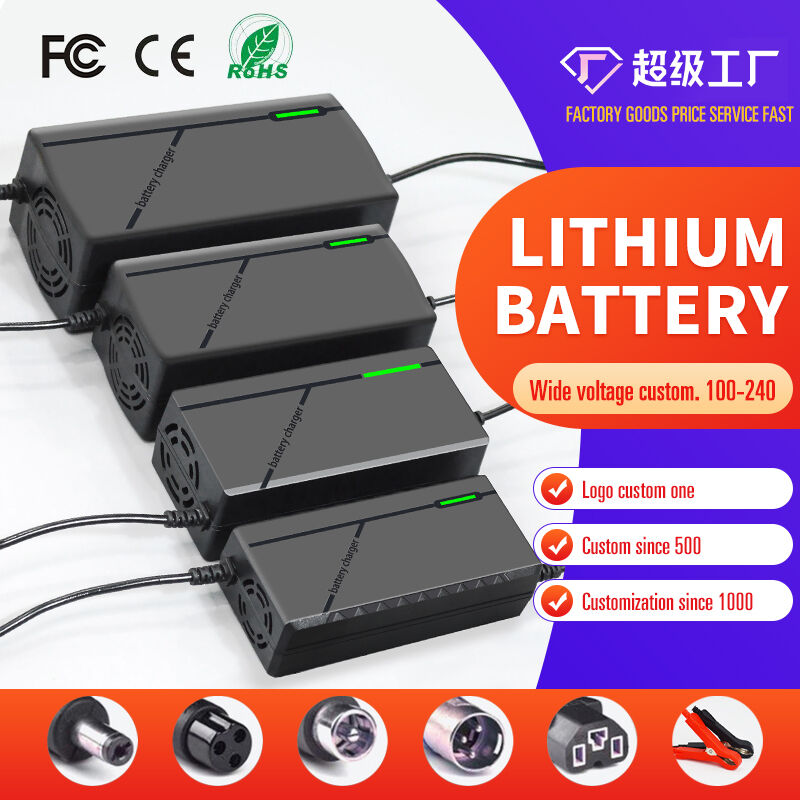
Understanding when to replace your lithium battery charger is crucial for maintaining optimal battery performance and ensuring safe charging operations. A failing lithium battery charger can lead to reduced battery life, safety hazards, and costly equipment damage. Recognizing the warning signs early can save you time, money, and prevent potential accidents in your electric vehicle or energy storage system.
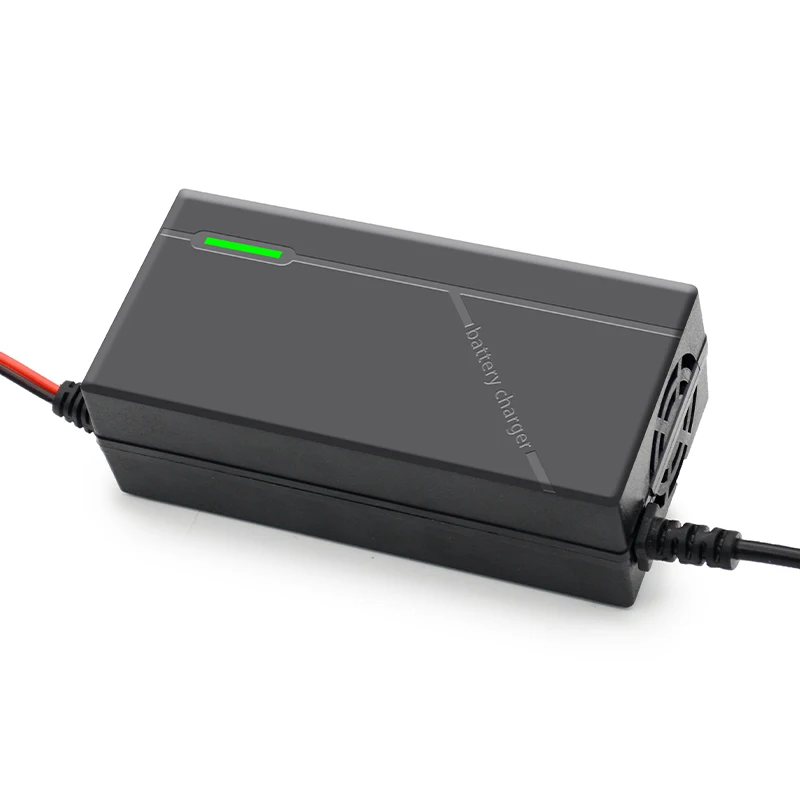
Key Warning Signs Your Lithium Battery Charger Needs Replacement
Physical Damage and Wear Indicators
Visual inspection of your lithium battery charger reveals critical information about its condition. Look for cracked housing, damaged cables, or corroded connections that compromise safety and performance. Heat discoloration around charging ports or ventilation areas indicates overheating issues that require immediate attention. Loose or bent charging connectors prevent proper electrical contact, leading to inefficient charging cycles and potential sparking hazards.
Cable integrity plays a vital role in charger performance and safety. Frayed wires, exposed conductors, or damaged insulation create serious safety risks including electrical shock and fire hazards. Internal components may also show signs of wear through unusual noises, vibrations, or burning odors during operation. These physical indicators often precede complete charger failure, making early detection essential for preventing equipment damage.
Performance Degradation Symptoms
Charging time irregularities represent one of the most common signs of lithium battery charger deterioration. Extended charging periods beyond manufacturer specifications indicate reduced charging efficiency or failing power conversion circuits. Conversely, unusually rapid charging completion may signal inadequate power delivery or faulty charging algorithms that fail to properly condition the battery cells.
Temperature abnormalities during charging operations reveal internal component stress and potential failure modes. Excessive heat generation beyond normal operating parameters suggests inefficient power conversion or failing cooling systems. Cold charging behavior, where the charger fails to warm up appropriately, may indicate power supply issues or damaged heating elements in temperature-compensated charging systems.
Safety Considerations and Risk Assessment
Electrical Safety Hazards
Faulty lithium battery charger units pose significant electrical safety risks that extend beyond simple equipment failure. Ground fault conditions, short circuits, and insulation breakdown create dangerous situations requiring immediate replacement. Arc faults within charging circuits generate intense heat and electromagnetic interference that can damage connected equipment and create fire hazards.
Voltage regulation failures in aging chargers create unstable charging conditions that stress battery cells and reduce overall system reliability. Overcurrent protection degradation allows excessive current flow during charging, potentially causing thermal runaway in lithium battery packs. These safety-critical failures mandate immediate charger replacement to prevent catastrophic battery damage or personal injury.
Fire and Thermal Risks
Thermal management failures in lithium battery charger systems create serious fire hazards requiring careful monitoring and timely replacement. Overheating components, particularly power transistors and transformers, generate excessive heat that can ignite surrounding materials. Cooling fan failures or blocked ventilation passages compound thermal stress and accelerate component degradation.
Battery chemistry compatibility issues with aging chargers create additional thermal risks during charging operations. Incorrect charging profiles or voltage setpoints cause lithium cells to overheat, potentially leading to thermal runaway conditions. Modern lithium battery charger units incorporate advanced thermal protection systems that older units may lack, making replacement essential for continued safe operation.
Performance Metrics and Testing Procedures
Charging Efficiency Analysis
Measuring charging efficiency provides quantitative data for evaluating lithium battery charger performance and determining replacement timing. Power factor measurements reveal reactive power losses within the charging system, indicating inefficient power conversion and increased operating costs. Input versus output power analysis identifies energy losses that increase over time as charger components degrade.
Charging curve analysis compares actual versus specified charging profiles to identify deviations from optimal performance parameters. Constant current and constant voltage phases should maintain stable output characteristics throughout the charging cycle. Significant variations or irregular charging patterns indicate internal component failures requiring charger replacement to maintain battery health and longevity.
Diagnostic Testing Methods
Comprehensive diagnostic testing involves measuring key electrical parameters during normal charging operations to assess lithium battery charger condition. Output voltage stability testing under varying load conditions reveals power supply regulation capabilities and internal component stress. Ripple voltage measurements identify filtering circuit degradation that can damage sensitive battery management systems.
Temperature monitoring during extended charging cycles provides insight into thermal management effectiveness and component stress levels. Insulation resistance testing using megohm meters identifies deteriorating electrical insulation that creates safety hazards. Ground continuity verification ensures proper electrical safety grounding throughout the charging system, preventing electrical shock hazards.
Economic Factors in Replacement Decisions
Cost-Benefit Analysis
Evaluating the economic impact of lithium battery charger replacement involves analyzing repair costs versus replacement costs over the expected remaining service life. Aging chargers often require frequent repairs with increasingly expensive replacement parts that may become obsolete or difficult to source. Labor costs for repeated maintenance interventions quickly exceed new charger purchase prices, making replacement more economical.
Energy efficiency improvements in modern lithium battery charger designs provide ongoing operational savings that offset initial replacement costs. Newer charging technologies offer improved power factor correction, reduced standby power consumption, and higher conversion efficiency ratings. These efficiency gains translate to lower electricity costs over the charger's operational lifetime, particularly in high-utilization applications.
Total Cost of Ownership
Long-term cost analysis includes direct and indirect costs associated with continued operation of aging lithium battery charger equipment. Increased maintenance requirements, reduced charging efficiency, and potential battery damage from suboptimal charging profiles create hidden costs that accumulate over time. Downtime costs from unexpected charger failures can far exceed replacement costs in critical applications.
Modern lithium battery charger units offer enhanced features including remote monitoring, diagnostic capabilities, and predictive maintenance alerts that reduce operational costs. Advanced charging algorithms optimize battery life and performance, providing additional value beyond basic charging functionality. These technological improvements justify replacement even when older chargers remain marginally functional.
Technological Advancements and Upgrade Benefits
Smart Charging Features
Contemporary lithium battery charger technology incorporates intelligent charging algorithms that adapt to specific battery chemistry requirements and environmental conditions. Temperature compensation features automatically adjust charging parameters to optimize performance across varying ambient conditions. Communication protocols enable integration with battery management systems for coordinated charging strategies that maximize battery life.
Remote monitoring capabilities allow real-time assessment of charging status and performance metrics through wireless connectivity options. Fault detection and diagnostic systems provide early warning of potential issues before they cause equipment damage or safety hazards. These advanced features significantly improve operational reliability and reduce maintenance requirements compared to basic lithium battery charger designs.
Efficiency and Environmental Benefits
Energy efficiency improvements in modern lithium battery charger designs contribute to reduced environmental impact and lower operating costs. Advanced switching topologies and high-frequency transformers minimize energy losses during power conversion processes. Power factor correction circuits reduce reactive power demand and improve electrical system efficiency in commercial and industrial applications.
Standby power reduction features automatically reduce power consumption when charging is complete, eliminating unnecessary energy waste. Recyclable materials and environmentally conscious manufacturing processes align with sustainability initiatives while providing superior performance. These environmental benefits support corporate responsibility goals while delivering measurable economic advantages through reduced energy consumption.
FAQ
How long should a lithium battery charger typically last?
A quality lithium battery charger should provide reliable service for 5-10 years under normal operating conditions. Factors affecting lifespan include usage frequency, environmental conditions, and maintenance practices. Commercial and industrial applications with continuous operation may require replacement sooner due to increased component stress and wear.
Can I continue using a lithium battery charger that shows minor performance issues?
Minor performance degradation often progresses to complete failure, potentially damaging expensive battery packs. Safety risks increase significantly with continued operation of compromised charging equipment. Early replacement prevents costly battery damage and ensures optimal charging performance for maximum battery life.
What are the most critical safety indicators requiring immediate charger replacement?
Excessive heat generation, electrical arcing, burning odors, or physical damage require immediate lithium battery charger replacement. Ground fault conditions, insulation breakdown, or voltage regulation failures create serious safety hazards. Any indication of electrical malfunction warrants immediate discontinuation of use and professional evaluation.
How do I properly dispose of an old lithium battery charger?
Electronic waste recycling programs accept lithium battery charger units for proper disposal and component recovery. Many manufacturers offer take-back programs for end-of-life equipment. Local hazardous waste facilities can provide guidance on appropriate disposal methods to prevent environmental contamination from electronic components.