 EN
EN

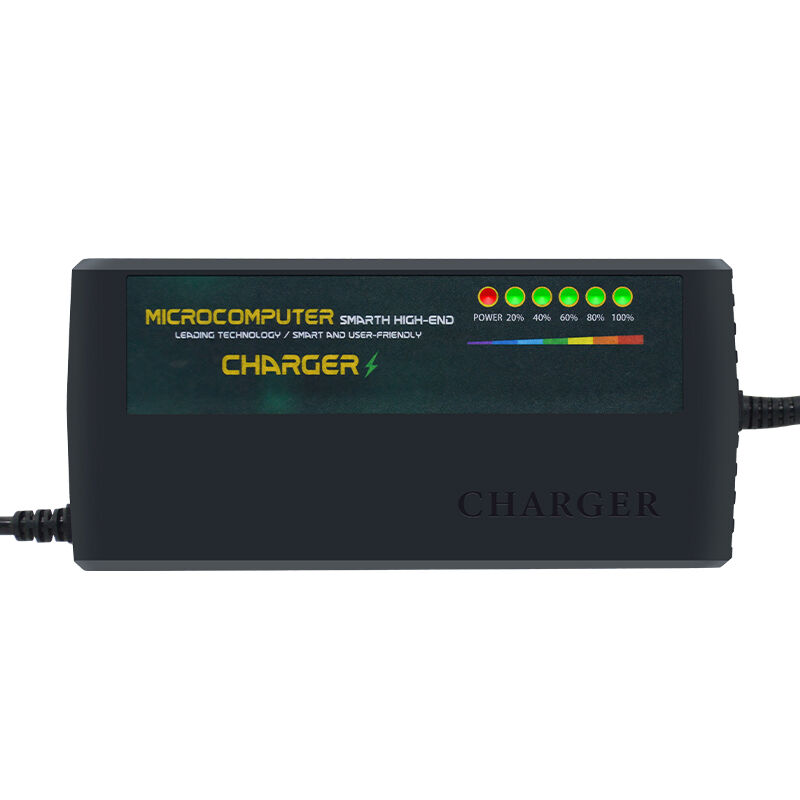
Understanding how a lead acid battery charger operates is essential for anyone working with automotive, industrial, or backup power systems. These sophisticated devices play a crucial role in maintaining battery health and ensuring optimal performance across countless applications. A lead acid battery charger works through controlled electrical processes that restore energy to depleted battery cells while protecting against overcharging and damage.
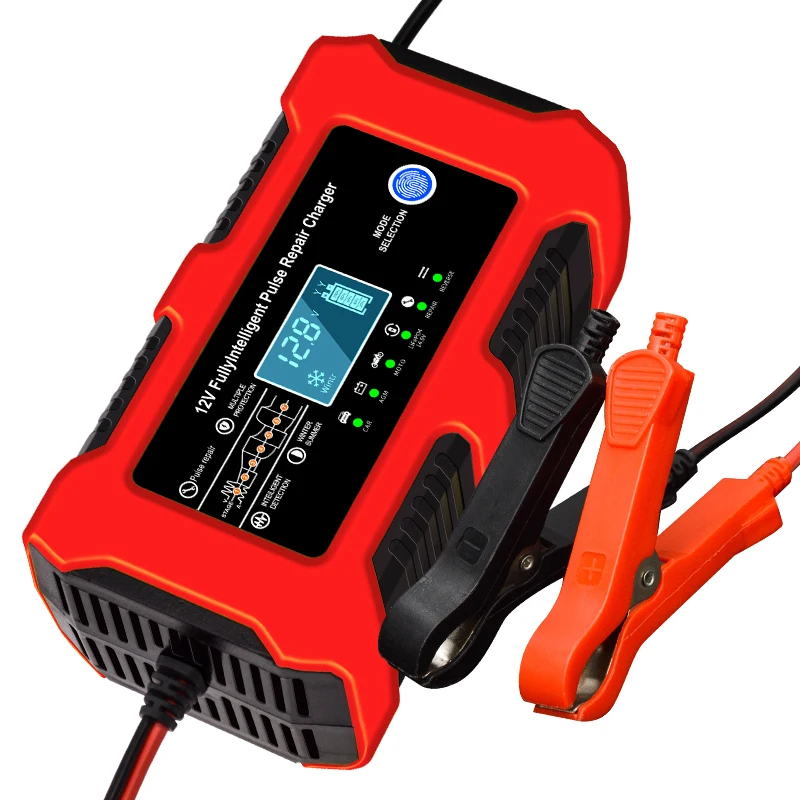
Modern lead acid battery chargers incorporate advanced technologies to deliver precise charging cycles that extend battery life and improve reliability. The charging process involves multiple stages designed to safely restore full capacity while monitoring voltage, current, and temperature parameters. Professional technicians and facility managers rely on these devices to maintain critical power systems in hospitals, data centers, manufacturing facilities, and emergency backup installations.
The importance of proper charging extends beyond simple energy restoration. Incorrect charging practices can lead to premature battery failure, reduced capacity, and potential safety hazards including thermal runaway or acid leakage. Understanding the fundamental principles behind lead acid battery charger operation enables better equipment selection, maintenance planning, and troubleshooting capabilities for industrial applications.
Fundamental Charging Principles
Electrochemical Process Overview
The charging process in lead acid batteries involves reversing the discharge reaction through controlled electrical input. During discharge, lead dioxide at the positive plate and sponge lead at the negative plate react with sulfuric acid electrolyte to produce lead sulfate and water. A lead acid battery charger reverses this chemical reaction by applying external voltage that converts lead sulfate back into active materials and restores electrolyte concentration.
This electrochemical reversal requires precise voltage and current control to ensure complete conversion without damaging the battery plates or electrolyte. The charger must provide sufficient energy to overcome internal resistance while maintaining safe operating temperatures. Professional charging systems monitor these parameters continuously to optimize the restoration process and prevent overcharging conditions that could cause permanent damage.
Voltage and Current Relationship
The relationship between voltage and current during charging follows specific patterns that determine charging efficiency and battery health. Initially, a lead acid battery charger applies higher current when battery voltage is low, gradually reducing current as voltage approaches full charge levels. This relationship is governed by Ohm's law and the battery's internal resistance characteristics.
Modern chargers use sophisticated algorithms to manage this voltage-current relationship throughout the charging cycle. Smart charging systems adjust output parameters based on battery condition, ambient temperature, and charging history to optimize performance. Understanding these relationships helps technicians select appropriate charger specifications for specific battery types and applications.
Multi-Stage Charging Process
Bulk Charging Phase
The bulk charging phase represents the initial stage where maximum current flows into the battery to rapidly restore capacity. During this phase, a lead acid battery charger operates in constant current mode, typically delivering 10-25% of the battery's amp-hour capacity. The charger maintains steady current flow while battery voltage gradually rises from its discharged state toward the absorption voltage threshold.
This phase continues until the battery reaches approximately 80-85% of full charge, at which point the charging algorithm transitions to the next stage. Proper bulk charging ensures rapid energy restoration while preventing excessive heating that could damage battery plates or evaporate electrolyte. Professional charging systems monitor temperature and voltage rise rates to optimize bulk charging duration and current levels.
Absorption Charging Stage
The absorption stage begins when battery voltage reaches the preset absorption voltage, typically 14.4-14.8 volts for 12V systems. During this phase, the lead acid battery charger switches to constant voltage mode while current gradually decreases as the battery approaches full charge. This controlled voltage application ensures complete charging of all cells while preventing overcharging damage.
Absorption time varies based on battery condition, temperature, and depth of previous discharge. Modern chargers use current monitoring to determine when absorption is complete, typically when charging current drops to 2-5% of the battery's capacity rating. This precision ensures optimal charging without excessive gassing or electrolyte loss that could reduce battery life.
Float Maintenance Mode
Float charging provides long-term maintenance voltage to compensate for self-discharge while preventing overcharging. A quality lead acid battery charger maintains float voltage between 13.2-13.8 volts for 12V systems, providing just enough energy to counteract natural discharge without causing overcharging. This maintenance mode can continue indefinitely without damaging the battery.
Float charging is essential for standby applications where batteries must remain at full charge for extended periods. The precise voltage control prevents sulfation while maintaining electrolyte specific gravity at optimal levels. Advanced chargers monitor battery condition during float mode and can automatically initiate equalization or refresh cycles when needed to maintain peak performance.
Advanced Charging Technologies
Pulse Charging Techniques
Pulse charging technology represents a significant advancement in lead acid battery charger design, using controlled current pulses to improve charging efficiency and battery life. This method applies charging current in short bursts followed by brief rest periods, allowing the battery's electrochemical processes to stabilize between pulses. Pulse charging can help break down sulfate crystals that form during discharge and aging.
The pulse technique also reduces heating during charging, which extends battery life and improves safety margins. Modern pulse chargers adjust pulse width, frequency, and amplitude based on battery condition and charging stage requirements. This sophisticated control enables faster charging times while maintaining gentler treatment of battery plates and electrolyte.
Temperature Compensation
Temperature compensation ensures optimal charging performance across varying environmental conditions by adjusting voltage levels based on battery temperature. Lead acid batteries require higher charging voltages at low temperatures and lower voltages at high temperatures to maintain proper charging efficiency. A professional lead acid battery charger incorporates temperature sensors to automatically adjust charging parameters.
Typical temperature compensation rates range from -3mV to -5mV per cell per degree Celsius for most lead acid battery types. This adjustment prevents undercharging in cold conditions and overcharging in hot environments, both of which can significantly reduce battery life. Advanced systems may also adjust charging current and timing based on temperature readings to optimize the entire charging process.
Monitoring and Safety Features
Voltage and Current Monitoring
Comprehensive monitoring capabilities enable a lead acid battery charger to track critical parameters throughout the charging process and make real-time adjustments to optimize performance. Voltage monitoring ensures charging levels remain within safe ranges while current monitoring provides feedback on charging progress and battery condition. These measurements help prevent overcharging and detect potential battery problems early.
Modern chargers display real-time voltage and current readings, charging time, and estimated completion time. Data logging capabilities allow technicians to analyze charging patterns and identify trends that might indicate developing battery issues. This monitoring information is crucial for maintaining reliable backup power systems and extending battery service life in critical applications.
Protection Mechanisms
Safety protection features built into modern lead acid battery chargers prevent damage from various fault conditions including reverse polarity, short circuits, and overheating. Reverse polarity protection prevents damage when battery connections are accidentally reversed, while short circuit protection limits current flow during fault conditions. Thermal protection monitors charger and battery temperatures to prevent dangerous overheating.
Additional protection features may include overvoltage protection, spark suppression, and ground fault detection. These safety mechanisms ensure reliable operation in industrial environments where equipment must operate continuously without supervision. Professional-grade chargers also include status indicators and alarm outputs to alert maintenance personnel of fault conditions or completed charging cycles.
Applications and Selection Criteria
Industrial Applications
Industrial applications for lead acid battery chargers span numerous sectors including telecommunications, uninterruptible power supplies, material handling equipment, and emergency lighting systems. Each application presents unique requirements for charging speed, environmental conditions, and reliability standards. A properly selected lead acid battery charger ensures optimal battery performance while minimizing maintenance requirements and operating costs.
Manufacturing facilities rely on battery-powered equipment for forklifts, automated guided vehicles, and portable tools that require consistent charging performance. Data centers and telecommunications facilities use sophisticated charging systems to maintain backup battery banks that provide critical power during outages. Understanding application requirements helps determine appropriate charger specifications and features needed for reliable operation.
Selection and Sizing Guidelines
Proper selection of a lead acid battery charger requires careful consideration of battery capacity, charging time requirements, and environmental conditions. Charger output current should typically range from 10-25% of battery capacity for normal charging applications, with higher rates available for rapid charging when needed. Voltage compatibility must match battery system voltage, with appropriate adjustment ranges for different battery types.
Environmental factors including temperature range, humidity, and installation location influence charger selection and may require special enclosures or cooling systems. Charging time requirements determine minimum current capacity needed, while battery type specifications guide voltage settings and charging algorithms. Professional applications often require chargers with communication interfaces for remote monitoring and control integration with facility management systems.
Maintenance and Troubleshooting
Preventive Maintenance Practices
Regular maintenance ensures reliable operation and extends service life of both the lead acid battery charger and connected batteries. Routine inspections should include checking connections for corrosion or looseness, verifying proper ventilation around the charger, and monitoring charging parameters for consistent performance. Cleaning dust and debris from charger enclosures prevents overheating and component failures.
Calibration verification ensures accurate voltage and current outputs, which directly impact charging quality and battery life. Most professional chargers include self-diagnostic capabilities that monitor internal functions and alert users to potential problems before failures occur. Maintaining detailed service records helps identify patterns and schedule preventive maintenance activities to maximize equipment reliability.
Common Issues and Solutions
Common problems with lead acid battery chargers include reduced output capacity, inconsistent charging cycles, and premature charging termination. These issues often result from aging components, poor connections, or inappropriate settings for specific battery types. Systematic troubleshooting procedures help identify root causes and guide appropriate corrective actions.
Diagnostic tools and multimeters enable technicians to verify charger output parameters and compare them against specifications. Temperature measurements help identify overheating problems that could indicate blocked ventilation or failing components. Understanding normal operating parameters for each lead acid battery charger model facilitates quick identification of performance deviations that require attention.
FAQ
How long does it take for a lead acid battery charger to fully charge a battery
Charging time depends on battery capacity, charger current rating, and depth of discharge. Typically, a lead acid battery charger rated at 10% of battery capacity will require 10-12 hours for a complete charge from 50% state of charge. Larger chargers can reduce this time proportionally, but charging too rapidly may reduce battery life. Smart chargers automatically adjust timing based on battery condition and temperature.
What voltage should a lead acid battery charger output during different charging stages
For 12V lead acid batteries, bulk charging typically uses 14.4-14.6 volts, absorption stage maintains 14.7-14.8 volts, and float maintenance operates at 13.2-13.8 volts. These voltages may vary slightly based on battery manufacturer specifications and ambient temperature. Temperature compensation adjusts these values by approximately -3mV per cell per degree Celsius to maintain optimal charging performance across temperature ranges.
Can a lead acid battery charger work with different battery types and sizes
Many modern lead acid battery chargers offer adjustable settings or multiple charging profiles to accommodate different battery types including flooded, AGM, and gel batteries. However, the charger must be properly sized for the battery capacity and voltage. Universal chargers typically include selection switches or automatic detection features to optimize charging parameters for specific battery chemistries and ensure safe, effective charging.
What safety precautions should be followed when using a lead acid battery charger
Essential safety precautions include ensuring proper ventilation to prevent hydrogen gas accumulation, wearing protective equipment when handling batteries, and verifying correct polarity connections before starting charging. The charging area should be well-ventilated and free from ignition sources. Always disconnect AC power before making battery connections, and never charge damaged or frozen batteries as this can create safety hazards.
Table of Contents
- Fundamental Charging Principles
- Multi-Stage Charging Process
- Advanced Charging Technologies
- Monitoring and Safety Features
- Applications and Selection Criteria
- Maintenance and Troubleshooting
-
FAQ
- How long does it take for a lead acid battery charger to fully charge a battery
- What voltage should a lead acid battery charger output during different charging stages
- Can a lead acid battery charger work with different battery types and sizes
- What safety precautions should be followed when using a lead acid battery charger