 EN
EN

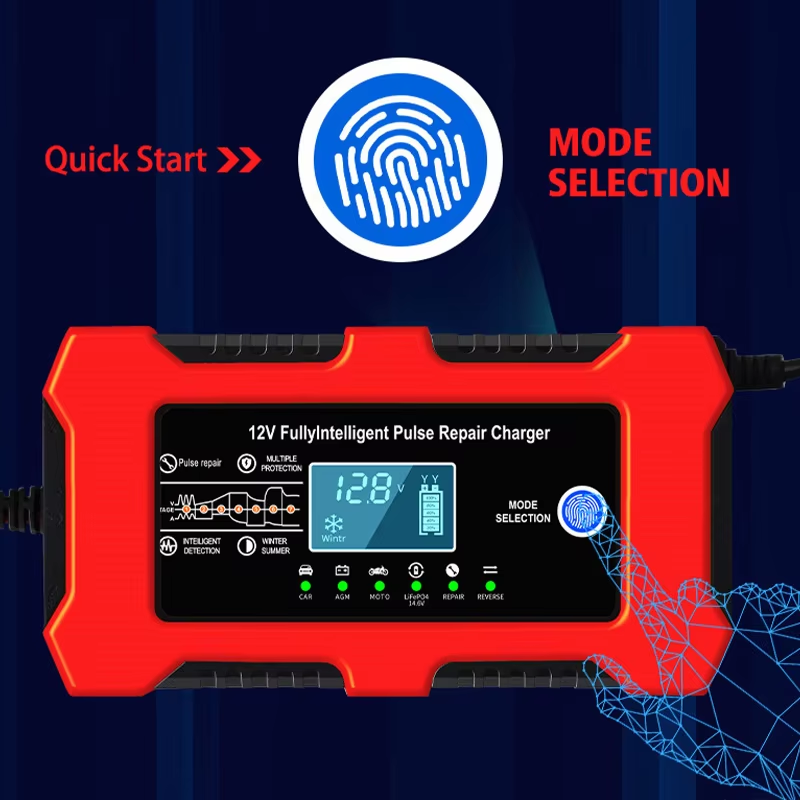
Understanding when to replace your lead acid battery charger is crucial for maintaining optimal battery performance and preventing costly equipment failures. A properly functioning lead acid battery charger ensures your batteries receive the correct voltage and current, extending their lifespan and maintaining their capacity. However, like all electronic devices, battery chargers have a finite operational life and will eventually require replacement to continue delivering reliable performance.
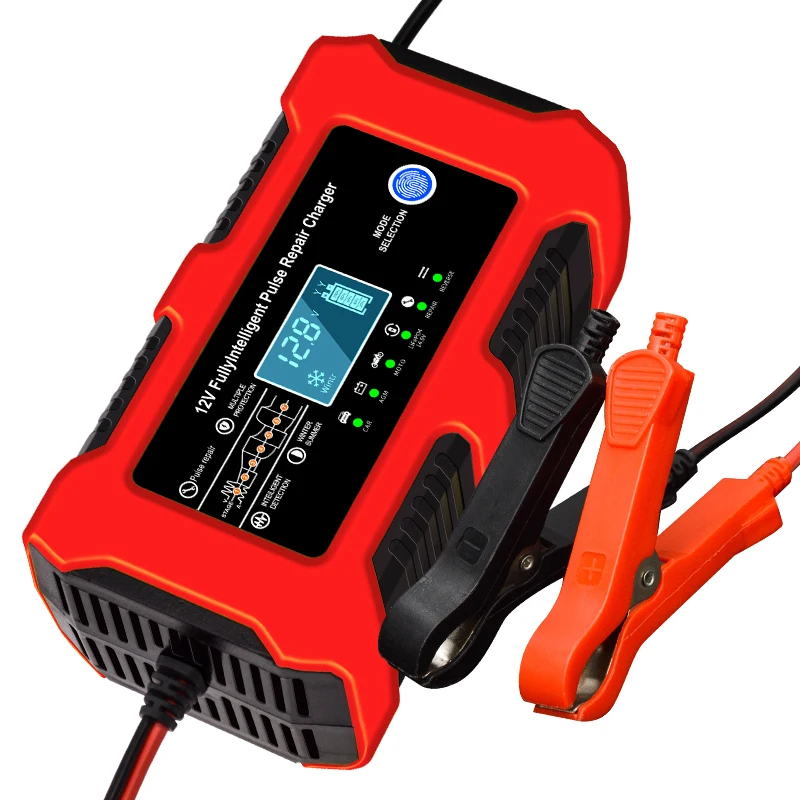
Several key indicators can help you determine whether your current lead acid battery charger needs immediate replacement or if it can continue operating safely for an extended period. These warning signs often manifest gradually, making regular monitoring essential for preventing unexpected failures that could leave your equipment inoperable. Professional technicians recommend establishing a routine inspection schedule to identify potential issues before they compromise your battery charging system.
The financial implications of delaying lead acid battery charger replacement can be significant, particularly in commercial and industrial applications where downtime translates directly to lost revenue. Modern charging technologies offer improved efficiency, faster charging times, and enhanced safety features that make upgrading from older models a worthwhile investment. Additionally, newer lead acid battery charger designs incorporate advanced monitoring capabilities that provide real-time feedback about charging status and battery condition.
Physical Signs of Charger Deterioration
Visual Inspection Indicators
The exterior condition of your lead acid battery charger often provides the first clues about its internal health and remaining operational life. Visible damage such as cracked housing, corroded connections, or discolored components typically indicates that the charger has experienced thermal stress or moisture infiltration. These physical deterioration signs suggest that critical internal components may have been compromised, potentially affecting the charger's ability to regulate voltage and current properly.
Corrosion around terminal connections represents a particularly serious concern for lead acid battery charger performance, as it increases electrical resistance and can create dangerous heat buildup during operation. White or green powdery deposits on metal components indicate chemical reactions that compromise electrical conductivity and may lead to complete connection failure. Professional maintenance protocols require immediate attention to any visible corrosion, as it typically spreads rapidly in humid environments.
Burn marks, melted plastic, or unusual discoloration on the charger housing suggest overheating incidents that may have damaged sensitive electronic components within the unit. These thermal damage indicators often result from prolonged operation under excessive load conditions or inadequate ventilation around the charging equipment. A lead acid battery charger showing these symptoms should be immediately removed from service and professionally evaluated before any further use.
Cable and Connection Assessment
The condition of charging cables and connectors directly impacts the safety and effectiveness of your lead acid battery charger system. Frayed insulation, exposed conductors, or damaged connector housings create potential shock hazards and can prevent proper electrical contact with battery terminals. Regular cable inspection should include checking for cuts, kinks, or areas where the insulation appears brittle or cracked.
Loose connections between the charger output and battery terminals can cause arcing, which generates excessive heat and may damage both the charger and the battery being charged. This arcing often leaves distinctive burn marks on connector surfaces and may cause pitting or erosion of metal contact points. A properly functioning lead acid battery charger requires secure, clean connections to deliver consistent charging performance.
Temperature variations along cable lengths during charging operations can indicate internal resistance problems that reduce charging efficiency and may pose safety risks. Professional technicians use thermal imaging equipment to identify hot spots in charging cables that suggest impending failure. These temperature anomalies often develop gradually but can lead to sudden cable failure if not addressed promptly.
Performance and Efficiency Degradation
Charging Time Analysis
Monitoring charging times provides valuable insight into the declining performance of your lead acid battery charger and can help predict when replacement becomes necessary. A properly functioning charger should consistently achieve full battery charge within manufacturer-specified time parameters, regardless of ambient temperature fluctuations or minor load variations. Significantly extended charging times often indicate internal component degradation that reduces the charger's current output capability.
Comparing current charging performance against historical data reveals trends that suggest gradual deterioration of charger components. Many industrial applications maintain detailed charging logs that document the time required to reach specific voltage thresholds during the charging cycle. This data becomes invaluable for predicting when a lead acid battery charger will require replacement and allows for proactive maintenance scheduling.
Temperature compensation failures in aging chargers can result in inconsistent charging times that vary dramatically with seasonal temperature changes. Modern lead acid battery charger designs incorporate sophisticated temperature monitoring systems that adjust charging parameters automatically to maintain optimal performance across wide temperature ranges. Older chargers lacking these features may struggle to provide consistent charging performance as their components age.
Voltage Regulation Problems
Accurate voltage regulation represents one of the most critical functions of any lead acid battery charger, as improper voltage levels can permanently damage expensive battery banks or create dangerous overcharging conditions. Aging chargers often develop voltage regulation problems that manifest as inconsistent output voltages or inability to maintain proper float voltage during maintenance charging cycles. These regulation issues typically worsen over time as internal components continue to degrade.
Professional testing equipment can reveal voltage regulation problems that may not be immediately apparent during normal charging operations. Oscilloscope measurements of charger output often show increased ripple voltage or voltage spikes that indicate failing filter capacitors or other power supply components. A quality lead acid battery charger should maintain clean, stable output voltage throughout all phases of the charging cycle.
Thermal drift in voltage regulation circuits can cause charging voltages to vary significantly as the charger heats up during extended operation periods. This thermal instability may result in undercharging during initial startup periods or dangerous overcharging after prolonged operation. Modern charging systems incorporate thermal compensation circuits that maintain consistent voltage output regardless of operating temperature variations.
Safety and Compliance Considerations
Electrical Safety Standards
Contemporary safety standards for lead acid battery charger equipment have evolved significantly over the past decade, incorporating new requirements for ground fault protection, arc fault detection, and emergency shutdown capabilities. Older chargers may not comply with current electrical codes and safety regulations, potentially creating liability issues for facility operators. Regulatory compliance becomes particularly critical in commercial and industrial environments where safety inspectors regularly evaluate electrical equipment.
Ground fault circuit interrupter protection has become mandatory for many charging applications, particularly those involving portable equipment or wet environments. A lead acid battery charger lacking GFCI protection may pose electrocution risks to personnel and fail to meet current safety standards. Upgrading to compliant equipment eliminates these safety concerns and ensures regulatory compliance for years to come.
Arc fault detection capabilities in modern chargers provide early warning of dangerous electrical conditions that could lead to fires or equipment damage. These advanced safety features monitor charging circuits for signs of arcing or other electrical anomalies and automatically disconnect power when dangerous conditions are detected. Facilities using older charging equipment may benefit significantly from upgrading to chargers incorporating these enhanced safety features.
Environmental Protection Features
Environmental protection features in contemporary lead acid battery charger designs help prevent damage from moisture, dust, and temperature extremes that commonly affect charging equipment in industrial settings. Older chargers may lack adequate environmental sealing, making them vulnerable to contamination that accelerates component degradation and reduces operational reliability. Modern charging systems often feature enhanced environmental protection ratings that extend equipment life in challenging operating conditions.
Ventilation requirements for charging equipment have become more stringent as facilities seek to improve air quality and reduce exposure to potentially harmful gases released during battery charging operations. Advanced lead acid battery charger models incorporate improved ventilation systems and gas detection capabilities that enhance workplace safety. These features become particularly important in enclosed spaces where gas accumulation could create hazardous conditions.
Temperature monitoring and thermal protection systems in modern chargers prevent overheating conditions that could damage equipment or create fire hazards. These safety systems continuously monitor internal temperatures and automatically reduce charging current or shut down the charger if dangerous temperature levels are detected. Facilities using older charging equipment may lack these critical safety protections.
Economic Factors in Replacement Decisions
Cost-Benefit Analysis
The economic justification for replacing an aging lead acid battery charger involves analyzing multiple cost factors including energy efficiency improvements, reduced maintenance expenses, and potential downtime avoidance. Modern chargers typically offer significantly improved energy efficiency compared to older models, resulting in measurable reductions in electricity costs over the equipment's operational life. These energy savings can often justify the replacement cost within a few years of operation.
Maintenance costs for aging charging equipment typically increase exponentially as components approach the end of their service life, making replacement economically attractive even when the existing charger continues to function. Replacement parts for older lead acid battery charger models may become difficult to source or prohibitively expensive, further supporting the economic case for equipment replacement. Modern chargers also require less frequent maintenance due to improved component reliability and diagnostic capabilities.
Downtime costs associated with unexpected charger failures can far exceed the cost of proactive equipment replacement, particularly in critical applications where battery power is essential for operations. Risk assessment calculations should consider the probability of charger failure and the associated costs of emergency repairs or temporary charging solutions. Proactive replacement scheduling eliminates these risks while allowing for planned installation that minimizes operational disruption.
Technology Advancement Benefits
Technological advances in lead acid battery charger design have introduced features that significantly improve charging efficiency, reduce charging times, and extend battery life compared to older charging systems. Smart charging algorithms in contemporary chargers optimize charging parameters based on real-time battery condition monitoring, resulting in improved battery performance and longer service life. These advanced features justify replacement costs through improved battery utilization and reduced replacement frequency.
Communication capabilities in modern charging systems enable remote monitoring and diagnostic functions that reduce the need for on-site maintenance visits. Network connectivity allows facility managers to monitor charging status, receive alerts about potential problems, and schedule maintenance activities more efficiently. A lead acid battery charger with these communication features provides operational advantages that older equipment cannot match.
Power factor correction and harmonic filtering features in advanced chargers reduce electrical system stress and improve overall power quality in facilities with multiple charging stations. These features become particularly valuable in industrial environments where power quality issues can affect sensitive electronic equipment. Upgrading to chargers with improved power quality characteristics benefits the entire electrical system.
FAQ
How long should a lead acid battery charger typically last
A quality lead acid battery charger should provide reliable service for 5 to 10 years under normal operating conditions, though this lifespan can vary significantly based on usage patterns, environmental conditions, and maintenance practices. Industrial-grade chargers operating in controlled environments often exceed this timeframe, while portable units subjected to harsh conditions may require replacement sooner. Regular maintenance and proper ventilation can significantly extend charger operational life.
What are the most common signs that indicate immediate charger replacement
Immediate replacement becomes necessary when a lead acid battery charger exhibits safety hazards such as exposed wiring, overheating, or electrical arcing during operation. Other critical warning signs include inability to achieve proper charging voltage, excessive charging times, or failure to automatically terminate charging cycles. Any charger showing these symptoms should be removed from service immediately to prevent equipment damage or safety incidents.
Can upgrading to a newer charger improve battery life
Modern lead acid battery charger technology incorporates advanced charging algorithms that can significantly extend battery life compared to older charging systems. Features such as temperature compensation, multi-stage charging profiles, and pulse maintenance charging help optimize battery performance and prevent common failure modes. Many facilities report 20-30% improvements in battery lifespan after upgrading to contemporary charging equipment with these advanced features.
Is it worth repairing an older charger versus buying new equipment
Repair costs for aging lead acid battery charger equipment often approach or exceed the cost of new equipment, making replacement the more economical choice in most situations. Additionally, repaired older chargers may lack modern safety features and efficiency improvements found in contemporary models. The decision should consider not only immediate repair costs but also ongoing reliability concerns and the availability of replacement parts for continued service.