 EN
EN

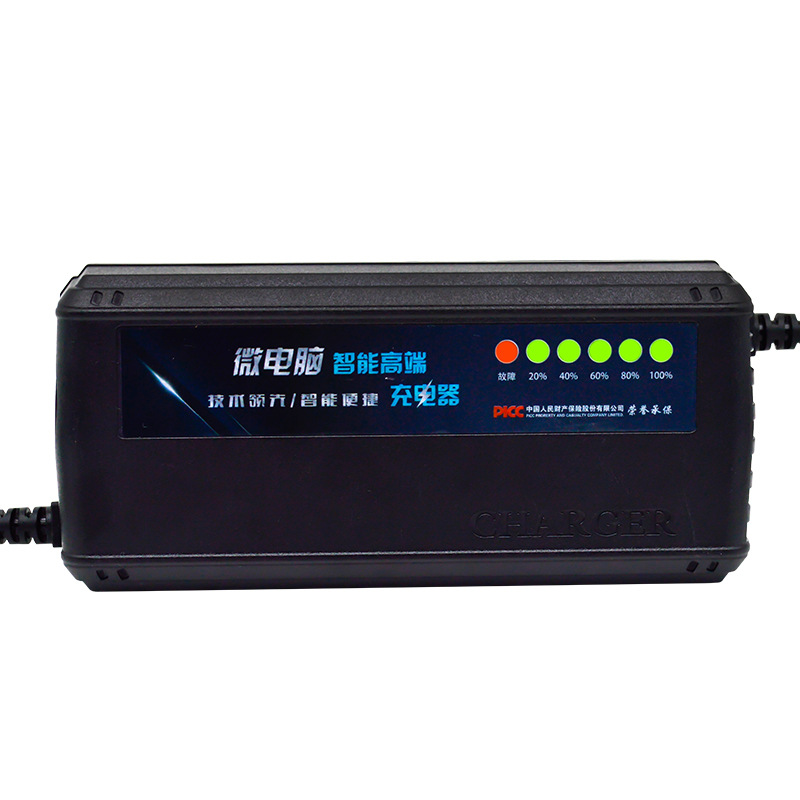
Electric bicycles have revolutionized urban transportation, offering an eco-friendly alternative to traditional commuting methods. At the heart of every electric bicycle lies a crucial component that determines its performance and longevity: the ebike charger. This essential device serves as the lifeline between your battery and optimal riding experience, ensuring that your electric bicycle remains ready for daily adventures. Understanding the importance of selecting the right ebike charger can significantly impact your overall satisfaction with electric bicycle ownership. Modern charging technology has evolved to provide faster, safer, and more efficient power delivery systems that cater to the diverse needs of electric bicycle enthusiasts worldwide.
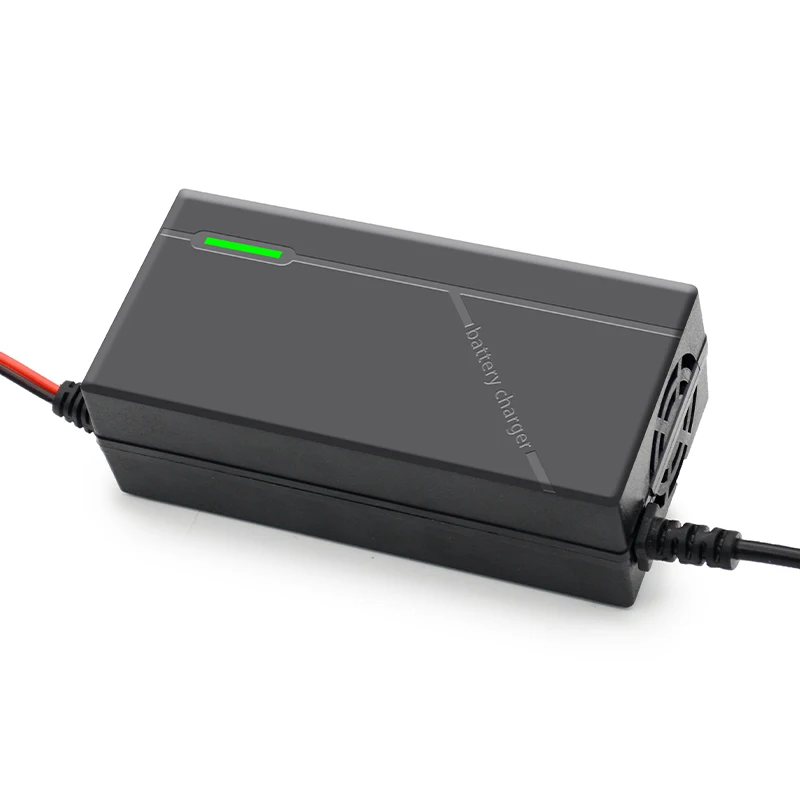
Enhanced Charging Speed and Efficiency
Advanced Power Delivery Technology
Contemporary ebike charger designs incorporate sophisticated power management systems that optimize charging cycles for maximum efficiency. These advanced units utilize intelligent charging algorithms that automatically adjust voltage and current output based on battery condition and capacity requirements. The result is significantly reduced charging times compared to older generation chargers, allowing riders to spend more time on the road and less time waiting for batteries to reach full capacity. Modern charger technology can reduce charging time by up to forty percent while maintaining optimal battery health throughout the charging process.
Smart charging protocols integrated into quality ebike charger units monitor battery temperature, voltage levels, and charging progress in real-time. This continuous monitoring ensures that power delivery remains within safe parameters while maximizing charging speed. The intelligent systems can detect when batteries approach full capacity and automatically switch to trickle charging mode, preventing overcharging and extending overall battery lifespan. These features represent a significant advancement over basic charging units that operate at fixed power levels regardless of battery conditions.
Multi-Stage Charging Process
Professional-grade ebike charger systems employ multi-stage charging protocols that optimize power delivery throughout different phases of the charging cycle. The initial bulk charging phase delivers maximum safe current to rapidly bring battery levels up to approximately eighty percent capacity. Subsequently, the absorption phase gradually reduces charging current while maintaining constant voltage to safely complete the charging process. This methodical approach ensures thorough charging while minimizing stress on battery cells and internal components.
The final float charging stage maintains optimal voltage levels to keep batteries at peak capacity without overcharging. This sophisticated charging methodology significantly extends battery life compared to simple constant-current charging systems. Quality ebike charger units automatically transition between these phases based on real-time battery feedback, eliminating the guesswork and potential damage associated with manual charging control. The result is consistently reliable charging performance that maximizes both speed and safety across diverse operating conditions.
Superior Safety Features and Protection
Comprehensive Overcharge Protection
Modern ebike charger designs prioritize safety through multiple layers of protection systems that prevent dangerous overcharging conditions. Built-in microprocessors continuously monitor charging parameters and automatically terminate power delivery when batteries reach full capacity. This prevents the thermal buildup and potential damage that can result from prolonged charging beyond safe limits. Advanced protection circuits also detect abnormal charging conditions such as reversed polarity, short circuits, or excessive temperature variations that could indicate potential safety hazards.
Temperature monitoring systems integrated into quality ebike charger units provide additional safety through thermal management protocols. These systems automatically reduce charging current or suspend charging operations when temperatures exceed safe operating ranges. Internal cooling systems and thermal dissipation designs ensure that charger components remain within optimal temperature ranges during extended charging sessions. The combination of electronic and thermal protection systems creates a comprehensive safety framework that protects both the charger and connected battery systems from potential damage or hazardous conditions.
Electrical Surge and Fault Protection
Professional ebike charger systems incorporate robust electrical protection circuits that safeguard against power surges, voltage fluctuations, and grid irregularities. Surge protection components automatically isolate charging circuits from potentially damaging electrical events that could compromise battery or charger integrity. Ground fault detection systems provide additional safety by monitoring electrical continuity and automatically disconnecting power when potentially dangerous conditions are detected. These protection systems operate independently of primary charging circuits, ensuring reliable safety even during component failures.
Isolation transformers and filtered power supplies further enhance electrical safety by providing clean, stable power delivery regardless of input power quality. These components eliminate electrical noise and voltage spikes that could interfere with charging operations or damage sensitive battery management systems. The result is consistent, safe charging performance across diverse electrical environments and power grid conditions. Quality ebike charger units undergo rigorous safety testing and certification to ensure compliance with international electrical safety standards and regulations.
Long-Term Battery Health and Longevity
Optimized Charging Algorithms
Sophisticated ebike charger systems employ battery-specific charging algorithms that adapt to different lithium-ion chemistry requirements and aging characteristics. These intelligent systems analyze battery response patterns and adjust charging parameters to maintain optimal cell balance and capacity retention over time. Advanced algorithms can detect early signs of battery degradation and modify charging protocols to minimize further deterioration. This proactive approach significantly extends usable battery life compared to generic charging systems that apply uniform charging profiles regardless of battery condition or chemistry type.
Adaptive charging technology continuously learns from battery behavior patterns and refines charging strategies to optimize long-term performance. The ebike charger systems maintain detailed charging history data that enables predictive maintenance and early detection of potential battery issues. This data-driven approach allows riders to maximize battery investment by identifying optimal charging schedules and usage patterns that promote longevity. Regular firmware updates ensure that charging algorithms remain current with evolving battery technology and performance optimization techniques.
Cell Balancing and Maintenance Functions
Advanced ebike charger units provide essential cell balancing functions that maintain uniform charge distribution across individual battery cells within multi-cell pack configurations. Imbalanced cell voltages can lead to reduced capacity, shortened lifespan, and potential safety concerns. Professional charging systems actively monitor individual cell voltages and selectively charge weaker cells to maintain optimal pack balance. This process ensures that all cells reach full capacity simultaneously and prevents premature failure of individual cells due to overcharge or undercharge conditions.
Maintenance charging modes available in quality ebike charger systems provide periodic conditioning cycles that help maintain battery health during extended storage periods. These functions prevent capacity loss and cell degradation that commonly occurs when batteries remain unused for extended periods. Scheduled maintenance cycles can automatically activate to provide optimal storage charge levels and prevent deep discharge conditions that permanently damage lithium-ion cells. The result is maintained battery performance and extended service life regardless of usage patterns or storage requirements.
Economic Benefits and Cost Efficiency
Reduced Energy Consumption
High-efficiency ebike charger designs significantly reduce electrical energy consumption compared to older charging technologies through advanced power conversion systems and optimized charging protocols. Modern switching power supplies achieve conversion efficiencies exceeding ninety percent, minimizing wasted energy and reducing electricity costs. Intelligent power management systems automatically adjust charging parameters to minimize energy consumption while maintaining optimal charging performance. These efficiency improvements translate to meaningful cost savings over the lifetime of electric bicycle ownership, particularly for frequent riders or commercial applications.
Power factor correction circuits integrated into professional ebike charger units further improve energy efficiency by optimizing electrical power utilization from utility grids. These systems reduce reactive power consumption and improve overall electrical system efficiency, resulting in lower utility bills and reduced environmental impact. Smart charging features can also take advantage of time-of-use electricity rates by scheduling charging operations during off-peak periods when electricity costs are typically lower. The combination of high conversion efficiency and intelligent power management creates substantial long-term economic benefits for electric bicycle owners.
Extended Equipment Lifespan
Investing in a quality ebike charger provides significant long-term economic benefits through extended battery and charging system lifespan. Professional charging systems protect expensive battery investments by providing optimal charging conditions that maximize cycle life and capacity retention. The advanced protection features and intelligent charging algorithms prevent damage that could require costly battery replacement or repair services. Quality charging systems typically offer longer warranty periods and more reliable performance, reducing the total cost of ownership compared to basic charging alternatives.
Durable construction and high-quality components ensure that professional ebike charger units provide years of reliable service without performance degradation or frequent replacement requirements. The robust electrical protection systems prevent damage from power surges, voltage fluctuations, and other electrical events that commonly damage basic charging equipment. This reliability reduces maintenance costs and eliminates the inconvenience and expense of frequent charger replacement. The initial investment in quality charging equipment quickly pays for itself through reduced operating costs and extended equipment lifespan.
Environmental Impact and Sustainability
Reduced Carbon Footprint
Efficient ebike charger technology contributes to environmental sustainability through reduced energy consumption and optimized battery utilization. High-efficiency charging systems minimize electrical waste and reduce the overall carbon footprint associated with electric bicycle operation. Advanced charging algorithms extend battery lifespan, reducing the frequency of battery replacement and associated manufacturing environmental impacts. The combination of energy efficiency and extended equipment life creates meaningful environmental benefits that align with the sustainable transportation goals of electric bicycle adoption.
Smart charging features enable integration with renewable energy sources such as solar panels or wind generators, further reducing environmental impact through clean energy utilization. Professional ebike charger systems can optimize charging schedules to coincide with peak renewable energy production, maximizing the use of clean electricity sources. Grid-tied systems can also participate in demand response programs that help stabilize electrical grids and reduce reliance on fossil fuel power generation during peak demand periods. These features position electric bicycle charging as an integral component of sustainable energy ecosystems.
Sustainable Manufacturing and Lifecycle
Quality ebike charger manufacturers increasingly focus on sustainable production methods and recyclable component design that minimize environmental impact throughout product lifecycles. Durable construction reduces the frequency of replacement and associated manufacturing impacts while modular designs enable component repair and upgrade rather than complete system replacement. Responsible material selection prioritizes recyclable components and eliminates harmful substances that could impact environmental or human health. These manufacturing approaches align with circular economy principles that minimize waste and maximize resource utilization efficiency.
End-of-life recycling programs offered by responsible ebike charger manufacturers ensure proper disposal and material recovery when charging systems eventually reach retirement. These programs prevent electronic waste from entering landfills while recovering valuable materials for use in new products. The emphasis on sustainable design and lifecycle management reflects growing industry commitment to environmental responsibility and supports the broader environmental benefits associated with electric bicycle transportation. Consumers can feel confident that their charging equipment choices contribute positively to environmental sustainability goals.
FAQ
How long does it typically take to fully charge an ebike battery with a modern charger
Modern ebike charger systems typically require between two to six hours to fully charge most electric bicycle batteries, depending on battery capacity and charger output power. High-capacity batteries may require longer charging times, while smaller capacity batteries charge more quickly. Advanced charging systems with higher output power can significantly reduce charging times while maintaining safe charging parameters. The exact charging time depends on factors such as battery chemistry, capacity, current charge level, and ambient temperature conditions during charging operations.
Can I use any ebike charger with my electric bicycle battery
Electric bicycle batteries require chargers specifically designed for their voltage rating, chemistry type, and connector configuration. Using incompatible ebike charger systems can damage batteries, create safety hazards, or provide inadequate charging performance. Always verify that charger specifications match your battery requirements including voltage rating, current capacity, and connector type. Professional charging systems often include multiple safety features that prevent connection to incompatible battery systems, but manual verification remains essential for safe operation.
What safety features should I look for in a quality ebike charger
Quality ebike charger systems should include comprehensive overcharge protection, temperature monitoring, short circuit protection, and surge protection features. Look for chargers with automatic shutoff functions, LED status indicators, and thermal management systems. Professional units often include ground fault protection, reverse polarity protection, and electrical isolation features that enhance safety during operation. Certification marks from recognized testing organizations indicate that chargers meet established safety standards and regulations for electrical equipment.
How can I extend the lifespan of my ebike charger and battery system
Proper ebike charger maintenance includes keeping charging equipment clean and dry, avoiding extreme temperatures, and using appropriate electrical connections. Follow manufacturer recommendations for charging schedules and avoid leaving batteries connected to chargers for extended periods after reaching full charge. Regular inspection of charging cables and connectors helps identify potential issues before they cause damage. Store charging equipment in appropriate environments and avoid exposing components to moisture, extreme temperatures, or mechanical stress that could compromise performance or safety.