 EN
EN

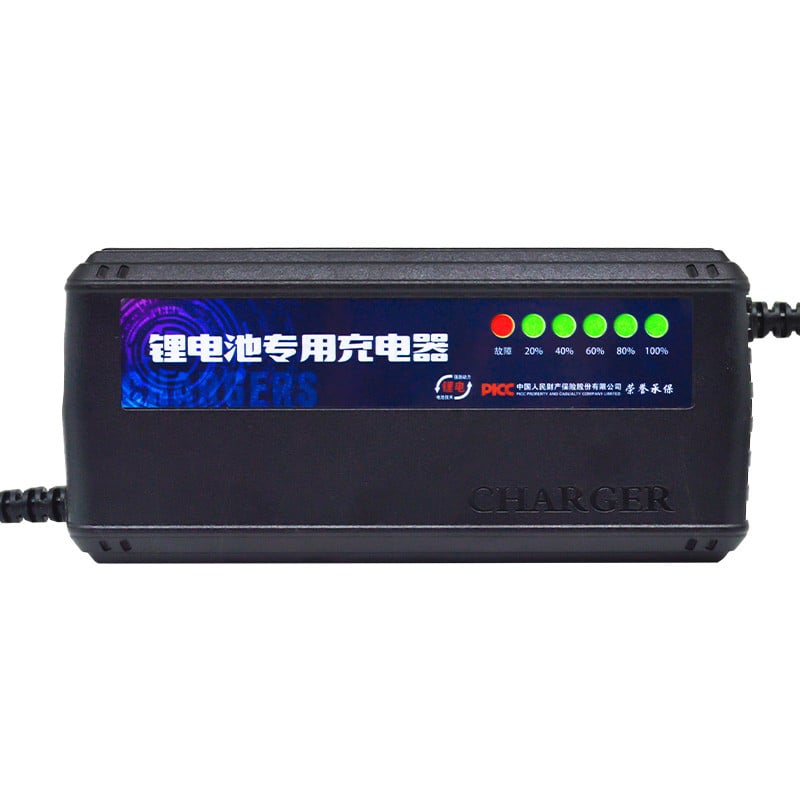
Selecting the right ebike charger is crucial for maintaining your electric bicycle's battery health and ensuring optimal performance. With the growing popularity of electric bikes, understanding the different charger types and their specifications has become essential for every e-bike owner. An improper ebike charger can damage your battery, reduce its lifespan, or create safety hazards. This comprehensive guide will help you navigate through the various options available and make an informed decision based on your specific needs and battery requirements.
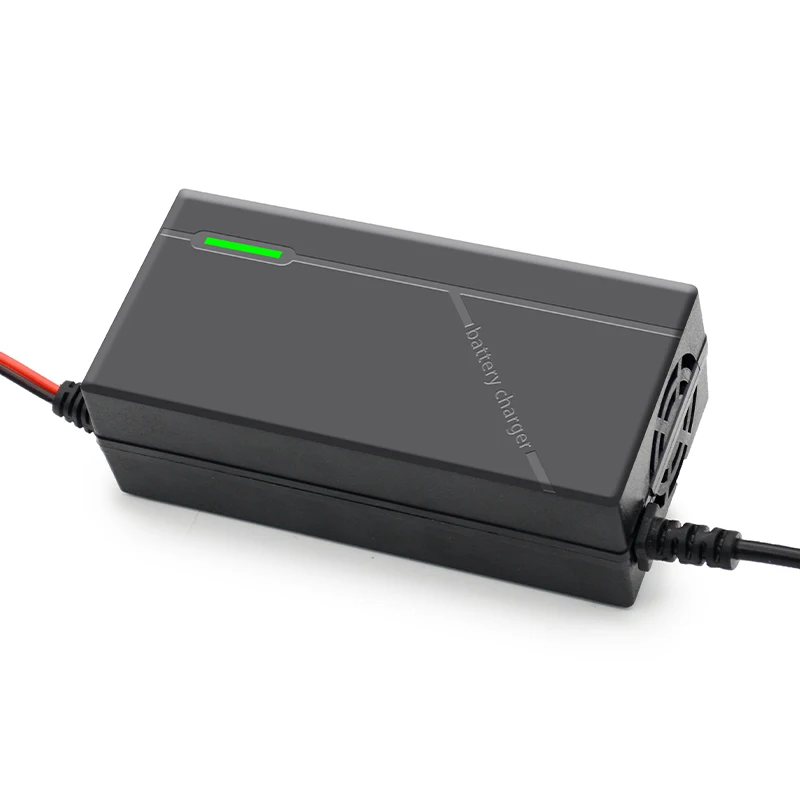
Understanding Ebike Charger Fundamentals
Voltage Requirements and Compatibility
The voltage rating of your ebike charger must match your battery's nominal voltage to ensure safe and efficient charging. Most electric bikes use 24V, 36V, 48V, or 52V battery systems, and each requires a specific charger voltage output. Using an incorrect voltage ebike charger can result in undercharging, overcharging, or permanent battery damage. The charger's output voltage should typically be about 10-15% higher than the battery's nominal voltage to account for the charging process requirements.
Battery chemistry also plays a significant role in charger selection. Lithium-ion batteries, which are the most common in modern e-bikes, require specific charging algorithms that prevent overcharging and maintain cell balance. The ebike charger must incorporate proper voltage regulation and current limiting features to protect these sensitive battery cells. Understanding your battery's specifications is the first step toward selecting an appropriate charging solution.
Current Output and Charging Speed
The amperage or current output of an ebike charger determines how quickly your battery will charge. Higher amperage chargers fill the battery faster but may generate more heat and potentially reduce battery lifespan if used exclusively. Most standard ebike chargers output between 1A to 5A, with 2A to 3A being the most common for everyday use. The charging current should not exceed the battery manufacturer's recommended maximum charging rate.
Fast charging capabilities can be convenient for users who need quick turnaround times, but balanced charging practices extend battery life significantly. A quality ebike charger will include smart charging features that automatically adjust the current output during different charging phases. The initial bulk charge phase uses higher current, while the absorption and float phases gradually reduce current to safely complete the charging cycle.
Types of Ebike Chargers Available
Standard Wall Chargers
Standard wall chargers are the most common type of ebike charger included with most electric bicycles. These units plug directly into household AC outlets and provide consistent, reliable charging for home use. They typically feature LED indicators showing charging status and automatic shutoff when the battery reaches full capacity. Standard chargers are designed for overnight charging and usually take 4-8 hours to fully charge a depleted battery.
The reliability and simplicity of standard wall chargers make them ideal for daily commuters who can charge their bikes at home or office. These chargers incorporate essential safety features like overcurrent protection, overvoltage protection, and thermal management. While they may not offer the fastest charging speeds, their consistent performance and longevity make them the preferred choice for regular use.
Fast Chargers and High-Power Options
Fast chargers deliver higher current output to reduce charging times significantly, making them suitable for commercial applications or users with demanding schedules. These advanced ebike charger units can reduce charging time by 50-70% compared to standard chargers, but they require careful consideration of battery compatibility and thermal management. Fast charging generates more heat, which can stress battery cells if not properly managed.
High-power chargers often include advanced features like temperature monitoring, adaptive charging algorithms, and communication protocols that interface with smart battery management systems. These sophisticated ebike charger options are typically more expensive but offer enhanced safety features and charging efficiency. They're particularly valuable for fleet operations, rental services, or enthusiasts who need rapid turnaround times.
Key Features to Consider
Safety Certifications and Protection
Safety should be the primary consideration when selecting any ebike charger, as improper charging can lead to fire hazards or personal injury. Look for chargers with certifications from recognized testing laboratories like UL, CE, or FCC, which indicate compliance with safety standards. Essential protection features include short circuit protection, reverse polarity protection, and thermal shutdown capabilities that prevent dangerous operating conditions.
Quality ebike charger units incorporate multiple layers of protection including input surge protection, output overvoltage protection, and overcurrent limiting. These safety systems work together to protect both the charger and the battery from electrical faults or component failures. Investing in a properly certified ebike charger with comprehensive protection features is essential for safe operation and long-term reliability.
Build Quality and Durability
The construction quality of an ebike charger directly impacts its longevity and performance reliability. High-quality chargers feature robust housings, proper heat dissipation, and durable connectors that withstand regular use and environmental conditions. Look for chargers with adequate ventilation, sturdy cables, and connectors that match your battery's charging port specifications exactly.
Environmental resistance is particularly important for ebike charger units that may be used in various weather conditions or stored in garages or outdoor spaces. Features like moisture resistance, dust protection, and temperature tolerance ensure consistent operation across different environmental conditions. A well-built ebike charger represents a long-term investment in your electric bike's maintenance and performance.
Matching Charger Specifications to Your Battery
Battery Management System Compatibility
Modern lithium batteries incorporate sophisticated battery management systems that monitor cell voltage, temperature, and charging status. Your ebike charger must be compatible with these systems to ensure proper charging behavior and safety. Some advanced batteries require chargers with specific communication protocols or charging profiles that optimize charging efficiency and battery life.
Understanding your battery's BMS requirements helps ensure optimal charging performance and prevents compatibility issues. Some ebike charger models include programmable features that can be customized for different battery types and capacities. This flexibility makes them suitable for users with multiple bikes or those who may upgrade their battery systems in the future.
Connector Types and Physical Compatibility
The physical connection between your ebike charger and battery must be secure and appropriate for the current levels involved. Common connector types include barrel connectors, Anderson Powerpole connectors, and proprietary designs specific to certain manufacturers. Ensuring proper connector compatibility prevents arcing, overheating, and intermittent connections that can damage both the charger and battery.
Some ebike charger units include interchangeable connector tips or adapters that accommodate different battery types. This versatility can be valuable for service shops or users with multiple electric bikes. However, always verify that any adapter or connector change maintains proper electrical specifications and safety standards for your specific application.
Installation and Usage Best Practices
Proper Setup and Location
Installing your ebike charger in an appropriate location ensures safe operation and optimal performance. Choose a well-ventilated area away from direct sunlight, moisture, and excessive heat. The charging location should have stable temperature conditions and adequate space around the charger for proper air circulation. Avoid enclosed spaces or areas where heat buildup could occur during charging cycles.
Proper electrical connections are essential for safe ebike charger operation. Use appropriate AC outlets with proper grounding and avoid extension cords or power strips when possible. Ensure that the outlet can handle the charger's power requirements without overloading the circuit. Regular inspection of connections and cables helps identify potential issues before they become safety hazards.
Charging Schedules and Battery Care
Developing proper charging habits extends battery life and ensures reliable performance from your ebike charger. Avoid completely depleting the battery before charging, as lithium batteries perform best when maintained between 20-80% charge levels. Regular partial charging cycles are healthier for the battery than infrequent deep discharge and recharge cycles.
Temperature considerations play a crucial role in charging effectiveness and safety. Avoid charging batteries that are very hot or cold, as extreme temperatures can damage cells or reduce charging efficiency. Allow batteries to reach room temperature before connecting your ebike charger, and avoid charging in freezing conditions or excessive heat. Proper timing and environmental awareness contribute significantly to battery longevity and charging system performance.
Troubleshooting Common Issues
Diagnosing Charging Problems
Common ebike charger issues include slow charging, failure to charge, or premature shutoff during charging cycles. These problems can stem from battery degradation, charger component failure, or compatibility issues. Systematic troubleshooting helps identify whether the issue lies with the charger, battery, or connections between components.
Start troubleshooting by checking all physical connections and ensuring proper voltage output from the ebike charger using a multimeter. Verify that indicator lights or displays show normal operation patterns. If the charger appears to function correctly but charging performance is poor, the issue may be battery-related rather than charger-specific. Document any unusual behavior patterns to help identify intermittent problems.
Maintenance and Longevity
Regular maintenance extends the life of your ebike charger and ensures continued reliable operation. Keep the charger clean and dry, periodically inspect cables and connectors for damage, and ensure adequate ventilation during operation. Store the charger in a climate-controlled environment when not in use, and avoid extreme temperature exposure during storage.
Professional servicing may be necessary for complex ebike charger repairs, but basic maintenance can be performed by most users. Replace damaged cables promptly, keep connectors clean and properly seated, and monitor charging performance for any changes that might indicate developing issues. Proactive maintenance prevents minor problems from becoming major failures that could damage batteries or create safety hazards.
FAQ
Can I use any ebike charger as long as the voltage matches my battery?
No, voltage matching alone is insufficient for safe charging. The ebike charger must also provide appropriate current output, incorporate proper charging algorithms for your battery chemistry, and include necessary safety protections. Using an incompatible charger can damage your battery or create safety hazards even if the voltage appears correct.
How do I know if my ebike charger is failing?
Signs of a failing ebike charger include longer charging times, inability to reach full charge, unusual heat generation, flickering indicator lights, or intermittent operation. Physical damage like cracked housings, frayed cables, or loose connectors also indicate potential failure. If you notice any of these symptoms, discontinue use and have the charger inspected by a qualified technician.
Is it safe to leave my ebike charger plugged in overnight?
Quality ebike charger units with proper safety features and automatic shutoff capabilities are generally safe for overnight charging. However, always follow manufacturer recommendations and avoid charging unattended if you have any concerns about charger quality or safety features. Consider using a timer or smart plug to limit charging time if you prefer additional control over the charging process.
What should I do if my ebike charger gets wet?
If your ebike charger gets wet, immediately disconnect it from power and allow it to dry completely before attempting to use it again. Do not attempt to operate a wet charger, as this can cause electrical shorts or safety hazards. If the charger was submerged or extensively wet, have it professionally inspected before returning it to service, as internal components may be damaged even after drying.