 EN
EN

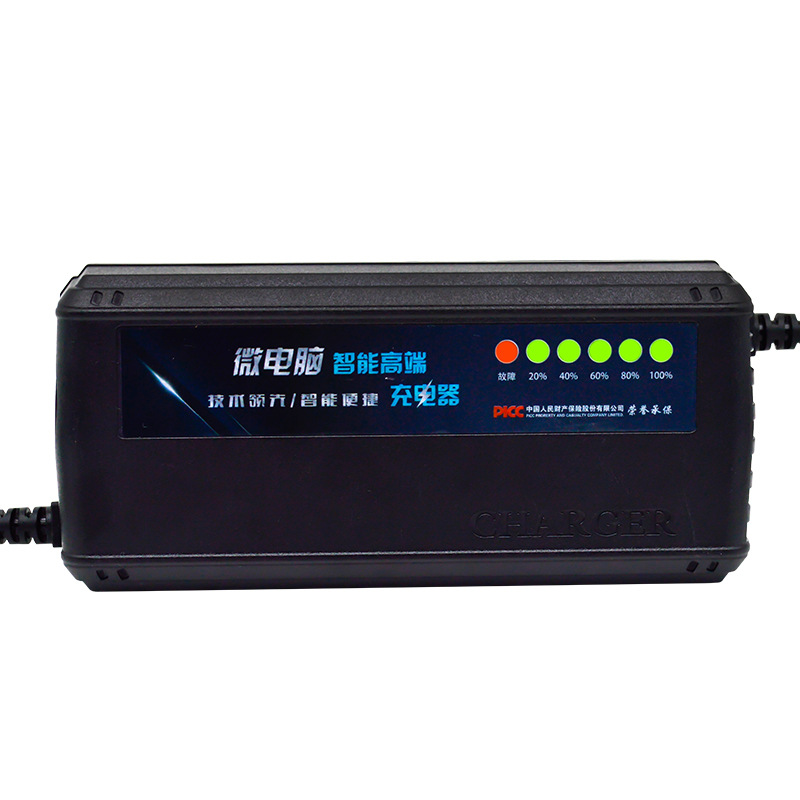
Understanding the importance of ebike charger voltage is crucial for every electric bike owner who wants to maintain optimal battery performance and ensure safety during charging cycles. The voltage rating of your ebike charger directly affects charging efficiency, battery longevity, and overall system compatibility. When selecting an ebike charger, voltage matching becomes the primary consideration that determines whether your charging system will operate safely and effectively. Modern electric bikes utilize various voltage configurations, making it essential to understand how charger voltage impacts your specific setup.
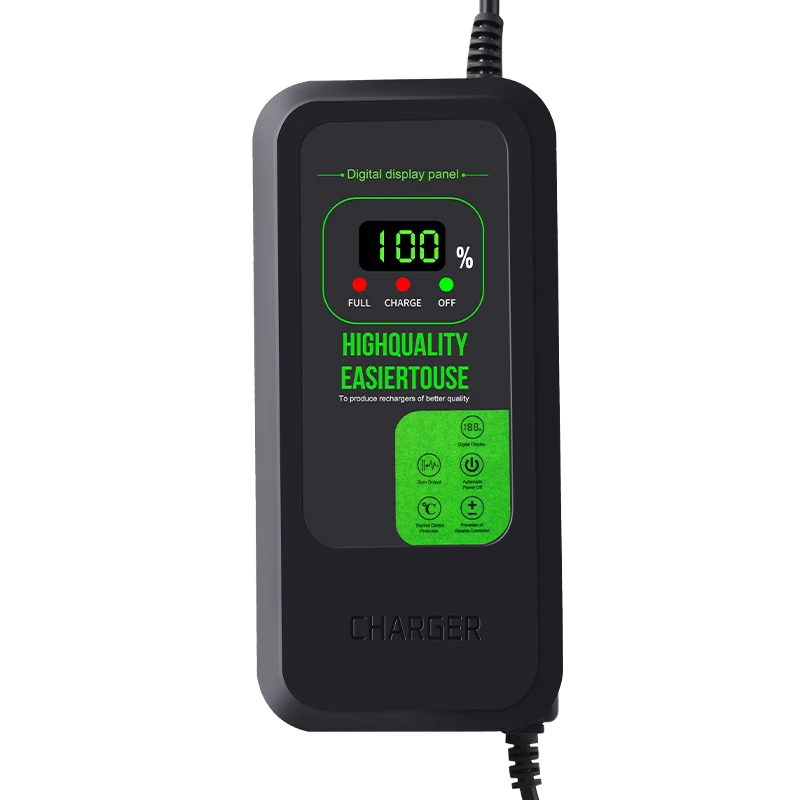
The relationship between ebike charger voltage and battery voltage forms the foundation of safe charging practices. Using an incompatible ebike charger can result in undercharging, overcharging, or complete system failure. Professional ebike technicians emphasize that voltage compatibility should never be compromised, as mismatched voltage levels can permanently damage expensive battery packs and create potential safety hazards during operation.
Understanding Ebike Battery Voltage Systems
Common Voltage Configurations in Electric Bikes
Electric bike manufacturers typically design their systems around standard voltage configurations that optimize performance while maintaining cost effectiveness. The most common ebike battery voltages include 24V, 36V, 48V, and 52V systems, each requiring specific ebike charger specifications. Understanding these voltage categories helps riders make informed decisions when purchasing replacement chargers or upgrading their charging equipment. Higher voltage systems generally provide increased power output and extended range capabilities, though they require more sophisticated charging protocols.
The 48V configuration has become increasingly popular among modern electric bikes due to its excellent balance between power delivery and charging efficiency. Many premium ebike models utilize 48V systems because they support faster acceleration, better hill climbing performance, and extended battery life when paired with appropriate charging equipment. When shopping for a 48V ebike charger, riders must ensure the charger output matches their specific battery chemistry and capacity requirements.
Voltage Tolerance and Safety Margins
Professional ebike charger manufacturers build safety margins into their voltage output specifications to accommodate minor variations in battery voltage during different charge states. These tolerance levels typically range from 2-5% above nominal voltage, ensuring safe charging while preventing overcharge conditions. Understanding these safety margins helps ebike owners select chargers that provide reliable performance without risking battery damage or reduced lifespan.
Battery management systems integrated into modern electric bikes monitor voltage levels continuously, providing protection against overvoltage conditions that could occur with incompatible charging equipment. However, relying solely on built-in protection systems without proper ebike charger selection can lead to premature component failure and void manufacturer warranties. Smart charging technology incorporates multiple voltage monitoring points throughout the charging cycle to ensure optimal battery health.
Impact of Voltage on Charging Performance
Charging Speed and Efficiency Factors
The voltage differential between your ebike charger and battery directly influences charging speed and overall efficiency throughout the charging process. Higher voltage differentials initially accelerate charging rates, but proper voltage matching ensures consistent charging performance without generating excessive heat or stressing battery cells. Professional charging systems utilize sophisticated voltage regulation circuits that maintain optimal charging conditions regardless of external temperature variations or power supply fluctuations.
Advanced ebike charger designs incorporate multiple charging phases that adjust voltage output based on battery state of charge. During initial charging phases, the charger delivers constant current at maximum safe voltage levels. As battery voltage approaches full charge, sophisticated chargers reduce output voltage while maintaining current flow until the battery reaches optimal capacity. This voltage management approach maximizes charging efficiency while extending battery service life significantly.
Heat Generation and Thermal Management
Improper voltage matching between ebike charger and battery systems often results in excessive heat generation during charging cycles. Heat represents wasted energy and can accelerate battery degradation, reducing overall capacity and shortening replacement intervals. Quality ebike charger manufacturers implement thermal management systems that monitor component temperatures and adjust voltage output to maintain safe operating conditions throughout extended charging sessions.
Temperature compensation features in premium charging systems automatically adjust output voltage based on ambient temperature conditions and battery temperature readings. Cold weather conditions may require slightly higher voltage output to achieve proper charging, while hot weather necessitates voltage reduction to prevent thermal damage. These adaptive voltage control systems ensure consistent charging performance across diverse environmental conditions while protecting valuable battery investments.
Safety Considerations for Ebike Charger Voltage
Overvoltage Protection Systems
Modern ebike charger designs incorporate multiple layers of overvoltage protection to prevent dangerous charging conditions that could damage batteries or create fire hazards. Primary protection circuits monitor output voltage continuously and immediately shut down charging operations if voltage levels exceed safe parameters. Secondary protection systems provide backup monitoring that activates if primary circuits fail, ensuring comprehensive safety coverage during unattended charging sessions.
Surge protection features built into quality ebike charger units protect against voltage spikes from unstable power grids or electrical storms. These protection systems utilize fast-acting circuit breakers and voltage clamping devices that limit maximum voltage exposure to connected battery systems. Investing in chargers with comprehensive overvoltage protection reduces the risk of catastrophic battery failure and extends equipment service life significantly.
Undervoltage Conditions and Performance Impact
Using an ebike charger with insufficient voltage output creates undervoltage conditions that prevent batteries from reaching full capacity during charging cycles. Chronic undervoltage charging gradually reduces battery capacity and can cause permanent damage to lithium-ion cells through incomplete charge cycles. Professional technicians recommend against using chargers with voltage ratings below manufacturer specifications, even if they appear to charge batteries partially.
Undervoltage conditions also extend charging times significantly, requiring longer connection periods to achieve partial charge states. Extended charging sessions increase the risk of component overheating and reduce overall charging system efficiency. Quality ebike charger systems provide precise voltage regulation that eliminates undervoltage concerns while delivering optimal charging performance.
Selecting the Right Ebike Charger Voltage
Manufacturer Specifications and Compatibility
Consulting manufacturer specifications represents the most reliable method for determining appropriate ebike charger voltage requirements for specific electric bike models. Original equipment manufacturers provide detailed charging specifications that include nominal voltage, maximum charging current, and recommended charger characteristics. Following these specifications ensures compatibility and maintains warranty coverage while optimizing charging performance and battery longevity.
Third-party ebike charger manufacturers often provide compatibility charts that list supported bike models and corresponding voltage requirements. These resources help riders identify suitable replacement chargers when original equipment becomes unavailable or requires upgrading. Verifying compatibility through multiple sources reduces the risk of selecting inappropriate charging equipment that could damage expensive battery systems or create safety hazards.
Future-Proofing Your Charging Setup
Investing in versatile ebike charger systems that support multiple voltage configurations provides flexibility for future bike upgrades or additional electric bikes with different specifications. Adjustable voltage chargers allow users to modify output settings based on connected battery requirements, eliminating the need for multiple dedicated charging units. These advanced charging systems typically include digital displays that show current voltage settings and charging status information.
Smart ebike charger technology incorporates automatic voltage detection features that identify connected battery specifications and configure appropriate charging parameters automatically. These intelligent systems eliminate guesswork and reduce the risk of voltage mismatches while providing optimal charging performance for various battery types. Automated voltage selection ensures consistent charging results regardless of user technical knowledge or experience levels.
Maintenance and Monitoring of Charging Voltage
Regular Voltage Output Testing
Periodic testing of ebike charger voltage output helps identify potential issues before they cause battery damage or safety concerns. Digital multimeters provide accurate voltage measurements that can be compared against manufacturer specifications to verify proper charger operation. Testing should include both no-load voltage readings and loaded voltage measurements during actual charging operations to assess charger performance comprehensively.
Professional ebike service centers utilize sophisticated testing equipment that monitors voltage stability, ripple content, and thermal performance during extended charging cycles. These comprehensive tests identify chargers that may appear functional but deliver suboptimal performance that gradually degrades battery capacity over time. Regular professional testing extends both charger and battery service life while maintaining optimal system performance.
Signs of Voltage-Related Charging Issues
Recognizing early warning signs of voltage-related charging problems enables prompt corrective action that prevents costly battery replacement or safety hazards. Common symptoms include extended charging times, incomplete charging cycles, excessive heat generation, and reduced battery capacity after charging. Any of these symptoms may indicate voltage regulation problems in the ebike charger that require immediate attention from qualified technicians.
Advanced battery management systems provide diagnostic information that helps identify voltage-related charging issues through error codes or warning indicators. Understanding these diagnostic features enables ebike owners to differentiate between charger problems and battery issues, facilitating more effective troubleshooting and repair decisions. Prompt attention to voltage-related symptoms prevents minor issues from developing into major system failures that require expensive component replacement.
FAQ
What happens if I use the wrong voltage ebike charger?
Using an incorrect voltage ebike charger can cause serious damage to your battery system and create safety hazards. Overvoltage conditions may permanently damage battery cells, cause overheating, or even lead to fire risks. Undervoltage charging prevents complete battery charging and gradually reduces capacity over time. Always verify voltage compatibility before connecting any charger to your electric bike battery system.
How do I determine the correct voltage for my ebike charger?
Check your electric bike manual or battery label for voltage specifications, which typically show values like 24V, 36V, 48V, or 52V. The ebike charger voltage should match your battery system voltage exactly. If original documentation is unavailable, consult with the manufacturer or authorized dealer to verify proper charging specifications for your specific model and avoid compatibility issues.
Can I use a higher voltage charger to charge faster?
Never use a higher voltage ebike charger than specified for your battery system. Higher voltage charging can permanently damage battery cells, void warranties, and create dangerous overheating conditions. Faster charging should only be achieved through chargers specifically designed for your voltage system with higher current output ratings, not increased voltage levels.
Why does my ebike charger get hot during charging?
Some heat generation during charging is normal, but excessive heat may indicate voltage regulation problems or incompatible charging parameters. Quality ebike charger units include thermal management systems that control temperature during operation. If your charger becomes too hot to touch or shows signs of overheating, discontinue use immediately and have it inspected by qualified technicians to prevent potential damage or safety hazards.