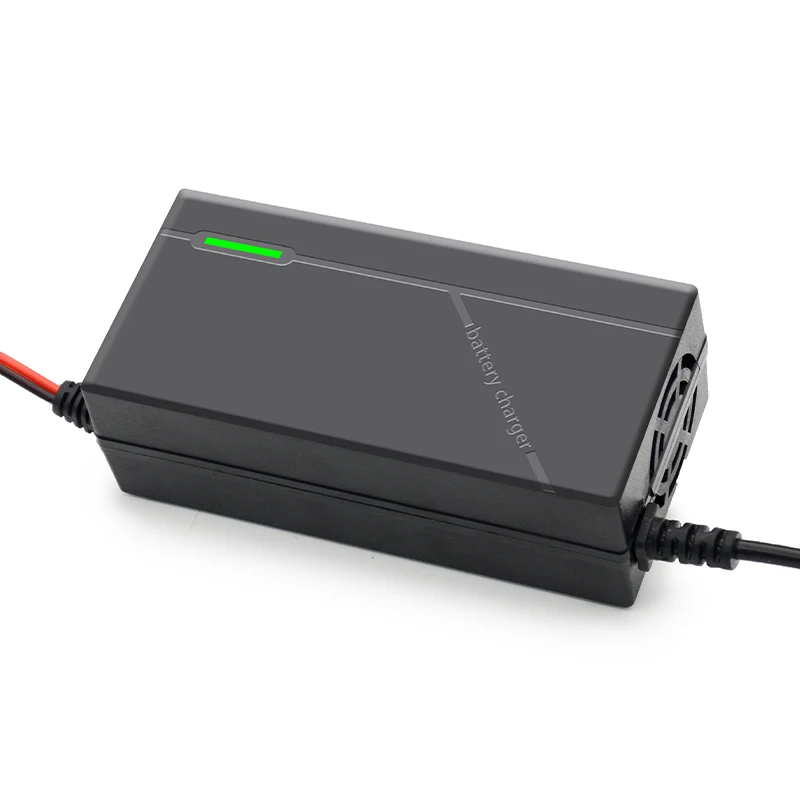
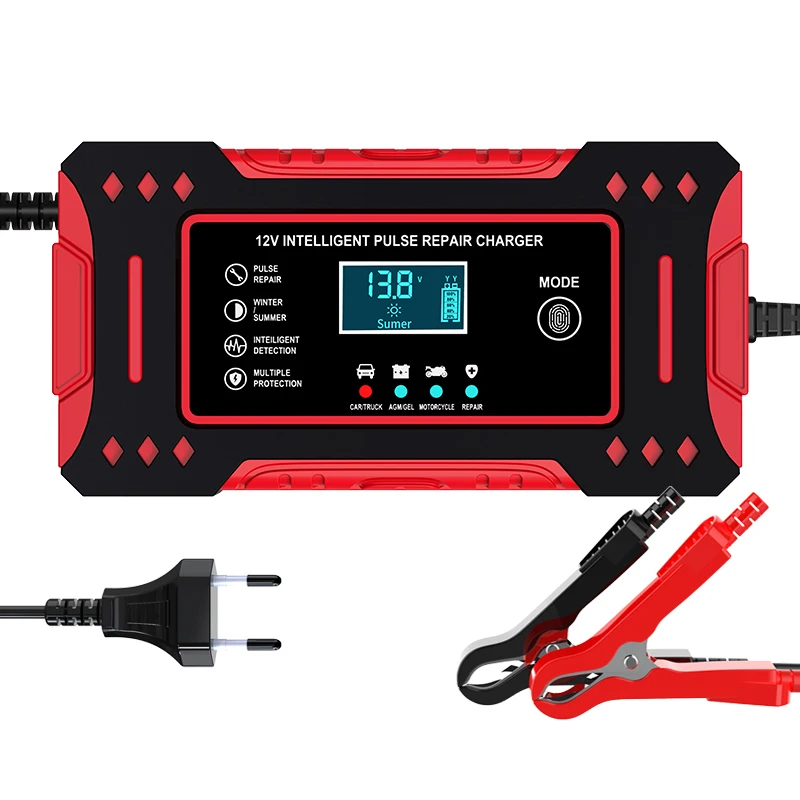
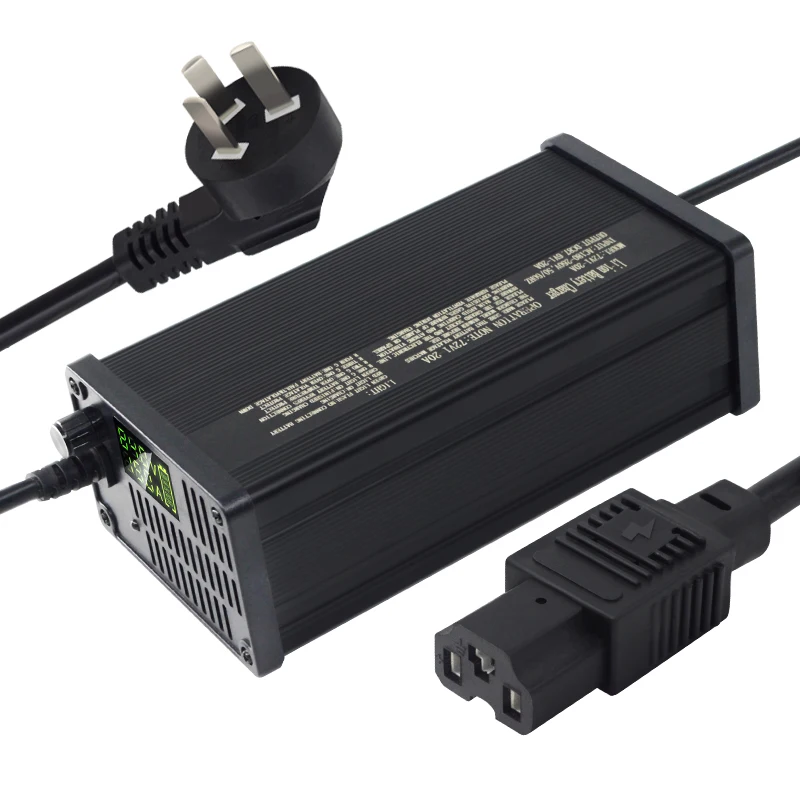
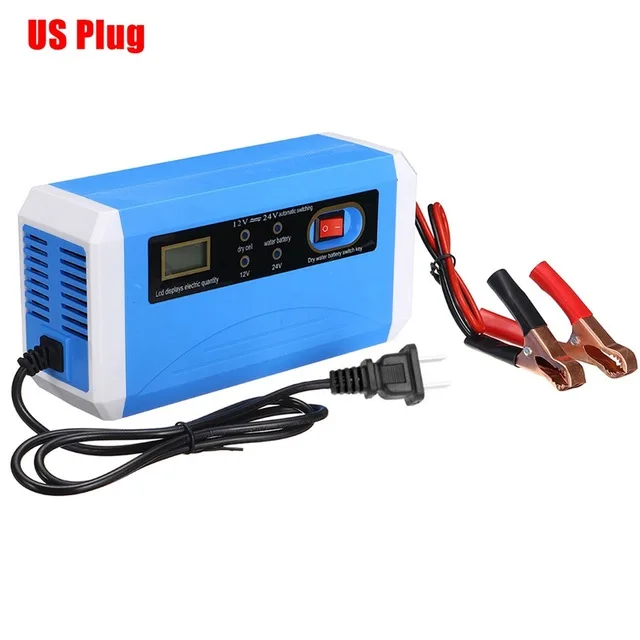
lithium battery fast charger
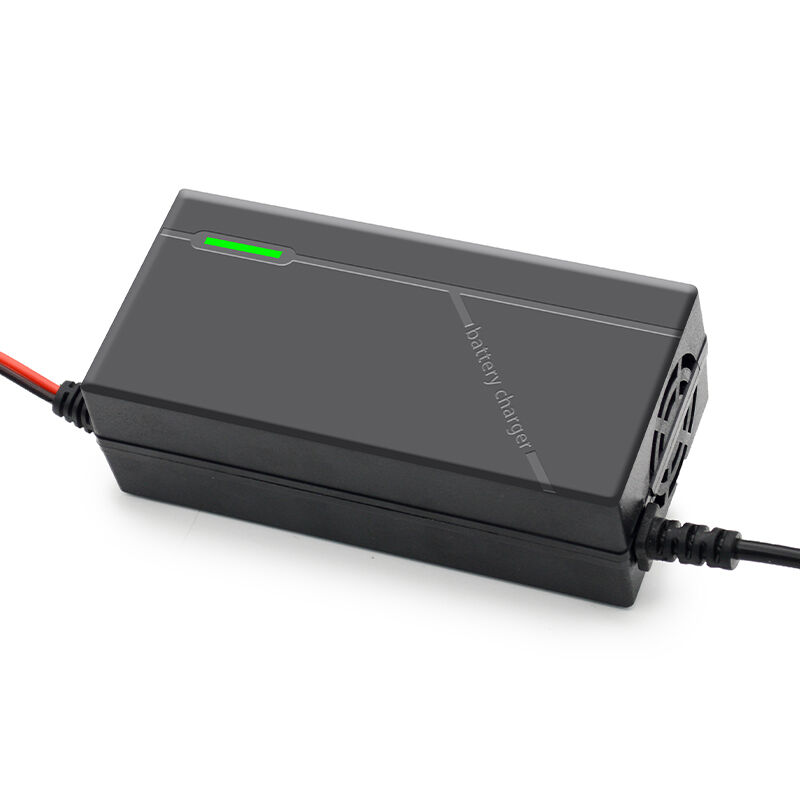
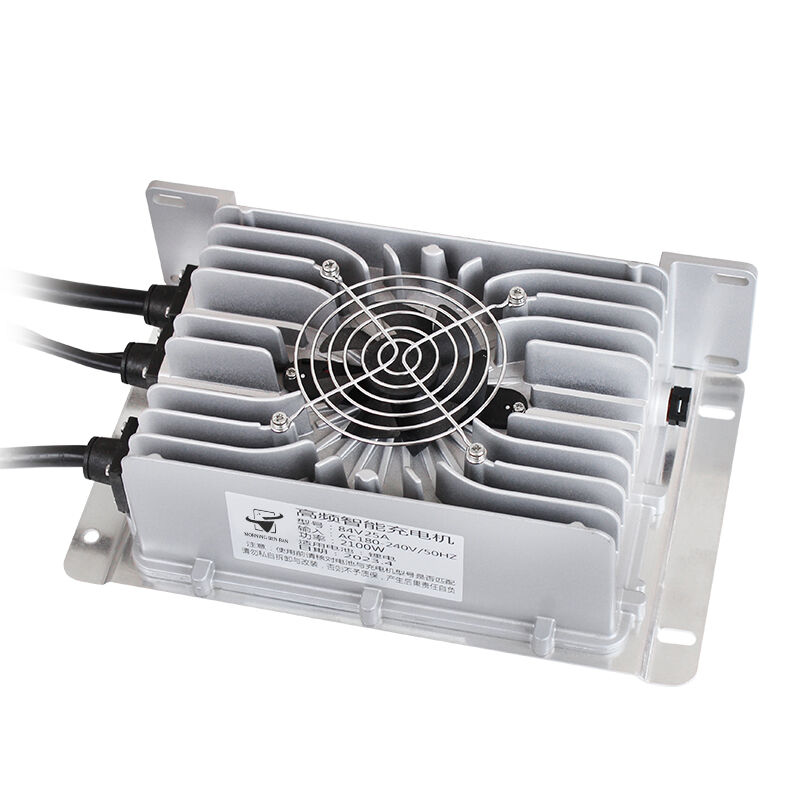
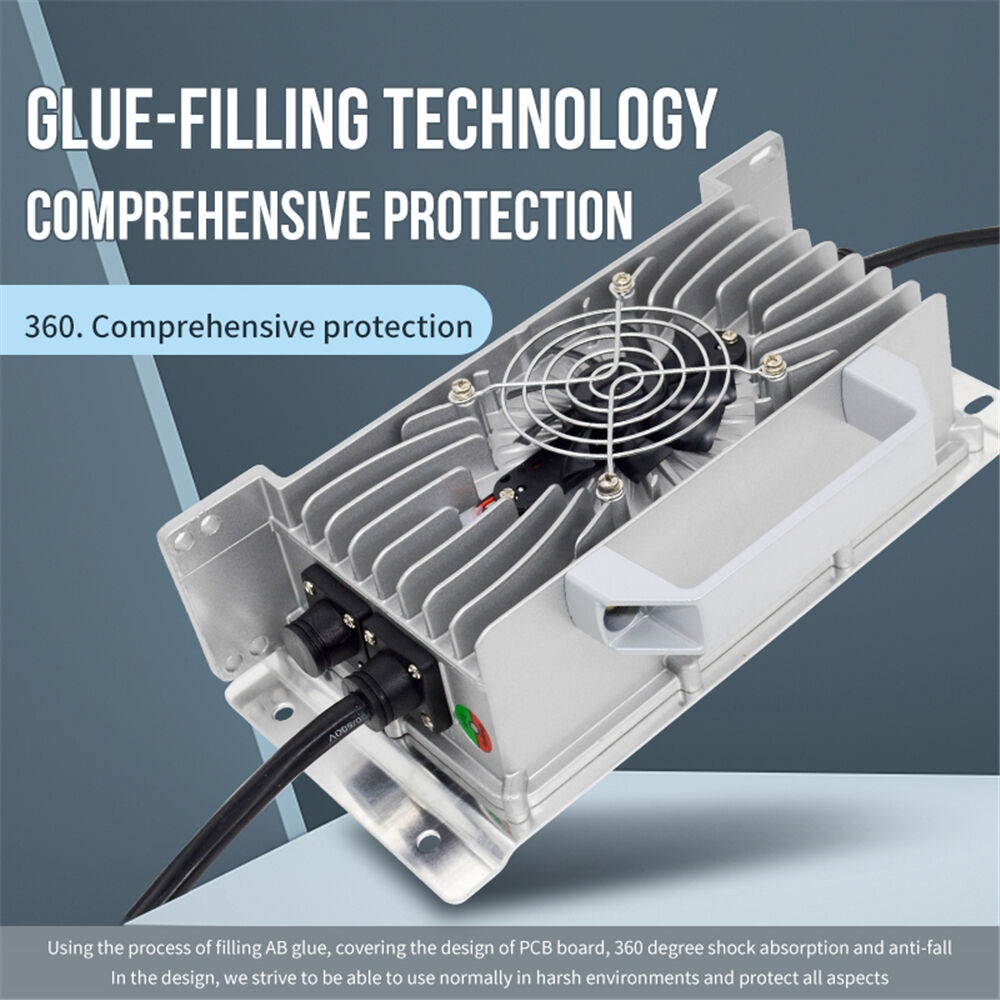
A lithium battery fast charger represents cutting-edge charging technology designed to rapidly replenish lithium-ion battery systems with maximum efficiency and safety. This sophisticated charging device employs advanced power management algorithms to deliver optimal charging currents while maintaining battery health and longevity. The lithium battery fast charger operates through intelligent multi-stage charging protocols that automatically adjust voltage and current levels based on battery capacity, temperature, and charge state. Modern lithium battery fast charger units incorporate smart microprocessor controls that monitor cellular conditions in real-time, ensuring safe operation throughout the charging cycle. These chargers feature multiple protection mechanisms including overcurrent protection, overvoltage safeguards, thermal monitoring, and short-circuit prevention systems. The technological architecture of a lithium battery fast charger includes pulse-width modulation circuits, switching power supplies, and digital communication interfaces that enable seamless integration with battery management systems. Primary applications span across electric vehicles, portable electronics, power tools, energy storage systems, marine equipment, and backup power solutions. The lithium battery fast charger delivers substantially reduced charging times compared to conventional charging methods, typically achieving 80 percent capacity within 30-60 minutes depending on battery specifications. Advanced models support multiple battery chemistries including LiFePO4, Li-ion, and lithium polymer configurations. Temperature compensation features ensure optimal charging performance across varying environmental conditions. The compact design philosophy maximizes portability while maintaining robust construction standards. Communication protocols such as CAN bus and Bluetooth connectivity allow remote monitoring and control capabilities. High-efficiency power conversion rates exceed 95 percent, minimizing energy waste and heat generation during operation.

 EN
EN