fast charging lead acid battery
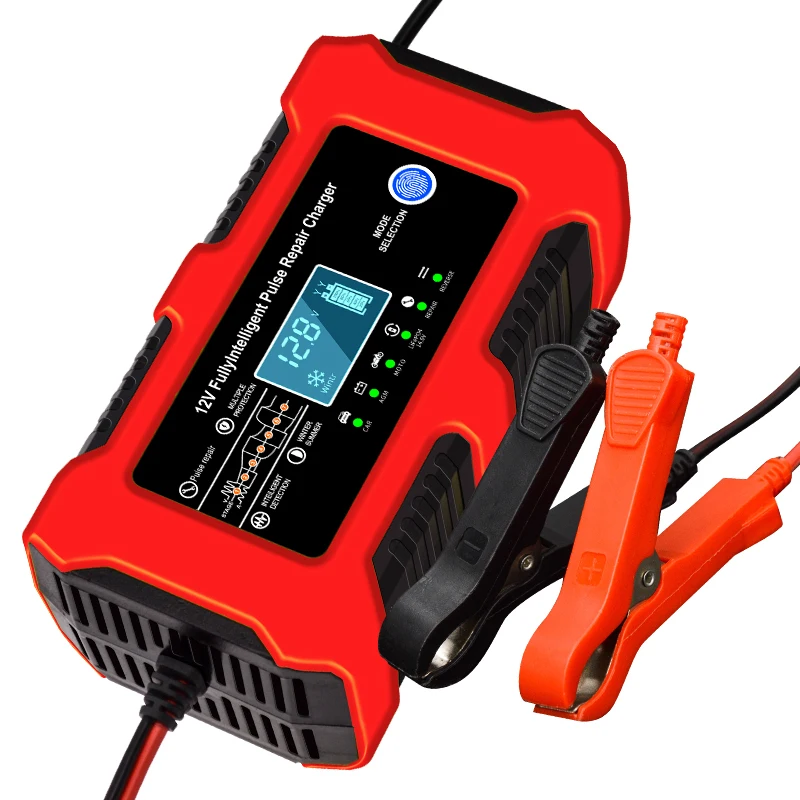
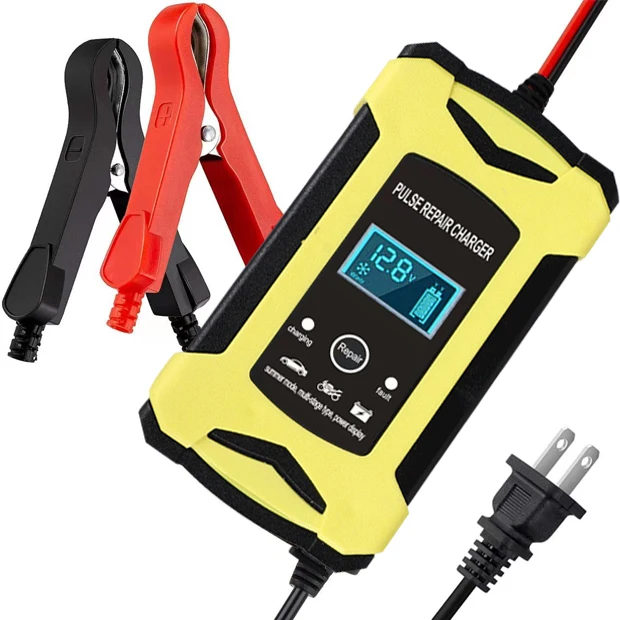
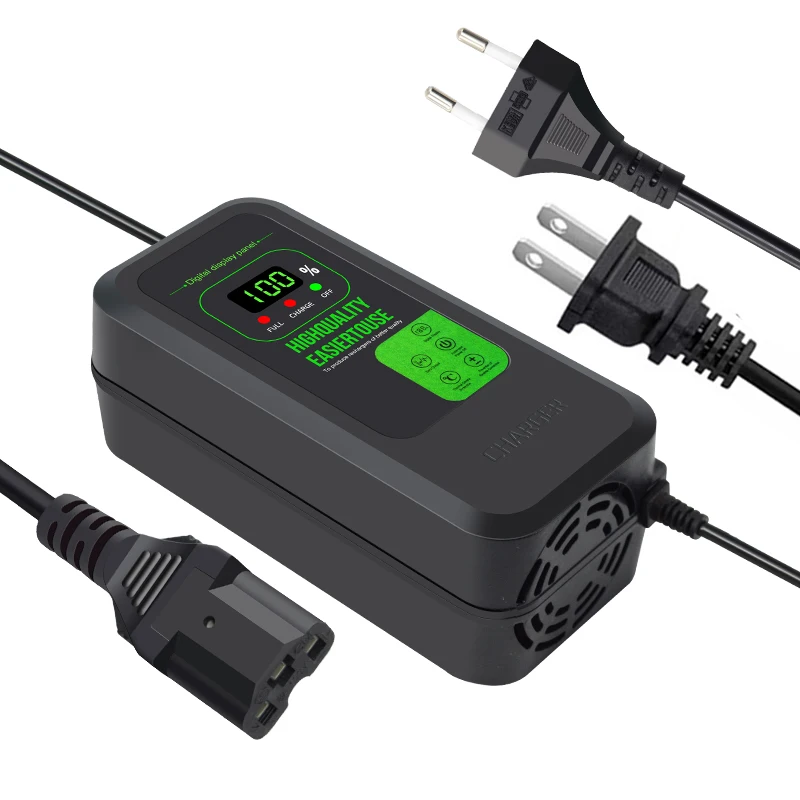
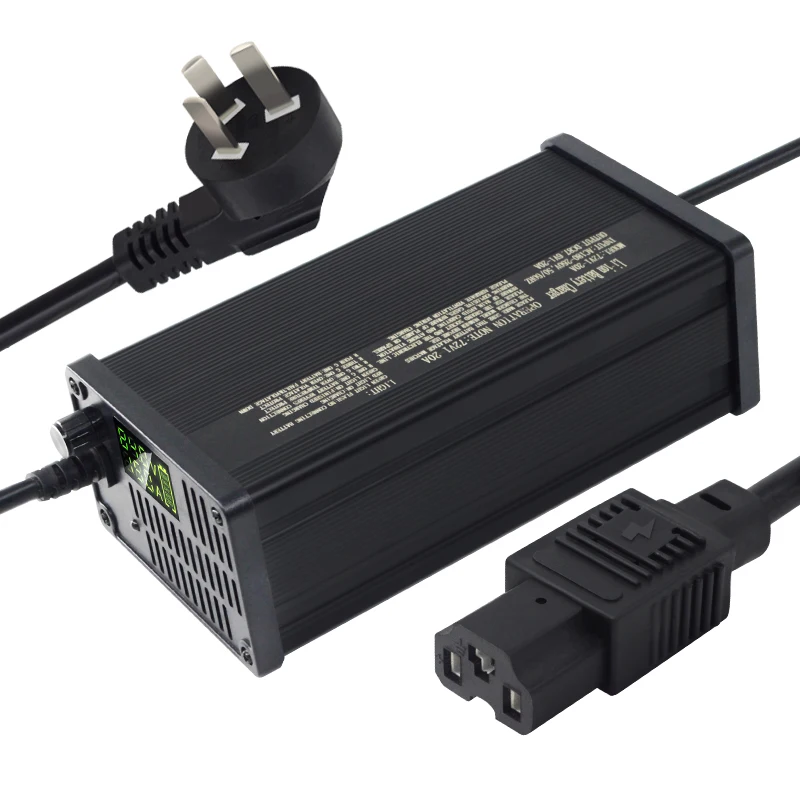
The fast charging lead acid battery represents a significant advancement in energy storage technology, combining the reliability of traditional lead acid systems with enhanced charging capabilities. These innovative batteries utilize advanced electrolyte formulations and optimized plate designs to achieve charging speeds up to three times faster than conventional lead acid batteries. The main function centers on providing rapid energy replenishment while maintaining the durability and cost-effectiveness that users expect from lead acid technology. Technological features include enhanced active material utilization, improved electrolyte conductivity, and specialized separators that facilitate faster ion movement between plates. The battery construction incorporates calcium-tin alloy grids that reduce self-discharge rates and enhance charging efficiency. Advanced manufacturing processes ensure consistent plate thickness and porosity, contributing to uniform current distribution during rapid charging cycles. Applications span across multiple industries including telecommunications, uninterruptible power supplies, emergency lighting systems, golf carts, electric vehicles, and renewable energy storage. The fast charging lead acid battery proves particularly valuable in applications requiring frequent cycling or minimal downtime. Marine applications benefit from quick turnaround times between voyages, while backup power systems gain enhanced reliability through reduced charging windows. Industrial equipment operators appreciate the reduced operational interruptions, as these batteries can reach 80% capacity in approximately one hour under optimal conditions. The technology maintains backward compatibility with existing charging infrastructure while offering superior performance characteristics. Temperature tolerance remains excellent across various operating conditions, making these batteries suitable for both indoor and outdoor installations. The fast charging lead acid battery delivers consistent performance throughout its lifecycle, typically offering 500-800 deep discharge cycles depending on usage patterns and maintenance practices.

 EN
EN