charge lifepo4 with lead acid charger
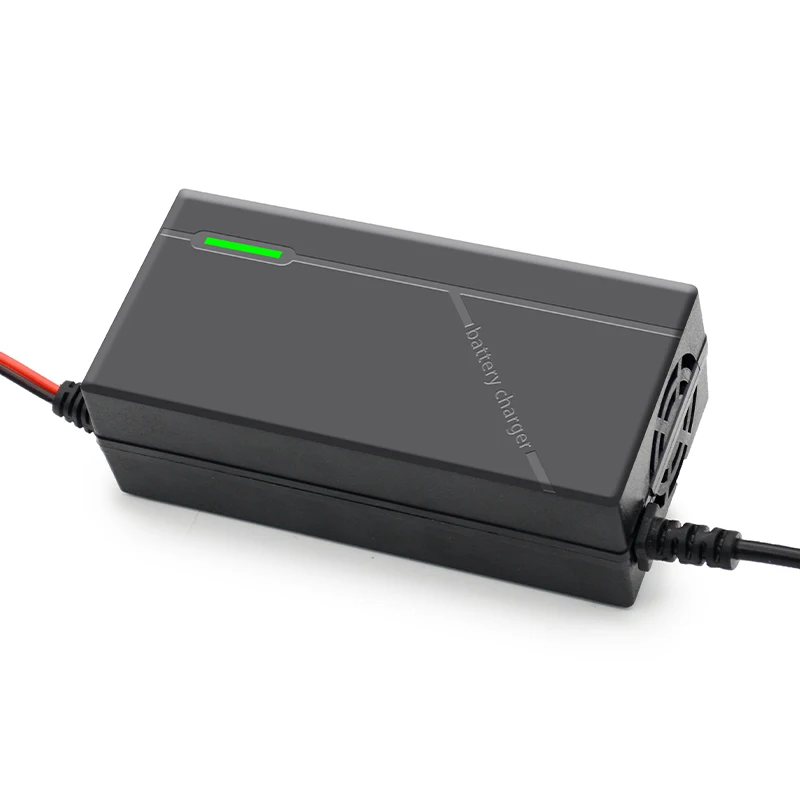
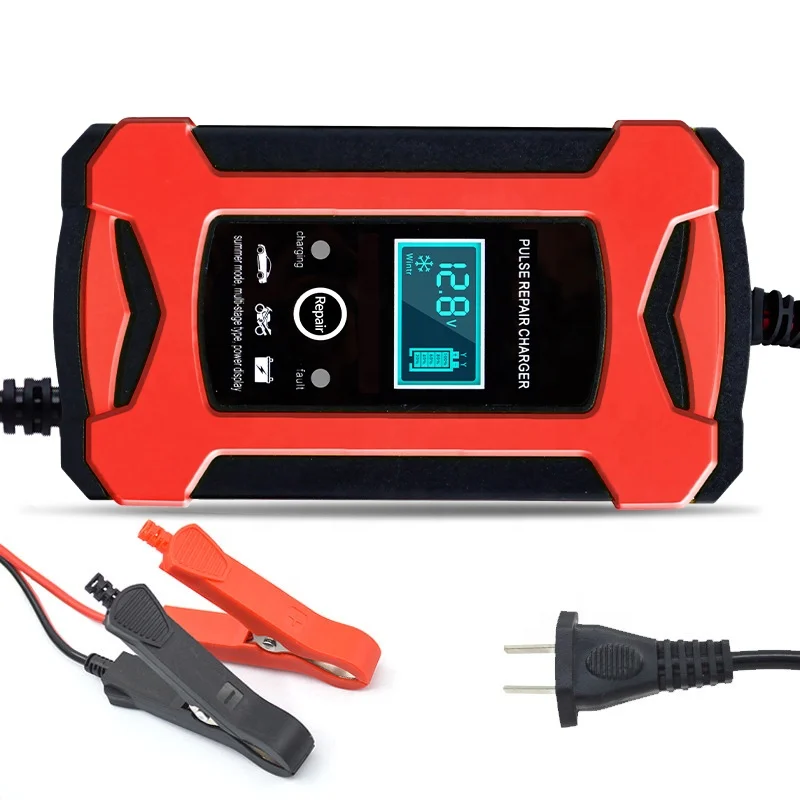
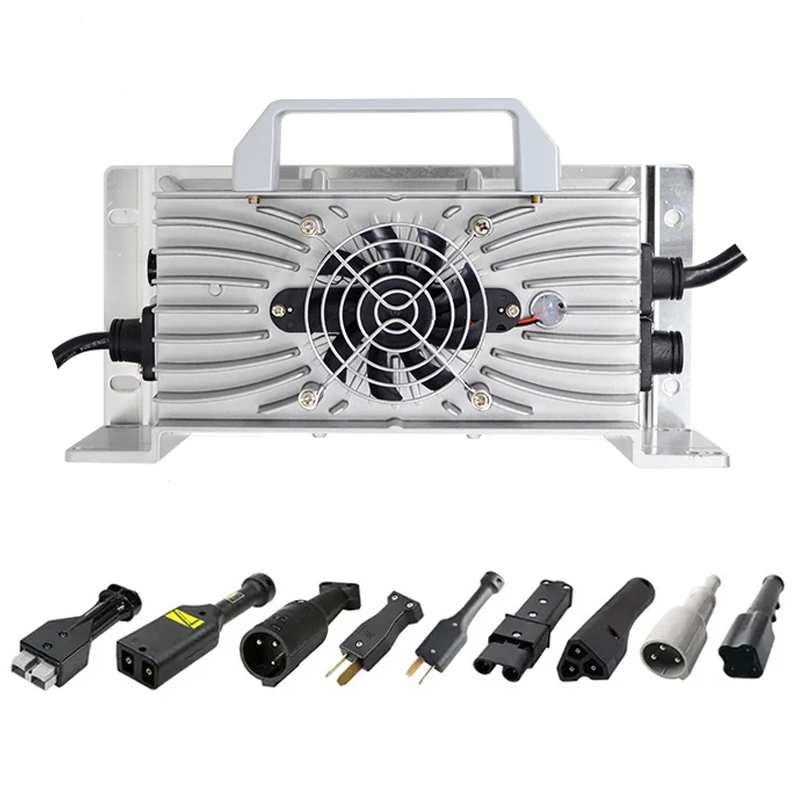
Understanding how to charge LiFePO4 with lead acid charger represents a crucial consideration for battery users transitioning between different technologies. LiFePO4 batteries, also known as lithium iron phosphate batteries, have gained significant popularity due to their superior performance characteristics compared to traditional lead acid batteries. However, many users wonder whether their existing lead acid charging infrastructure can accommodate these advanced lithium batteries. The ability to charge LiFePO4 with lead acid charger depends on several critical factors including voltage compatibility, charging profiles, and safety considerations. Modern LiFePO4 batteries typically operate at similar nominal voltages to lead acid batteries, making basic compatibility possible in many situations. When you charge LiFePO4 with lead acid charger, the charging process involves converting electrical energy into chemical energy stored within the lithium iron phosphate cells. The main functions include voltage regulation, current control, and temperature monitoring to ensure safe and efficient charging cycles. Technological features that enable successful charging include built-in battery management systems, voltage conversion circuits, and protective mechanisms that prevent overcharging or thermal runaway. The applications for charging LiFePO4 with lead acid charger span across automotive, marine, RV, solar energy storage, and backup power systems. Many users find this compatibility beneficial when upgrading from lead acid to LiFePO4 technology without completely replacing their existing charging infrastructure. The process requires careful attention to charging parameters, as LiFePO4 batteries have different charging requirements compared to traditional lead acid batteries. Proper implementation ensures optimal battery performance, extended lifespan, and safe operation while maximizing the investment in both battery and charging equipment.

 EN
EN