48v gel battery charger
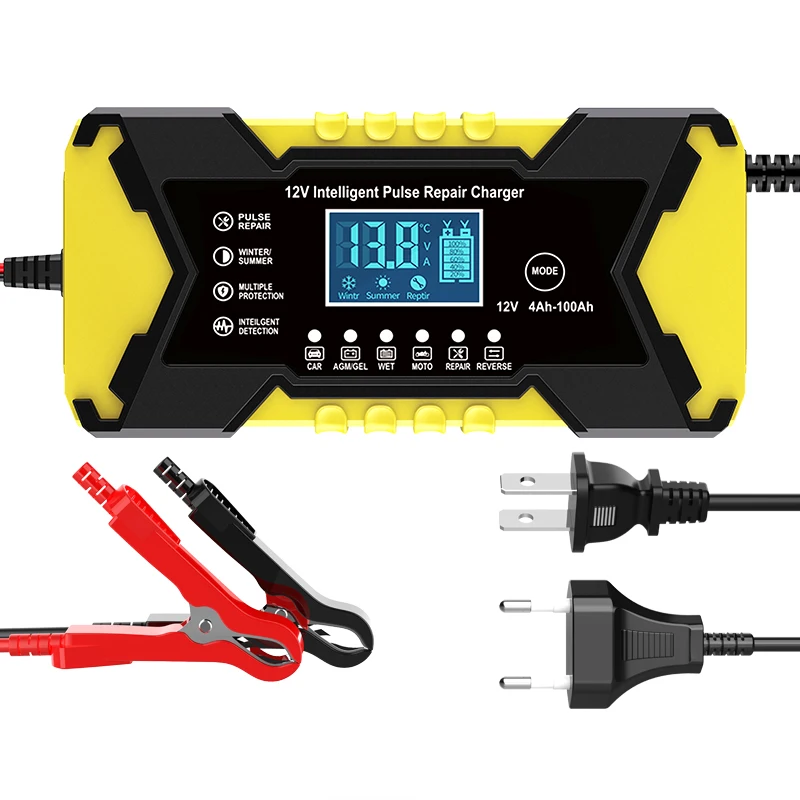
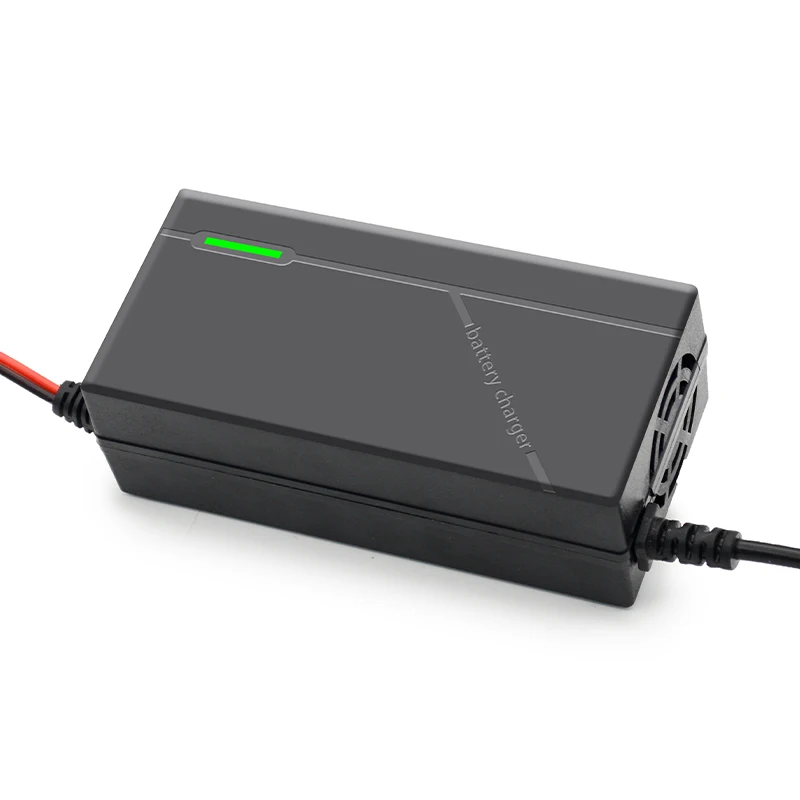
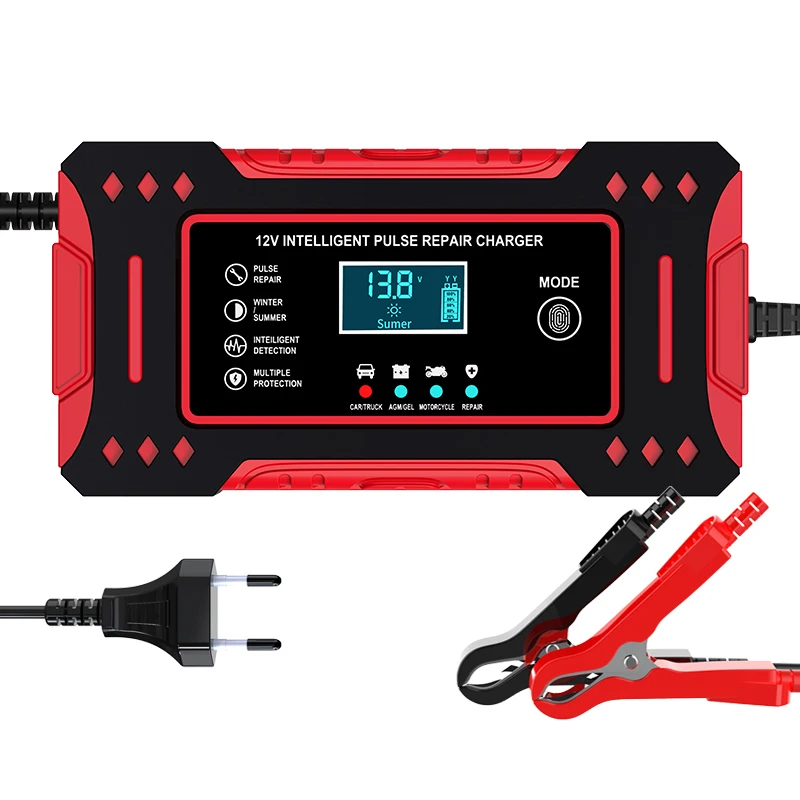
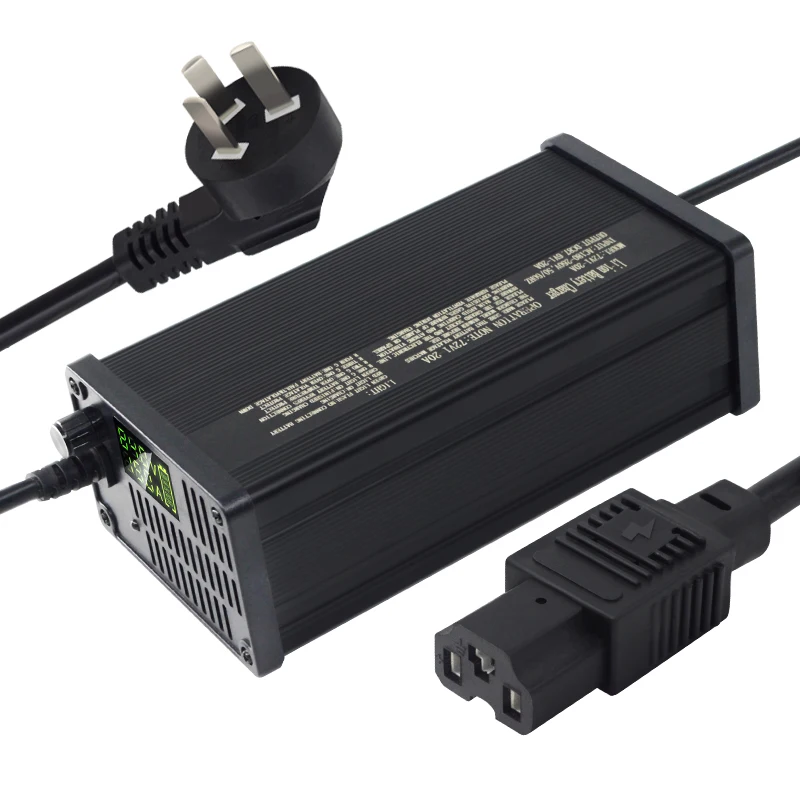
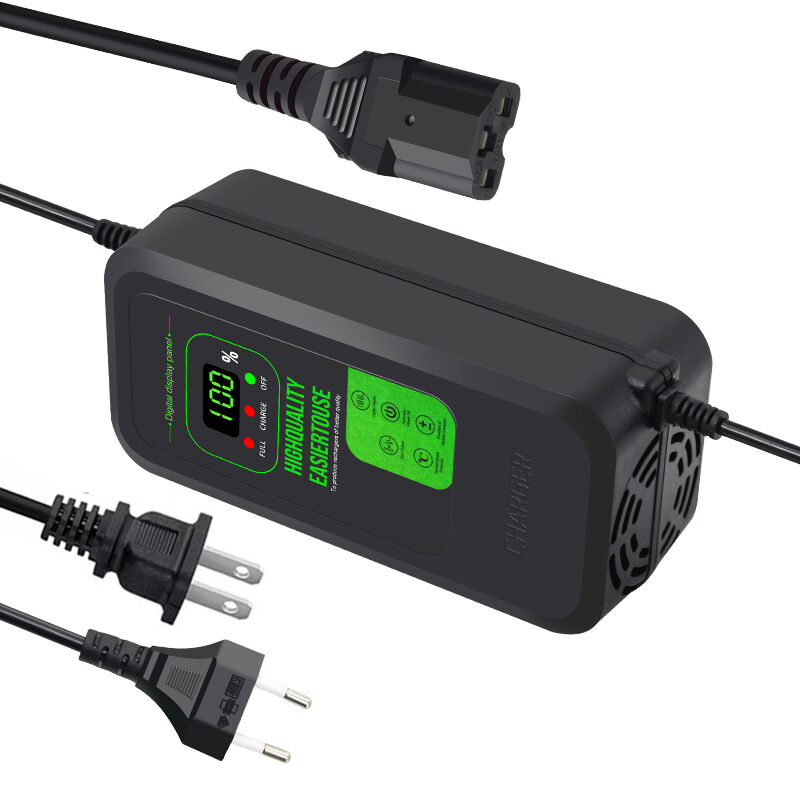
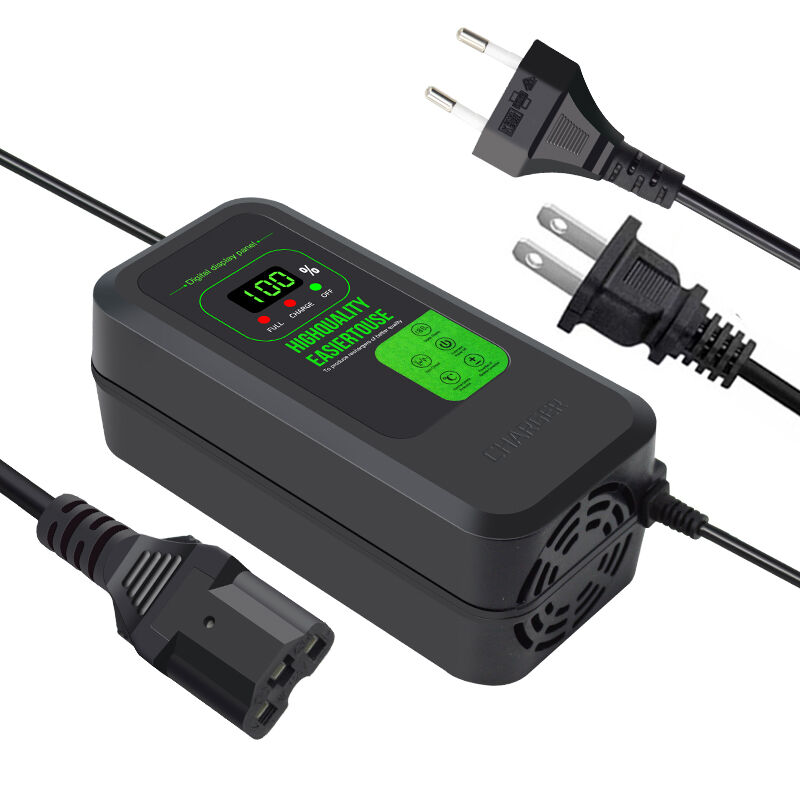
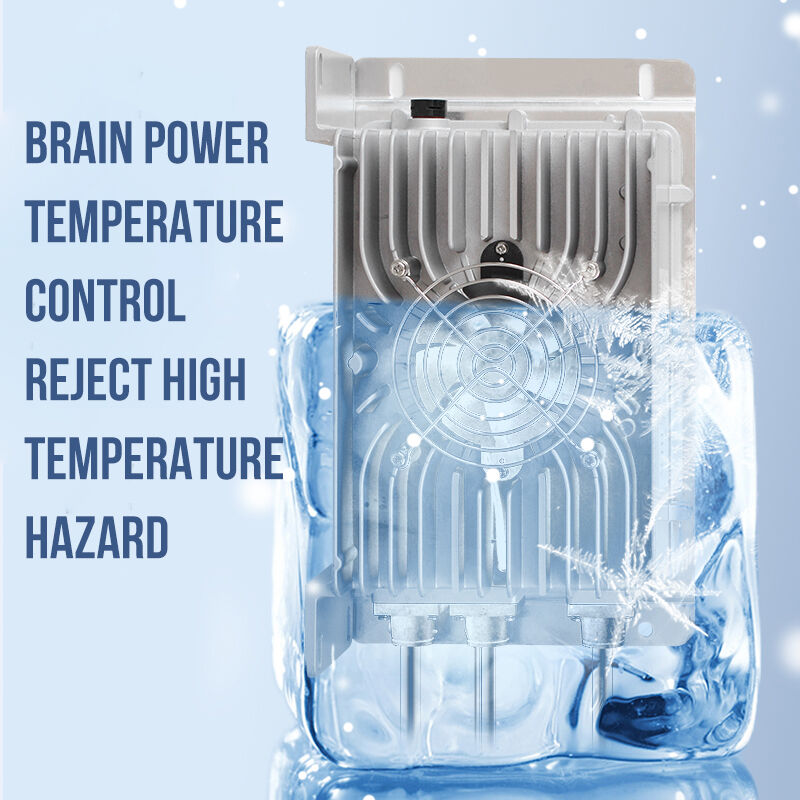
The 48v gel battery charger represents a sophisticated charging solution specifically engineered for 48-volt gel battery systems. This advanced charging device delivers optimal power management through intelligent charging algorithms that monitor and adjust voltage, current, and temperature parameters throughout the charging cycle. The primary function of a 48v gel battery charger centers on safely restoring energy to gel electrolyte batteries while preserving their structural integrity and extending operational lifespan. Unlike conventional lead-acid battery chargers, this specialized equipment recognizes the unique characteristics of gel batteries, which contain immobilized electrolyte in a gel form rather than liquid acid. The charger employs multi-stage charging protocols, typically incorporating bulk, absorption, and float charging phases to ensure complete energy restoration without overcharging risks. Technologically, modern 48v gel battery chargers feature microprocessor-controlled systems that provide precise voltage regulation, automatic temperature compensation, and built-in safety mechanisms including reverse polarity protection, short circuit prevention, and thermal shutdown capabilities. These chargers often include digital displays showing real-time charging status, voltage readings, and fault indicators for enhanced user monitoring. The switching power supply technology commonly integrated into these units ensures high efficiency ratings, typically exceeding 85%, while maintaining compact form factors and reduced heat generation. Applications for 48v gel battery chargers span numerous industries including telecommunications infrastructure, renewable energy storage systems, electric vehicles, marine applications, and backup power solutions. Golf carts, electric forklifts, and industrial equipment frequently utilize 48-volt gel battery configurations, making these specialized chargers essential for maintaining operational readiness. The charger's compatibility with gel battery chemistry prevents common issues such as stratification, sulfation, and gassing that can occur with inappropriate charging methods, ensuring reliable performance across diverse environmental conditions and usage patterns.

 EN
EN