High-Performance 48V Industrial Battery Charger - Advanced Charging Solutions

Get a Free Quote

Our representative will contact you soon.
Email
Name
Company Name
Message
0/1000

48v industrial battery charger

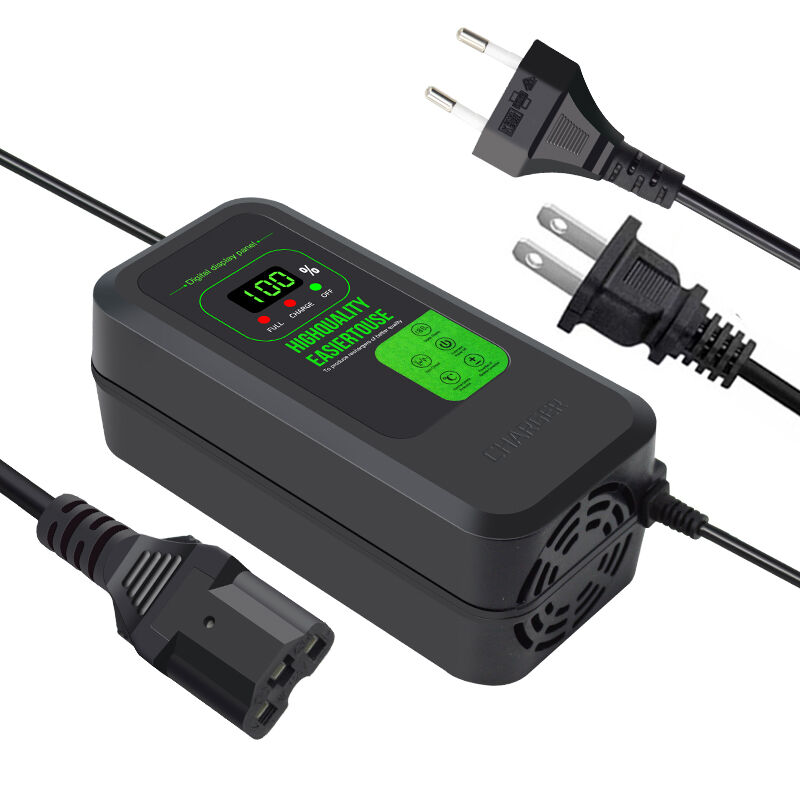
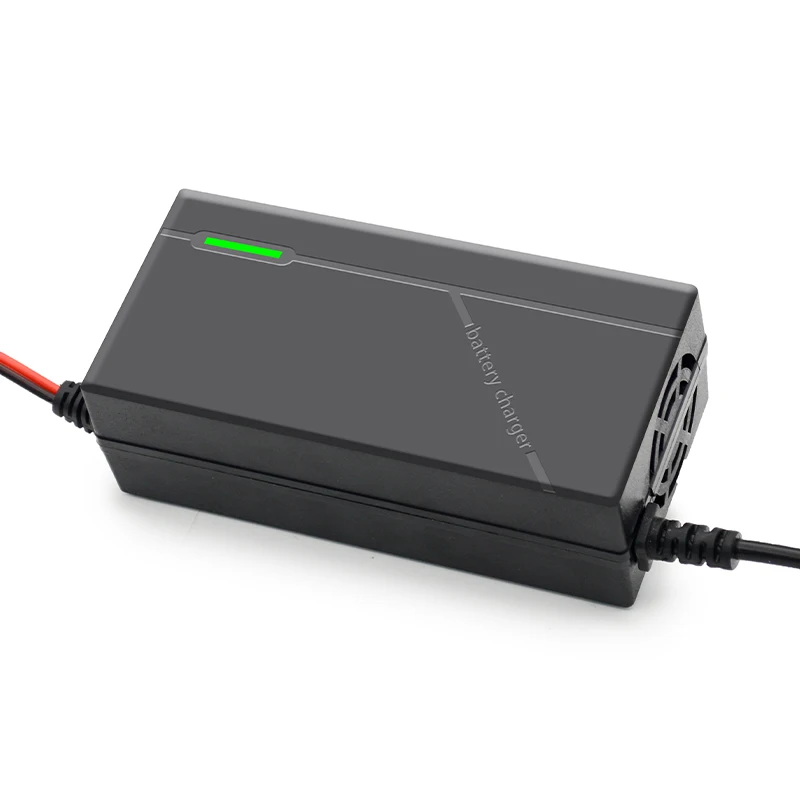
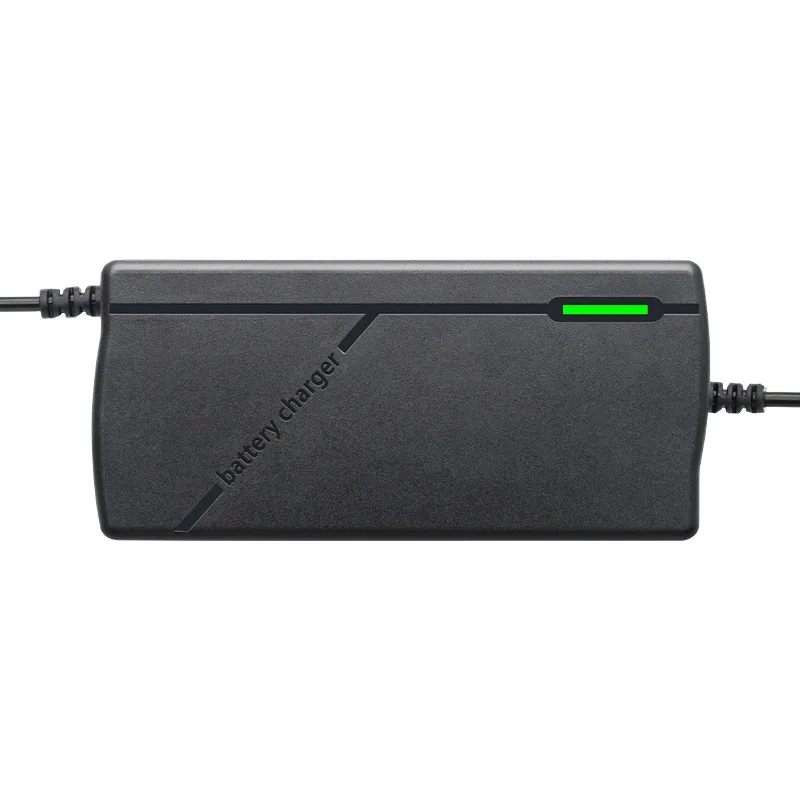
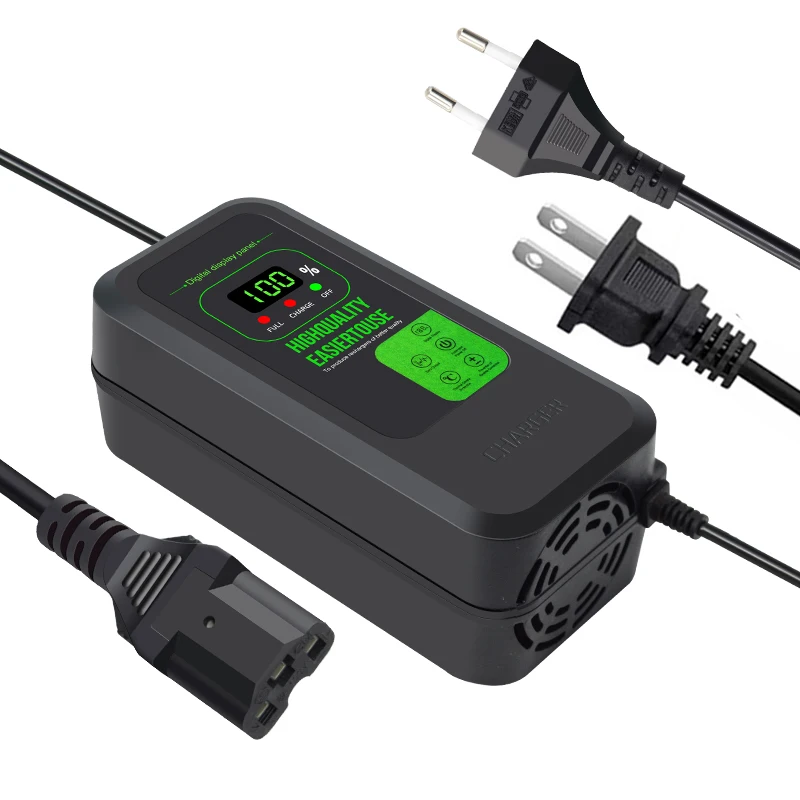
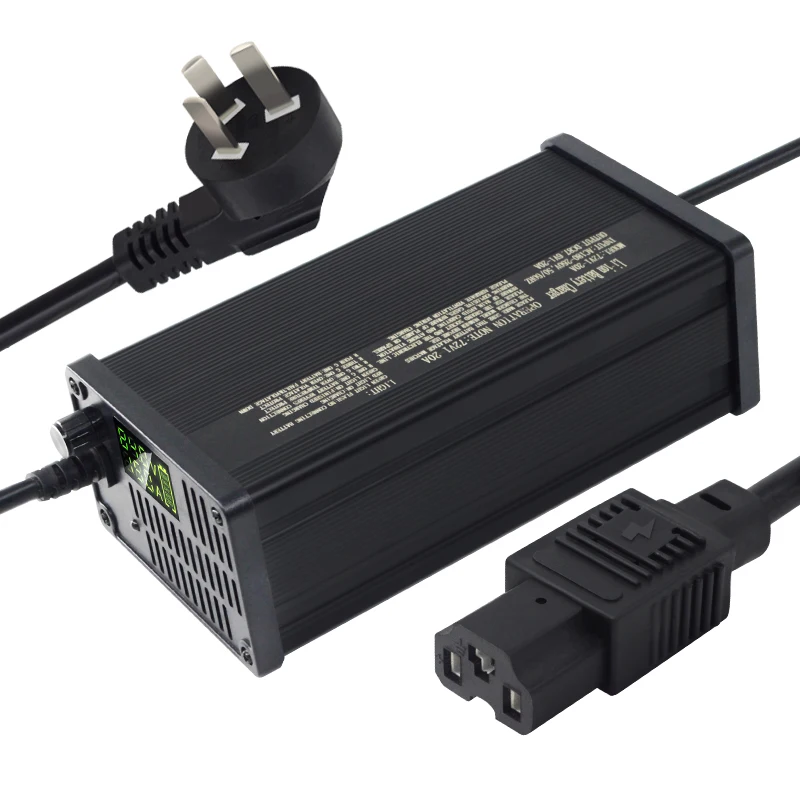
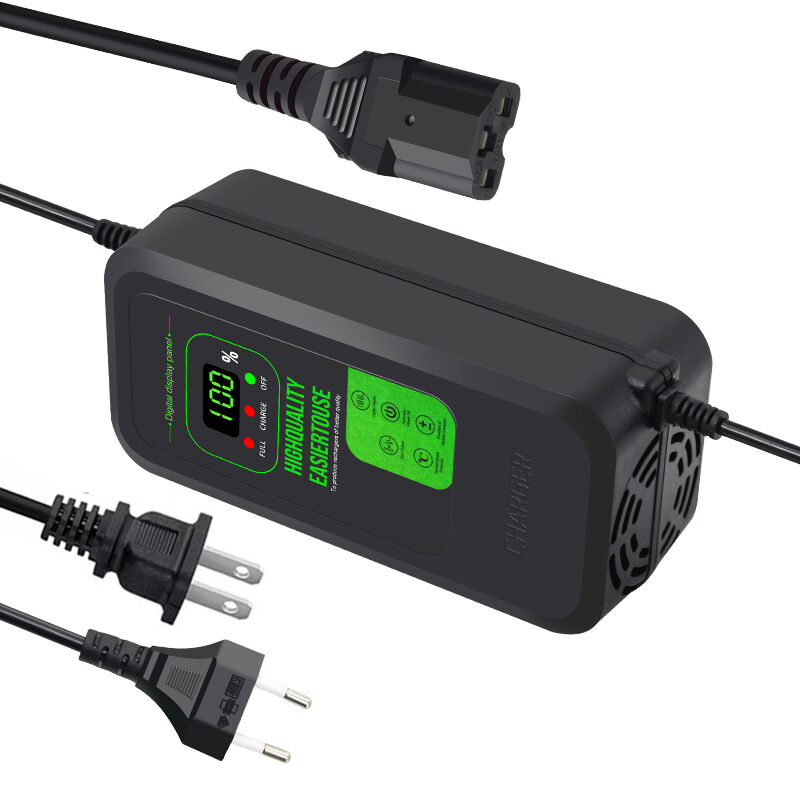
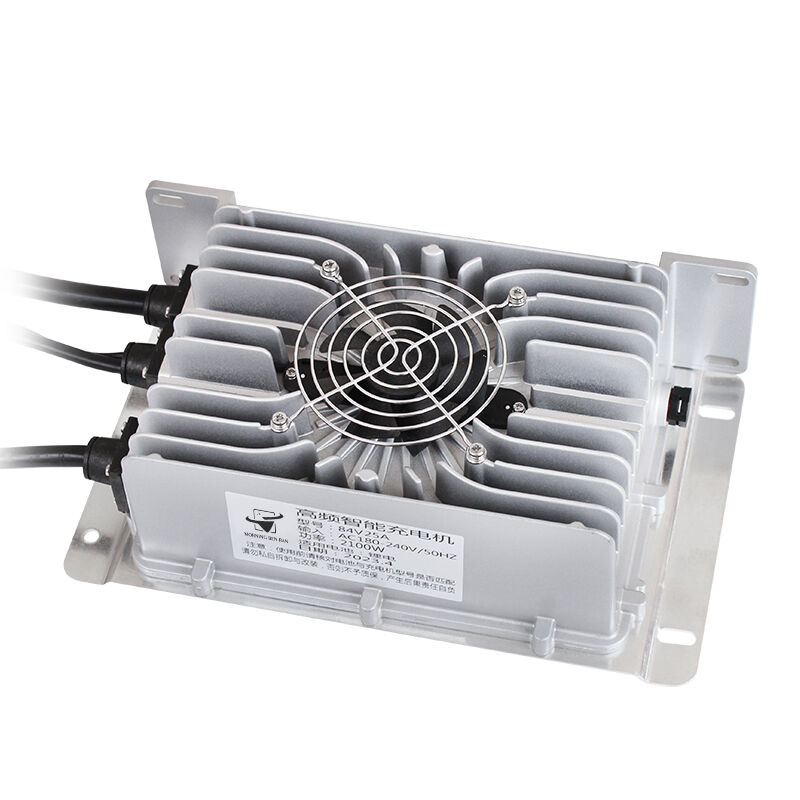
The 48v industrial battery charger represents a crucial component in modern industrial power management systems, designed to efficiently recharge and maintain 48-volt battery banks used across various commercial and industrial applications. This sophisticated charging solution combines advanced power electronics with intelligent control systems to deliver optimal charging performance while ensuring battery longevity and operational safety. The primary function of a 48v industrial battery charger involves converting alternating current from the electrical grid into precisely controlled direct current that matches the specific charging requirements of 48-volt battery systems. These chargers incorporate multi-stage charging algorithms that automatically adjust voltage and current levels throughout the charging cycle, ensuring batteries receive the exact power delivery needed for optimal performance. Technological features include microprocessor-based control systems that monitor battery voltage, current flow, and temperature conditions in real-time. Advanced models feature programmable charging profiles that can be customized for different battery chemistries, including lead-acid, AGM, gel, and lithium-ion configurations. Temperature compensation capabilities automatically adjust charging parameters based on ambient conditions, preventing overcharging in hot environments and ensuring adequate charging in cold conditions. Safety features encompass overvoltage protection, short-circuit detection, reverse polarity protection, and thermal monitoring systems. Many units include digital displays showing charging status, battery condition, and system diagnostics. Communication interfaces such as RS485, CAN bus, or Ethernet connectivity enable remote monitoring and integration with building management systems. Industrial applications span telecommunications infrastructure, emergency backup systems, material handling equipment, renewable energy storage, uninterruptible power supplies, and off-grid power systems. The 48v industrial battery charger proves essential in data centers, hospitals, manufacturing facilities, and remote communication sites where reliable backup power remains critical for continuous operations.

New Product Recommendations

The 48v industrial battery charger delivers substantial operational benefits that directly impact business efficiency and cost management. These charging systems maximize battery life through precision voltage regulation and intelligent charging algorithms, resulting in significantly reduced replacement costs over time. Users experience decreased maintenance requirements because the charger automatically manages charging cycles, eliminating manual monitoring and reducing labor expenses. Energy efficiency represents another major advantage, with modern units achieving conversion rates exceeding 90 percent, translating to lower electricity bills and reduced environmental impact. The charger provides consistent power delivery regardless of grid fluctuations, ensuring batteries maintain optimal charge levels even during voltage variations. This reliability becomes crucial for mission-critical applications where power interruptions could result in substantial financial losses or safety concerns. Installation flexibility allows these chargers to integrate seamlessly into existing electrical systems without requiring extensive modifications or specialized infrastructure. Compact designs enable mounting in space-constrained environments while maintaining full functionality and safety compliance. User-friendly interfaces simplify operation, allowing personnel to monitor charging status and adjust parameters without extensive technical training. Remote monitoring capabilities enable facility managers to track multiple charging systems from central locations, improving operational oversight and enabling proactive maintenance scheduling. Scalability options permit expansion of charging capacity as power requirements grow, protecting initial investments while accommodating future needs. Advanced diagnostic features identify potential issues before they cause system failures, reducing unplanned downtime and maintenance costs. Temperature compensation ensures optimal charging performance across varying environmental conditions, maintaining battery health in extreme temperatures. Multiple protection systems safeguard against electrical faults, preventing damage to connected equipment and ensuring personnel safety. These chargers support various battery types, providing flexibility for different applications and allowing standardization across diverse equipment fleets. Cost-effectiveness emerges through extended battery life, reduced maintenance requirements, and improved operational reliability, delivering strong return on investment for industrial users.

Tips And Tricks

Tianchang Chaochen Electronic Technology Co., LTD. : Showcasing strength at the Canton Fair and empowering global new energy cooperation

26

Nov

Tianchang Chaochen Electronic Technology Co., LTD. : Showcasing strength at the Canton Fair and empowering global new energy cooperation

View More
Empower growth and move forward hand in hand

13

Nov

Empower growth and move forward hand in hand

View More
Article: Company Team-building

13

Nov

Article: Company Team-building

View More

Get a Free Quote

Our representative will contact you soon.
Email
Name
Company Name
Message
0/1000

48v industrial battery charger

Advanced Multi-Stage Charging Technology

Advanced Multi-Stage Charging Technology

The sophisticated multi-stage charging technology integrated into the 48v industrial battery charger represents a significant advancement in battery management systems, delivering unprecedented precision in power delivery and battery care. This intelligent charging approach employs multiple distinct phases, each optimized for specific battery conditions and requirements throughout the charging cycle. During the initial bulk charging phase, the charger delivers maximum safe current to rapidly restore battery capacity, significantly reducing charging time compared to conventional single-stage systems. The absorption stage follows, where voltage remains constant while current gradually decreases, ensuring complete saturation of active battery materials without causing overcharge damage. The final float stage maintains batteries at optimal voltage levels for extended periods, preventing sulfation and maintaining readiness for immediate deployment. Advanced microprocessor control continuously monitors battery voltage, current draw, and temperature conditions, automatically adjusting charging parameters to match real-time battery needs. This dynamic response capability prevents common charging problems such as thermal runaway, electrolyte loss, and premature capacity degradation that plague simpler charging systems. Temperature compensation algorithms automatically modify voltage setpoints based on ambient conditions, ensuring optimal charging performance regardless of environmental variations. The system recognizes different battery chemistries and automatically selects appropriate charging profiles, eliminating guesswork and preventing damage from incorrect charging parameters. Equalization features periodically apply controlled overcharge to individual cells, maintaining uniform capacity across battery banks and preventing weaker cells from limiting overall system performance. Built-in diagnostics continuously assess charging efficiency and battery health, providing early warning of potential issues before they impact system reliability. This proactive approach enables scheduled maintenance and battery replacement, minimizing unexpected failures and associated costs. The charging technology incorporates power factor correction, reducing harmonic distortion and improving electrical efficiency while complying with utility power quality requirements. Soft-start capabilities prevent inrush current spikes that could damage sensitive electrical equipment or trip circuit protection devices during charging initiation.
Comprehensive Safety and Protection Systems

Comprehensive Safety and Protection Systems

The 48v industrial battery charger incorporates extensive safety and protection systems designed to safeguard personnel, equipment, and facilities while maintaining optimal charging performance under all operating conditions. Multiple layers of electrical protection work together to prevent damage from various fault conditions that could otherwise result in equipment failure, safety hazards, or operational disruptions. Overvoltage protection continuously monitors output voltage levels, immediately shutting down charging operations if voltage exceeds predetermined safe limits, preventing battery damage and potential thermal events. Short-circuit detection responds instantly to fault conditions, isolating the charger from the load and preventing damage to internal components or connected systems. Reverse polarity protection prevents damage when batteries are accidentally connected with incorrect polarity, a common installation error that could destroy conventional charging equipment. Ground fault detection identifies insulation failures or moisture intrusion that could create safety hazards, automatically disconnecting power and alerting operators to potentially dangerous conditions. Thermal monitoring systems track internal component temperatures, reducing output or shutting down operations if excessive heat threatens component reliability or safety. Current limiting features prevent excessive charging currents that could damage batteries or create fire hazards, even under fault conditions or with degraded batteries. Arc fault protection detects dangerous electrical arcing conditions that could ignite fires, particularly important in environments with combustible materials or gases. Input protection systems guard against utility power anomalies including surges, sags, and frequency variations that could damage sensitive electronic components. Battery disconnection detection prevents unsafe charging attempts when batteries are removed or connections become loose, eliminating potential sparking or overheating hazards. Enclosure integrity monitoring ensures proper ventilation and environmental protection, maintaining safe operating conditions for internal components. Emergency shutdown capabilities enable immediate system isolation through remote controls or manual switches, providing rapid response options during emergency situations. Comprehensive alarm systems provide visual and audible notifications of fault conditions, ensuring immediate awareness of problems requiring attention. Data logging capabilities record all protection events, enabling analysis of system performance and identification of recurring issues that might indicate underlying problems requiring corrective action.
Smart Monitoring and Connectivity Features

Smart Monitoring and Connectivity Features

The integrated smart monitoring and connectivity features of the 48v industrial battery charger transform traditional charging operations into intelligent, data-driven processes that optimize performance while reducing operational complexity and maintenance requirements. Real-time monitoring capabilities continuously track critical parameters including input voltage, output current, battery voltage, charging status, and system temperature, providing comprehensive visibility into charging operations. Digital displays present this information in user-friendly formats, enabling operators to quickly assess system status and identify any conditions requiring attention. Historical data logging captures performance trends over extended periods, enabling analysis of charging efficiency, battery health degradation, and system reliability patterns that inform maintenance scheduling and replacement planning. Remote connectivity options including Ethernet, RS485, and wireless interfaces enable integration with building management systems, SCADA networks, and cloud-based monitoring platforms for centralized oversight of distributed charging systems. Mobile applications provide convenient access to charging system data from smartphones and tablets, allowing facility managers to monitor multiple locations from anywhere with internet connectivity. Customizable alarm notifications deliver immediate alerts about fault conditions, maintenance requirements, or operational anomalies through email, text messages, or network protocols, ensuring rapid response to issues that could impact system reliability. Predictive maintenance algorithms analyze performance data to identify declining components before they fail, enabling proactive replacement scheduling that minimizes unplanned downtime and reduces maintenance costs. Battery health assessment features evaluate capacity, internal resistance, and charge acceptance characteristics, providing objective measures of battery condition that support replacement decisions and warranty claims. Energy monitoring capabilities track power consumption patterns, identifying opportunities for efficiency improvements and supporting energy management initiatives. Programmable charging schedules enable automated operation during off-peak utility periods, reducing electricity costs while ensuring batteries remain properly maintained. Integration with renewable energy systems allows coordination between solar panels, wind generators, and backup charging systems for optimized energy utilization. Configuration management features enable remote adjustment of charging parameters, eliminating the need for on-site visits to modify system settings for different applications or seasonal requirements. Comprehensive reporting tools generate detailed performance summaries, maintenance logs, and compliance documentation required for regulatory oversight or quality management systems.
Get a Free Quote

Our representative will contact you soon.
Email
Name
Company Name
Message
0/1000