Universal Compatibility and Smart Integration
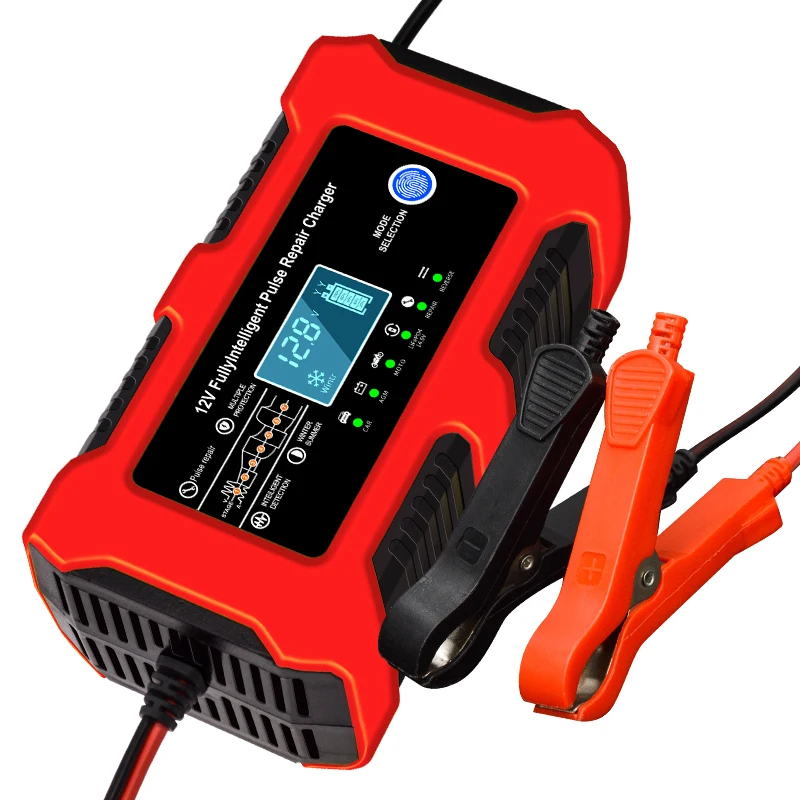
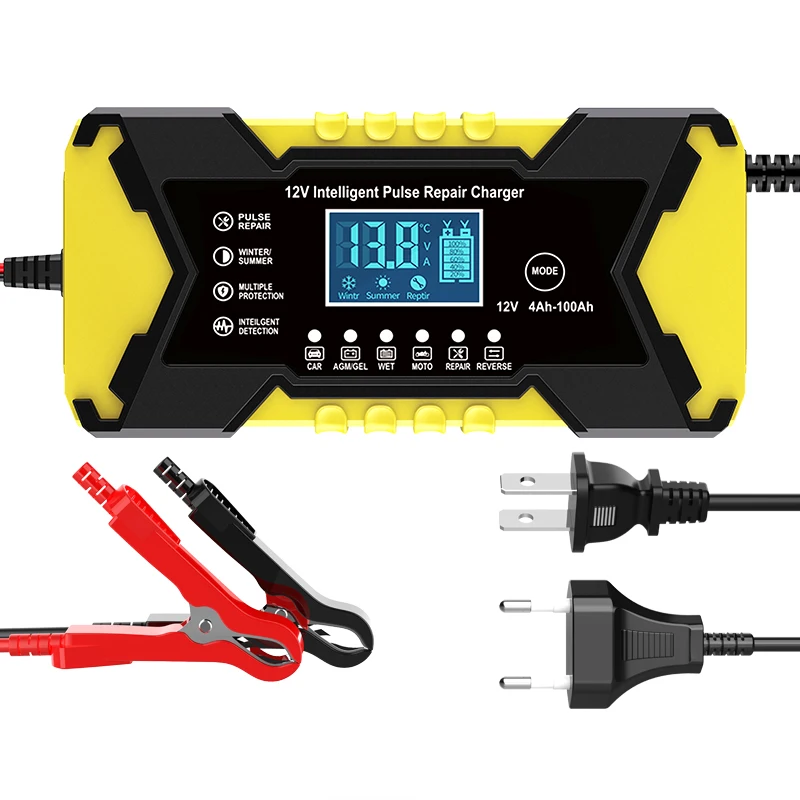
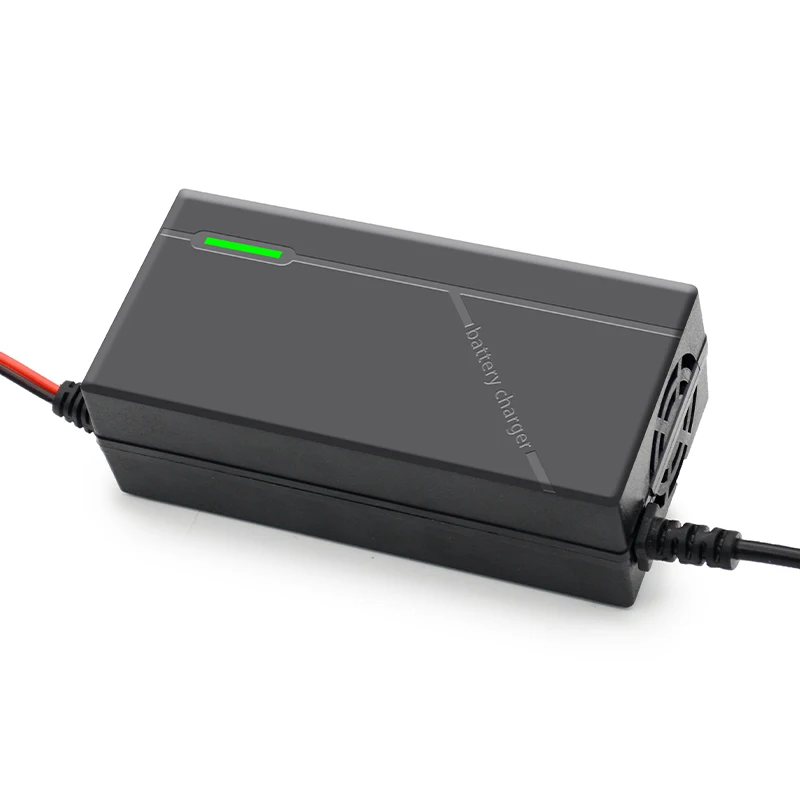
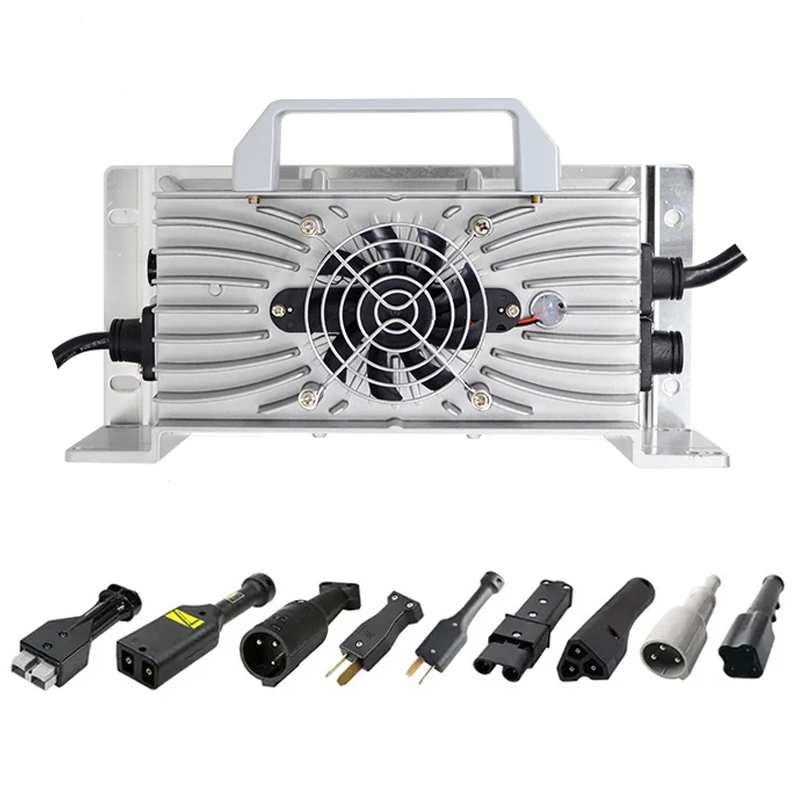
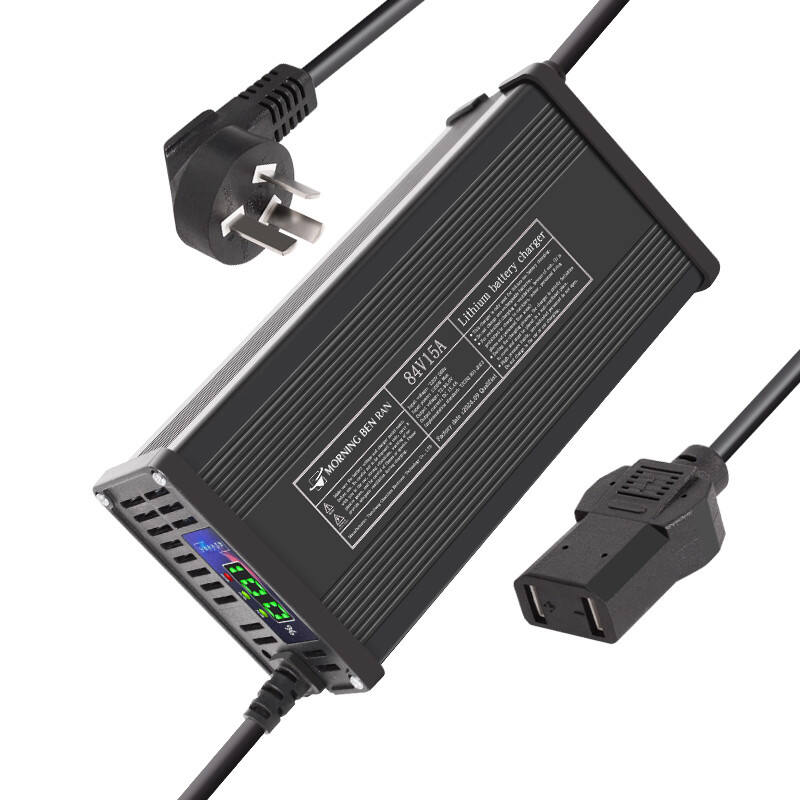
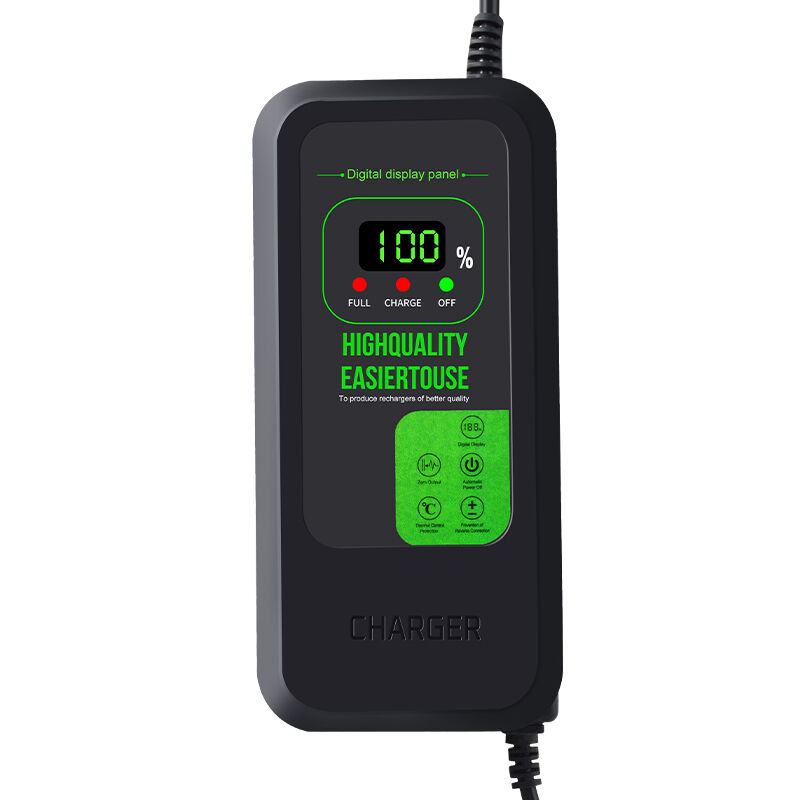
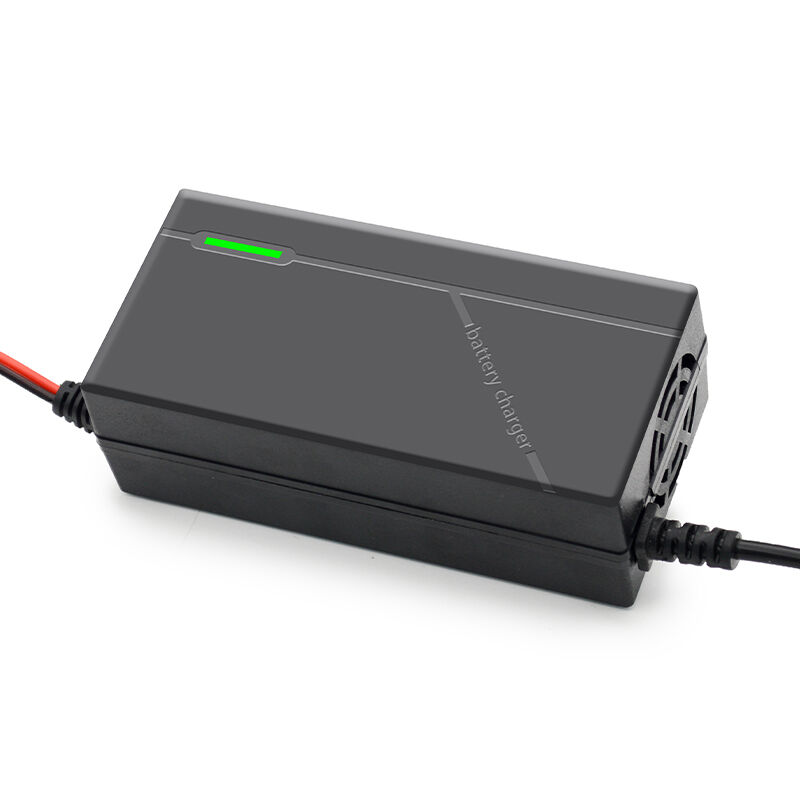
Modern 36 volt battery charger for electric bike units are engineered with universal compatibility features that accommodate diverse e-bike models, battery chemistries, and charging requirements across the rapidly expanding electric mobility market. Advanced microprocessor technology automatically detects connected battery types, including lithium-ion, lithium-phosphate, and sealed lead-acid configurations, adjusting charging protocols accordingly to ensure optimal performance regardless of the specific chemistry involved. This intelligent recognition capability eliminates the need for multiple specialized chargers, simplifying logistics for users who own multiple e-bikes or fleet operators managing diverse vehicle inventories. The 36 volt battery charger for electric bike supports various connector standards including Anderson Powerpole, XLR, and proprietary manufacturer connectors through interchangeable cable systems or adapter compatibility. Smart integration capabilities enable communication with advanced battery management systems, allowing the charger to access detailed battery information including cell voltages, temperature readings, charge cycles, and overall health status. This data exchange optimizes charging parameters for each specific battery pack, maximizing performance and longevity while providing users with valuable insights into battery condition and maintenance requirements. Universal input voltage compatibility spanning 100-240VAC ensures global operation without requiring voltage converters or specialized electrical infrastructure, making the 36 volt battery charger for electric bike ideal for international travel or relocation scenarios. Programmable charging profiles allow customization for specific applications, whether prioritizing fastest charging times for commercial use or gentle charging cycles for maximum battery preservation in recreational applications. Smartphone connectivity through Bluetooth or WiFi interfaces enables remote monitoring and control, allowing users to track charging progress, receive completion notifications, and access historical charging data through dedicated mobile applications. Future-ready design considerations include firmware update capabilities that allow manufacturers to add new features, improve compatibility with emerging battery technologies, and enhance performance through software updates, ensuring long-term value and adaptability as electric bike technology continues to evolve and advance.

 EN
EN