charging an electric bike battery
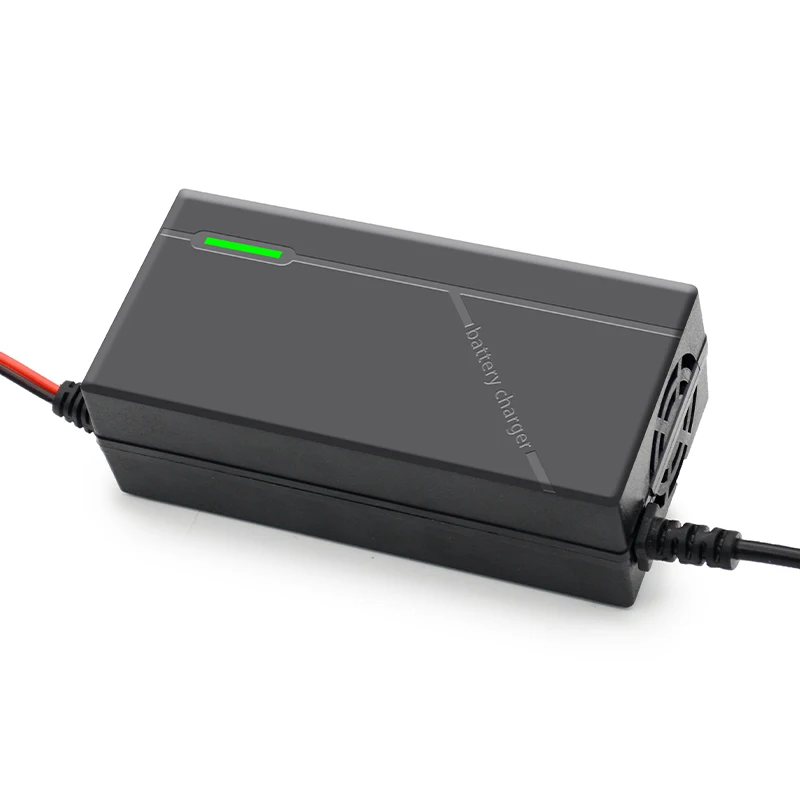
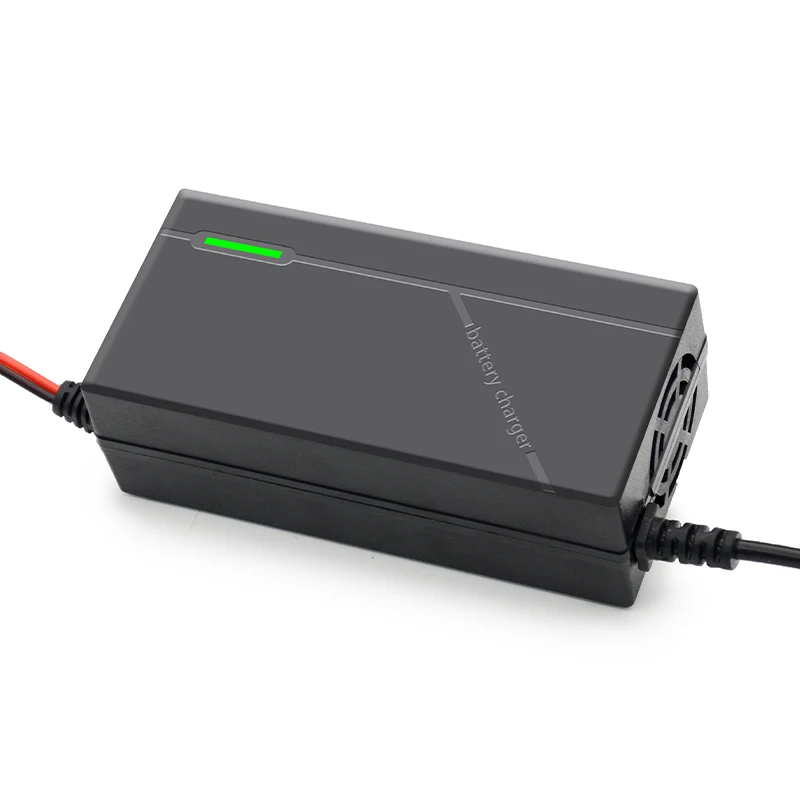
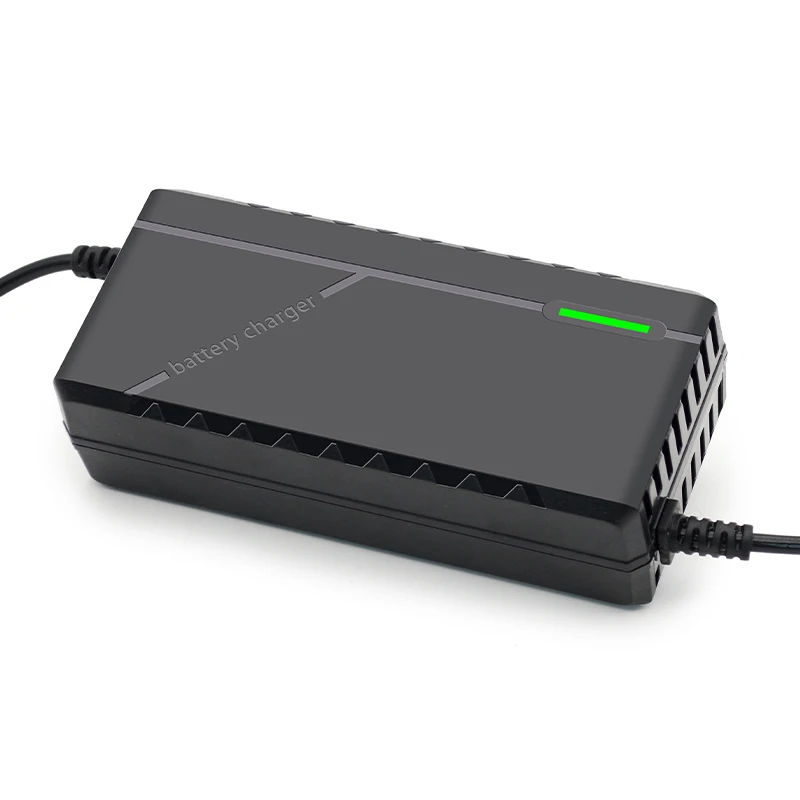
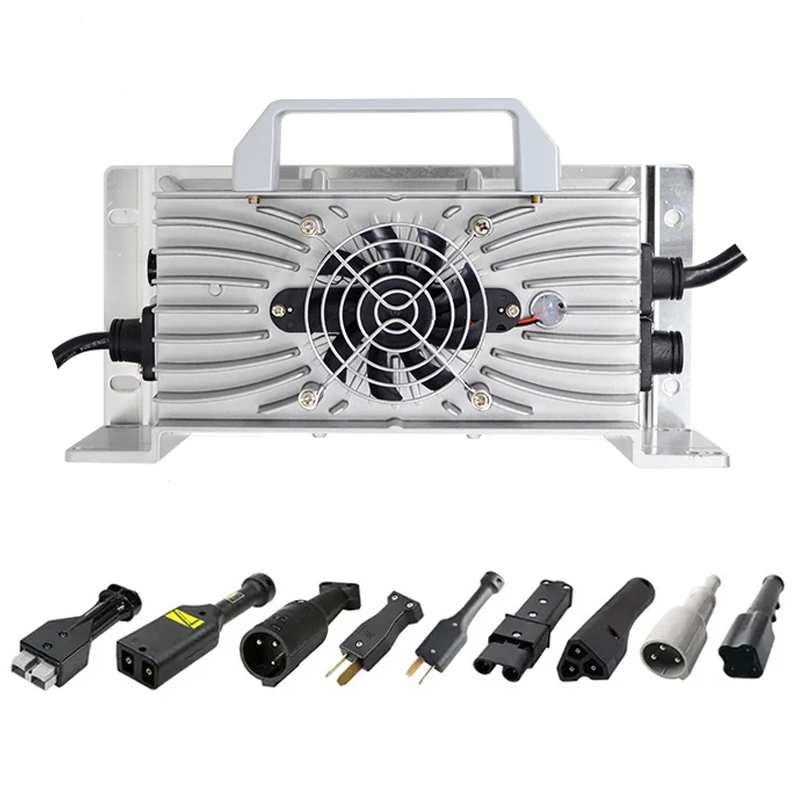
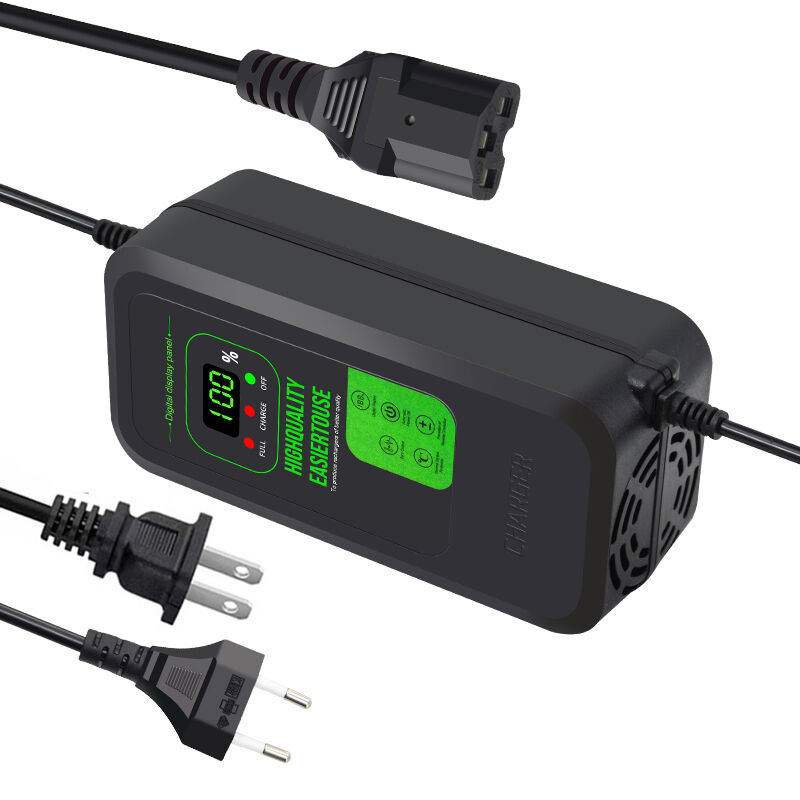
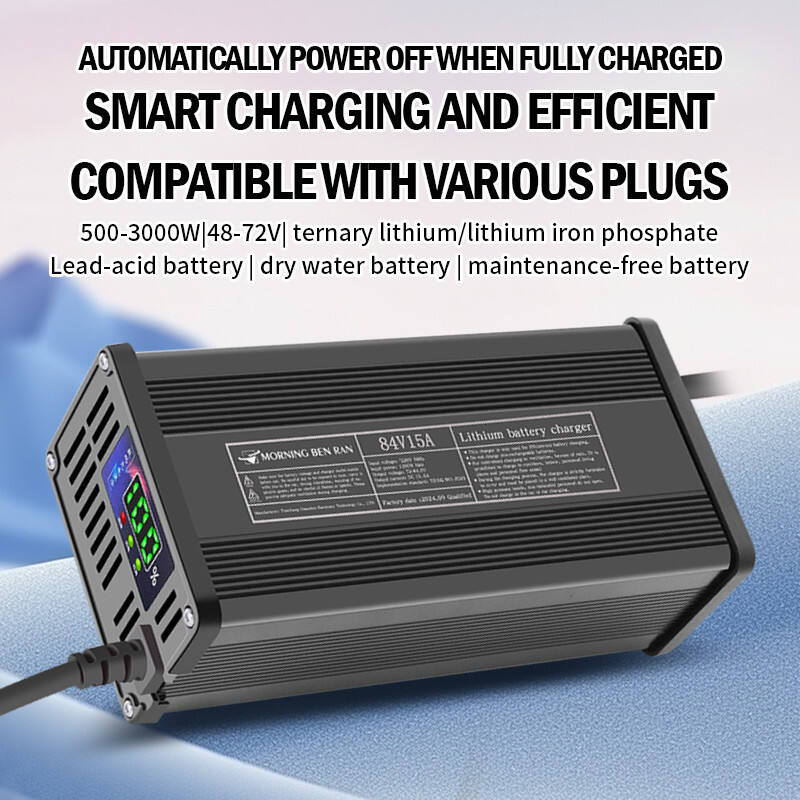
Charging an electric bike battery represents a fundamental aspect of modern electric mobility, combining sophisticated technology with practical convenience for everyday cyclists. The process involves transferring electrical energy from a power source to rechargeable lithium-ion cells, which store power to propel electric bicycles. Modern charging systems incorporate smart technology that monitors battery health, temperature, and voltage levels to ensure optimal performance and longevity. The main function centers on converting alternating current from wall outlets into direct current suitable for battery storage, while integrated safety mechanisms prevent overcharging and thermal damage. Technological features include automatic shut-off capabilities, LED indicators showing charge progress, and compatibility with various voltage systems ranging from 24V to 48V configurations. Advanced chargers utilize multi-stage charging protocols, beginning with constant current phases followed by constant voltage maintenance, ensuring batteries reach full capacity without degradation. Temperature compensation adjusts charging rates based on ambient conditions, while smart communication protocols allow chargers to interface with battery management systems for precise control. Applications span recreational cycling, commuter transportation, delivery services, and therapeutic mobility solutions. Professional cyclists rely on fast-charging capabilities for extended tours, while urban commuters appreciate overnight charging convenience. Commercial applications include bike-sharing programs and delivery fleet management, where efficient charging an electric bike battery directly impacts operational costs and service reliability. The technology supports various charging scenarios, from standard home outlets to specialized charging stations, providing flexibility for different user needs and environments.


 EN
EN