 EN
EN

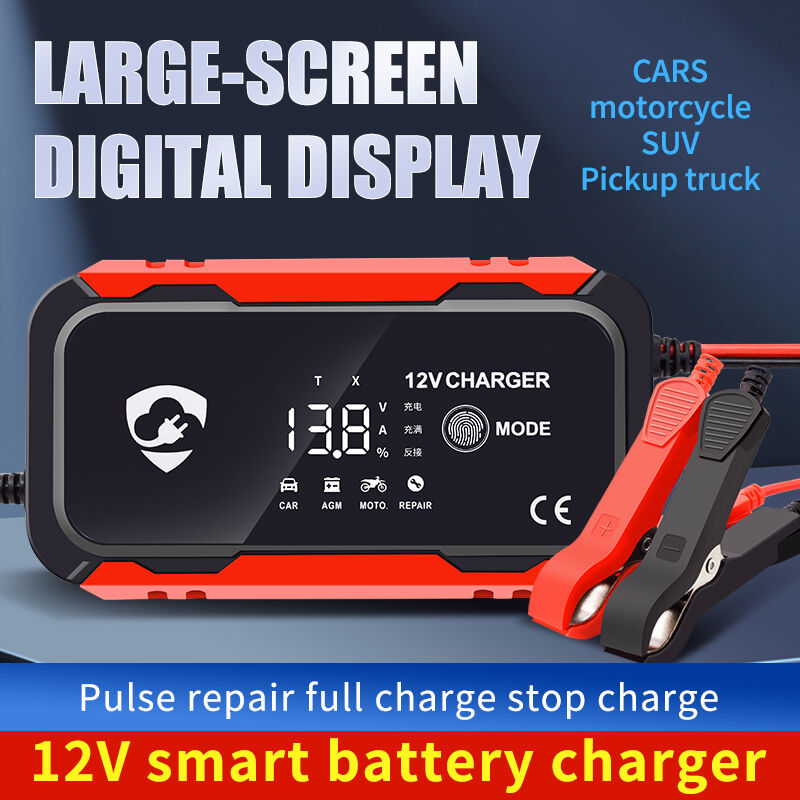
Kaasaegne autotööstuse tehnoloogia nõuab usaldusväärseid toitelahendusi, mis suudavad vastu pidada rasketele ekspluatatsioonitingimustele ning säilitada optimaalset jõudlust pikka aega. Laadimissüsteemide areng on toonud kaasa olulisi parannusi vastupidavuses, tõhususes ja eluigas. Tänapäeva edukad laadimislahendused põhinevad keerukatel inseneriprintsiipidel, mis kõrvaldavad tavaliselt esinevad rikekohad traditsioonilistes laadimisseadmetes. Kõrgklassiline 13 volti aku laadur tähistab selle tehnoloogilise arengu tippu, pakkudes täiustatud kaitsemeetmeid ja tugevat konstruktsiooni, mis tagab usaldusväärse töö tegutsemise erinevates rakendustes. Need laadurid on muutunud oluliseks tööriistaks autotööstuse professionaalidele, autofondide operaatoritele ja entusiastidele, kes vajavad usaldusväärseid toitehalduslahendusi. Kaasaegsete laadimissüsteemide vastupidavuse eelised ulatuvad kaugemale lihtsast pikkameelsest kasutusvõimalusest, hõlmates parandatud ohutusfunktsioone, täiustatud soojusjuhtimist ja ülimat elektrilist kaitset, mis kaitseb nii laadurit kui ka ühendatud akusid.
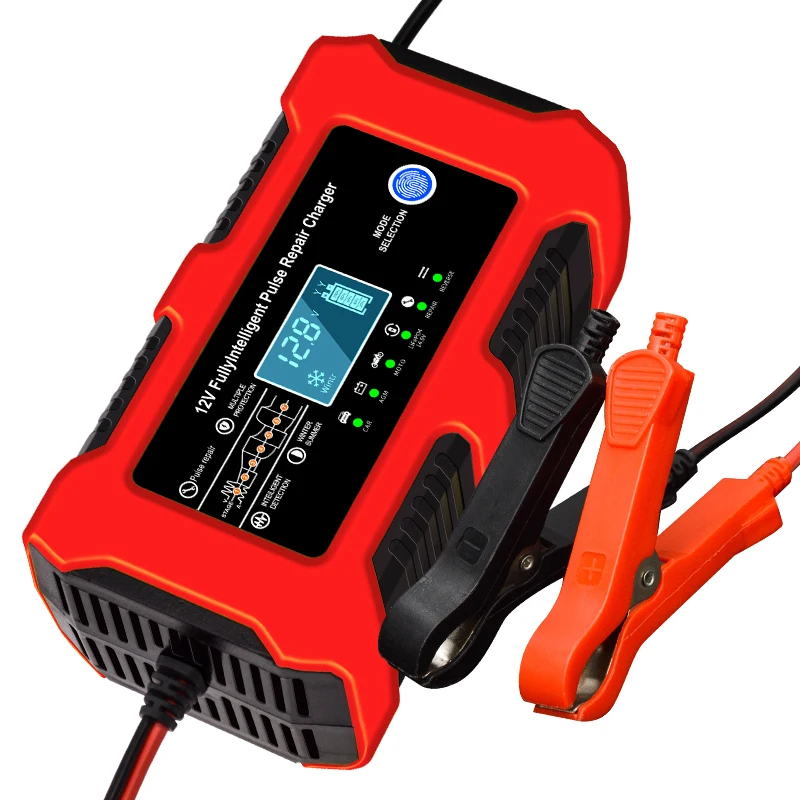
Täiustatud ehitusmaterjalid ja disainipõhimõtted
Tugevdatud korpused ja keskkonnakaitse
Kaasaegsed akulaadurid kasutavad täiustatud polümeerühendeid ja metallisulameid, mis pakuvad ületäielikku vastupanu keskkonnateguritele. Korpuse materjalid läbivad rangeid katseid, et tagada kaitse niiskuse, tolmu ja temperatuurikõikumiste eest, mis põhjustavad tavaliselt elektroonikaseadmete varajast väljapääsu. Tööstusliku klassiga polükarbonaadi korpused pakuvad erakordset löögi- ja mõjukindlust, säilitades samas kergkaalulisuse, mis on oluline mobiilsete rakenduste jaoks. Hermeetiline konstruktsioon takistab saasteainete sissepääsu, mis võiks kahjustada sisemisi komponente, ning pikendab seadme tööelu oluliselt võrreldes tavapäraste disainidega. Strateegiliselt kavandatud ventilatsioonisüsteemid, mida on kaasaegsetesse laadurikorpustesse integreeritud, tagavad optimaalse soojusjuhtimise ilma keskkonnakaitse taseme langemiseta.
Ergonoomilised disainiüleseid kaasaegsetes laadimisseadmetes ulatuvad kasutajale mõistlikkusest kaugemale, et suurendada vastupidavust vähendatud käsitluskoormuse ja parandatud kaablihalduse kaudu. Tugevdatud ühenduspunktid kõrvaldavad tavalised rikepõhjused, mis on seotud korduvate pistikute sisse- ja väljatõmbamisega. Pingelevandusmehhanismide integreerimine kriitilistes ühenduspunktides takistab kaablite kahjustumist, mis sageli esineb intensiivses kasutuses. Need disainiparandused panustavad kokku suurendatud usaldusväärsusse ja vähendatud hooldusvajadusse kogu laadimisseadme tööeluea jooksul.
Sisukomponentide kvaliteet ja kaitse süsteemid
Kõrgklassilised elektroonikakomponendid moodustavad vastupidavate aku laadimissüsteemide aluse, kus tootjad valivad komponendid, millel on kindlaks määratud pikk kasutusiga nõudlikkates tingimustes. Esiklassilised kondensaatorid, induktiivid ja pooljuhtseadmed läbivad ulatuslikke kvaliteedikontrolli protsesse, et tagada nende järjepidev töötuhandete laadimistsüklite jooksul. Elektroonikaplaatidele kohaldatav konformne kattekiht pakub täiendavat kaitset niiskuse ja keemiliste ainete eest, mis võiksid aeglaselt komponentide tööd halvendada. Täiustatud filtritahvlid eemaldavad elektrilise müra ja ülekäigupingeid, mis põhjustavad komponentidele koormust ja kiirendatud vananemist.
Kaasaegsetes laadimisseadmetes kasutatavad soojusjuhtimissüsteemid sisaldavad mitmeid kaitsekihte, mis takistavad ülekuumenemise tekkimist tundlikel komponentidel. Aktiivsed jahutusmehhanismid ja passiivsed soojuslahutuselemendid töötavad koos, et säilitada optimaalsed töötemperatuurid ka pikaajaliste laadimisprotsesside ajal. Temperatuuri jälgimisahelad hindavad pidevalt sisemisi tingimusi ja rakendavad kaitsemeetmeid, kui lähenetakse soojuspiiranguid. Need täiustatud soojusjuhtimislahendused pikendavad oluliselt komponentide eluiga, säilitades samas laadimise efektiivsuse ja ohutusnõuded.
Täiustatud elektriline kaitse ja ohutusfunktsioonid
Mitmetasandilised ülepingekaitse süsteemid
Kaasaegsete akulaadijate täiustatud ülepingekaitseahelad pakuvad igakülgset kaitset laadimisseadmeid tavaliselt kahjustavate elektriliste siirdevoolude eest. Mitmed kaitseastmed püüavad kinni ja hajutavad kahjulikke pingeimpulsse enne, kui need jõuavad tundlike sisemiste komponentideni. Gaaslahendustorud, metalloksiidvariistorid ja siirdepinge summutid töötavad koos, et tulla toime erinevat tüüpi elektriliste häiretega. Neid kaitsesüsteeme jälgitakse pidevalt, et tagada optimaalne reageerimisaeg ja tõhusad summutusomadused kogu laadija tööea jooksul.
Galvaanilise isoleerimise rakendamine kaasaegsetes laadimissüsteemides pakub täiendavat kaitset maandusahelate ja elektrikahjustuste eest, mis võivad kahjustada nii laadijat kui ka akusüsteeme. Isolatsioontransformaatorid ja optokuplitorid loovad elektrilisi barjääre, mis takistavad ohtlike voolude jõudmist kriitilistesse komponentidesse. See isolatsioonitehnoloogia suurendab oluliselt ohutust ning aitab kaasa suuremale vastupidavusele, kuna see elimineerib potentsiaalsed kahjustuste teed. Tugevad isolatsioonsüsteemid säilitavad oma kaitseomadused pikema aegaga, tagades seega pideva kaitse kogu laadija kasutusaja jooksul.
Targad Jälgimis- ja Diagnostikavõimalused
Tänapäevaste laadimisseadmete sisseehitatud nutikad jälgimissüsteemid hindavad pidevalt toimimisparameetreid ja rakendavad kaitsemeetmeid, kui tuvastatakse ebatavalisi tingimusi. Mikroprotsessori juhitavad jälgimisahelad jälgivad pinget, voolu, temperatuuri ja ajastusparameetreid väga täpselt. Need süsteemid suudavad tuvastada arenevaid probleeme enne, kui need põhjustavad komponentide kahjustumist, ning pikendavad seega prognoosiva hoolduse võimaluste abil kogu süsteemi eluiga. Reaalajas diagnostika võimaldab kasutajatel potentsiaalseid probleeme ennetavalt lahendada, mitte oodata katastrooflikke ebaõnnestumisi.
Tänapäevaste laadimisseadmete keerukad juhtimisalgoritmid kohandavad laadimisparameetreid akutüübi ja keskkonnatingimuste põhjal. See kohanduv lähenemine vähendab koormust nii laadimisseadme kui ka aku komponentidel, suurendades seega kogu laadimissüsteemi vastupidavust. Tark laadimise lõpetamine takistab ülelaadimist, mis võib põhjustada sisemiste komponentide kahjustumist liialdatud soojuse teket või keemiliste reaktsioonide tõttu. Need targad funktsioonid töötavad pidevalt, et optimeerida toimivust ning kaitsta seadmeid tingimuste eest, mis tavaliselt vähendavad varustuse kasutusiga.
Soojusjuhtimine ja soojuse lagunemise tehnoloogiad
Edasijõudnud soojussummuti disain ja materjalid
Kaasaegsed akulaadurid sisaldavad keerukaid soojuslahutussüsteeme, mis haldavad tõhusalt kõrgvooluliste laadimisoperatsioonide ajal tekkivaid soojuskoormusi. Optimeeritud soonde geomeetriaga alumiiniumprofiliidid maksimeerivad pindala soojusülekande tõhusaks tagamiseks ümbritsevasse õhku. Soojuse tekitavate komponentide strateegiline paigutus soojusjuhtimise aluspindadele tagab tõhusa soojusjuhtimise tundlikkudest piirkondadest eemale. Edasijõudnud soojuspiirpinnamaterjalid vähendavad soojusülekandetakistust komponentide ja soojuslahutite vahel, parandades nii üldist jahutustõhusust kui ka komponentide eluiga.
Kõrgtehniliste laadimisseadmete aktiivsete jahutusmehhanismide integreerimine tagab täiustatud soojusjuhtimisvõimalused nõudlikutele rakendustele. Muutuva kiirusega jahutusventilaatorid reageerivad dünaamiliselt soojustingimustele, suurendades vajaduse korral õhuvoolu, samas kui tavapärasel töörežiimil vähendatakse müra ja võimsustarvet. Temperatuuri kontrollitud ventilaatorsüsteemid tagavad optimaalse jahutustõhususe ning pikendavad ventilaatorite eluiga, vähendades nende tööaegu. Need aktiivsed jahutussüsteemid töötavad koos passiivsete soojuslahutuskomponentidega, et säilitada ohutud töötemperatuurid kõigis tingimustes.
Temperatuuri jälgimise ja reguleerimise süsteemid
Täpsete temperatuurisensorite paigutamine strateegilistesse kohtadesse kaasaegsetes laadimisseadmetes võimaldab põhjalikku soojusseiret, mis kaitseb ülekuumenemise tekkida. Mitme sensori asukoht võimaldab täpset soojustingimuste hindamist kriitilistes piirkondades, lubades sihipäraseid jahutuslahendusi. Soojusliku seiskumisahela integreerimine tagab lõpliku kaitse liialt kõrgete temperatuuride eest, mis võiksid sisemisi komponente kahjustada. Need turvalisussüsteemid aktiveeruvad automaatselt, kui soojuspiirid on ligi, takistades kahju teket ning võimaldades tavapärase töö taastumise, kui temperatuurid naasevad lubatavatesse vahemikku.
Tänapäevaste laadimisseadmete täiustatud soojusmudelid põhinevad operatsiooniparameetritel ja keskkonnatingimustel ning ennustavad soojuskäitumist. Need ennustavad süsteemid võimaldavad ennetavat soojusjuhtimist, mis takistab ülekuumenemist enne selle tekkimist. Täiustatud soojusjuhtimissüsteemid optimeerivad laadimisparameetreid soojageneratsiooni miinimumini hoidmiseks, säilitades samas tõhusa laadimisjõudluse. See nutikas soojusjuhtimine annab olulise panuse komponentide usaldusväärsuse parandamisse ja kasutusiga pikenemisse.
Üleminekukaitse ja veateade
Ülekorrent- ja ülepingekaitse mehhanismid
Kaasaegsed akulaadurid kasutavad täielikke kaitse süsteeme, mis kaitsevad elektrikahjustuste eest, mille tõttu tekib tavaliselt seadmete kahjustumine. Kiirete toimimisega voolu piirlemisahelad takistavad liialt suurt voolu voolamist, mis võiks kahjustada sisemisi komponente või ühendatud akusid. Täpsed pinge jälgimissüsteemid tuvastavad ülepinge olukorrad ja rakendavad kaitsemeetmeid viga tuvastades mikrosekundites. Need kaitse süsteemid kasutavad mitmeid üleliitumatuid elemente, et tagada usaldusväärne töö isegi siis, kui üksikud kaitsekomponendid lähevad katki.
Elektrooniliste sulgurite ja voolusensorite rakendamine võimaldab täpset juhtimist rikkekaitsereaktsioonide üle ning kaob vajadus traditsiooneliste sulgurisüsteemide hooldamise järele. Programmeeritavad kaitsepiirid võimaldavad optimeerida süsteemi konkreetsete aku tüüpide ja laadimisrakenduste jaoks. Kaasaegsetes kaitse süsteemides olevad taastumismehhanismid võimaldavad automaatselt naasta tavapärasele töörežiimile pärast rikke tingimuste kõrvaldamist. See nutikas rikkehaldus vähendab seiskumisaja pikkust, samal ajal kui tagatakse täielik kaitse kahjulike elektriliste tingimuste eest.
Lühise ja pööratud polaarsuse kaitse
Tänapäevaste laadimisseadmete keerukad lühisekaitse süsteemid reageerivad kohe potentsiaalselt kahjulikele rikkeolukordadele. Kõrgkiiruslikud tuvastusahelad tuvastavad lühise olukorrad mikrosekundites ja rakendavad kaitsemeetmeid enne olulise voolu teket. Voolu piiravate elementide integreerimine takistab nii laadimisseadme kui ka akusüsteemi kahjustumist lühise ajal. Need kaitse süsteemid lähtuvad automaatselt uuesti, kui rikkeolukord on kõrvaldatud, võimaldades jätkata tööd ilma käsilise sekkumiseta.
Pööratud polaarsuse kaitseahelad takistavad kahjustusi, mis tekivad tavaliselt siis, kui aku ühendused tehakse valesti pööratult. Dioodipõhised ja elektroonilise lülitusega kaitse süsteemid takistavad pööratud voolusuuna voolu läbimist, säilitades samas madala sirgvoolu pingelangu, et tagada tõhus töö. Visuaalsed ja helilised näitajad teavitavad kasutajaid pööratud polaarsuse olukorrast, takistades potentsiaalseid kahjustusi kasutaja hariduse abil. Tugevad pööratud polaarsuse kaitse süsteemid säilitavad oma kaitseomadusi laadija tööelu jooksul täielikult, tagades pideva kaitse selle tavalise vea vastu.
Laiendatud tööiga ja usaldusväärsuse funktsioonid
Komponentide valik ja kvaliteedi tagamine
Premiumtasemel aku laadimisseadmete tootjad rakendavad rangeid komponentide valikuprotsessi, mis seab eesmärgiks pika eluea ja usaldusväärsuse mitte nii palju kui kulutegurid. Sõjalise klassi komponendid ja autotööstusele kvalifitseeritud elektroonikakomponendid läbivad laiaulatuslikke teste, et tagada nende töövõime äärmistes tingimustes. Komponentide valik, millel on kasutuspiirangute ületavad degrandeerimistegurid, tagab suurema usaldusväärsuse varu, mis aitab kaasa pikendatud kasutusajale. Kvaliteedikindlustusprogrammid hõlmavad põletuskatseid ja kiirendatud vananemise protokolle, mis tuvastavad potentsiaalsed usaldusväärsuse probleemid enne tooted toode jõuab lõppkasutajateni.
Üleliialiste kaitseahelate ja varusüsteemide rakendamine tagab suurendatud usaldusväärsuse, mis takistab ühe punkti (single-point) valede tekkimist, mis võiksid kogu laadimissüsteemi välja lülitada. Kriitilised kaitsefunktsioonid kasutavad mitmeid sõltumatuid ahelaid, mis säilitavad kaitsevõime isegi siis, kui üksikud komponendid lähevad katki. See üleliialine disainifilosofia parandab oluliselt kogu süsteemi usaldusväärsust ning tagab suuremad turvalisusmarginaalid. Tänapäevaste laadijate konstruktsiooni on integreeritud keerukad usaldusväärsuse inseneriprindiipsed, mille tulemusena on keskmine aeg rikeste vahel palju kõrgem kui tavapärase laadimise seadmete puhul.
Hooldusvaba töö ja enesediagnostika
Kaasaegsed akulaadurid sisaldavad enesediagnostika võimalusi, mis jälgivad pidevalt süsteemi tervislikkust ja tuvastavad potentsiaalsed hooldusvajadused enne, kui need muutuvad kriitilisteks probleemideks. Automaatsed diagnostikaprotseduurid hindavad komponentide tööd ja tuvastavad degradatsiooni suundumusi, mis võivad viidata tekkelevasse probleemi. Need diagnostikasüsteemid annavad varhase hoiatuse potentsiaalsete rikeste kohta samal ajal, kui laadur jätkab tavapärast tööd. Seisundi jälgimisvõimaluste integreerimine võimaldab ennustavat hooldusstrateegiat, mis maksimeerib töökindlust ning vähendab ootamatut seiskumist.
Hooldusvaba disainifilosoofia kaasaegsetes laadimisseadmetes eemaldab kasutaja poolt hooldatavad komponendid, mida traditsiooniliselt tuli perioodiliselt kontrollida. Hermeetiline konstruktsioon takistab sisemiste komponentide saastumist ning teeb ülevalpidamise ja inspektsiooni protseduurid üleliialiseks. Täiustatud komponentide valik tagab, et kriitilised elemendid säilitavad oma tööomadusi pikema aegajaga kasutamise jooksul ilma degradatsioonita. See hooldusvaba lähenemisviis vähendab oluliselt kogu omamiskulu, samal ajal tagades pideva toimivuse laadimisseadme kogu kasutusaja jooksul. Kvaliteet 13 volti aku laadimisseade ilmutab neid täiustatud disainiprintsiipe oma tugeva konstruktsiooni ja intelligentsete tööomadustega.
KKK
Miks on kaasaegsed aku laadimisseadmed vastupidavamad kui vanemad mudelid
Kaasaegsed akulaadurid kasutavad tänu edukatele materjalidele, keerukatele kaitseahelatele ja nutikatele jälgimissüsteemidele oluliselt suuremat vastupidavust võrreldes traditsiooniliste disainidega. Tööstusliku klassi komponentide kasutamine, parandatud soojusjuhtimine ja põhjalikud elektrilised kaitse süsteemid takistavad tavalisi rikeid, mis mõjutavad vanemaid laadurite seadmeid. Kaasaegsed laadurid on lisaks hooldusvabad ja omavad iseagnostika funktsioone, mis tuvastavad potentsiaalsed probleemid enne, kui need põhjustavad süsteemi katkestumisi. Need tehnoloogilised saavutused viivad oluliselt pikendatud tööiga ja parandatud usaldusväärsusse nõudvates tingimustes.
Kuidas soojusjuhtimise süsteemid aitavad kaasa laaduri eluea pikenemisele
Tõhus soojusjuhtimine on oluline komponentide eluea pärast laadimissüsteemides, kuna liigne soojus on elektroonikakomponentide degradatsiooni peamine põhjus. Kaasaegsed laadurid kasutavad täiustatud soojuslahutite kujundusi, aktiivseid jahutussüsteeme ja temperatuuri jälgimisega ahelaid, mis säilitavad optimaalsed töötemperatuurid. Täpsemad soojusjuhtimise algoritmid kohandavad laadimisparameetreid soojuse tekkimise vähendamiseks, säilitades samas tõhususe. Need soojusjuhtimise süsteemid takistavad ülekuumenemise põhjustatud kahju ja pikendavad oluliselt komponentide eluiga, suurendades seega kogu laaduri vastupidavust ja usaldusväärsust.
Millised kaitsefunktsioonid takistavad laadimisseadmete kahjustumist
Kaasaegsed aku laadimisseadmed sisaldavad mitmeid kaitsekihte, sealhulgas ülekorralise voolu, ülekorralise pinge, lühikest lülitust ja pööratud polaarsuse kaitset. Ülekoormuskaitse süsteemid kaitsevad elektriliste transientide eest, samas kui galvaaniline isoleerimine takistab maaringi kahjustusi. Temperatuuri jälgimine ja soojuslik seiskumisahel kaitsevad ülekuumenemise eest. Need täielikud kaitse süsteemid töötavad koos, et vältida kahjustusi elektrikahjustuste, keskkonnatingimuste ja kasutajate vigade tõttu, mis mõjutavad tavaliselt laadimisseadmeid.
Miks on komponentide kvaliteet oluline aku laadimisseadmete vastupidavuses
Kõrgkvaliteedilised komponendid moodustavad vastupidavate aku laadimissüsteemide aluse, kuna esiklassilised elektroonikakomponendid on loodud pikaajaliseks toimimiseks koormusel ja keskkonnatingimustes. Sõjaväe- ja autotööstuses kasutatavad komponendid läbivad rangeid testimis- ja kvaliteedikontrolli protsesse, mis tagavad stabiilse toimimise tuhandete laadimistsüklite jooksul. Komponentide valik sobivate derating-tegurite ja usaldusväärsuse marginaalidega takistab vara katkemisi ja pikendab tööelu. Kvaliteetsete komponentide toimimisomadused säilivad ka pikaajalisel kasutamisel, tagades seega stabiilse laadimistoimimise ja süsteemi usaldusväärsuse.