 EN

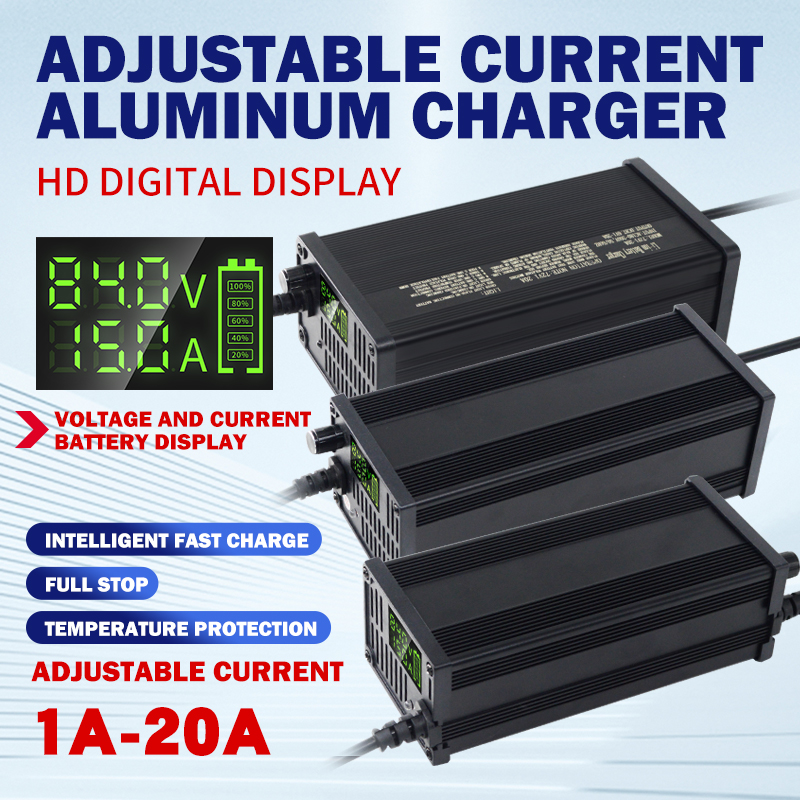
An adjustable battery charger represents a significant advancement in power management technology, offering professionals and businesses the flexibility needed to handle diverse charging requirements efficiently. Unlike fixed-output chargers that lock you into one specific voltage or amperage setting, an adjustable battery charger adapts to your equipment's actual needs, delivering optimal performance across multiple applications. This versatility translates directly into extended battery lifespan, reduced downtime, and measurable cost savings for industries ranging from manufacturing and logistics to renewable energy and automotive services.
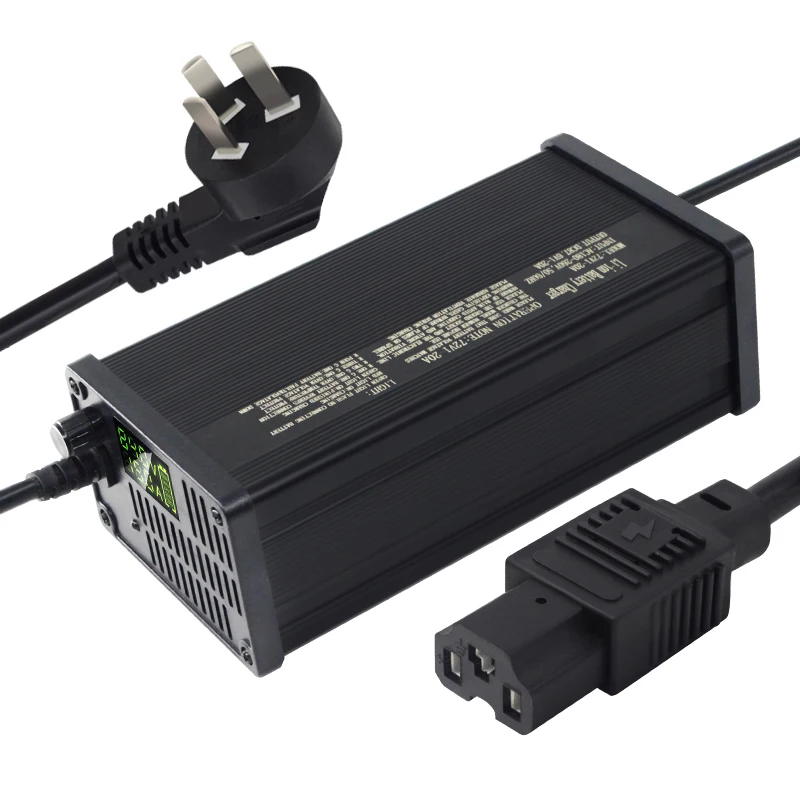
Selecting an adjustable battery charger is not simply a purchasing decision—it is an investment in operational reliability and long-term efficiency. Modern facilities depend on consistent power delivery, and the right charging solution ensures your batteries maintain peak performance while protecting sensitive electronic components from overcharging or voltage fluctuations. Understanding why an adjustable battery charger outperforms single-setting alternatives empowers you to make informed choices aligned with your facility's specific operational demands and growth trajectory.
Flexibility Across Multiple Battery Types and Voltages
Adapting to Diverse Charging Specifications
One of the primary advantages of choosing an adjustable battery charger lies in its ability to serve multiple battery chemistries and voltage requirements from a single investment. Industrial environments frequently rely on lithium-ion, lead-acid, and nickel-metal hydride batteries, each requiring precise charge profiles to maintain optimal performance. An adjustable battery charger eliminates the need for separate dedicated units by enabling operators to configure voltage and amperage settings that match each battery type's specific requirements, significantly reducing equipment clutter and capital expenditure.
The intelligent design of a modern adjustable battery charger includes microprocessor-based controls that recognize battery chemistry and automatically optimize charge curves. This eliminates guesswork and reduces the risk of charging errors that could damage batteries or shorten their operational life. Whether your operation transitions between 12V, 24V, 48V, or higher voltage systems, an adjustable battery charger adapts seamlessly without requiring additional hardware investments or operational complexity.
Supporting Equipment Expansion and Facility Growth
As businesses expand, they often acquire equipment with different power specifications. An adjustable battery charger provides future-proof compatibility, ensuring that new machinery additions do not necessitate purchasing additional charging infrastructure. This scalability makes an adjustable battery charger particularly valuable for growing operations, maintenance departments, and service centers that handle varied customer equipment. The ability to reconfigure an adjustable battery charger for new applications preserves capital budget flexibility and accelerates facility modernization initiatives.
Enhanced Battery Lifespan and Performance Protection
Precision Charging Prevents Degradation
An adjustable battery charger delivers measurable improvements in battery longevity through precision charge regulation. Overcharging and undercharging represent two of the most significant causes of battery degradation, yet many fixed-output chargers lack the sophistication to prevent these conditions. When you choose an adjustable battery charger with intelligent monitoring capabilities, you gain access to multi-stage charging algorithms that reduce stress on battery cells, minimize heat generation, and extend cycle life by 20–40 percent compared to conventional charging methods.
The protection mechanisms built into an adjustable battery charger include temperature monitoring, voltage regulation, and charge-completion detection. These features prevent the common scenario where batteries remain on a charger at full voltage for extended periods, a condition that dramatically accelerates capacity loss. An adjustable battery charger recognizes when a battery reaches full capacity and automatically switches to a trickle-charge maintenance mode, protecting stored energy while preventing the micro-damage that leads to premature battery failure.
Reducing Maintenance Costs Through Preventive Charging
Organizations that invest in an adjustable battery charger experience quantifiable reductions in battery replacement frequency and emergency maintenance incidents. Poor charging practices force facilities to replace batteries prematurely, creating unexpected budget impacts and operational disruptions. An adjustable battery charger, by maintaining optimal charge levels and preventing damage, directly reduces these costs. Industrial operations report that transitioning to an adjustable battery charger reduces annual battery replacement spending by 15–25 percent, with the savings growing substantially in high-utilization environments where batteries cycle multiple times daily.
Operational Efficiency and Cost Reduction
Streamlining Facility Operations Through Unified Infrastructure
Consolidating charging equipment around a single, versatile adjustable battery charger simplifies facility management and reduces operational complexity. Maintenance teams spend less time identifying the correct charger for each battery type, configuring settings, and troubleshooting charging issues. This efficiency gain directly translates into labor cost savings and faster battery turnaround times. An adjustable battery charger with intuitive digital interfaces enables operators to verify charge status, adjust settings, and monitor battery health without specialized training, improving staff productivity across all shifts.
The centralized approach enabled by an adjustable battery charger also improves compliance and safety outcomes. Standardized charging protocols reduce the likelihood of human error, unauthorized modifications, or use of incompatible chargers. Many facilities implement charging station systems built around a robust adjustable battery charger, establishing consistent procedures that enhance workplace safety while reducing environmental risks associated with improper battery handling or failed charging equipment.
Energy Efficiency and Environmental Responsibility
Modern adjustable battery charger technology incorporates power factor correction and efficiency optimization that reduce electrical waste compared to older charger designs. An adjustable battery charger draws less current from facility power supplies, generates less heat, and converts input power to charging current with 85–95 percent efficiency. Over the operational lifespan of charging infrastructure, these efficiency gains produce significant reductions in facility electrical consumption and corresponding decreases in utility expenses and carbon footprint impact.
Selecting an adjustable battery charger demonstrates corporate commitment to environmental responsibility while delivering tangible operational benefits. Advanced adjustable battery charger systems include power management features that minimize standby consumption, reduce idle-state current draw, and optimize charging schedules to coincide with off-peak electrical pricing when available. These capabilities position an adjustable battery charger as both an economically rational choice and an environmentally responsible investment aligned with modern sustainability expectations.
FAQ
What makes an adjustable battery charger superior to fixed-output chargers?
An adjustable battery charger outperforms fixed-output chargers by adapting voltage and amperage settings to match specific battery requirements, preventing overcharging and undercharging conditions that damage batteries. Fixed chargers apply one preset charge profile regardless of battery type or condition, leading to degradation, shortened lifespan, and increased replacement costs. An adjustable battery charger, through microprocessor control and intelligent monitoring, optimizes charge delivery for each unique battery, extending lifespan by 20–40 percent while reducing maintenance expenses and operational downtime.
Can an adjustable battery charger handle multiple battery chemistries safely?
Yes, a quality adjustable battery charger is specifically engineered to safely manage lithium-ion, lead-acid, nickel-metal hydride, and other battery chemistries through configurable charge algorithms and protective monitoring systems. Each battery chemistry requires different voltage curves, termination criteria, and temperature management to charge safely and maintain performance. An adjustable battery charger includes safeguards that prevent incompatible settings and automatically detect battery type, enabling operators to confidently charge diverse batteries without risk of damage or safety incidents.
How does an adjustable battery charger reduce facility costs?
An adjustable battery charger reduces facility costs through extended battery lifespan, elimination of redundant single-purpose chargers, lower replacement frequency, reduced energy consumption, and simplified maintenance operations. Facilities eliminate the capital expense of purchasing multiple dedicated chargers by consolidating charging needs into one versatile unit. Additionally, precision charging decreases battery degradation, reducing annual replacement spending by 15–25 percent while lowering labor costs associated with charger maintenance and troubleshooting.