 EN

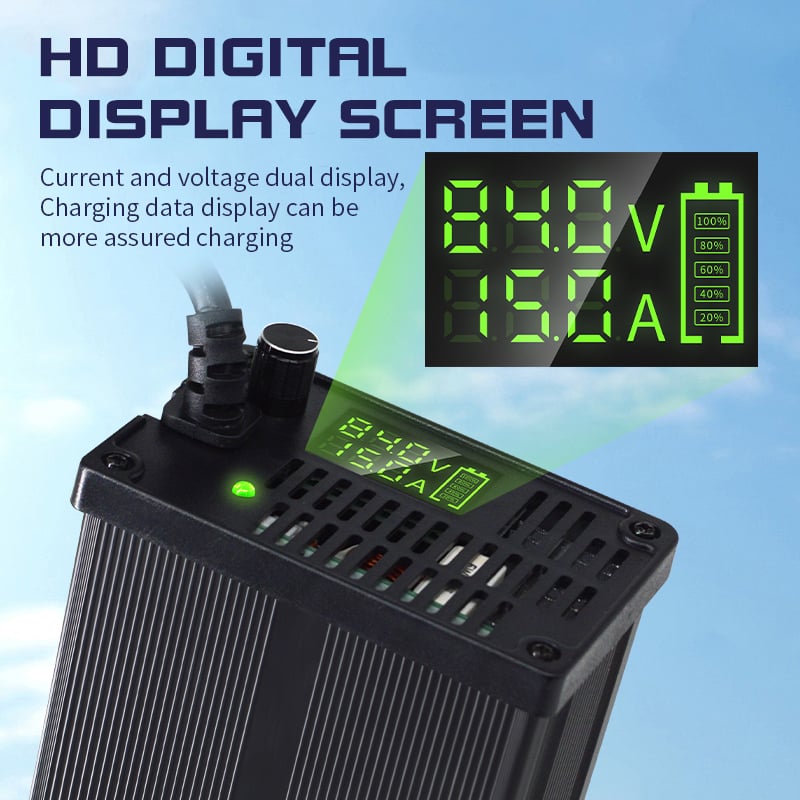
An adjustable battery charger represents a fundamental shift in how modern power systems manage energy storage and delivery. Unlike fixed-output chargers that apply a single voltage and current to every battery type, an adjustable battery charger provides flexible control over charging parameters, making it essential for applications ranging from electric vehicles to industrial equipment. Understanding what an adjustable battery charger is and how it operates is critical for anyone working with diverse battery chemistries and voltage requirements. This technology has become increasingly important as battery types have multiplied and charging demands have grown more sophisticated.
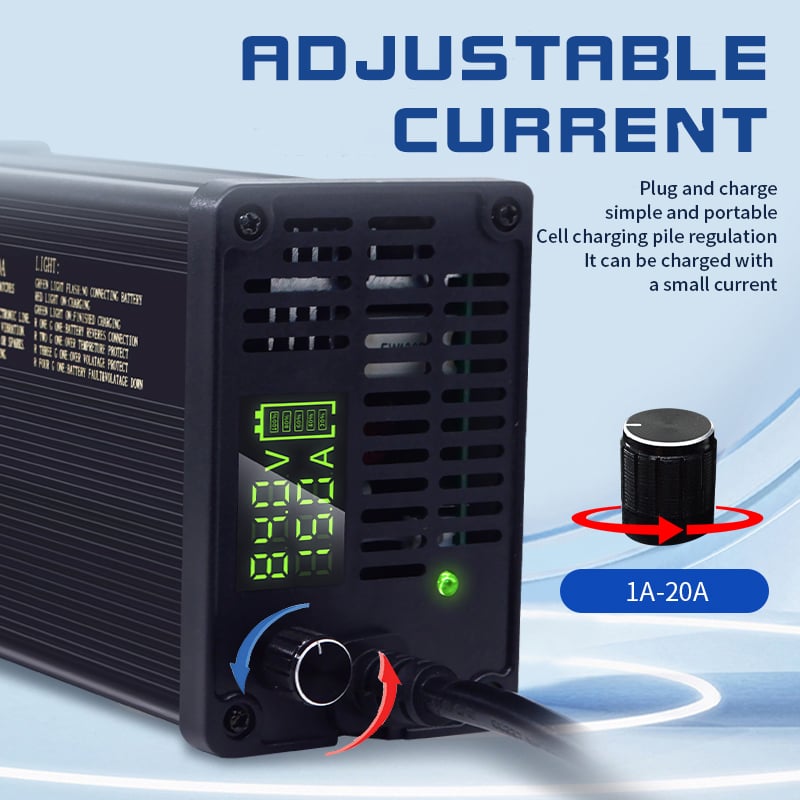
An adjustable battery charger is fundamentally a power supply device that allows users to modify charging voltage and current output to match specific battery requirements. The core purpose of an adjustable battery charger is to deliver the right amount of electrical energy at the right voltage level for different battery chemistries, capacities, and states of discharge. Whether you're charging lead-acid, lithium-ion, nickel-metal hydride, or other battery types, an adjustable battery charger adapts its output to prevent overcharging, undercharging, and thermal damage. This adaptability makes an adjustable battery charger invaluable in laboratories, service facilities, and field operations where multiple battery types are commonly used.
Core Components of an Adjustable Battery Charger
Power Conversion and Voltage Regulation
At the heart of every adjustable battery charger lies a power conversion stage that transforms alternating current into direct current. The adjustable battery charger uses transformer and rectifier circuits to convert wall power into a raw DC supply, which then passes through voltage regulation circuitry. This regulation stage in an adjustable battery charger is what enables the user to select specific output voltages, typically ranging from 2 volts to 48 volts or higher depending on the charger design. Advanced models of an adjustable battery charger incorporate digital control systems that allow precise voltage selection through buttons, dials, or software interfaces. The voltage regulation circuit maintains stable output even as input power fluctuates, ensuring consistent charging performance across different line conditions.
Current Limiting and Thermal Protection
Every adjustable battery charger must incorporate current limiting to prevent excessive charge rates that could damage batteries or create safety hazards. This current control function in an adjustable battery charger works alongside temperature sensing to protect both the battery and the charger itself. An adjustable battery charger monitors charging current and automatically reduces it if battery temperature rises above safe thresholds. The thermal protection in an adjustable battery charger typically includes sensors that detect overheating and trigger shutdown or current reduction modes. Modern designs feature intelligent algorithms that balance charging speed with safety, ensuring that an adjustable battery charger delivers optimal performance without compromising reliability.
Operating Principles of an Adjustable Battery Charger
Voltage and Current Setting Procedures
Operating an adjustable battery charger begins with identifying the battery's voltage rating and recommended charge current. Users of an adjustable battery charger must first determine the battery chemistry, capacity in amp-hours, and target state of charge. Once these parameters are known, an adjustable battery charger is configured by adjusting voltage to match the battery's nominal rating, then setting current to a rate appropriate for the battery capacity. For example, an adjustable battery charger charging a 12-volt lithium battery might be set to 14.4 volts with a 5-amp current limit. Most modern models of an adjustable battery charger include preset modes that automatically configure these settings for common battery types, reducing user error and charging time.
Charging Phases and Termination Logic
An adjustable battery charger typically operates through multiple charging phases: bulk charging, absorption, and float stages. During bulk charging, an adjustable battery charger delivers maximum current at the set voltage to rapidly restore capacity. As the battery voltage approaches the set level, an adjustable battery charger transitions to absorption mode, gradually reducing current while maintaining voltage to top off the charge safely. Finally, an adjustable battery charger may enter float mode, maintaining a lower holding voltage to compensate for self-discharge without overcharging. The transition between these phases in an adjustable battery charger is automatic, triggered by voltage and current thresholds that indicate charging progress.
Advantages and Practical Applications
Versatility Across Battery Types and Chemistries
The primary advantage of an adjustable battery charger is its ability to handle multiple battery types within a single device. Whether you work with sealed lead-acid, AGM, gel, lithium-ion, or LiFePO4 batteries, an adjustable battery charger can be reconfigured for each application. This versatility makes an adjustable battery charger particularly valuable in service centers, emergency response vehicles, and industrial facilities where diverse battery types are encountered regularly. Instead of maintaining separate chargers for each chemistry, an adjustable battery charger consolidates charging capability into one intelligent device. The cost savings and space efficiency of owning an adjustable battery charger rather than multiple fixed chargers is significant for businesses managing various equipment fleets.
Safety and Extended Battery Life
An adjustable battery charger prevents premature battery failure by delivering charging profiles precisely matched to each battery's tolerance windows. Overcharging, a common cause of battery degradation, is virtually eliminated when an adjustable battery charger is properly configured and monitored. Similarly, an adjustable battery charger prevents undercharging scenarios that leave batteries in partial-discharge states prone to sulfation. The intelligent temperature management built into modern adjustable battery charger models protects battery chemistry from thermal stress. By using an adjustable battery charger that respects each battery's specific requirements, users consistently achieve longer service life and more reliable performance from their battery investments.
FAQ
Can an adjustable battery charger damage my battery if I set the wrong voltage?
Yes, setting incorrect voltage on an adjustable battery charger can damage batteries or create safety risks. Excessive voltage causes overcharging, internal pressure buildup, and thermal runaway in some chemistries. However, most modern adjustable battery charger designs include safeguards such as maximum voltage limits and thermal shutdown that prevent catastrophic failure. The key to safe operation is consulting the battery's specifications before using an adjustable battery charger, ensuring voltage and current settings align with the manufacturer's recommendations. Many adjustable battery charger models feature preset buttons for common batteries, which provides an extra layer of protection against user error.
What is the difference between an adjustable battery charger and a smart charger?
An adjustable battery charger requires manual configuration of voltage and current settings, while a smart charger includes microprocessor logic that automatically detects battery type and optimizes charging parameters. A smart charger is essentially an advanced adjustable battery charger with added intelligence and automation. However, an adjustable battery charger offers more direct user control, making it preferable when charging non-standard batteries or in situations where automatic detection might fail. Many users appreciate the transparency and precision that an adjustable battery charger provides, especially in professional maintenance and repair environments.
How do I choose the right adjustable battery charger for my needs?
Selecting an adjustable battery charger requires evaluating voltage range, maximum current capacity, and supported battery chemistries against your intended applications. The voltage range of an adjustable battery charger should encompass all battery types you plan to charge, from automotive 12-volt systems to forklift 48-volt packs. Current capacity in an adjustable battery charger should accommodate your largest batteries without excessive charging times; a 10-amp model suits personal vehicles, while industrial applications may require 15-amp or higher capacity. Finally, ensure the adjustable battery charger includes safety features such as reverse-polarity protection, thermal shutdown, and display feedback so you can verify charging progress and parameters.