 EN

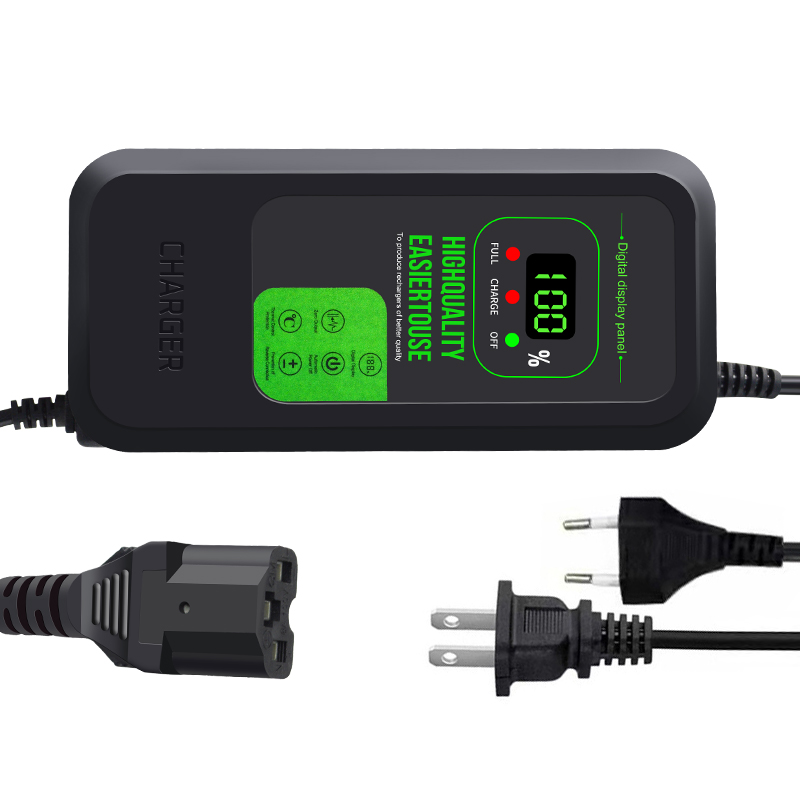
An electric bike battery charger is far more than a simple power supply. Modern electric bike battery chargers integrate multiple protective and management functions that ensure your e-bike battery charges safely, efficiently, and maintains long-term health. Understanding what functions an electric bike battery charger provides helps you select the right charging solution and maintain optimal battery performance throughout the lifespan of your e-bike system.
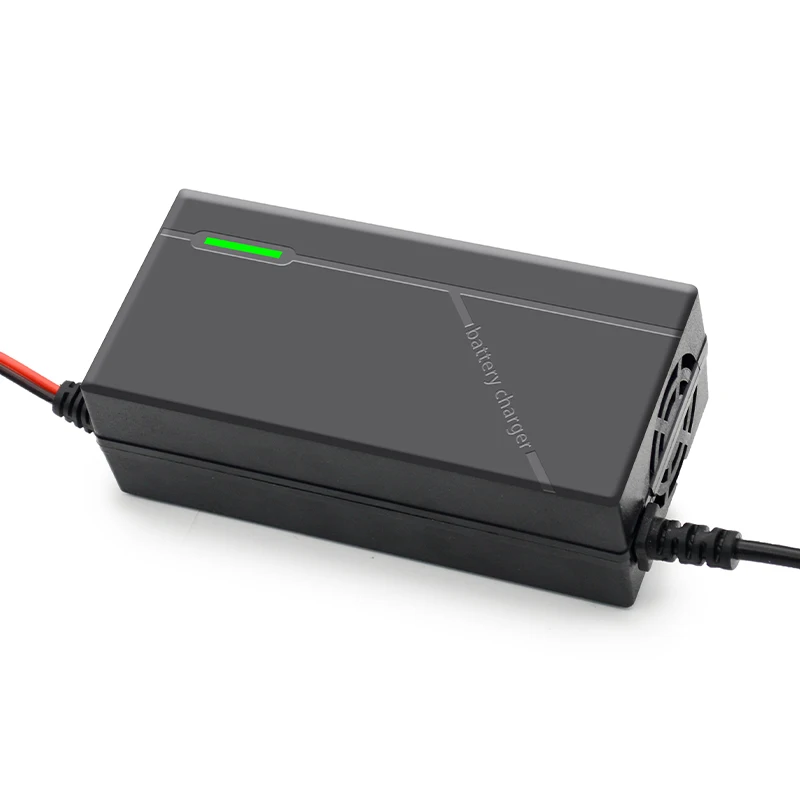
Whether you ride an e-bike for commuting, recreation, or heavy daily use, the quality and capabilities of your electric bike battery charger directly impact battery lifespan, charging speed, and system reliability. An electric bike battery charger that lacks essential safety functions poses risks to both equipment and user safety, while a well-designed charger protects your investment while delivering consistent performance across thousands of charge cycles.
Core Charging and Power Management Functions
Regulated Voltage and Current Output
The primary function of an electric bike battery charger is delivering regulated electrical power at the correct voltage and current levels specified by your battery pack. Modern lithium-ion e-bike batteries require precise voltage regulation; an electric bike battery charger must maintain steady output within strict tolerances to prevent overcharging, which degrades battery chemistry and shortens cycle life. Current regulation ensures that the charging rate matches the battery's ability to accept charge without generating excessive heat, which is particularly critical during the initial stages of the charging cycle.
An electric bike battery charger typically delivers power through a multi-stage charging profile. The constant current phase allows rapid charging at a fixed amperage level until the battery reaches approximately 80 percent capacity. The constant voltage phase then reduces charging current while maintaining a steady voltage, allowing the final 20 percent to charge more slowly and safely. This two-stage approach, which quality electric bike battery charger designs employ, significantly extends battery lifespan while maintaining charging speed.
Temperature Monitoring and Thermal Management
An electric bike battery charger must actively monitor battery temperature during charging and adjust its behavior accordingly. Lithium-ion cells generate heat during charge acceptance, and excessive temperature rise indicates either rapid charging stress or potential internal battery issues. A quality electric bike battery charger includes temperature sensors that communicate with onboard control circuits to reduce charging current if temperature exceeds safe operating ranges, typically between 0 and 45 degrees Celsius.
Thermal management functions within an electric bike battery charger protect both the battery and the charger itself. If an electric bike battery charger detects dangerous temperature conditions, it automatically reduces power or pauses charging entirely to prevent thermal runaway, where uncontrolled heat generation leads to potential fire or explosion. This protective layer is essential for home charging environments where users might not notice temperature issues developing during overnight charging sessions.
Safety and Protection Functions
Overcharge Prevention and Cell Balancing
Overcharging represents one of the primary threats to lithium-ion battery health and safety, making overcharge prevention a critical function of any electric bike battery charger. An electric bike battery charger uses voltage threshold monitoring to detect when the battery reaches full charge state and automatically terminates the charging process. This prevents continued current flow that would cause electrolyte decomposition, internal resistance increase, and potential structural damage to battery cells.
Multi-cell battery packs found in most e-bikes require cell balancing functions integrated into an electric bike battery charger or within the battery management system. Cell balancing ensures that individual cells within the battery pack charge to equivalent voltage levels, preventing situations where one cell reaches full charge while others remain partially charged. An electric bike battery charger that supports active balancing distributes charge more evenly across the pack, maximizing usable capacity and extending overall battery longevity significantly.
Short Circuit and Fault Detection
A capable electric bike battery charger incorporates protective circuitry that detects and responds to electrical faults rapidly. Short circuit detection allows the charger to identify internal battery shorts or charging connector damage before dangerous current levels develop. When an electric bike battery charger detects anomalous conditions, it immediately cuts power delivery and alerts the user through LED indicators or digital displays that charging has been interrupted for safety reasons.
An electric bike battery charger also monitors for reverse polarity conditions, where connectors are incorrectly mated or charging cables are damaged. Reverse polarity would normally cause component destruction and potential fire hazards, but an electric bike battery charger equipped with polarity detection prevents power delivery until correct connection is established. These fault detection functions operate continuously throughout the charging cycle, providing layered protection against multiple failure scenarios.
User Interface and Charging Optimization Functions
Charging Status Indication and Control
Modern electric bike battery chargers provide visual feedback about charging progress and system status through LED indicators or digital displays. A sophisticated electric bike battery charger shows charging stage information, such as whether the system is in constant current, constant voltage, or standby mode. Multi-colored LED systems allow users to quickly assess whether an electric bike battery charger is operating normally, experiencing a fault, or has completed the charging cycle.
Digital display functions on advanced electric bike battery charger models show real-time charging current, voltage, elapsed time, and estimated time to full charge. This transparency helps users understand charging behavior and identify unusual patterns that might indicate battery degradation or charger malfunction. Some electric bike battery charger designs include smart charging modes that allow users to select slower charging profiles when battery longevity is prioritized over speed, or faster charging when quick turnaround is needed.
Energy Efficiency and Standby Functions
An electric bike battery charger designed for efficiency includes low standby power consumption, minimizing energy waste when the charger remains plugged in after charging completes. Trickle charging functions maintain battery charge at optimal levels without continuous fast charging, which degrades battery chemistry. An electric bike battery charger with smart standby monitoring can detect when the battery voltage drops slightly and automatically resume charging at minimal current levels to compensate for natural self-discharge.
Advanced electric bike battery charger models incorporate power factor correction and active efficiency optimization circuitry that reduces electrical losses during conversion from AC wall power to regulated DC output. This not only reduces operating costs but also generates less waste heat, improving charger reliability and lifespan. An electric bike battery charger that achieves 90 percent or higher efficiency converts more of the input energy into actual battery charge rather than wasting it as heat in passive components.
FAQ
What voltage and current does an electric bike battery charger typically deliver?
An electric bike battery charger must match your specific battery voltage, which commonly ranges from 24V to 72V depending on the e-bike system. Current output for an electric bike battery charger typically ranges from 2A to 5A for standard systems, though some high-capacity batteries accept 10A or higher. Always verify that your electric bike battery charger specifications match your battery pack's voltage and recommended charging current to prevent damage.
How does an electric bike battery charger know when charging is complete?
An electric bike battery charger monitors voltage and current throughout the charging cycle, automatically reducing current to minimal levels when the battery reaches full charge voltage. At this point, the electric bike battery charger either cuts power completely or enters a trickle-charge maintenance mode that compensates for natural self-discharge. Most modern electric bike battery chargers include safety timers that prevent charging beyond a maximum duration, adding a secondary layer of overcharge protection.
Can an electric bike battery charger damage my battery if used incorrectly?
Using an incorrect electric bike battery charger—one with mismatched voltage or current specifications—can cause serious damage to your battery and create fire hazards. However, a properly matched electric bike battery charger with adequate safety functions protects your battery through overcharge prevention, temperature monitoring, and fault detection. Always use an electric bike battery charger specifically designed for your battery pack's voltage and chemistry to ensure safe operation and maximum battery lifespan.