 EN

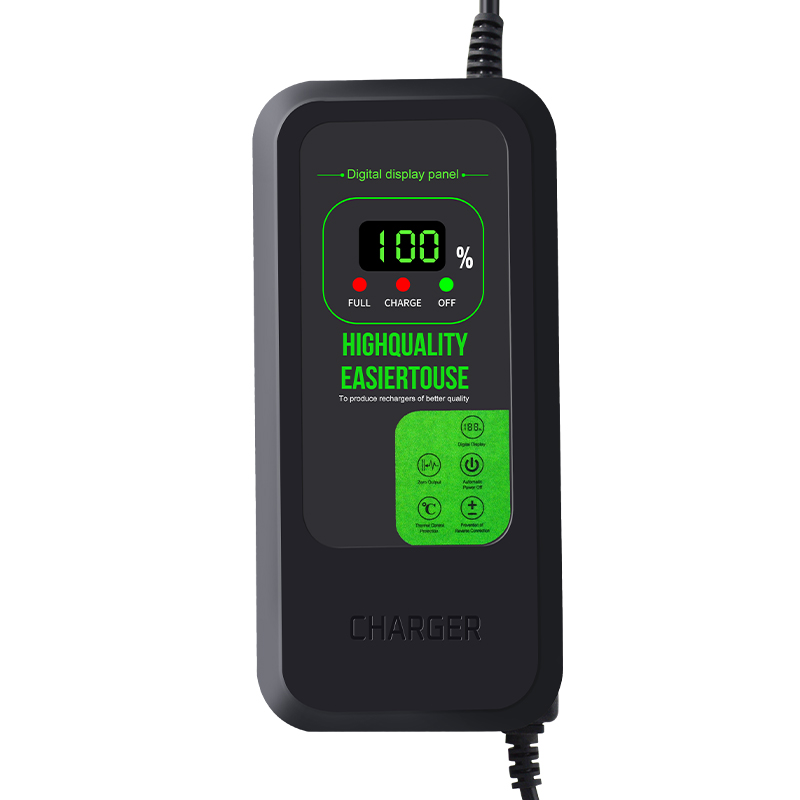
An electric bike battery charger is a specialized power conversion device that replenishes energy stored in lithium or lead-acid battery packs used in electric bikes and scooters. Unlike standard household chargers, an electric bike battery charger operates through sophisticated electronic circuitry designed to safely deliver controlled current and voltage to the battery cell stack. Understanding how this device functions helps riders maintain battery health, extend lifespan, and ensure safe charging practices across different riding conditions and environments.
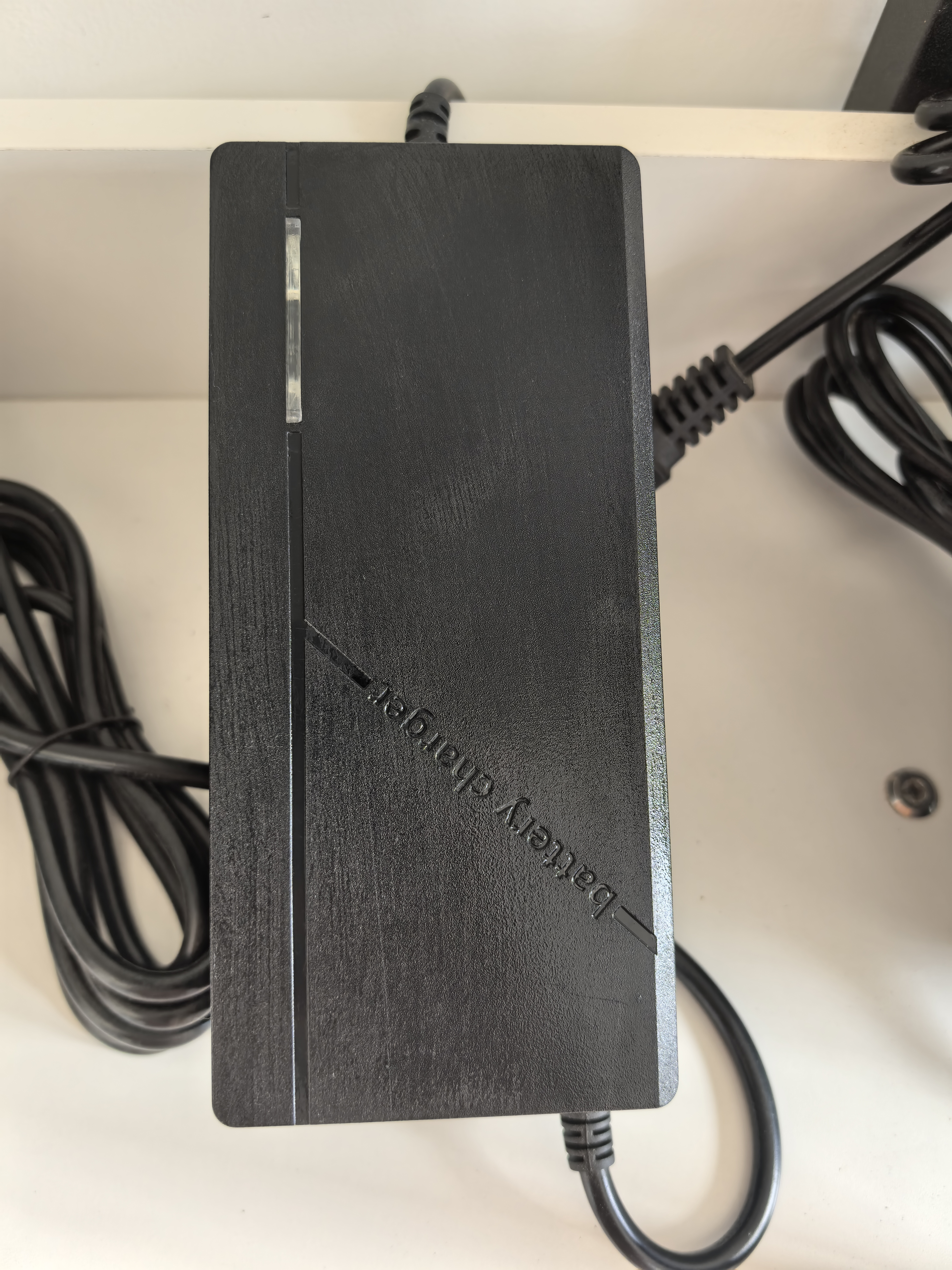
The electric bike battery charger market has expanded significantly as e-bikes become mainstream transportation solutions in urban and rural areas. Modern electric bike battery charger units now incorporate microprocessor controls, temperature sensors, and failsafe mechanisms that were once found only in industrial charging systems. This guide explores the complete operational framework of an electric bike battery charger, breaking down each functional stage and explaining how these devices protect your investment while delivering reliable charging performance.
Core Charging Architecture and Voltage Regulation
Input Conversion and Rectification
An electric bike battery charger begins its operation by accepting alternating current from standard wall outlets, typically 110V or 220V depending on geographic location. Inside the charger housing, a transformer and rectifier circuit convert this alternating current into direct current needed for battery charging. The electric bike battery charger's rectification stage uses semiconductor diodes to direct current flow in one direction, creating a stable DC output suitable for lithium or sealed lead-acid batteries. This conversion is essential because batteries store energy through chemical reactions that respond only to direct current, making rectification the foundation of any functional electric bike battery charger design.
Voltage Stabilization and Output Control
After rectification, the electric bike battery charger employs voltage regulator circuits, often using integrated circuits or linear regulators, to maintain consistent output voltage across varying input conditions. A typical electric bike battery charger for 48-volt systems outputs precisely 54.6 volts during initial charging phases, with tolerance levels maintained within narrow ranges to prevent battery damage. The output control mechanism in an electric bike battery charger continuously monitors actual battery voltage and adjusts internal switching circuits to deliver appropriate current levels. This real-time regulation distinguishes modern electric bike battery charger units from older, simpler designs and represents a critical advancement in battery safety technology.
Multi-Stage Charging Cycles and Current Management
Constant Current Phase Operation
The electric bike battery charger operates through distinct charging phases, beginning with the constant current stage where maximum safe current flows to the battery. During this phase, the electric bike battery charger maintains a fixed amperage, typically 2 to 3 amps for standard e-bike batteries, while voltage gradually rises as the battery accepts charge. The constant current approach used by an electric bike battery charger ensures rapid charging during the early stages when batteries can safely handle higher current loads. Most electric bike battery charger systems continue constant current delivery until battery voltage reaches approximately 80 percent of full capacity, after which the charging profile changes significantly.
Constant Voltage and Taper Charging
Once the battery reaches the constant voltage threshold, the electric bike battery charger shifts operation to maintain fixed voltage output while current gradually tapers to lower levels. This constant voltage stage in an electric bike battery charger protects lithium cells from overcharging damage while allowing the battery to accept remaining capacity safely. The electric bike battery charger gradually reduces current output as the battery fills, creating a declining current curve that prevents thermal stress and battery degradation. This intelligent transition represents how modern electric bike battery charger technology differs fundamentally from simple charging devices, incorporating sophisticated algorithmic control that extends battery service life by years.
Temperature Monitoring and Safety Mechanisms
Thermal Management Systems
Advanced electric bike battery charger units integrate thermistor sensors that continuously monitor battery and charger temperature throughout the charging cycle. The electric bike battery charger uses temperature data to automatically reduce charging current if thermal levels exceed safe operating ranges, typically 45 degrees Celsius. Temperature-controlled operation in an electric bike battery charger prevents thermal runaway conditions that could damage battery chemistry or create safety hazards. Most quality electric bike battery charger systems also include charger-side thermal protection that reduces input power if internal components generate excessive heat during extended charging sessions.
Overcurrent Protection and Circuit Safeguards
Every reliable electric bike battery charger incorporates multiple protective circuits including fuses, circuit breakers, and metal oxide varistors that interrupt charging if fault conditions occur. The electric bike battery charger monitors output current continuously and will halt charging or reduce current if short circuit conditions are detected. Reverse polarity protection in modern electric bike battery charger designs prevents damage if connections are accidentally reversed, a feature that protects expensive battery packs. These redundant safety layers in the electric bike battery charger ensure that even equipment failures cannot create dangerous conditions for riders or create fire risk.
Practical Charging Optimization and Maintenance
Optimal Charging Frequency and Cycles
Understanding how an electric bike battery charger works reveals why frequent partial charging extends battery lifespan compared to deep discharge cycles. Most riders achieve optimal battery longevity by using their electric bike battery charger to top up batteries at 20 to 30 percent depletion rather than waiting for complete discharge. The electric bike battery charger performs best when used consistently at moderate cycles, as lithium batteries respond poorly to extreme charge states at either end of the spectrum. Implementing regular charging patterns supported by your electric bike battery charger design maximizes usable capacity retention over multiple years of service.
Charger Compatibility and Battery Matching
Each electric bike battery charger is engineered specifically for particular voltage and chemistry combinations, making compatibility verification essential before purchase. The electric bike battery charger designed for 48-volt lithium batteries will damage lead-acid systems, while an electric bike battery charger optimized for 36-volt configurations provides insufficient power for 48-volt packs. Quality manufacturers clearly mark voltage ratings on the electric bike battery charger housing and cable connectors to prevent mismatches. Always verify that your specific electric bike battery charger matches your battery pack specifications before connecting, as mismatched systems represent the primary cause of premature battery failure in e-bike applications.
FAQ
How long does an electric bike battery charger typically take to fully charge a battery?
Most electric bike battery charger systems require 4 to 6 hours for complete charging cycles, though this varies based on battery capacity and charger output amperage. A higher-capacity electric bike battery charger rated at 3 amps completes charging faster than lower-amperage models, reducing total charging time by 30 to 40 percent in many applications. Environmental temperature also affects charging duration, as an electric bike battery charger automatically reduces current during cold weather operations for safety, extending total charge time accordingly.
Can an electric bike battery charger damage the battery if left connected too long?
Modern electric bike battery charger designs include automatic shutoff or trickle-charge logic that prevents overcharging damage even if the charger remains connected after battery reaches full capacity. However, leaving an electric bike battery charger connected indefinitely can contribute to battery degradation over extended periods due to continuous low-level current and heat generation. Best practice involves removing the electric bike battery charger within 30 minutes of the charge cycle completing to minimize chemical stress and extend overall battery service life.
What should I do if my electric bike battery charger makes unusual sounds or becomes very hot?
Unusual noises or excessive heat from an electric bike battery charger indicates potential component failure and requires immediate disconnection to prevent damage or safety hazards. A properly functioning electric bike battery charger should remain warm but not hot to touch, typically 40 to 45 degrees Celsius during normal operation. Stop using that specific electric bike battery charger and contact the manufacturer or supplier for evaluation, as continuing with a malfunctioning charger risks battery damage and possible fire risk.